



WhatsApp: +86 178 6574 8088

E-mail: jackyalum@163.com
English

WhatsApp: +86 178 6574 8088
E-mail: jackyalum@163.com
By Product Type
From silicone sealants to MS polymer, PU and insulation adhesives, offering durable performance for buildings, manufacturing, and professional installation.
SEIMEDA manufactures construction sealants, glazing sealants, installation adhesives and polyurethane foam for distributors, private-label brands, glass processors, window and door manufacturers, contractors and industrial buyers.
Our product range covers neutral and acetoxy silicone sealants, structural and weatherproof silicone, two-component insulating glass sealant, MS polymer sealant, polyurethane sealant, acrylic sealant, PU foam, nail-free adhesive and industrial RTV silicone.
This page helps you compare each product type by curing system, application, substrate, weather resistance, paintability and purchasing purpose. For project-specific recommendations, you can also use our sealant selection guide or send us your application details.
View Product Range | Compare Product Types | Choose by Buyer Type | OEM and Private Label
Different sealant chemistries are designed for different substrates, joint movements, environmental conditions and installation methods. A general-purpose silicone, structural glazing sealant, PU foam and acrylic caulk cannot be used interchangeably.
Review the product categories below to identify the most suitable starting point for your market or project.
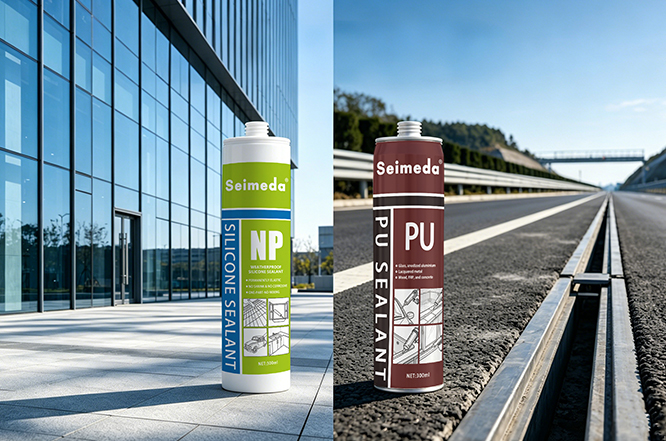
Silicone sealants are commonly selected for glass, aluminum, windows, doors, curtain walls, insulating glass, sanitary applications and other areas requiring long-term flexibility and resistance to temperature, moisture and outdoor exposure.
Neutral cure silicone sealant is designed for general construction sealing where non-corrosive curing and compatibility with a wider range of building materials are required.
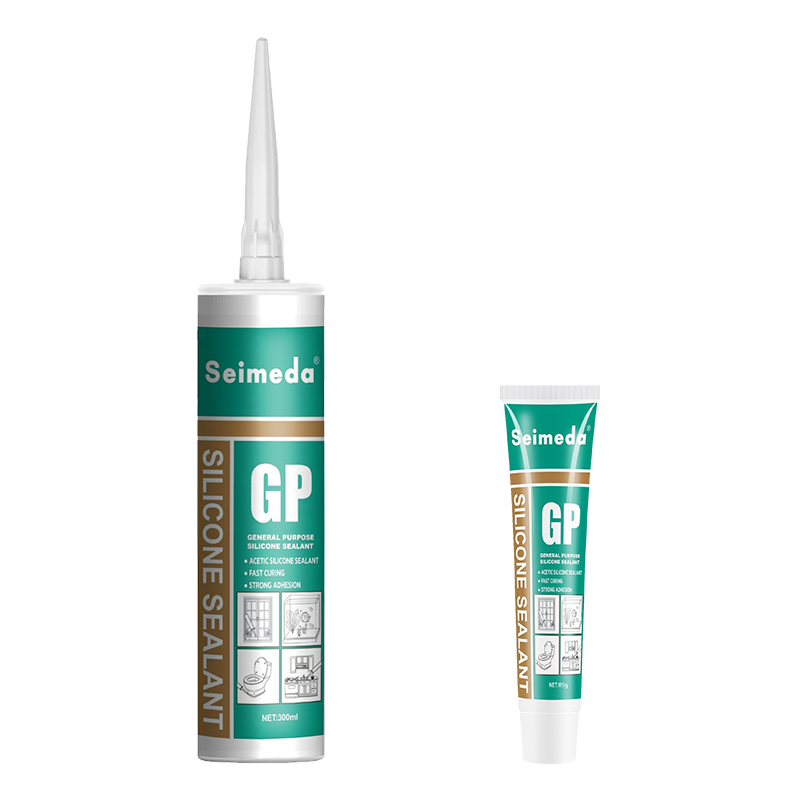
Acetoxy silicone sealant is a cost-effective option for glass, ceramic and other compatible non-porous surfaces. It is widely used in general glazing, sanitary sealing and hardware retail channels.
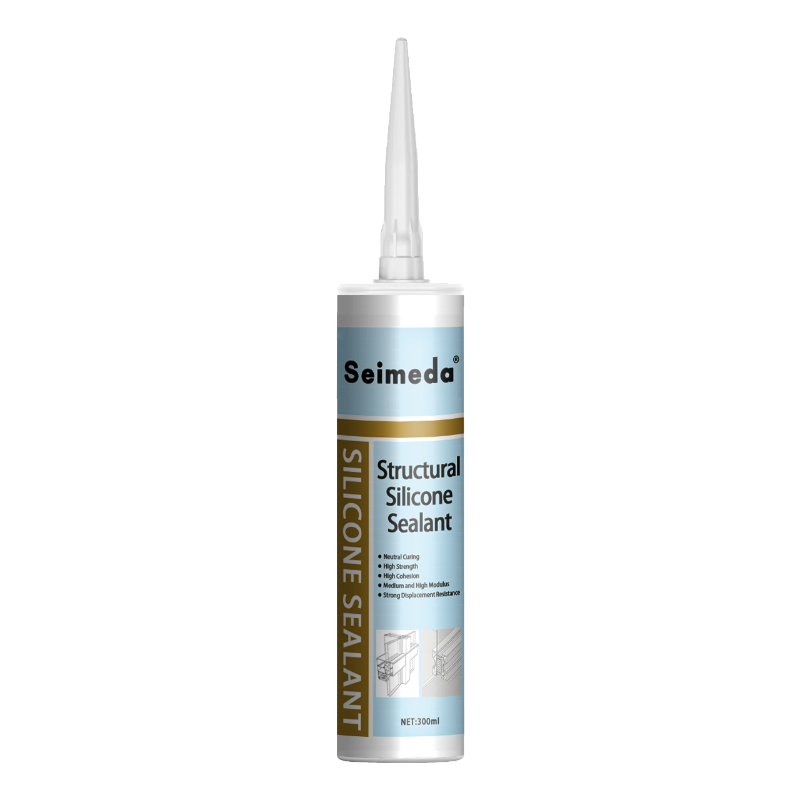
Structural silicone sealant is developed for engineered glazing applications where the sealant forms part of the structural bonding system between glass and supporting frames.
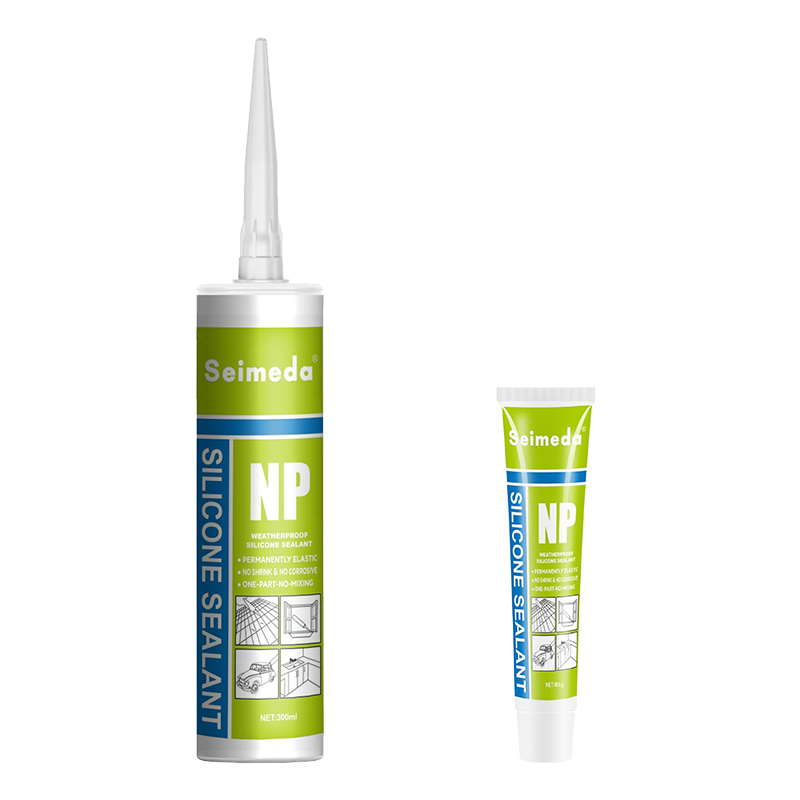
Weatherproof silicone sealant is used for non-structural exterior joints exposed to sunlight, rain, temperature cycles and building movement.
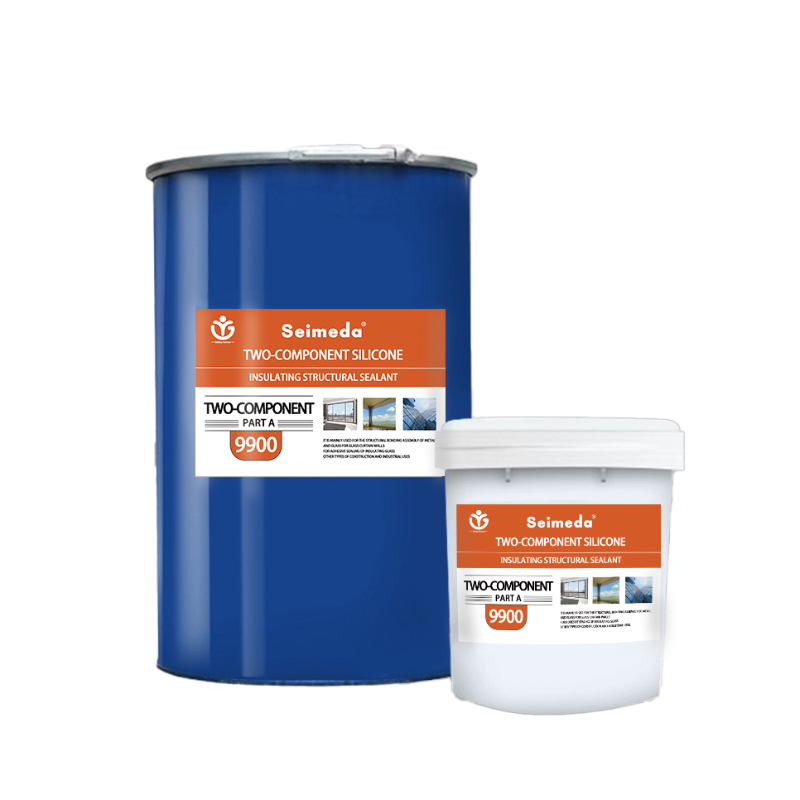
Two-component silicone sealant is designed for the secondary sealing of insulating glass units where controlled mixing, curing speed, adhesion and long-term moisture resistance are required.
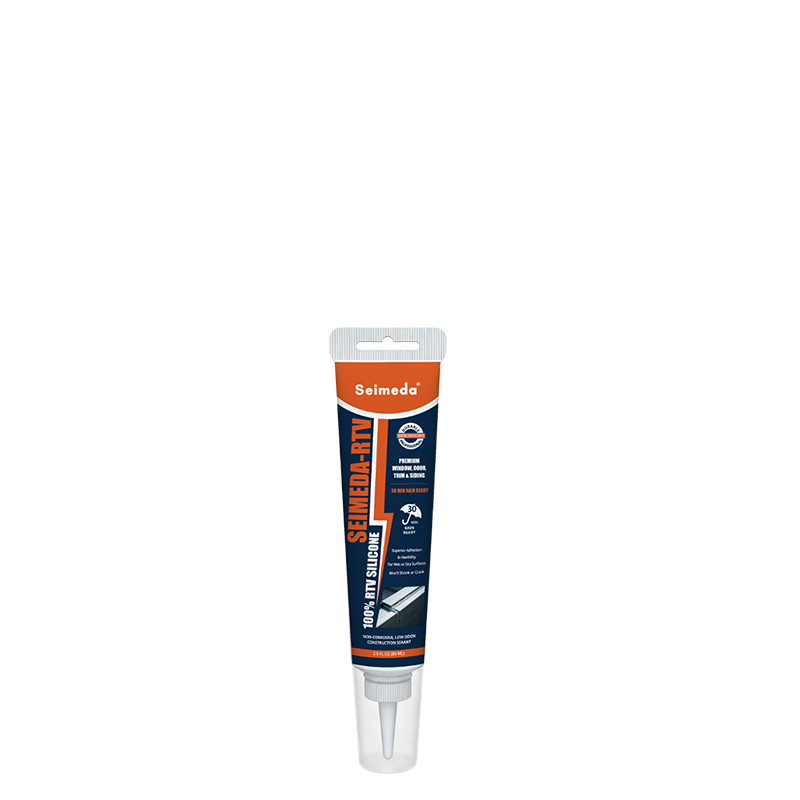
RTV silicone sealant cures at room temperature and is used for industrial sealing, formed-in-place gaskets, equipment assembly and selected automotive applications.
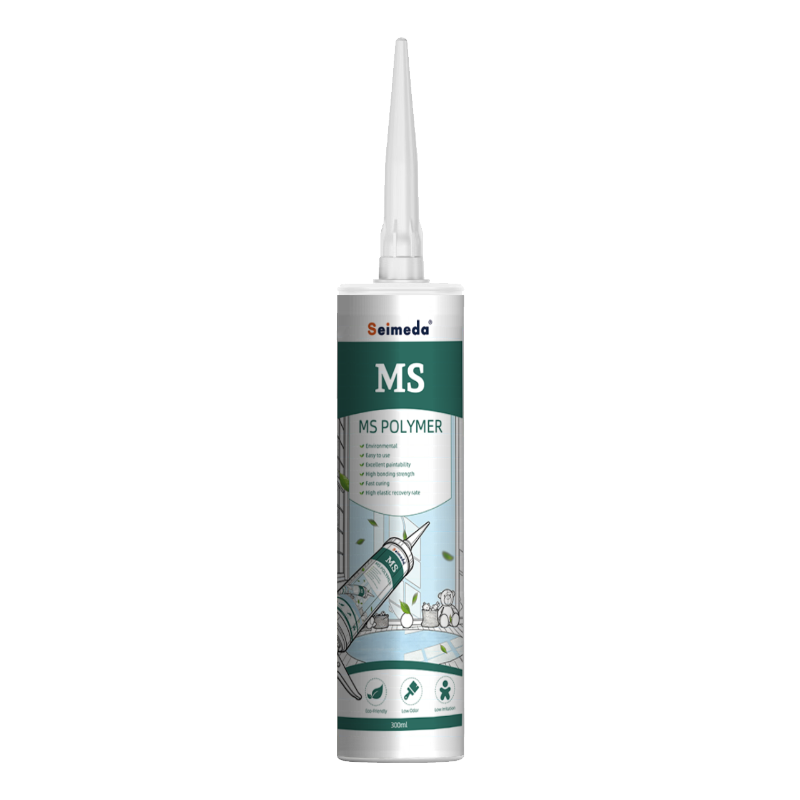
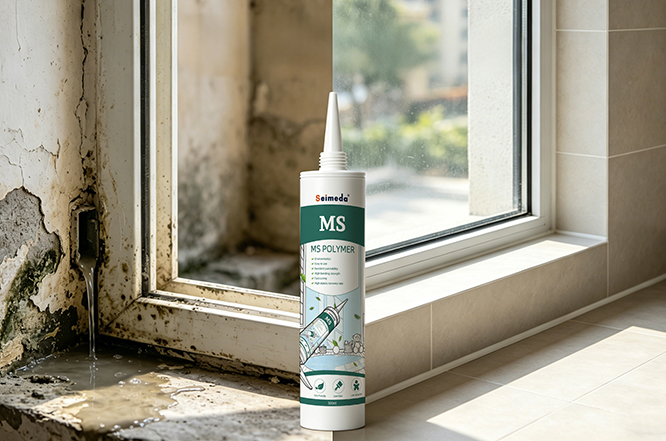
MS polymer sealant combines flexible sealing with multi-substrate adhesion and is commonly selected for applications requiring low odor, paintability or a silicone-free surface.
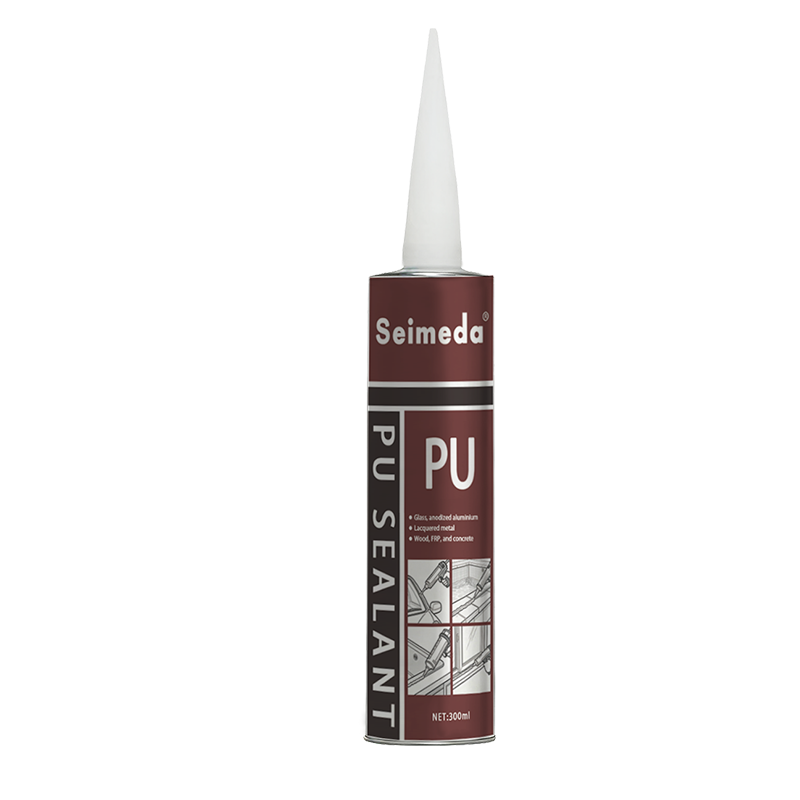
Polyurethane sealant provides elastic sealing and strong adhesion for construction joints, metal assemblies, transportation applications and other areas requiring mechanical durability.
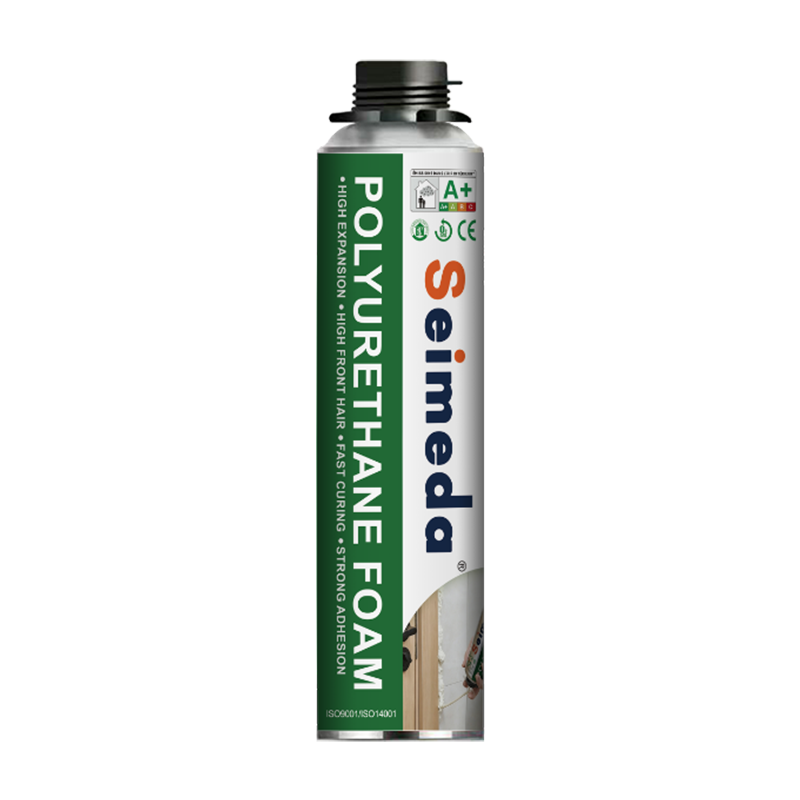
One-component PU foam is used for filling, fixing, insulating and sealing gaps around windows, doors, pipes, wall penetrations and construction components.
PU foam is mainly a filling and insulation material. It should not be treated as a structural adhesive, and exposed foam normally requires protection from long-term UV exposure.
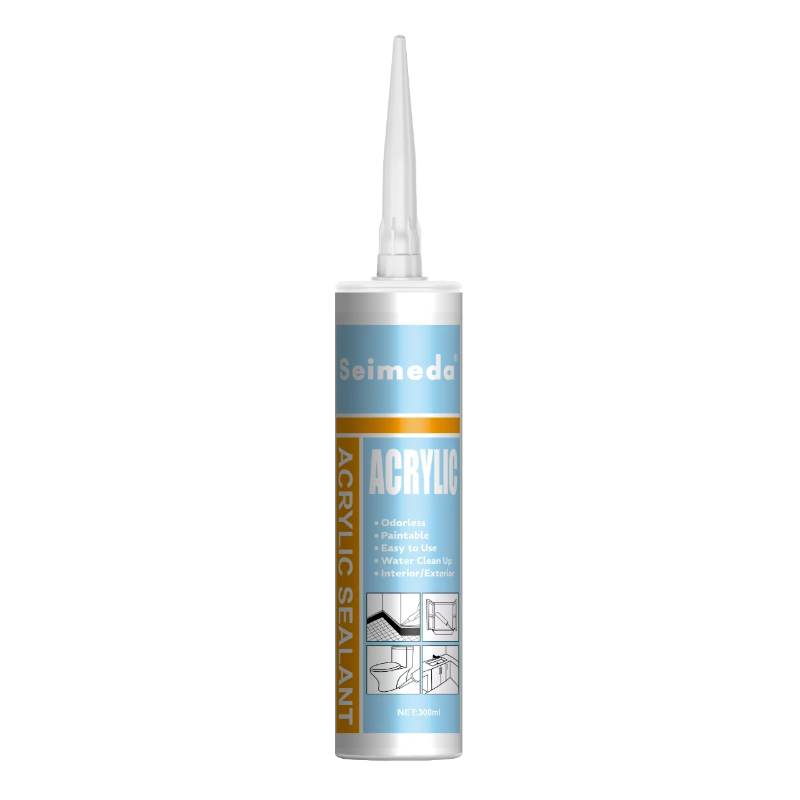
Acrylic sealant is designed for low-movement interior joints where easy application, water cleanup and paintability are important.
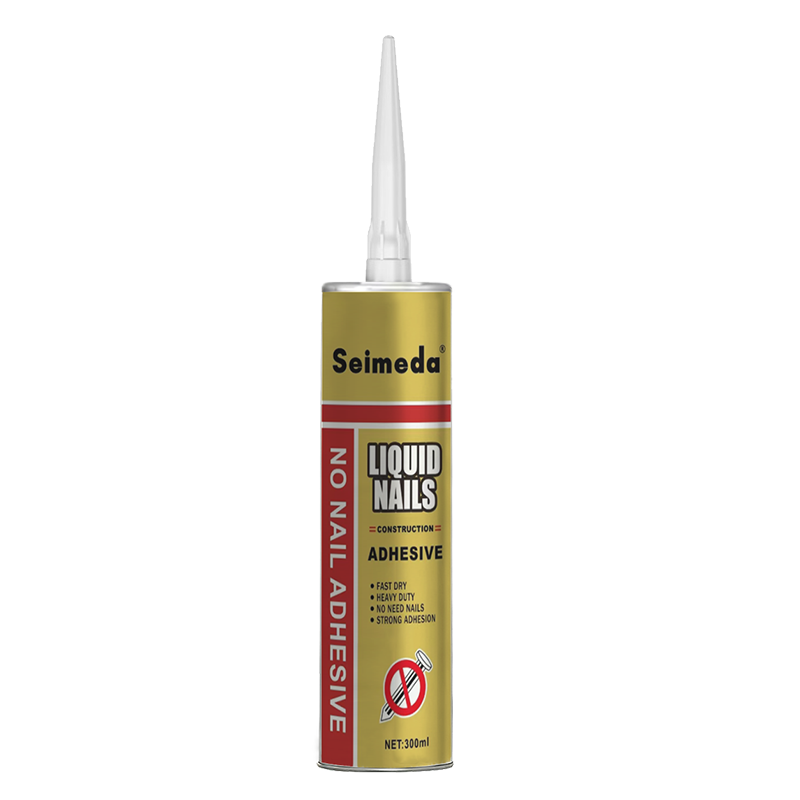
No More Nails adhesive is used to install decorative materials without relying entirely on screws, nails or other visible mechanical fasteners.
Use the following table for initial product screening. Final performance depends on the selected formula, product grade, substrate, joint design and test conditions.
| Product Type | Typical Cure System | Paintable | Outdoor Resistance | Primary Substrates | Typical Applications |
|---|---|---|---|---|---|
| Neutral Silicone | Neutral moisture cure | Usually no | High, depending on grade | Glass, aluminum, PVC and coated metal | Windows, doors and general construction joints |
| Acetoxy Silicone | Acetic moisture cure | No | Suitable for compatible applications | Glass, ceramic and compatible non-porous surfaces | General glazing and sanitary sealing |
| Structural Silicone | Neutral cure or two-component system | No | High | Glass and approved frame materials | Structural glazing and curtain walls |
| Weatherproof Silicone | Neutral moisture cure | No | High | Glass, metal and façade materials | Exterior weather joints |
| Two-Component IGU Silicone | Two-component cure | No | High | Approved insulating glass components | Secondary IGU sealing |
| MS Polymer Sealant | Moisture cure | Usually yes | High, depending on grade | Metal, wood, concrete, panels and multiple substrates | Construction sealing and flexible bonding |
| PU Sealant | Moisture cure | Usually yes | Depends on formula | Concrete, metal and coated surfaces | Construction, vehicle and industrial joints |
| Acrylic Sealant | Water evaporation | Yes | Limited compared with exterior silicone | Walls, plasterboard, wood and frames | Interior finishing and low-movement joints |
| PU Foam | Moisture cure | Can be covered after curing | Requires surface protection | Concrete, masonry, wood, PVC and metal | Gap filling, fixing and insulation |
| No More Nails Adhesive | Depends on formula | Depends on formula | Depends on product grade | Wood, panels and interior construction materials | Decorative installation and fixing |
| RTV Silicone | Room-temperature vulcanizing | Usually no | Application-specific | Metal, equipment parts and industrial substrates | Gaskets, equipment and automotive sealing |
Not sure which chemistry is suitable? Use the sealant selection guide or provide your substrate, application environment and required performance for a product recommendation.
Distributors usually need a balanced product range covering daily retail demand, professional installation and project-grade applications.
A typical starting portfolio can include:
Product combinations should be selected according to local channel demand, climate, target price range, packaging preferences and contractor habits.
For regional distribution cooperation, review the SEIMEDA distributor program.
Private-label buyers usually focus on product positioning, formulation consistency, packaging presentation, documentation and reliable repeat production.
SEIMEDA can discuss standard or customized solutions for multiple product categories, including silicone sealants, MS polymer sealants, PU sealants, acrylic sealants, PU foam and installation adhesives.
Available customization depends on the selected product and can include:
Learn more about our OEM and private-label sealant services.
Window and door systems usually require more than one sealing material. The correct product depends on its position in the installation system.
See the complete door and window sealing solution.
Curtain wall projects require a clear distinction between structural bonding and weather sealing.
Engineering projects should confirm joint design, substrate compatibility, adhesion testing and applicable standards before product approval.
See our curtain wall sealant solutions.
IGU manufacturers should consider production equipment, primary and secondary seal compatibility, mixing quality, curing speed, moisture resistance and structural requirements.
The main product option is our two-component silicone sealant for insulating glass units.
For system-level guidance, visit our insulating glass sealant application page.
Interior applications often require paintability, low odor, initial grab and compatibility with decorative panels, walls, wood and trim.
See our interior decoration sealant solutions and kitchen and bathroom sealant solutions.
Automotive and industrial applications may require resistance to oil, vibration, heat, chemicals or mechanical stress. Product selection should be based on the actual operating environment rather than a general product name.
See our automotive assembly sealant solutions.
| Application | Recommended Product Types | Main Selection Requirements |
|---|---|---|
| Windows and Doors | Neutral silicone, weatherproof silicone, PU foam, acrylic and MS polymer | Frame compatibility, weather resistance, movement and installation position |
| Curtain Walls | Structural silicone, weatherproof silicone and neutral silicone | Structural design, UV exposure, joint movement and compatibility testing |
| Insulating Glass | Two-component IGU silicone and structural silicone | Mixing quality, primary seal compatibility, moisture resistance and production speed |
| Kitchen and Bathroom | Sanitary-grade acetoxy or neutral silicone | Mold resistance, water exposure, substrate compatibility and cleaning conditions |
| Stone and Façade Materials | Stone-compatible neutral or weatherproof silicone | Non-staining performance, substrate testing and plasticizer migration |
| Interior Decoration | Acrylic, MS polymer and No More Nails adhesive | Paintability, low odor, initial grab and decorative surface compatibility |
| Automotive Assembly | RTV silicone, PU sealant and MS polymer | Heat, oil, vibration, curing method and production conditions |
| Large Glass Aquariums | Dedicated aquarium silicone selected for the project | Glass adhesion, joint design, full curing and long-term water exposure |
Different markets require different performance levels, packaging formats, colors and price positioning. SEIMEDA works with distributors, trading companies and private-label brands to develop product combinations for local construction, glazing, sanitary, hardware and industrial channels.
Depending on the product category and order requirements, customization can involve:
Packaging options depend on the selected chemistry and product format. Available solutions can include:
For a customized proposal, provide your target product, market, packaging format, expected quantity and reference samples where available.
Start an OEM or private-label sealant project
B2B buyers may require different technical and compliance documents depending on the product, destination market and project.
| Document or Test | How It Supports Purchasing |
|---|---|
| Technical Data Sheet | Provides product properties, application conditions, curing information and limitations |
| Safety Data Sheet | Supports product handling, storage, transport and safety review |
| Certificate of Analysis | Confirms selected batch inspection information where applicable |
| Adhesion Test | Checks product adhesion to project-specific substrates |
| Compatibility Test | Evaluates interaction with adjacent materials, coatings or other sealants |
| Color Sample | Confirms color before bulk production |
| Packaging Artwork Approval | Confirms private-label information before printing and production |
| Third-Party Test Report | Supports project approval or target-market compliance where available |
Document availability and applicable standards vary by product. Tell us your target market and required certification or testing before placing an order.
Provide the product use, substrates, indoor or outdoor environment, temperature range, joint size, required color and target market.
We identify the suitable chemical system, product category and performance grade for your application or distribution channel.
Review standard samples or customized samples together with the proposed packaging, label and carton requirements.
Confirm the agreed technical data, sample performance, color, packaging artwork and supporting documents.
Proceed with a trial order, mixed product order or regular bulk purchasing plan according to the confirmed product and packaging requirements.
Request product recommendations, samples and pricing
Please provide the application, substrates, joint size, expected movement, indoor or outdoor conditions, temperature, water or UV exposure, color, packaging, estimated quantity and target market. This information helps us avoid recommending a product based only on a general product name.
Silicone is commonly selected for glass, façade, sanitary and weather-exposed joints. MS polymer is suitable for flexible multi-substrate bonding and applications requiring paintability. Polyurethane is often selected for concrete, metal, transportation and mechanically demanding joints. The final choice depends on the substrate, movement, weather exposure and finishing requirements.
For more detailed guidance, visit our sealant selection guide.
Structural silicone is designed and tested for approved structural glazing systems. Weatherproof silicone is primarily used to seal exterior joints against air, water, UV exposure and building movement. Weatherproof sealant should not replace structural silicone in an engineered structural glazing application.
Mixed product purchasing can be discussed according to the product formats, minimum quantities, packaging requirements and loading plan. Send us your required product list so that we can evaluate a practical trial or container combination.
Yes. OEM and private-label options can include selected product formulas, colors, labels, cartons and packaging formats. Minimum quantities depend on the product chemistry and packaging design.
See our OEM sealant manufacturing services.
Reference samples and technical data can be evaluated to understand the required curing behavior, hardness, flexibility, adhesion, color and market positioning. Any developed formula must still be verified through sample testing and agreed specifications before bulk production.
Samples can be discussed for standard products and selected customized projects. Sample type, quantity, preparation time and delivery arrangement depend on the product and customization requirements.
Available documents can include TDS, SDS, batch-related quality information and selected test reports. Project-specific adhesion or compatibility testing can also be discussed where required.
Yes. Please provide the expected temperature range, humidity, rainfall, UV exposure, construction season and storage conditions. Product suitability must be evaluated according to the actual application and product grade rather than the destination country alone.
A starter portfolio often includes acetoxy silicone, neutral silicone, sanitary silicone, PU foam, acrylic sealant and nail-free adhesive. MS polymer, structural silicone, weatherproof silicone and IGU sealant can be added according to professional contractor and project demand.
To receive a more accurate recommendation, include the following information in your inquiry:
Interested in regional distribution? Visit Become Our Partner.
Related Products

Products & Applications
Selection Guide
From silicone sealants to MS polymer, PU and insulation adhesives, offering durable performance for buildings, manufacturing, and professional installation.

Tell Seimeda® your project needs — our experts will recommend the best sealant solution for your application.
 Get Free Quotes From Multiple Sellers
Latest News & Industry Updates
Stay informed with company updates, new product releases, industry insights, and global market trends.
01
Jan. 2026
As time goes by, we keep forging ahead. Since its establishment, Seimeda has always stayed true to its original aspiration of deepening its roots in the sealant industry, upholding the core philosophy of "Integrity as the Foundation
07
May. 2026
Silicone Sealant vs Polyurethane Sealant: What Are the Differences?
In construction, home decoration, door and window engineering and industrial sealing projects, silicone sealant and polyurethane sealant are the two most widely used types. Many buyers and construction workers often cannot tell their differences. Wrong selection will lead to cracking, falling off and poor aging resistance.
07
May. 2026
Sealant is the "invisible yet critical" component in architectural decoration and industrial sealing, directly impacting the air tightness of doors and windows, waterproof performance of kitchens and bathrooms, safety of building curtain walls, as well as the energy efficiency and service life of buildings.