



WhatsApp: +86 178 6574 8088

E-mail: jackyalum@163.com
English


WhatsApp: +86 178 6574 8088
E-mail: jackyalum@163.com
Related Products
Application Overview
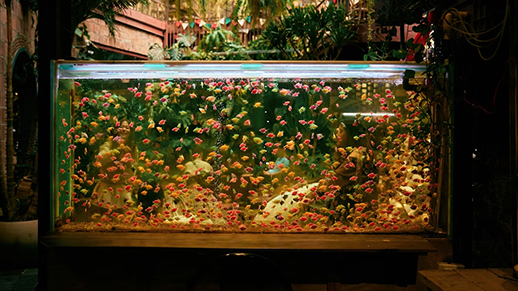
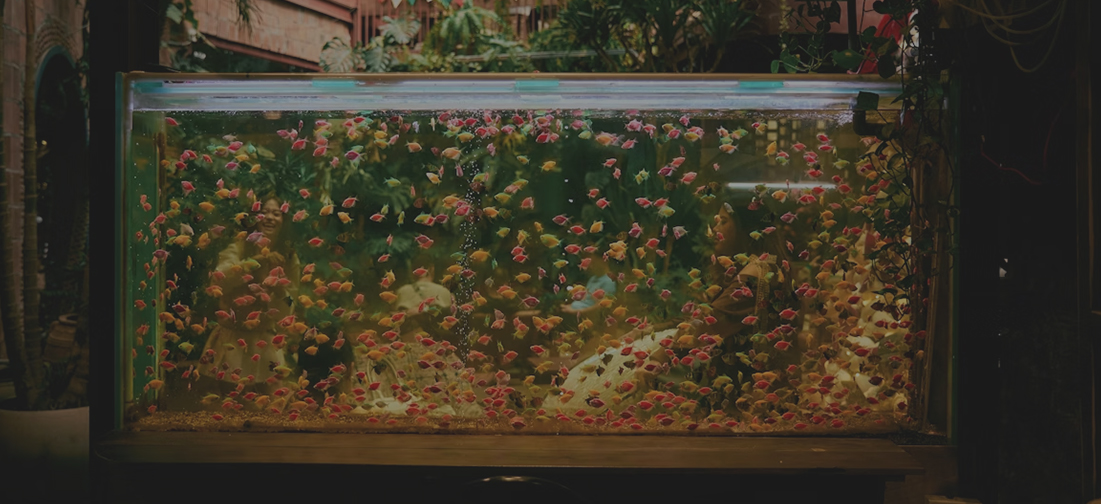
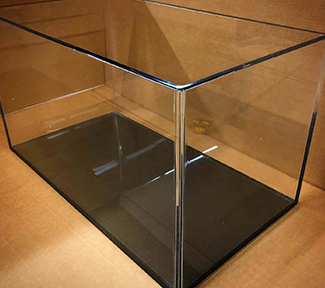
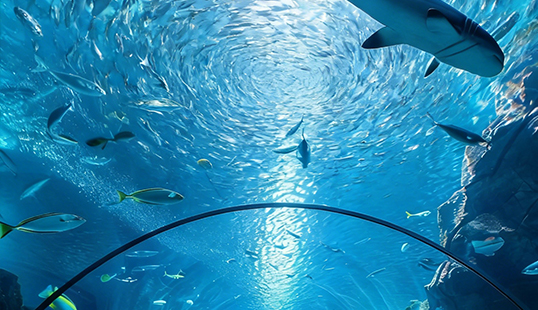
Aquariums and large fish tanks are widely used in commercial displays, public facilities, and high-end residential projects, where structural safety and sealing reliability are critical to both personal safety and property protection.
These applications operate under constant water pressure, continuous immersion, and glass load-bearing conditions, placing extremely high demands on sealant bonding strength, water resistance, and long-term stability.
Professional aquarium sealants must provide not only watertight sealing but also structural bonding to ensure long-term safety of glass assemblies.

Common Challenges / Pain Points
Continuous water pressure causes ordinary sealants to debond or fail
Permanent immersion requires exceptional water resistance
Large glass panels demand high bonding strength and structural integrity
Low-quality sealants may release harmful substances affecting aquatic life
Seal failure leads to difficult repairs and significant financial loss
Our Solution for This Application
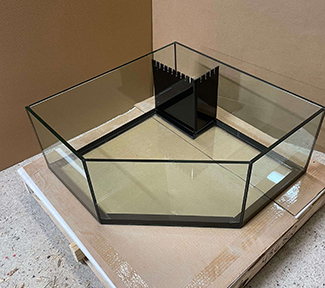
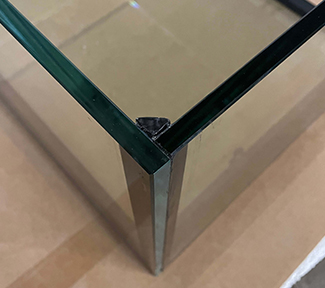
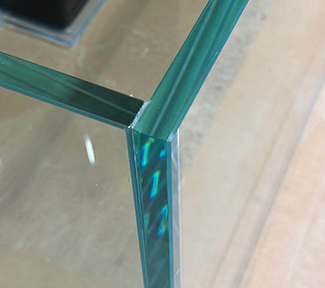
Seimeda aquarium silicone sealants are formulated with high-purity neutral silicone systems, specifically designed for long-term underwater and load-bearing glass applications.
The products offer excellent water resistance, long-term bonding stability, and low extractables, ensuring reliable structural support and sealing performance under continuous water pressure.
Seimeda formulations meet strict safety requirements for aquatic applications, making them suitable for commercial aquariums and premium custom fish tank projects.

Technical Requirements for This Application
Excellent long-term water and immersion resistance
High tensile strength with stable structural bonding capability
Low extractables, free from harmful substance release
Long-term reliable adhesion to glass substrates

Installation Tips / Application Guide
Ensure glass surfaces are clean, dry, and free of contaminants before application
Control joint thickness according to design requirements to ensure structural strength
Do not fill with water until the sealant is fully cured
Fill the tank gradually during initial use and monitor sealing performance
Frequently Asked Questions (FAQ)
Can ordinary silicone sealant be used for aquariums?
Not recommended. Ordinary silicone sealants may fail under long-term water immersion and structural load conditions, and may pose potential safety risks.
Will aquarium sealant affect aquatic life?
Professional aquarium sealants use low-leaching formulations and are safe for water and aquatic life once fully cured.
How long after curing can the aquarium be filled with water?
It is recommended to fill with water only after full curing (typically 48–72 hours, depending on joint thickness).