



WhatsApp: +86 178 6574 8088

E-mail: jackyalum@163.com
English


WhatsApp: +86 178 6574 8088
E-mail: jackyalum@163.com
Related Products
Application Overview
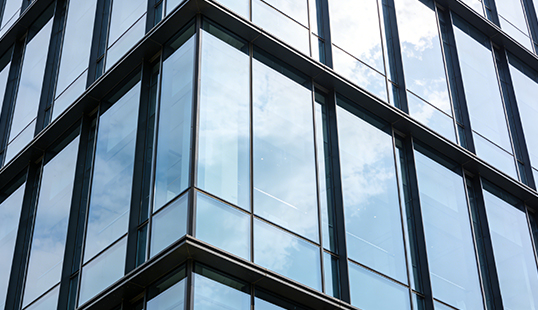
Curtain wall systems are widely used in high-rise buildings, commercial complexes, and public facilities, where sealing performance is critical to structural safety, waterproofing, and long-term durability.
Exposed to strong wind loads, frequent structural movement, and intense UV radiation, curtain wall joints must withstand temperature stress, vibration, and rainwater over extended periods. This places extremely high demands on sealant movement capability, weather resistance, and adhesion.
Selecting professional curtain wall sealants is essential to ensure structural integrity and long-term performance of curtain wall systems.


Common Challenges / Pain Points
High wind loads cause significant joint movement, leading to sealant failure
Long-term UV exposure accelerates aging, cracking, or chalking of sealants
Multi-substrate systems (glass, aluminum, steel) require strong and stable adhesion
Frequent temperature fluctuations cause stress cracking if elasticity is insufficient
Curtain wall seal failure results in high repair costs and serious safety risks


Our Solution for This Application
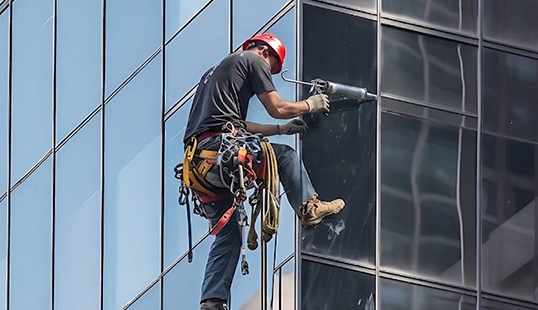
Seimeda curtain wall sealants are engineered for high-movement and high-weather-resistance applications, designed to accommodate structural deformation and harsh environmental conditions over long service periods.
Optimized formulations provide a balance of high elasticity, excellent UV resistance, aging resistance, and strong adhesion to multiple substrates, ensuring stable sealing performance throughout the curtain wall’s lifespan.
Seimeda also offers technical support and tailored product selection based on specific curtain wall system requirements.
Technical Requirements for This Application
Movement capability ≥ 25%
Excellent UV and weather resistance
High tensile strength with good elastic recovery
Reliable adhesion to glass, aluminum profiles, and coated metals
Installation Tips / Application Guide
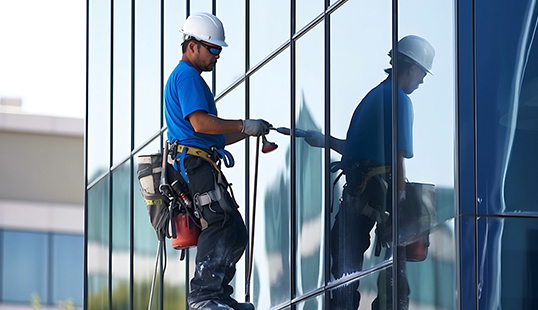
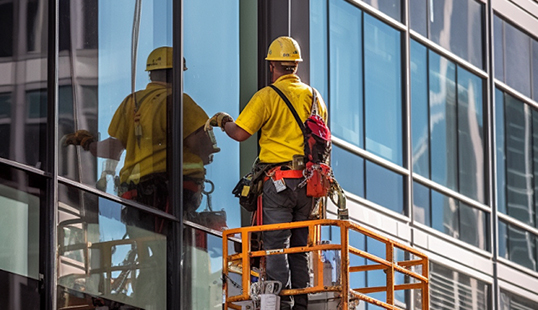
Thoroughly clean joint surfaces to remove oil, dust, and contaminants
Control joint width and depth according to design, using backing materials if required
Apply sealant within recommended temperature ranges to ensure proper curing
Avoid structural movement or rain exposure during the curing process