



WhatsApp: +86 178 6574 8088

E-mail: jackyalum@163.com
English


WhatsApp: +86 178 6574 8088
E-mail: jackyalum@163.com
Related Products
Application Overview
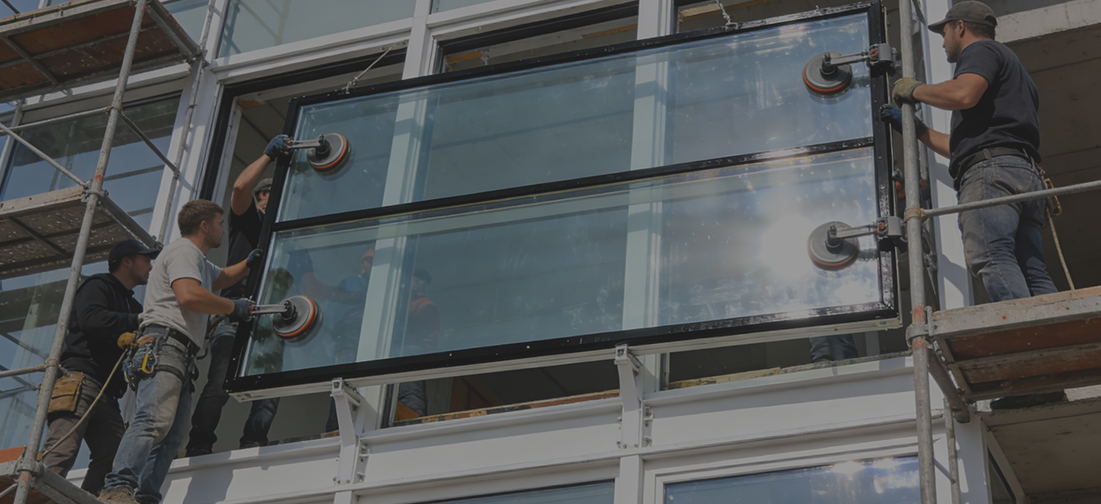
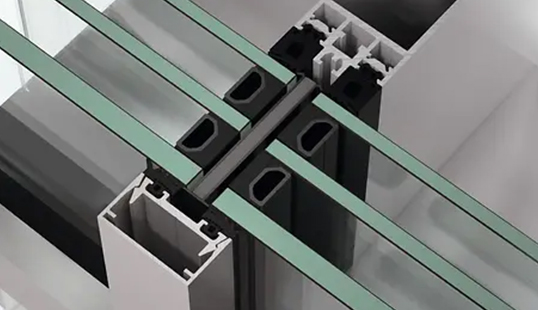
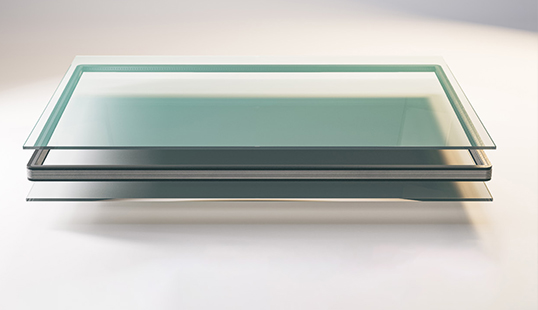
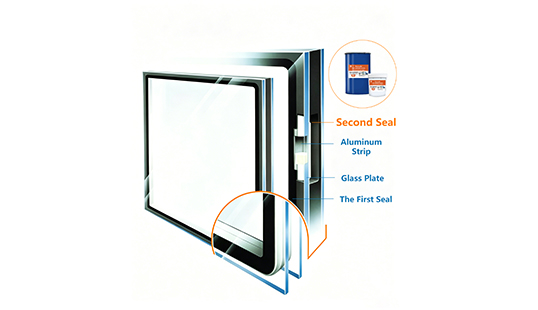
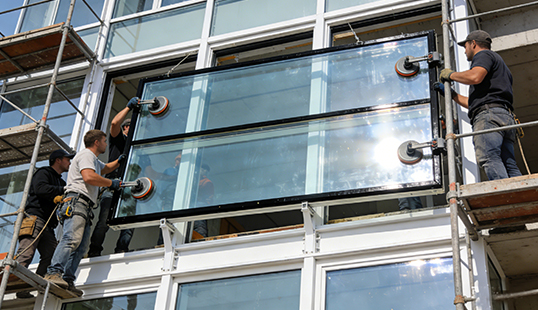
Insulating glass units (IGUs) are widely used in windows, curtain walls, and energy-efficient building systems. Their performance heavily depends on the long-term reliability of the sealing system. IGUs typically adopt a dual-seal structure, where the secondary sealant must provide durable moisture resistance and maintain adhesion under temperature changes, UV exposure, and structural stress. Seal failure may result in fogging, thermal insulation loss, or complete unit failure.

Common Challenges/Pain Points
Moisture vapor penetration causes fogging inside the glass unit
Sealants degrade or lose adhesion under long-term thermal cycling
Poor compatibility with butyl sealants compromises dual-seal integrity
High durability requirements, often exceeding 15–20 years of service life

Our Solution for This Application
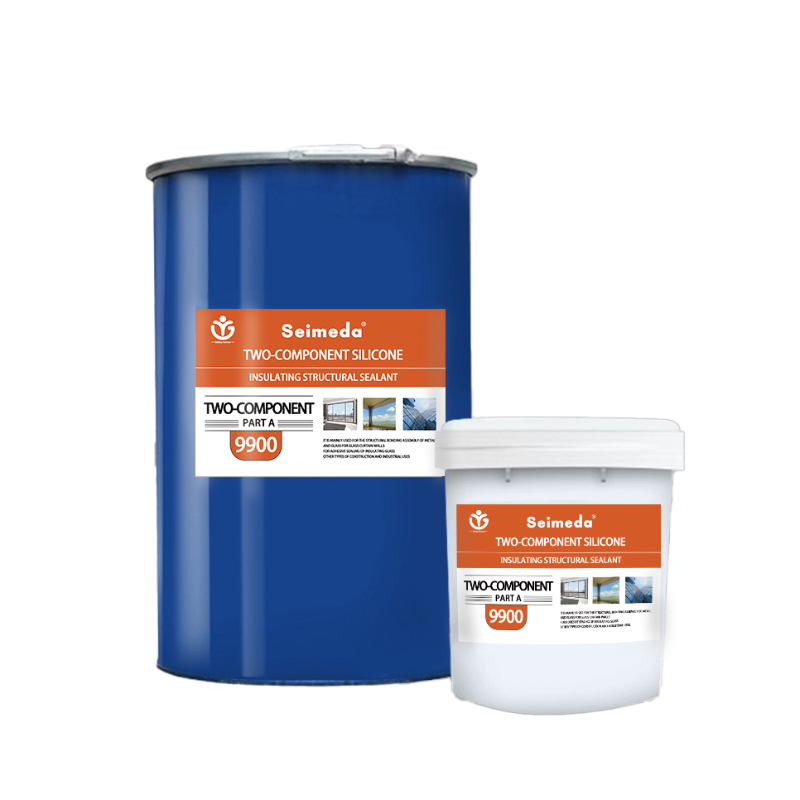
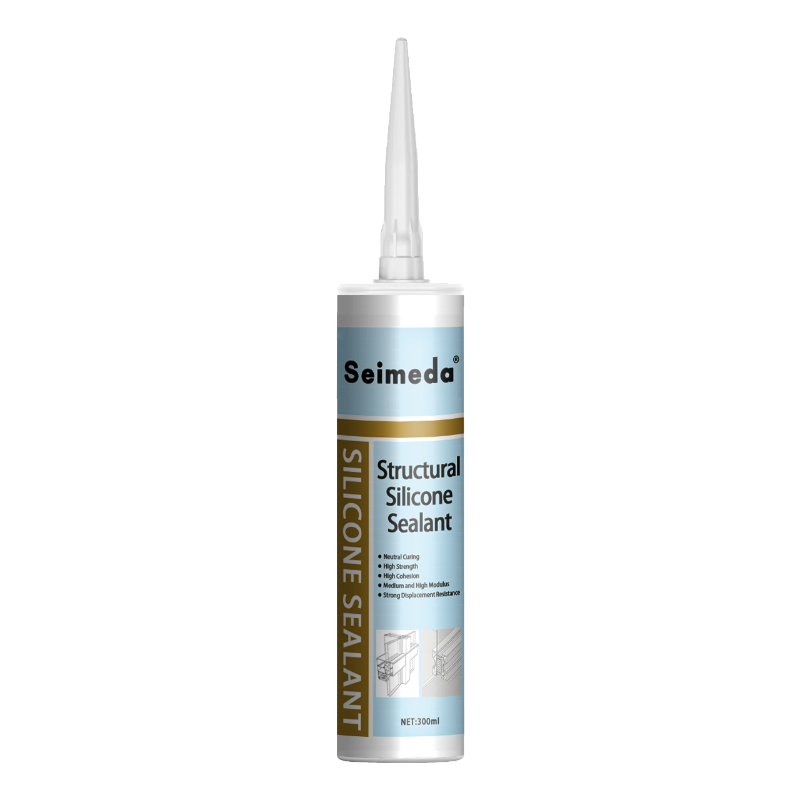
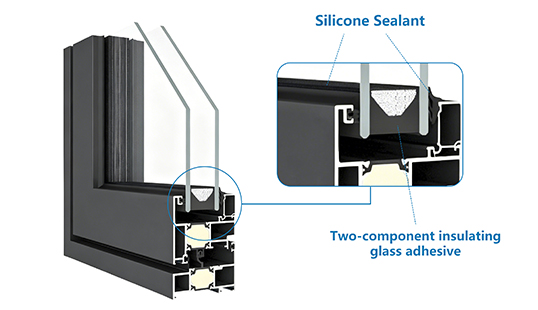
Seimeda offers dedicated secondary sealing solutions for insulating glass applications, focusing on low moisture permeability, aging resistance, and structural stability. By optimizing silicone crosslinking systems and formulation design, our sealants maintain low oil migration, prevent cracking and delamination, and ensure long-term durability. Customized formulations are available to suit different climates and IG production processes.
Technical Requirements for This Application
Low moisture permeability
Excellent aging resistance (validated by accelerated aging tests)
High compatibility with butyl primary sealants
Stable tensile strength and elasticity retention
Installation Tips / Application Guide
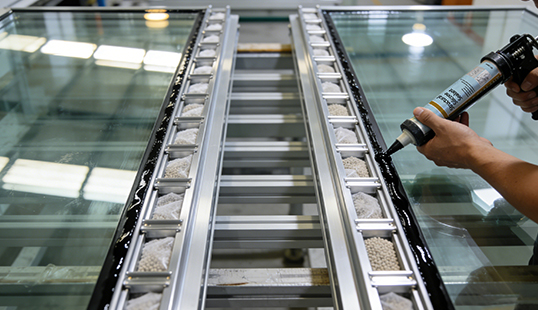
Ensure the primary butyl seal is fully formed before secondary sealing
Control ambient temperature and humidity to avoid condensation
Apply sealant evenly at the recommended thickness for continuous sealing
Frequently Asked Questions (FAQ)
How long does it take for the secondary sealant of insulating glass to fully cure?
Depending on the formulation and environmental conditions, full curing is typically achieved within 7–14 days.
Why does insulating glass develop fogging?
The main cause is moisture vapor penetration, usually related to seal system failure or an excessively high moisture vapor transmission rate.
Are different formulations required for different climate regions?
Yes. For high-temperature, high-humidity, or cold regions, it is recommended to use sealant formulations specifically optimized for those conditions.