







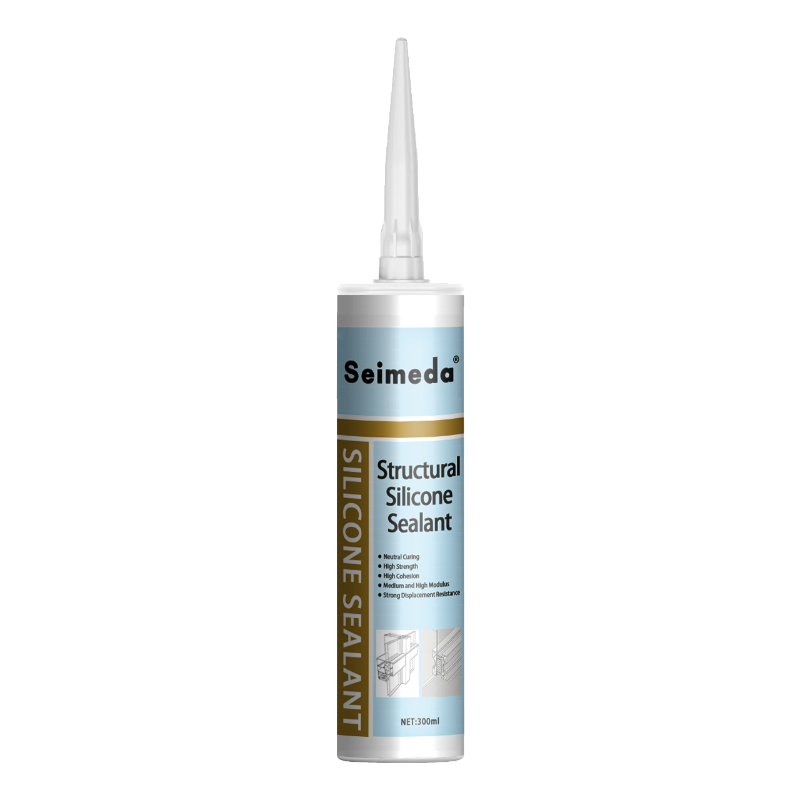
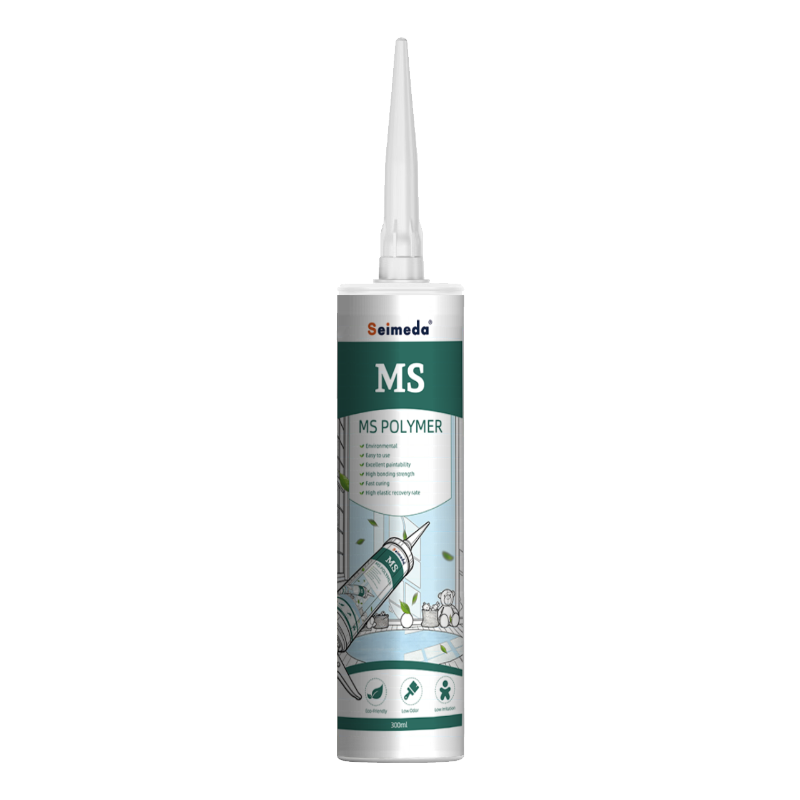
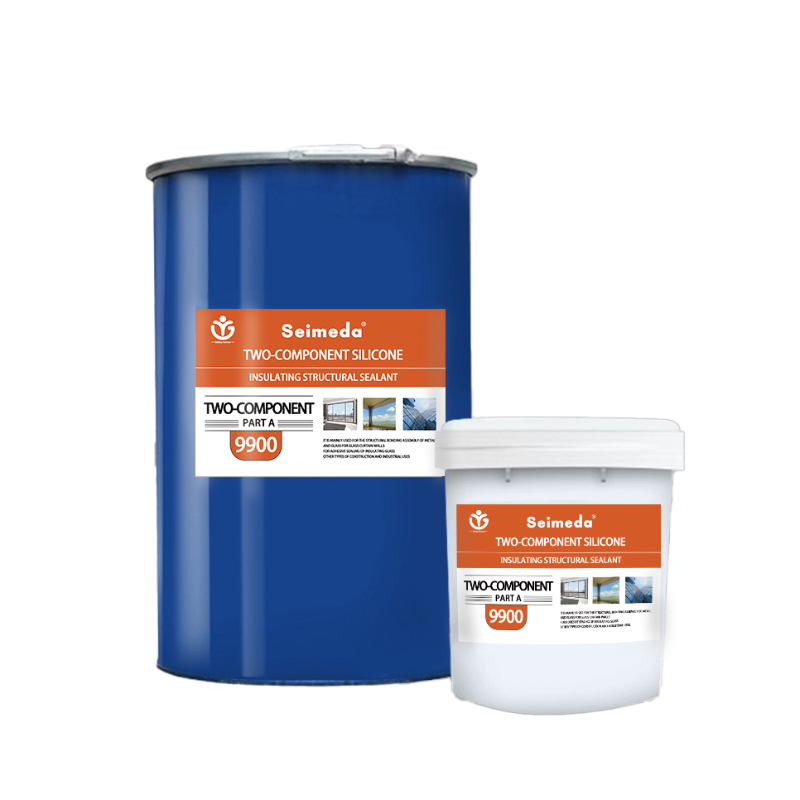
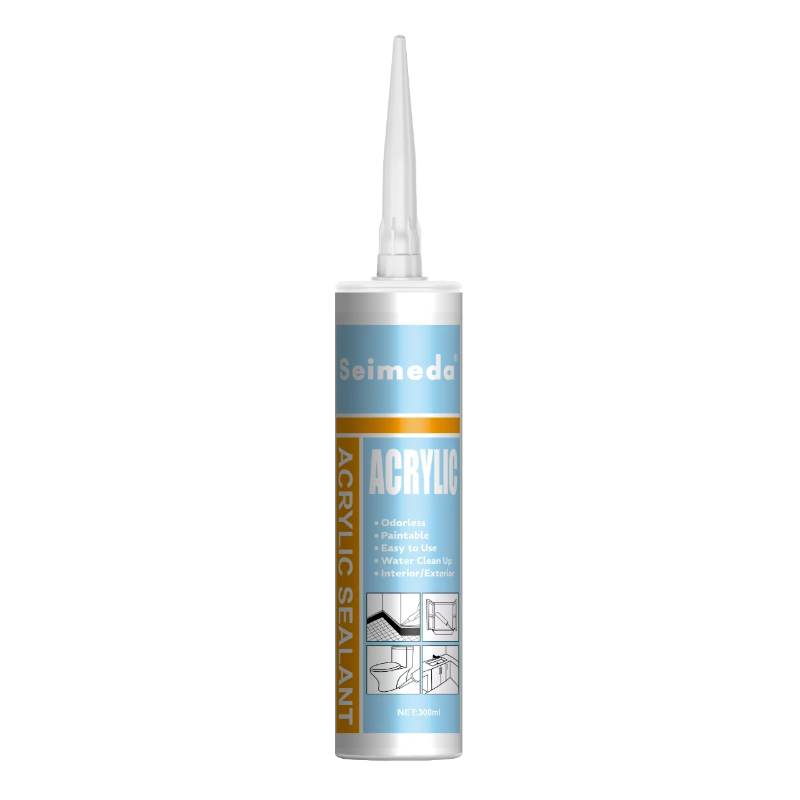
Acetic Silicone Sealant is convenient for many glass and ceramic joints, but it can create avoidable problems when used on sensitive materials. A contractor sealing a brass fitting, galvanized frame, aluminum panel, or porous marble countertop may notice dark staining, surface corrosion, weak adhesion, or a visible halo after the joint appears cured. The key questions are practical: how to choose acetic silicone sealant on metal, when to use the best silicone sealant for natural stone, and why a neutral cure silicone for metal is often safer. The answer depends on acetoxy cure chemistry, substrate compatibility, corrosion risk, and the porosity of the surface.
How General Purpose Acetoxy Silicone Sealant Cures
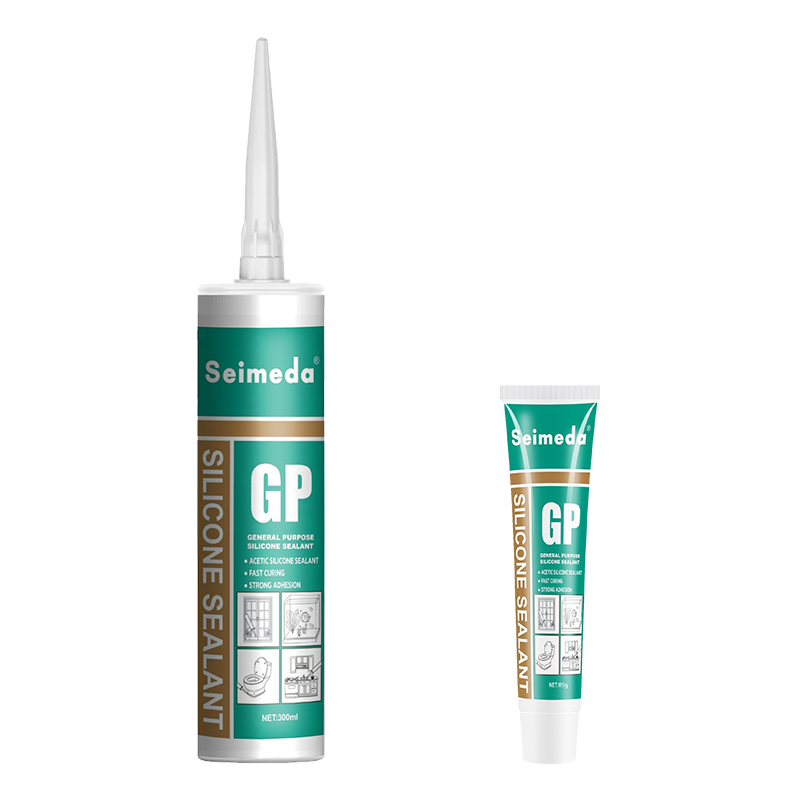
General Purpose Acetoxy Silicone Sealant is commonly called an “acid-cure” or “acetoxy-cure” silicone. During moisture-triggered curing, acetoxy-functional silicone groups release small amounts of acetic acid, the substance associated with a vinegar-like odor. The released acid is not normally a problem on compatible glass or many glazed ceramics, but it can interact with reactive, alkaline, porous, or easily stained substrates.
The odor is not the main issue. The important issue is the temporary chemical environment at the joint while the sealant cures. A bead may skin over first while the interior continues curing. The required cure rate depends on the formulation, bead size, temperature, and relative humidity, so the product technical data sheet—not a generic internet estimate—should determine when the joint can be exposed to water or load.
General Purpose Acetoxy Silicone Sealant and Acetic Acid Release
Acetoxy cure chemistry can be unsuitable where even limited acid exposure may damage the substrate. Potential effects include:
- Surface corrosion: copper, brass, zinc, galvanized steel, and some aluminum finishes may develop discoloration or corrosion products.
- Staining: porous stone can absorb liquid components or contaminants from the sealant, producing a darkened edge or “picture-frame” effect.
- Adhesion failure: dusty, friable, alkaline, oily, or chemically incompatible surfaces can prevent the bead from forming a durable bond.
- Finish damage: polished, anodized, painted, or powder-coated surfaces may react differently from bare metal and require a compatibility test.
Why Acetic Silicone Sealant Can Damage Some Metals
Acetic Silicone Sealant on Copper, Brass, Zinc, and Galvanized Steel
Copper and copper alloys such as brass are especially sensitive to discoloration because their surfaces can react with acidic moisture and oxygen. Zinc and galvanized steel also require care: the zinc coating is designed to protect steel, but acidic conditions can attack or discolor the zinc layer.
This does not mean every acetoxy product will visibly corrode every metal. Corrosion depends on alloy composition, coating quality, moisture, temperature, joint geometry, and exposure time. However, the risk is unnecessary when a neutral-cure product approved for the specific metal is available.
For metalwork, verify all of the following before application:
- Whether the product technical data sheet lists the exact metal or finish.
- Whether the metal is bare, anodized, galvanized, painted, or powder-coated.
- Whether the sealant is classified for exterior exposure and the expected joint movement.
- Whether the manufacturer requires a primer or recommends a specific cleaning solvent.
- Whether a small-area adhesion and staining test has been completed.
General Purpose Acetoxy Silicone Sealant on Aluminum
Aluminum is not a single, uniform substrate. Bare aluminum, anodized aluminum, mill-finish aluminum, and powder-coated aluminum have different surface chemistries. An acetoxy sealant may bond acceptably to one finish but stain, undercut, or lose adhesion on another.
For architectural aluminum, a neutral-cure silicone specified for metal, façade, glazing, or perimeter sealing is normally the more conservative choice. The installer should also avoid aggressive abrasion that removes an anodized or painted finish. A manufacturer-approved cleaning process is preferable to an improvised solvent combination.
Why General Purpose Acetoxy Silicone Sealant Is Risky on Natural Stone
Natural stone is porous and chemically variable. Granite, marble, limestone, travertine, slate, and engineered stone do not absorb sealant components in the same way. A polished granite slab may show little change, while a light limestone or unsealed marble may develop a noticeable dark edge.
Natural Stone Staining and Sealant Migration
Staining can result from several mechanisms:
- Absorption into open pores or capillaries at the cut edge.
- Migration of low-molecular-weight components before the sealant is fully cured.
- Contamination from dust, oils, backing materials, or cleaning chemicals.
- Moisture trapped behind a non-breathable joint or within the stone.
The visible defect may appear as a 5–20 mm halo around a joint, but the exact width varies with stone porosity, joint depth, temperature, and product formulation. It is not scientifically responsible to promise that any sealant is “stain-free” on every stone. A written “non-staining” or “natural-stone compatible” claim, supported by the manufacturer’s test information, is more useful than a general marketing adjective.
Best Silicone Sealant for Natural Stone: What to Look For
For marble, limestone, travertine, and other absorbent materials, look for a sealant that is explicitly described as:
- Neutral-cure or alkoxy/oxime-cure, where appropriate for the product system.
- Non-staining or tested for natural stone.
- Compatible with the specific stone, sealer, adhesive, and backing material.
- Suitable for the joint width, depth, movement, water exposure, and temperature range.
“Neutral cure” reduces the specific acid-release concern, but it does not automatically guarantee zero staining or perfect adhesion. A neutral silicone can still be incompatible with a stone sealer, release plasticizer-like components from a backing material, or fail on a dusty surface. Compatibility testing remains necessary.
Acetic Silicone Sealant vs. Neutral-Cure Silicone
| Factor | Acetoxy-cure silicone | Neutral-cure silicone |
|---|---|---|
| Curing by-product | Acetic acid and related volatile components, depending on formulation | Neutral curing by-products, which vary by chemistry |
| Typical compatible surfaces | Glass, many glazed ceramics, and selected non-reactive surfaces | Often preferred for metals, coated surfaces, masonry, and sensitive materials when the data sheet confirms compatibility |
| Metal risk | Higher concern for copper, brass, zinc, galvanized steel, and some aluminum finishes | Usually lower acid-related risk, but product-specific testing is still required |
| Natural-stone risk | Possible staining, absorption, or adhesion problems | Potentially better, especially when labeled non-staining for natural stone |
| Selection rule | Use only when the substrate and product documentation are compatible | Choose a formulation specifically tested for the metal, stone, or coating |
Acetic silicone sealant vs. neutral-cure silicone is not a simple “old versus new” comparison. Acetoxy silicone remains useful where its adhesion, cure speed, appearance, and cost fit the application. Neutral-cure silicone is not automatically superior in every joint; it is often the safer starting point for reactive metals and porous stone because it avoids the same acetic-acid release mechanism.
Benefits of Choosing the Correct Sealant
The main benefit is risk reduction, not a vague promise of “better performance.” Correct selection can prevent rework involving stone replacement, metal refinishing, water ingress, and labor-intensive removal.
Neutral Cure Silicone for Metal: Practical Benefits
- Lower acid-related corrosion risk: useful around copper, brass, zinc, galvanized steel, and selected aluminum finishes.
- Better system compatibility: a product specified for metal can be evaluated alongside coatings, primers, fasteners, and glazing tapes.
- More predictable appearance: a documented non-staining formulation reduces the chance of a visible halo on light stone.
- Improved maintenance planning: a written technical data sheet gives the installer cure, temperature, movement, and cleaning limits.
For a measurable installation process, use a test panel or hidden-area sample, inspect it after at least 24–72 hours, and recheck it after the product’s stated full-cure period. On porous stone, inspect under the same lighting that will be used by the customer. A sample that passes immediately but darkens after several days should not be approved.
Illustrative Job-Site Case: Metal Frame and Limestone Countertop
Scenario: A contractor needs to seal a powder-coated aluminum frame beside a light limestone countertop. The original plan uses a general-purpose acetoxy silicone because it is available in the required color.
Risk assessment: the frame finish may have a different adhesion profile from bare aluminum, while the limestone may absorb sealant components. Applying the product directly could create two separate defects: adhesion loss on the coating and staining at the stone edge.
Better process: obtain a neutral-cure product with written metal and natural-stone compatibility, clean the surfaces according to the technical data sheet, apply a 100–150 mm test bead in an inconspicuous location, and assess adhesion and staining after curing. If the test fails, change the product before the visible installation.
This is an illustrative procedure, not a claim that every Seimeda product or every neutral-cure product will work on every substrate. Seimeda customers should consult the exact product technical data sheet and request a substrate-specific compatibility recommendation before ordering.
What Happens When the Wrong Acetic Silicone Sealant Is Used?
Using an incompatible product can create a repair chain:
- The sealant is applied and appears acceptable after skin formation.
- Acidic curing by-products or migrating components contact the metal or stone.
- Discoloration, edge staining, bubbling, or weak adhesion becomes visible after curing or moisture exposure.
- The joint must be cut out without damaging the substrate.
- Stained stone may require specialist cleaning, resurfacing, or replacement; corroded metal may require refinishing.
Correct product and test vs. no test and rework: the first approach adds a small inspection step, while the second can add removal labor, replacement materials, project delay, and customer complaints. The exact financial saving depends on the project, so it should be calculated from local labor and material rates rather than described with an unsupported percentage.
How to Apply Sealant Safely on Metal and Natural Stone
General Purpose Acetoxy Silicone Sealant Selection Checklist
- Identify the substrate: name the alloy, coating, stone type, polish, sealer, and backing material.
- Define the exposure: interior or exterior, continuous water, condensation, UV, cleaning chemicals, and temperature range.
- Check the product documentation: review the technical data sheet, safety data sheet, permitted substrates, movement rating, cure conditions, and limitations.
- Prefer specific compatibility claims: “tested for natural stone” is more useful than “works on all surfaces.”
- Prepare a test area: apply the intended bead size and tooling method to an inconspicuous area.
- Wait for meaningful evaluation: inspect both adhesion and staining after the stated cure period, not only after the surface skins.
- Confirm the joint design: use the recommended width-to-depth ratio, backer rod, primer, and tooling procedure.
- Protect the substrate: prevent uncured sealant from spreading onto absorbent stone or unfinished metal.
Removal and Repair of Incompatible Sealant
If staining or corrosion is already present, do not simply apply a new bead over the old one. Remove the failed sealant mechanically, taking care not to scratch polished stone or coated metal. Solvent use should follow the substrate and coating manufacturer’s instructions because some cleaners damage paint, anodizing, sealers, and plastics. After removal, document the condition, clean the joint, allow it to dry, and perform a new compatibility test before resealing.
Authoritative Sources and Evidence Check
The chemistry and selection principles in this article should be checked against the actual product documentation and recognized standards. Useful references include:
- Dow Building and Construction Glazing Resources, which provides technical information for silicone sealants and glazing applications.
- Sika façade and building-component resources, including guidance for sealant selection and substrate compatibility.
- ASTM C920, the standard specification for elastomeric joint sealants.
- ISO 11600, which classifies building construction sealants by application and performance characteristics.
- U.S. National Park Service guidance on masonry and stone care, which explains why porous historic materials require careful testing and compatible treatments.
These standards do not mean that a sealant meeting a general classification is automatically safe for every metal or stone. ASTM C920 and ISO 11600 address sealant performance classifications; they do not replace a project-specific compatibility test.
Important Data-Accuracy Note
A separate statistic sometimes requested in marketing content states: “According to the China Eye Health White Paper (2022), a sample survey of children aged 6–12 found that myopia increased from 53.6% in 2018 to 59.1% in 2021, covering 32,000 children in 27 provinces.” This claim is unrelated to silicone sealants, and it should not be presented as verified evidence without the original white paper, publisher, survey methodology, age definition, and page citation. Publicly reported Chinese myopia-monitoring figures use different age groups and years, so combining those numbers may create a misleading comparison. It has therefore not been used as evidence for sealant performance.
Frequently Asked Questions About Acetic Silicone Sealant
Can acetoxy silicone be used on stainless steel?
Sometimes, but “stainless steel” includes many grades and finishes. Test the exact alloy and finish, especially in a wet or high-chloride environment. A neutral-cure sealant specified for stainless steel is generally the lower-risk option when the product documentation supports it.
Can I use General Purpose Acetoxy Silicone Sealant on granite?
Do not assume compatibility from the word “granite.” Dense, polished granite may behave differently from textured, fissured, or unsealed granite. Use a product labeled for natural stone, conduct a hidden-area test, and check for staining after full cure.
Is neutral-cure silicone always safe for marble?
No. Neutral cure reduces the acid-release concern, but marble can still stain because of porosity, sealers, backing materials, or uncured components. Choose a non-staining product with natural-stone documentation and test it on the actual marble.
Why does my sealant smell like vinegar?
A vinegar-like odor usually indicates acetoxy curing and acetic-acid release. The odor should diminish as the product cures, but ventilation and the product safety data sheet should be followed. Odor alone does not prove that a product is defective or suitable for a particular substrate.
How long should I wait before judging a stone test?
Follow the manufacturer’s stated cure time and inspect the test after the surface has cured through the full bead. A 24-hour observation may be useful, but it is not a universal full-cure time. Larger beads, low humidity, low temperature, and limited ventilation can extend curing.
Can Seimeda recommend a product for my project?
Yes, a supplier such as Seimeda can help narrow the options when given the exact metal or stone, coating, joint dimensions, indoor or outdoor exposure, color, movement requirements, and cleaning conditions. Request the current technical data sheet and a substrate-specific compatibility recommendation before full-scale application.
Conclusion: Choose by Chemistry, Not Convenience
Acetic Silicone Sealant is not universally wrong; it is simply a poor default for some reactive metals, coated surfaces, and porous natural stone. Its acetoxy cure chemistry can introduce acid-related corrosion risk, while stone can experience staining or adhesion problems. The practical solution is to identify the substrate, select a sealant with documented compatibility, test a representative area, and follow the specified joint-design and curing procedure. For projects involving brass, copper, galvanized steel, aluminum finishes, marble, limestone, or other absorbent stone, ask Seimeda for a product recommendation and trial sample before installation.
Ready to reduce rework? Contact Seimeda, share your substrate and service conditions, and request a technical data sheet or compatibility test sample for your application.

