








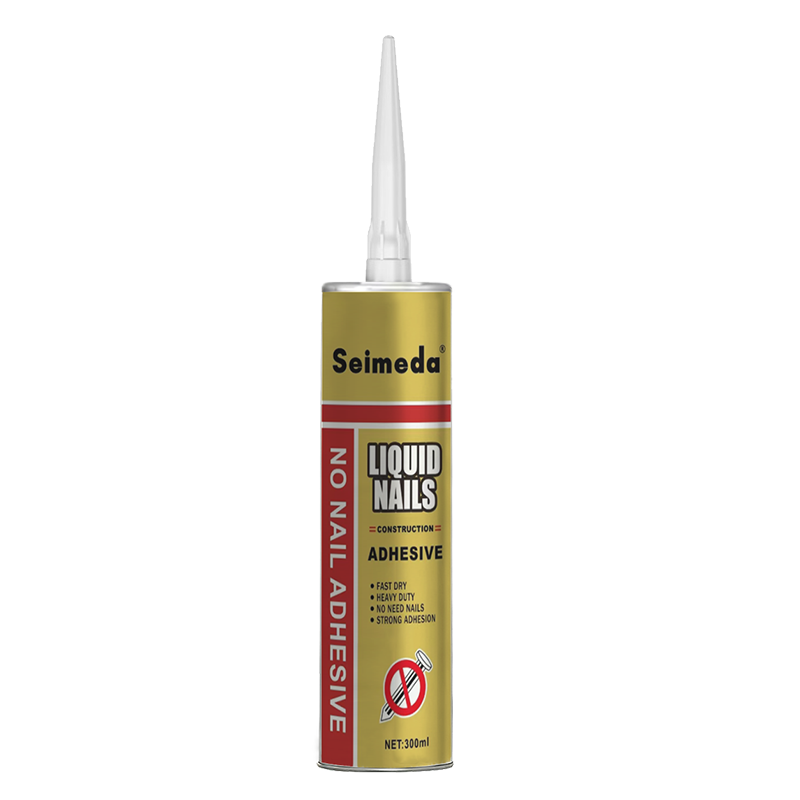
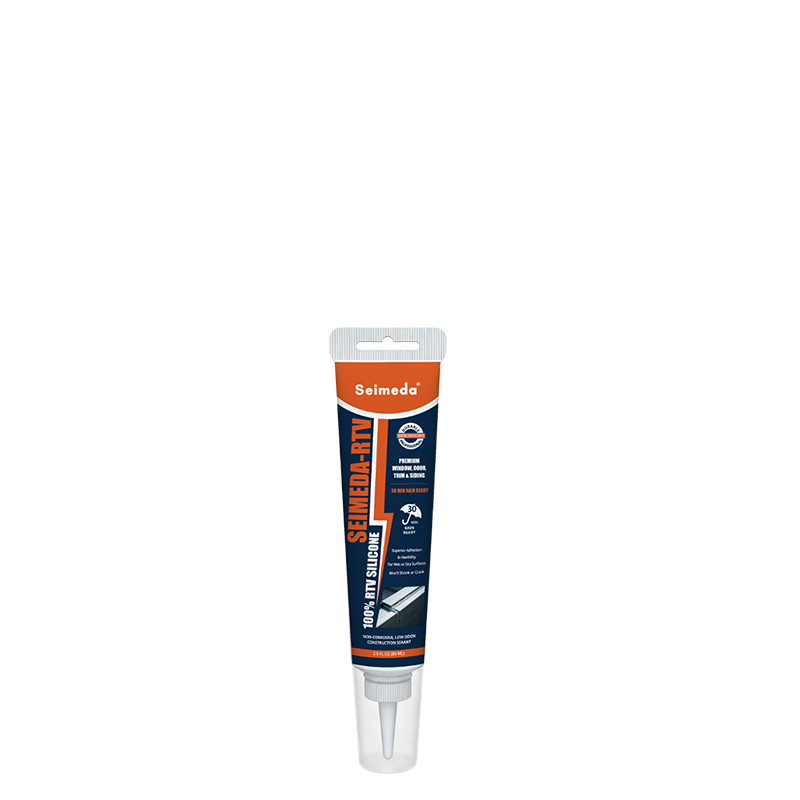
Leaks around window panes, uneven joints, yellowed sealant, and glass that shifts after installation are common glazing problems. General Purpose Acetoxy Silicone Sealant is often selected because it forms a flexible, water-resistant bond with common glass surfaces and cures at room temperature. For projects searching for a general purpose acetoxy silicone sealant for glass glazing, the key considerations are not simply price or appearance, but glass compatibility, joint movement, curing conditions, and the manufacturer’s tested performance. In technical terms, its acetic cure, modulus, and adhesion determine whether it is suitable for a particular glazing joint.
What Is General Purpose Acetoxy Silicone Sealant?
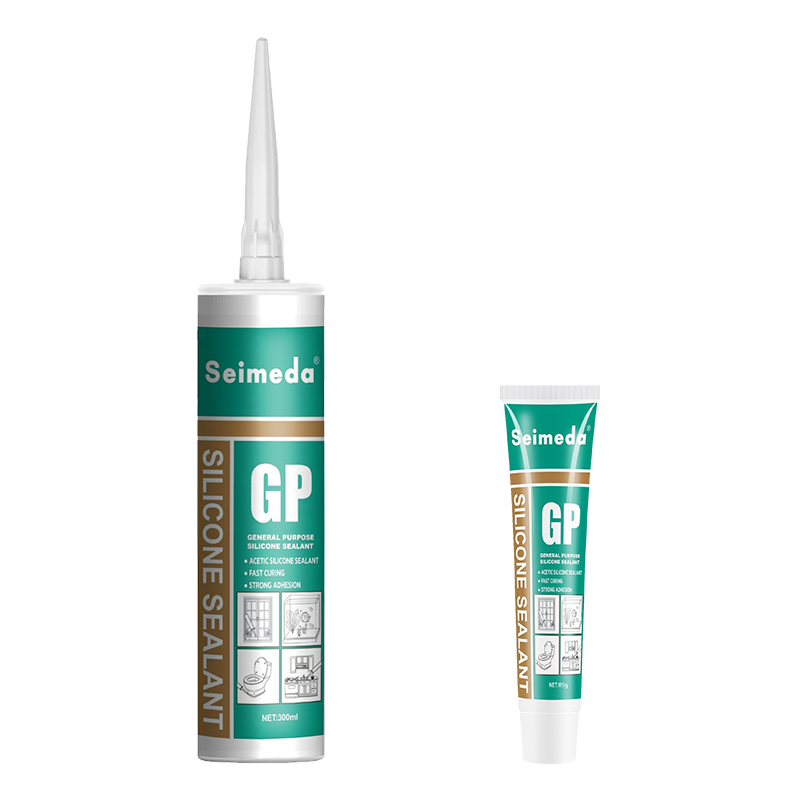
General Purpose Acetoxy Silicone Sealant is a one-component silicone sealant that cures when it reacts with moisture in the air. During curing, it releases a small amount of acetic acid, which produces the characteristic vinegar-like odor. The cured material normally becomes a flexible silicone rubber rather than a rigid adhesive.
For ordinary glass applications, this chemistry offers several practical benefits:
- Room-temperature curing: no oven or separate curing agent is normally required.
- Elasticity after curing: the sealant can accommodate limited expansion, contraction, and vibration better than a brittle rigid filler.
- Resistance to water and weather exposure: cured silicone is commonly used in joints exposed to humidity and outdoor conditions, provided the product has been tested for that service.
- Good adhesion to clean glass: glass is a relatively suitable substrate for many acetoxy silicone formulations.
- Low installation complexity: the product is supplied in a cartridge and applied with a standard caulking gun.
“General purpose” does not mean “suitable for every glazing system.” A standard acetoxy product may be appropriate for household glass, interior glazing, display cases, aquariums only when specifically approved, and some non-structural sealing joints. It should not automatically be used for structural glazing, insulated glass unit edge seals, fire-rated assemblies, curtain walls, or joints involving sensitive metals and porous stone.
Why Acetoxy Silicone Is Commonly Used for General Glass Glazing
General Purpose Acetoxy Silicone Sealant Provides Suitable Glass Adhesion
Clean, dry glass has a smooth silicate surface to which many acetoxy silicone sealants can bond without a separate primer. This simplifies installation compared with systems that require multiple components. However, adhesion depends on the exact glass coating, contamination level, sealant formulation, and joint design.
Low-e glass, painted glass, laminated glass, ceramic frit, and coated architectural glass may not behave like uncoated float glass. A responsible installer should perform a small adhesion test or follow the sealant manufacturer’s substrate recommendations before production work begins.
Acetoxy Silicone Cures at Room Temperature
Acetoxy silicone is a moisture-curing system. The exposed surface normally skins first, while the interior continues curing as moisture diffuses into the bead. The actual cure rate varies with temperature, relative humidity, bead depth, ventilation, and formulation.
For example, a technical data sheet may specify a skin-forming time of approximately 10–20 minutes and a curing rate of roughly 2–3 mm per 24 hours under a defined laboratory condition. These figures must not be treated as universal: a deep joint, cold room, low humidity, or restricted ventilation can extend the time substantially. Do not expose a fresh joint to water or movement until the manufacturer’s stated cure schedule has been met.
General Purpose Acetoxy Silicone Sealant Remains Flexible
Glass and framing materials can experience dimensional change as temperatures rise and fall. A cured silicone joint can tolerate limited movement because it remains elastomeric. The relevant specification is not a vague claim such as “highly flexible,” but the product’s tested movement capability, tensile properties, hardness, and modulus.
ASTM C920 classifies elastomeric joint sealants by properties such as movement capability, adhesion, weathering performance, and application type. ISO 11600 also provides classification methods for building construction sealants. A product marked only as “silicone sealant” should not be assumed to meet a specific movement class; check the technical data sheet and certificate for the exact product.
Acetoxy Silicone Offers Practical Water Resistance
After full cure, silicone rubber generally provides a continuous water-resistant barrier when the joint is correctly designed and applied. The result depends on bead continuity, substrate cleanliness, joint width-to-depth ratio, backer-rod installation, and edge adhesion.
A sealant cannot compensate for poor drainage, standing water, cracked framing, or a joint that is too shallow. In exterior glazing, water should be directed away through the designed drainage path rather than trapped behind the silicone bead.
General Purpose Acetoxy Silicone Sealant vs. Not Using a Dedicated Sealant
The difference becomes clearer when a glass joint is compared with an untreated or incorrectly filled joint:
| Installation approach | Typical risk or outcome | Why a suitable silicone sealant helps |
|---|---|---|
| No sealant | Open gaps allow air, dust, and water to pass through. | A continuous cured bead closes the designed gap and improves weather sealing. |
| Rigid cement or plaster filler | Rigid materials can crack when the frame and glass move differently. | Elastic silicone accommodates limited joint movement. |
| Unverified construction adhesive | The adhesive may lack weathering, glass adhesion, or movement data. | A glazing sealant should provide a technical data sheet and defined application limits. |
| Incorrectly applied silicone | Contamination, trapped air, weak edges, or insufficient cure can cause early failure. | Correct preparation and inspection create a continuous, bonded joint. |
The comparison is not “silicone versus nothing” alone. It is also “tested glazing sealant versus an unsuitable product.” A low-cost product without verified adhesion or movement data can create more maintenance work than its initial price suggests.
Where General Purpose Acetoxy Silicone Sealant Works Well
Common applications may include the following, subject to the product label and technical data sheet:
- Sealing fixed glass panels in interior frames.
- Sealing joints between glass and compatible aluminum or painted metal surfaces.
- Sealing bathroom mirrors or glass fixtures where the mirror backing and sealant are chemically compatible.
- Sealing display cabinets, interior partitions, and household window joints.
- Creating a weather-resistant seal around non-structural glass-to-frame connections.
For a best acetoxy silicone sealant for window glass comparison, evaluate adhesion test results, temperature range, movement capability, hardness, curing profile, packaging shelf life, color stability, and compliance claims rather than relying on a single marketing adjective.
When Acetoxy Silicone Should Not Be the First Choice
General Purpose Acetoxy Silicone Sealant and Sensitive Metals
The acetic acid released during cure can attack or stain certain sensitive metals, especially in confined or poorly ventilated conditions. Use caution with copper, brass, zinc, galvanized surfaces, and some electronic components. Neutral-cure silicone is often considered when corrosion sensitivity is a concern, but the correct choice must be confirmed through compatibility testing.
Porous Stone and Cement-Based Substrates
Natural stone, concrete, mortar, and some porous tiles can absorb ingredients from a sealant or develop staining at the joint edge. A product specifically tested for natural stone or porous substrates is safer than assuming that any clear silicone is suitable.
Structural and High-Consequence Glazing
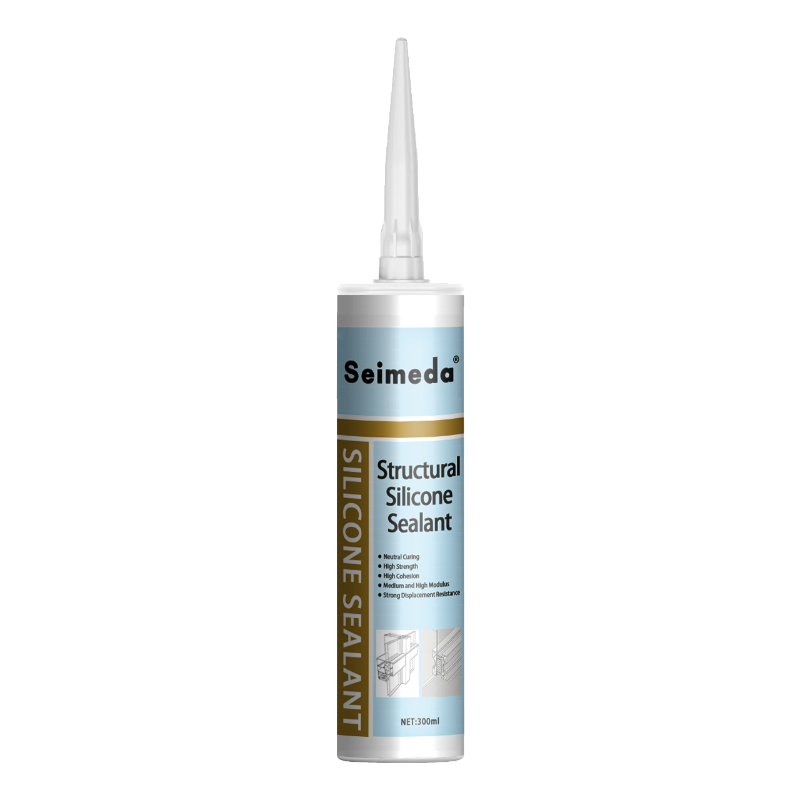
Standard general-purpose sealant should not be substituted for a structural glazing silicone, insulated-glass secondary seal, fire-rated sealant, or façade product. These applications require documented design calculations, compatibility testing, batch control, and project-specific approvals. Follow the architect’s specification and the sealant manufacturer’s written instructions.
How to Apply Acetoxy Silicone Sealant to Glass
Following a controlled process reduces the most common causes of sealant failure.
1. Inspect the Joint
Confirm that the joint is large enough for the intended bead and that the glass is properly supported. Remove old sealant completely where possible. Do not use silicone to hide cracked glass, unstable frames, or missing mechanical supports.
2. Clean the Glass and Frame
Remove dust, oil, grease, release agents, and loose particles. Use a cleaning solvent recommended by the manufacturer and allow the surface to dry fully. Apply solvent to a clean, lint-free cloth rather than repeatedly spreading contaminated residue across the glass.
3. Mask the Edges
Apply painter’s tape to create a clean joint line. Masking is particularly useful for transparent or colored sealant, where excess material is highly visible.
4. Apply a Continuous Bead
Cut the nozzle at an angle and select an opening slightly smaller than the joint width. Apply steady pressure while moving the gun at a consistent speed. Avoid stopping in the middle of a visible joint because a discontinuity can become a leak path.
5. Tool the Sealant
Tool the bead before skin formation, using the method recommended by the manufacturer. A smooth, concave or correctly shaped joint reduces voids and improves contact with the joint sides. Do not use a solvent or soapy solution unless the product instructions permit it, because additives can affect adhesion or leave a weak interface.
6. Allow Full Cure
Remove masking tape before the sealant skins over, then protect the joint from water, dust, vibration, and contact until it has cured. Record the installation temperature and date for commercial projects. If a bead is deep, increase the curing allowance according to the technical data sheet rather than judging readiness from the surface alone.
Installers researching how to apply acetoxy silicone sealant to glass should also check the product’s shelf life and storage temperature. An expired or improperly stored cartridge may extrude normally while still delivering reduced adhesion or inconsistent curing.
Product Selection Checklist for Seimeda or Any Supplier
Before selecting a Seimeda product or another supplier’s sealant, request the current technical data sheet and safety data sheet. Check the following points:
- Substrate compatibility: confirm suitability for the exact glass, coating, frame finish, and backing material.
- Curing chemistry: verify whether the product is acetoxy-cure or neutral-cure and whether the released by-products are acceptable for the application.
- Movement capability: look for a stated value or classification instead of an unsupported “flexible” claim.
- Application temperature: follow the specified minimum and maximum installation temperatures.
- Service temperature: compare the published range with the expected indoor or outdoor conditions.
- Weathering and UV performance: ensure that outdoor exposure is included in the product’s intended use and testing.
- Cure and skin time: use the stated laboratory conditions as a reference, not a guarantee for every site.
- Color and staining: test clear, white, black, or tinted versions on the actual substrate.
- Standards and certificates: verify any claims related to ASTM C920, ISO 11600, or local building requirements.
- Packaging and traceability: inspect the batch number, expiry date, storage condition, and unopened-cartridge integrity.
Evidence and Standards Behind Glass Glazing Decisions
Technical decisions should be based on primary documentation. ASTM International publishes ASTM C920, a widely referenced specification for elastomeric joint sealants. The International Organization for Standardization publishes ISO 11600, which classifies building construction sealants by relevant performance characteristics. The American Architectural Manufacturers Association and façade-industry specifications may also apply to particular window and curtain-wall systems.
Manufacturer data remains essential because two acetoxy products can have different adhesion, hardness, tensile strength, modulus, cure speed, and permitted substrates. A standard number describes a test method or classification; it does not automatically prove that every product is suitable for every glass assembly.
Fact-Checking an Unrelated Eye-Health Statistic
The statement that a “China Eye Health White Paper (2022)” survey of children aged 6–12 covered 32,000 children in 27 provinces and found myopia increasing from 53.6% in 2018 to 59.1% in 2021 is not directly relevant to silicone-glazing performance. More importantly, the exact source, sampling method, population definition, and original publication should be checked before presenting those figures as an authoritative national statistic. It should not be used as evidence for sealant selection, and this article does not present the claim as a verified glazing fact. For health statistics, consult the original report or a publication from an identifiable public-health authority rather than repeating an unattributed percentage.
Frequently Asked Questions About General Purpose Acetoxy Silicone Sealant
Can acetoxy silicone be used on all glass?
No. It may adhere well to ordinary clean glass, but coated, laminated, painted, ceramic-fritted, or chemically treated glass can require separate compatibility testing. Always follow the product’s substrate list.
Is acetoxy silicone suitable for exterior windows?
Some formulations are suitable for exterior weather sealing, but “acetoxy” alone does not prove outdoor durability. Confirm the product’s UV, temperature, weathering, and movement data, and ensure that the window system has proper drainage.
Why does acetoxy silicone smell like vinegar?
Acetoxy silicone releases acetic acid during moisture curing, producing a vinegar-like odor. Provide ventilation and follow the safety data sheet, especially in enclosed rooms.
Can acetoxy silicone be used on aluminum frames?
It can be compatible with some aluminum finishes, but compatibility depends on the alloy, coating, oxidation, and sealant formulation. Test the actual frame finish before large-scale installation. Neutral-cure silicone may be preferable for some sensitive or coated metals.
How long does glass silicone take to cure?
There is no single universal time. Many technical data sheets provide a skin time measured in minutes and a cure rate measured in millimeters per 24 hours under specified conditions. Temperature, humidity, ventilation, and bead depth can change the result. Use the manufacturer’s published schedule and allow additional time for deep joints.
Is acetoxy silicone a structural adhesive for glass?
Not automatically. General-purpose sealant is normally intended for non-structural sealing unless the manufacturer provides specific structural approvals and the project design satisfies the applicable standard. Never use a general-purpose cartridge as a substitute for an engineered structural glazing system.
Conclusion: Choosing the Right Glass Glazing Sealant
General Purpose Acetoxy Silicone Sealant remains common in ordinary glass glazing because it combines room-temperature curing, practical adhesion to clean glass, elastic movement accommodation, and water-resistant sealing in a one-component cartridge. Its value is greatest when the joint is non-structural, the substrates are compatible, the bead is correctly designed, and the published performance data matches the site conditions.
The safest purchase decision is evidence-based: compare the technical data sheet, test adhesion on the actual materials, confirm cure conditions, and avoid using a general-purpose product where structural, fire-rated, insulated-glass, or sensitive-metal requirements apply. Contact Seimeda to review the appropriate product documentation, request a compatibility assessment, or arrange a trial application before committing to a larger glass-glazing project.

