



WhatsApp: +86 178 6574 8088

E-mail: jackyalum@163.com
English


WhatsApp: +86 178 6574 8088
E-mail: jackyalum@163.com
Related Products
Date: 18 Aug, 2026
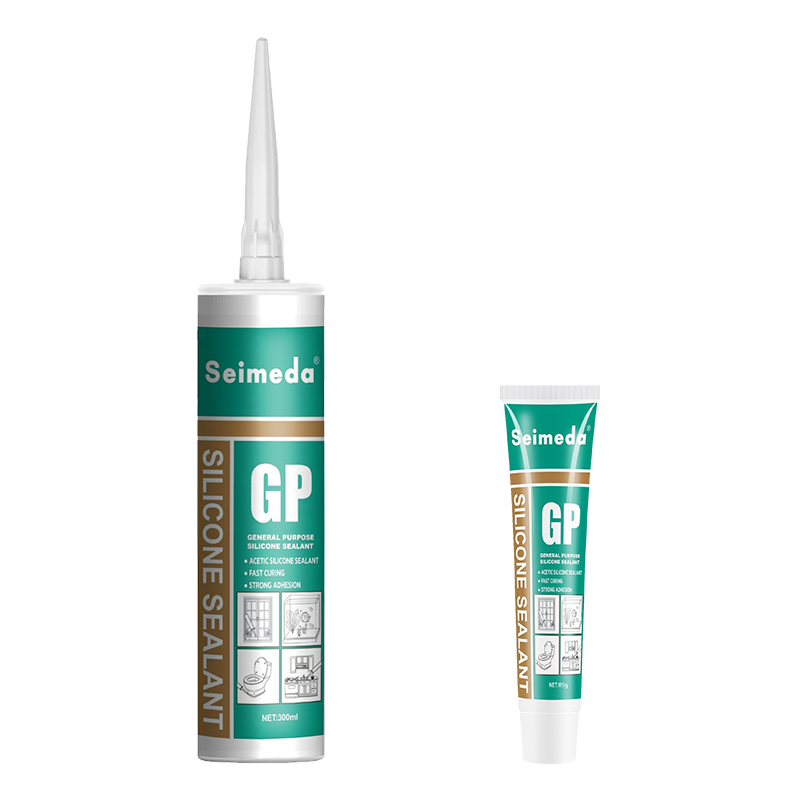
When water enters a bathroom joint, a window edge starts to leak, or a ceramic sink separates from the wall, the problem is often a failed seal rather than a damaged building material. General Purpose Acetoxy Silicone Sealant offers a simple way to create a flexible, water-resistant seal on many non-porous surfaces. It is commonly used for glass, ceramic, aluminum, and sanitary fittings. For homeowners and installers looking for GP acetic silicone sealant for bathroom joints, the key is knowing where it works, how to apply it, and when another sealant is safer.
GP acetic silicone sealant is often used around glass, ceramic, sinks, basins, and other non-porous joints.
General purpose acetoxy silicone sealant is a one-component, room-temperature-curing sealant. It cures when it reacts with moisture in the air. During curing, it releases a small amount of acetic acid, which creates the familiar vinegar-like smell.
The term can be understood in three parts:
Unlike cement-based grout, cured silicone does not become rigid. This flexibility helps it handle small changes caused by temperature, vibration, and building movement.
A typical product may be supplied in a 280–310 ml cartridge and applied with a standard caulking gun. Exact curing speed, hardness, movement capability, and service temperature depend on the product’s technical data sheet.
Acetoxy silicone cures through a moisture-assisted chemical reaction. The outside skin forms first, while the inner material continues curing toward the center.
Many general-purpose silicone products show the following common performance pattern:
These are industry-typical ranges, not guaranteed values for every brand. Low humidity, cold weather, a deep joint, or poor ventilation can slow curing.
The sealant should not be exposed to water movement or heavy load before it has cured. A surface may feel dry while the center remains soft.
General purpose acetoxy silicone sealant is best suited to clean, non-porous surfaces. Common applications include the following.
It can seal small gaps around glass panels, window frames, display cases, and interior glazing details. The joint must be designed correctly, and the sealant must not be used as a substitute for a mechanical glazing system.
For exterior windows, confirm that the product is rated for:
Structural glazing requires a specially tested structural silicone, not a standard GP acetoxy product.
Bathrooms commonly use acetoxy silicone around:
It helps stop water from entering narrow gaps. However, silicone should not be used to correct a loose fitting, damaged pipe, or poorly supported bathtub.
For acetoxy silicone sealant for glass and ceramic, the surfaces should be dry, clean, and free from soap film before application.
Acetoxy silicone often bonds well to anodized aluminum, painted metal, stainless steel, and other compatible non-porous surfaces. Always perform a small adhesion test first because coatings and surface treatments can change bonding performance.
It may be unsuitable for:
A neutral-cure silicone is usually a safer choice for sensitive metals.
The sealant may be used for small interior joints around:
For food-contact areas, use only a product specifically approved for that purpose. “General purpose” does not automatically mean food safe.
The value of a sealant is not only its appearance. A correctly applied bead can reduce water entry, air leakage, dirt accumulation, and movement-related cracking.
Silicone remains elastic after curing. This is useful where two materials expand at different rates. For example, aluminum and ceramic can respond differently to heat. A flexible seal can accommodate limited movement better than a rigid filler.
The actual movement capability may be listed as ±20%, ±25%, or another value under a standard such as ASTM C920 or ISO 11600. Do not assume all GP products have the same movement rating.
Cured silicone forms a continuous barrier around many bathroom and glazing joints. It is especially useful in areas exposed to splashes and intermittent moisture.
It is not a waterproofing membrane for walls or floors. If water is entering behind a shower wall, the building’s waterproofing system must be inspected.
Silicone generally offers strong resistance to sunlight, ozone, and temperature changes compared with many basic organic sealants. The exact performance depends on the formulation and exposure conditions.
Product data should be reviewed for:
The cartridge is ready to use and does not require mixing. This reduces preparation time and lowers the chance of incorrect component ratios.
The trade-off is that the sealant depends on air moisture to cure. Very deep joints may cure slowly, and sealed areas with no access to moisture can remain uncured.
Choosing the wrong sealant can cause adhesion failure, staining, corrosion, or an unsafe joint. Avoid standard acetoxy silicone in the following situations unless the manufacturer confirms compatibility.
Marble, limestone, granite, and other porous stones may absorb staining or suffer from edge discoloration. Use a stone-safe, non-staining sealant tested for the specific material.
Acetoxy silicone usually performs best on non-porous surfaces. Concrete, mortar, and brick are porous and may need a primer or a different sealant chemistry.
A neutral-cure or hybrid sealant may offer better compatibility, but the manufacturer’s instructions remain decisive.
The acidic curing reaction may affect certain metals. If corrosion is possible, select a neutral-cure silicone and carry out a compatibility test.
Some plastics have low surface energy or may be stressed by solvents and sealant ingredients. Adhesion can be weak even when the bead looks acceptable at first.
Test the exact plastic before starting the full job.
Do not use GP acetoxy silicone for:
A sealant must have the required certification for any regulated or safety-critical use.
Correct preparation often has a greater effect on service life than the brand name alone.
Cut away old silicone with a sharp scraper or utility knife. Remove loose grout, dirt, mold, paint flakes, and adhesive residue.
New silicone generally does not bond reliably to cured silicone. The old bead must be removed as completely as practical.
Use a clean, lint-free cloth and a suitable cleaner recommended for the surface. Remove:
Do not leave cleaning chemicals trapped in the joint.
The joint should normally be dry before application. Moisture can reduce adhesion and slow curing.
In a bathroom, allow the area to dry fully. A fan can improve airflow, but strong heat should not be used unless the product instructions allow it.
Apply masking tape along both sides of the joint. This helps create a clean line and reduces cleanup.
Cut the nozzle at an angle of approximately 45 degrees. The opening should be slightly narrower than the joint width so the bead can be controlled.
Push the gun steadily while maintaining contact with the joint. Avoid stopping and restarting because gaps can allow water and air to pass through.
For wide or deep joints, use a compatible backer rod. Do not fill a deep joint with silicone alone unless the product specifically allows it.
Tool the bead shortly after application using a suitable smoothing tool. A smooth, slightly concave surface reduces places where water and dirt can collect.
Avoid adding excessive soapy water unless the technical data sheet permits it. Some liquids can weaken adhesion at the joint edges.
Remove masking tape while the sealant is still wet. Pull it away slowly to avoid lifting the bead.
Keep the joint free from water, dust, movement, and contact until cured. The product data sheet should state the expected skin time and cure rate.
A 3 mm bead may cure much faster than a 10 mm bead. Temperature and humidity also affect the result.
Before buying, compare the following technical information.
Check whether the sealant is approved for glass, ceramic, aluminum, painted surfaces, plastics, or other materials in the project.
A joint exposed to temperature changes may need a product with a stated movement rating. ASTM C920 classifies elastomeric joint sealants by properties such as movement capability and exposure performance.
Choose:
Bathroom products may contain fungicides or other additives to slow mold growth. These additives do not replace cleaning and ventilation.
Common colors include clear, white, black, gray, and aluminum. Clear silicone can still appear cloudy on porous or uneven surfaces.
Look for relevant information such as:
A product should be selected according to the joint’s actual conditions, not only its marketing label.
Likely causes:
Solution: Remove the failed material, clean and dry the joint, test adhesion, and reapply according to the product instructions.
Likely causes:
Solution: Improve airflow and temperature within the permitted range. If the sealant remains soft beyond the stated cure period, remove it and contact the supplier.
Mildew-resistant silicone can slow mold growth, but it cannot prevent contamination caused by constant moisture, soap deposits, or poor ventilation.
Solution:
Cracking may result from:
Inspect the joint instead of simply applying a second layer over the crack.
Uneven tooling, an inconsistent application speed, or an incorrectly cut nozzle can create a poor finish. Masking tape and a steady application speed usually improve the result.
Read the product label and safety data sheet before use.
During acetoxy curing:
The vinegar-like odor normally decreases as the product cures, but strong odor in a small, enclosed space is a reason to improve ventilation.
| Sealant type | Main strength | Common limitation | Typical uses |
|---|---|---|---|
| Acetoxy silicone | Strong adhesion to many non-porous materials and good flexibility | May be unsuitable for sensitive metals, stone, and some plastics | Glass, ceramic, bathroom joints |
| Neutral-cure silicone | Better compatibility with many metals, stone, and plastics | May cost more or cure differently | Exterior joints, stone, metal, plastic |
| Acrylic sealant | Easy to paint and clean | Lower water and movement resistance | Interior trim and low-moisture gaps |
| Polyurethane sealant | Strong adhesion and movement performance | Surface preparation and weathering behavior vary | Construction and exterior joints |
| Hybrid polymer sealant | Broad substrate compatibility and flexible performance | Product properties vary significantly | General construction and repair |
The best choice depends on the substrate, joint movement, water exposure, temperature, and required certification.
After full curing, it is generally water-resistant and suitable for many splash zones. It is not a substitute for a complete waterproofing system, and it should not be placed under permanent water immersion unless the product is specifically approved.
Yes, it is commonly used on glazed ceramic and porcelain tiles. Clean and dry the surfaces first, and confirm that the product is suitable for the tile glaze and nearby materials.
Bonding to wood can be inconsistent because wood is porous, dusty, and affected by moisture. A product designed for porous substrates may be more suitable.
Most cured silicone sealants are difficult or impossible to paint successfully. If painting is required, choose a paintable acrylic, polyurethane, or hybrid sealant approved for that purpose.
Many products need at least 24 hours for a small bead, but larger joints may need several days. Follow the manufacturer’s stated cure time rather than relying only on the surface appearance.
Do not use standard general-purpose silicone unless the product is specifically labeled and tested for aquarium construction. Aquarium joints require a suitable formulation and controlled application process.
Usually, no. New silicone has poor adhesion to cured silicone. Remove the old bead as completely as possible before applying the replacement.
GP acetic silicone releases acetic acid during curing and often bonds well to glass and ceramic. Neutral-cure silicone releases different by-products and is generally more suitable for sensitive metals, stone, concrete, and some plastics. The technical data sheet should confirm the actual compatibility.
General purpose acetoxy silicone sealant is a practical option for many glass, ceramic, aluminum, and bathroom sealing jobs. Its performance depends on correct surface preparation, suitable joint design, controlled application, and enough curing time. It should not be selected for structural glazing, sensitive stone, permanent immersion, or regulated fire-rated work without specific certification.
Before beginning, read the product technical data sheet and safety instructions. Check the substrate, measure the joint, test a small area, and allow the sealant to cure fully. If you want to compare product options or arrange a trial, explore Seimeda solutions and look for a product matched to your surface and application. This approach helps you choose the right general purpose acetoxy silicone sealant for glass, ceramic, and bathroom repairs rather than relying on the “general purpose” label alone.