







Bulk purchasing can reduce the unit cost of acetoxy silicone sealant, but the wrong specification may create adhesion failures, corrosion complaints, expired inventory, or expensive rework. Before selecting a bulk acetoxy silicone sealant supplier, buyers should verify whether the product is a General Purpose Acetoxy Silicone Sealant for glass and ceramic, review its RTV silicone curing system, and compare measurable properties such as tensile strength, tack-free time, and movement capability. These checks are particularly important for distributors, window and door fabricators, sanitaryware installers, construction-material wholesalers, and manufacturers purchasing wholesale silicone sealant cartridges.
Current Market Trends in General Purpose Acetoxy Silicone Sealant
The silicone sealant market is moving toward lower waste packaging, clearer compliance documentation, more consistent color matching, and dependable supply for large construction and industrial projects. Buyers are also asking for technical data rather than relying on phrases such as “high quality” or “strong adhesion.” A professional purchasing review now normally includes the curing chemistry, substrate compatibility, batch traceability, shelf life, logistics temperature limits, and independent test reports.
Acetoxy silicone remains popular because it is a one-component, moisture-curing material that is ready to use without mixing. During cure, it releases acetic acid, producing the familiar vinegar-like odor. This chemistry generally provides good adhesion to nonporous surfaces such as glass, glazed ceramic, and some anodized aluminum. However, it is not automatically suitable for concrete, marble, limestone, galvanized metals, copper, electronic assemblies, or continuously immersed joints.
For a technical explanation of silicone sealant chemistry and performance terminology, buyers can consult the Dow Building and Construction Sealants resource, the Momentive Building and Construction materials information, and the ASTM C920 standard page. These sources help purchasers distinguish a general-purpose product from a sealant tested for a specific performance class.
Quick Recommendation List for Bulk Acetoxy Silicone Sealant
-
Dow DOWSIL™ 786 Silicone Sealant — best for buyers seeking a widely documented general-purpose option
Dow’s 786 range is commonly considered for glazing, sanitary, and general maintenance applications where glass, ceramic, and other nonporous surfaces are involved. Buyers should confirm the exact regional formulation, color, packaging, and current technical data sheet before ordering. It is usually better suited to professional distributors and contractors than to occasional household users.
-
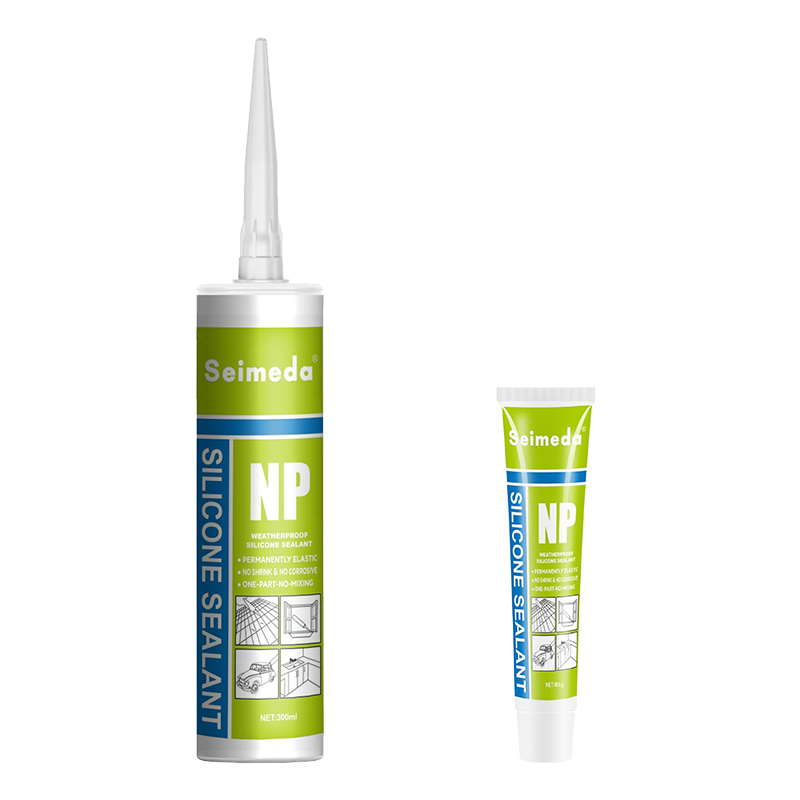
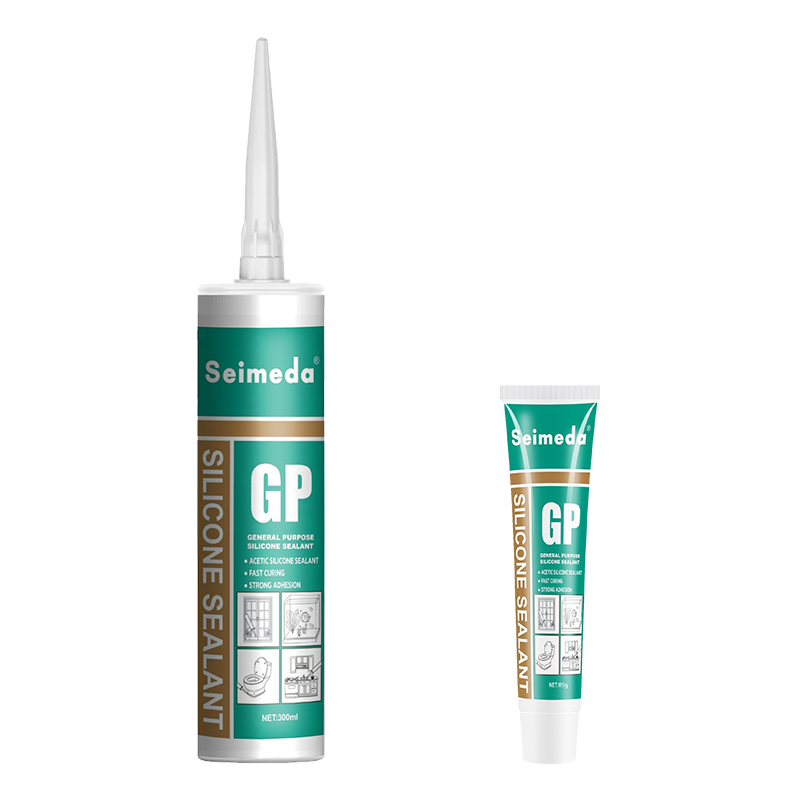
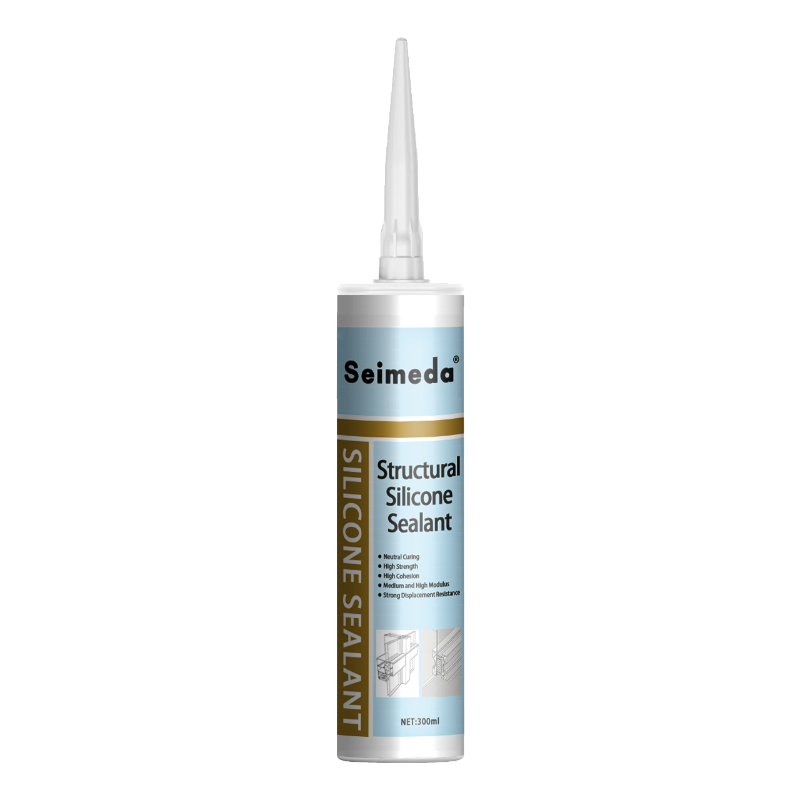
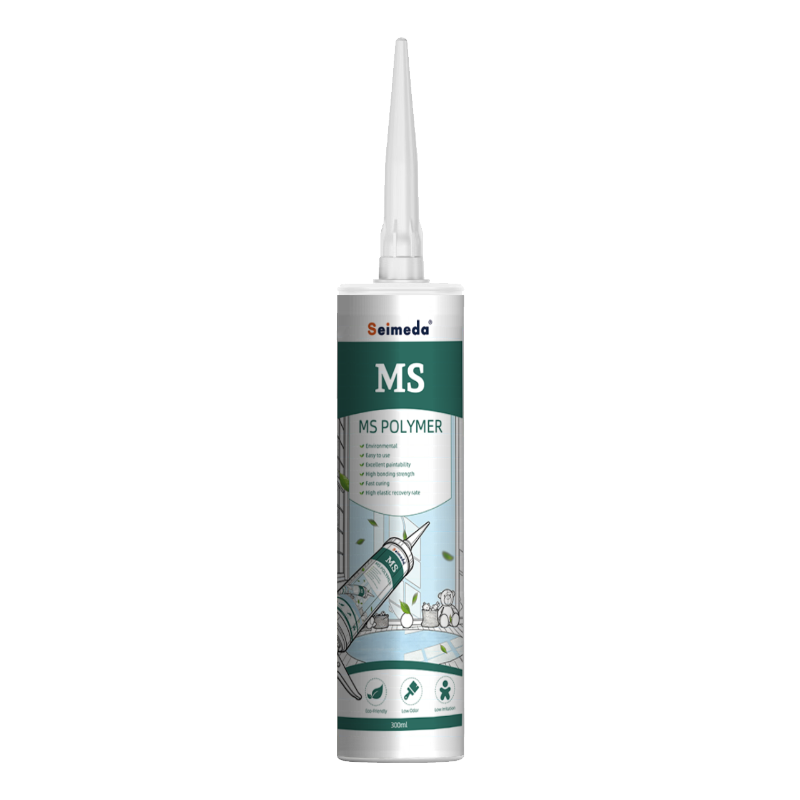
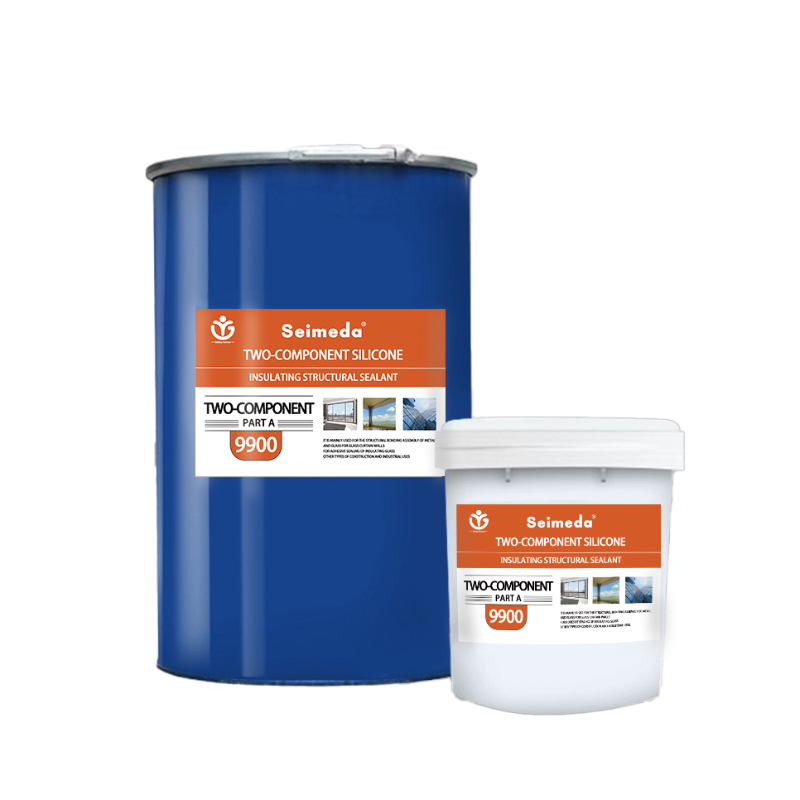
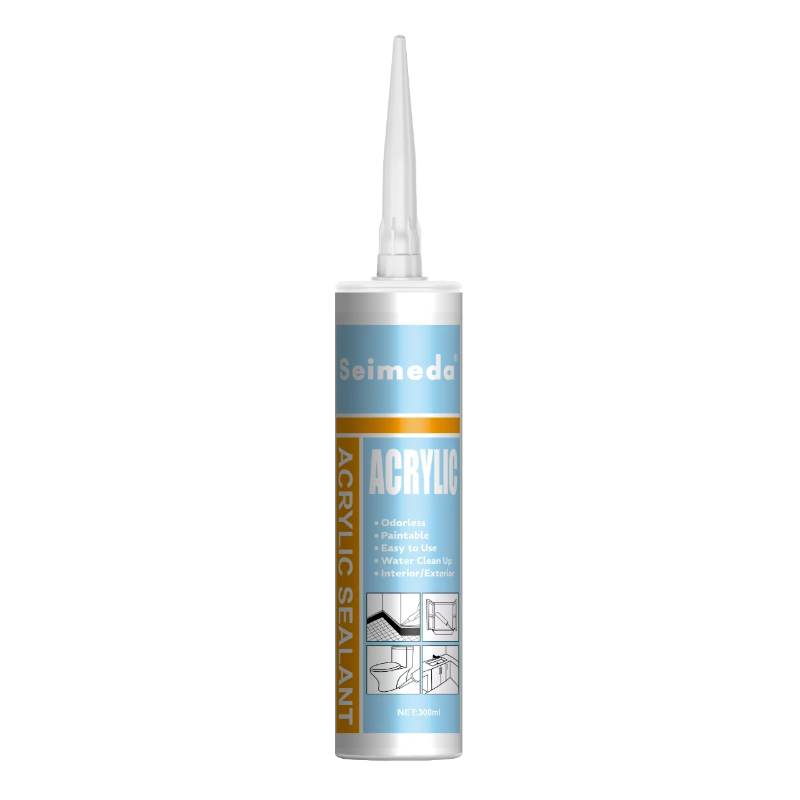
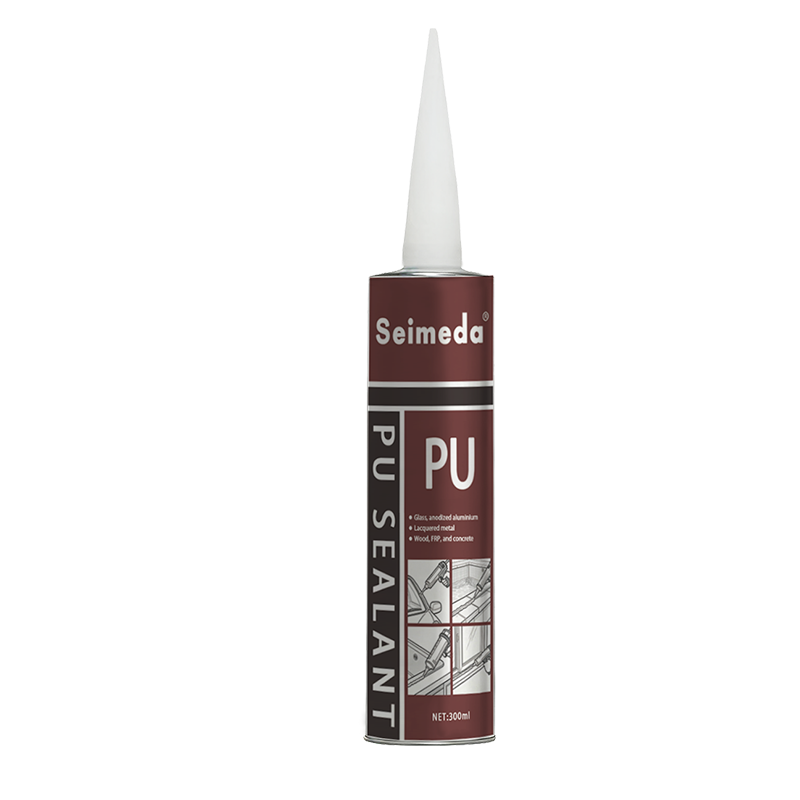
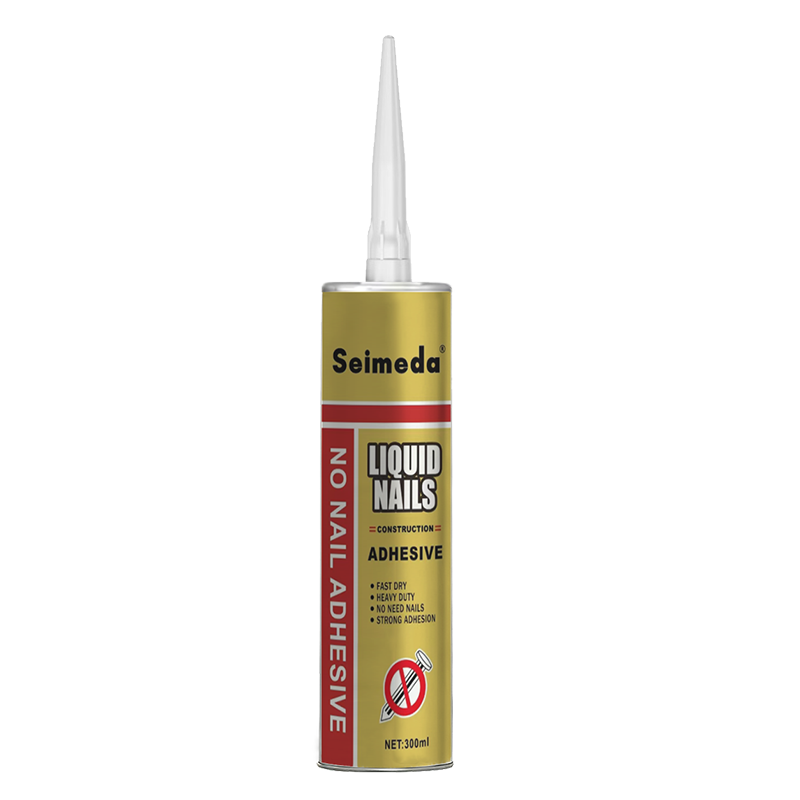
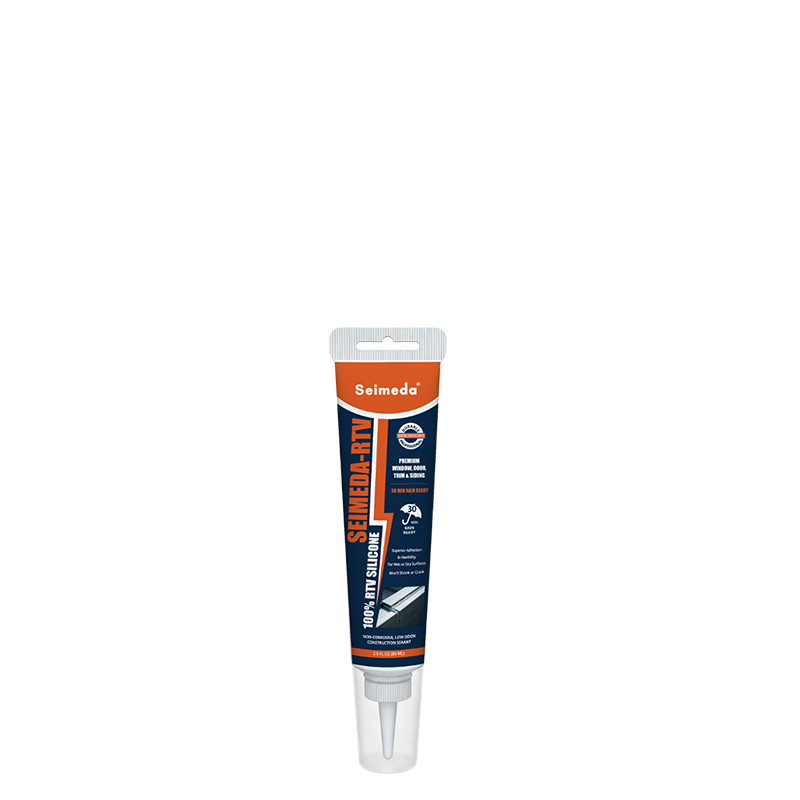
Seimeda General Purpose Acetoxy Silicone Sealant — best for OEM, distributor, and private-label bulk programs
Seimeda is worth comparing when the buyer needs factory-direct communication, cartridge or sausage packaging choices, custom colors, private labeling, and shipment planning around a defined specification. The key advantage is not a generic claim of superior quality; it is the opportunity to align viscosity, curing speed, packaging, carton quantity, and documentation with the buyer’s application. Ask Seimeda for a current TDS, SDS, COA, sample batch, and compatibility test before signing a large purchase order.
-
Sikasil® C or comparable Sika acetoxy sealant — best for buyers who prioritize established construction distribution
Sika products are often convenient for contractors who already use the company’s distribution network and installation guidance. Availability, price, and exact performance vary by country, so buyers should verify whether the selected product is an acetoxy or neutral-cure formulation and whether it matches the intended substrate.
-
Local private-label acetoxy silicone — best for highly price-sensitive, low-risk applications
A local manufacturer may offer shorter delivery times and lower freight costs. This option can work for simple glass or ceramic maintenance jobs, but the buyer should not remove laboratory checks merely because the product is inexpensive. Batch variation, incomplete SDS documentation, weak packaging, and short remaining shelf life are common risks in poorly controlled supply chains.
Product-by-Product Evaluation: General Purpose Acetoxy Silicone Sealant Options
Dow DOWSIL™ 786 General Purpose Acetoxy Silicone Sealant
Advantages: This type of product is typically selected for sanitary sealing, glazing, and household or commercial maintenance on compatible nonporous substrates. The principal benefit is the availability of manufacturer documentation and an established product identity. Verify the published data for cure rate, application temperature, hardness, adhesion, and movement capability instead of transferring figures from another Dow formulation.
Indicative price: Approximately US$2.50–US$6.50 per 300–310 ml cartridge at distributor or project quantities, with regional taxes, freight, color, and order volume affecting the final price. This is a market-oriented planning range, not a quotation.
Suitable buyers: Regional distributors, glazing contractors, sanitaryware installers, maintenance departments, and purchasers who need a recognizable brand with accessible technical support.
Representative customer scenario: A bathroom-fixture distributor may choose this category when its customers repeatedly seal glazed ceramic and glass joints and need consistent retail packaging. Before buying a pallet, the distributor should test adhesion after seven days of cure and inspect the seal after exposure to cleaning chemicals.
Seimeda General Purpose Acetoxy Silicone Sealant for Bulk and Private Label
Advantages: Seimeda can be a practical candidate for buyers who need a direct factory discussion about color, label design, cartridge dimensions, carton configuration, MOQ, and production scheduling. The purchasing advantage becomes meaningful when the buyer has a repeatable specification and can consolidate several shipments. A factory comparison should include extrusion consistency, nozzle fit, curing behavior, color stability, and batch-to-batch COA results.
Indicative price: Approximately US$0.80–US$3.00 per 280–300 ml cartridge for large OEM or export quantities, depending on formulation, packaging, color, Incoterms, order volume, and destination. Confirm the current quotation directly with Seimeda because raw-material costs, freight, and packaging prices change.
Suitable buyers: Importers, hardware wholesalers, building-material brands, online retailers, window and door suppliers, and companies seeking private-label general purpose acetoxy silicone sealant for glass and ceramic.
Representative customer scenario: A regional hardware brand may begin with laboratory samples and a pilot shipment, then approve a larger order after comparing extrusion force, skin formation, adhesion, color, and seven-day cure performance against its existing product. This staged approach reduces the risk of filling a warehouse with an unsuitable formulation.
Sikasil® C and Comparable Acetoxy-Cure Products
Advantages: Products distributed through established construction channels may offer convenient local availability, installer familiarity, and application literature. They can be appropriate for routine sealing of compatible glass, ceramic, and sanitary joints. However, the name “silicone” does not guarantee identical chemistry across a product family; check the technical data sheet for the exact grade.
Indicative price: Approximately US$3.00–US$8.00 per cartridge through professional distribution. Retail pricing can be substantially higher than container-level or distributor pricing.
Suitable buyers: Contractors who need local replenishment, project teams that already use Sika systems, and distributors that value brand recognition over private-label flexibility.
Low-Cost Local Private-Label Acetoxy Silicone
Advantages: Local supply can shorten lead times and reduce ocean freight. Some factories also support small color runs or flexible packaging quantities.
Indicative price: Approximately US$0.70–US$2.50 per cartridge in large quantities, although exceptionally low prices may indicate reduced filler control, weaker packaging, incomplete testing, or shorter shelf life.
Suitable buyers: Distributors serving low-risk, nonstructural maintenance applications, provided that the material passes an incoming-quality inspection and the supplier provides reliable batch documentation.
What to Check Before Buying Acetoxy Silicone Sealant in Bulk
1. Confirm the Substrate and Joint Application
Begin with the actual materials, not the product name. Acetoxy-cure silicone is commonly considered for glass, glazed ceramic, aluminum, and some painted surfaces. It may be unsuitable for alkaline concrete, natural stone, porous masonry, copper, zinc, galvanized steel, certain plastics, and surfaces exposed to continuous water immersion.
Ask the supplier for a written compatibility recommendation for:
- Glass, mirrors, glazed ceramic, and sanitaryware
- Aluminum, painted metal, stainless steel, or galvanized steel
- PVC, acrylic, polycarbonate, ABS, and other plastics
- Concrete, brick, marble, granite, limestone, and other porous substrates
- Surfaces exposed to detergents, ultraviolet radiation, humidity, or temperature cycling
For natural stone, electronics, sensitive metals, and porous construction materials, a neutral-cure silicone or a specialized hybrid sealant may be a safer choice. Never treat an acetoxy product as a universal sealant merely because it is described as “general purpose.”
2. Review the Technical Data Sheet and Test Method
A credible TDS should show measurable values and test conditions. Important items include density, extrusion rate, tack-free time, cure depth, hardness, tensile strength, elongation, modulus, application temperature, service temperature, and movement capability.
Do not compare numbers unless the test methods are comparable. ASTM C920, for example, classifies elastomeric joint sealants by properties and uses; it does not mean every product described as silicone automatically meets every class. The ASTM C920 reference should be checked alongside the supplier’s declaration and test report.
| Property | Why it matters in bulk purchasing | What to request |
|---|---|---|
| Tack-free time | Determines how long dust, water, or accidental contact can affect the surface | Value at a stated temperature and relative humidity |
| Cure depth and rate | Shows whether thick joints will cure within the project schedule | Millimeters per 24 hours and test conditions |
| Tensile strength and elongation | Helps compare resistance to stretching and rupture | Test standard, specimen geometry, and numerical results |
| Movement capability | Indicates suitability for joints that expand and contract | Declared movement class or manufacturer limitation |
| Hardness | Reflects cured surface firmness and handling behavior | Shore A value and test method |
3. Understand Acetic Acid Release and Corrosion Risk
Acetoxy silicone releases acetic acid while curing. The odor normally decreases as the material cures, but the released acid can attack sensitive metals or affect enclosed equipment. For this reason, an acetoxy sealant should not be selected for electronic assemblies, copper contacts, some mirror backings, or corrosion-sensitive components without a compatibility test.
If odor, corrosion, or enclosed-space emissions are concerns, compare a neutral-cure silicone. The higher purchase price of a neutral-cure product may be less than the cost of replacing corroded parts or failed finishes.
4. Verify Adhesion Through a Realistic Sample Test
Request samples from the same production formula and packaging format proposed for the bulk order. Clean the substrate using the actual site procedure, apply the sealant at the intended joint size, and allow the stated cure period. Then inspect for cohesive failure, adhesive failure, bubbling, edge lifting, staining, and surface tack.
A practical test record should include:
- Substrate type, surface finish, and cleaning agent
- Primer use, if any
- Joint width, depth, and backer-rod arrangement
- Application temperature and relative humidity
- Time to skin formation and full cure
- Peel or pull-test observations after seven days
- Exposure to water, detergent, ultraviolet light, or temperature cycling when relevant
5. Check Shelf Life, Batch Control, and Storage
Most moisture-curing silicone products have a limited shelf life, commonly around 9–18 months from the manufacturing date depending on the formulation and packaging. The exact period must come from the supplier’s label and TDS. A bulk discount is not economical if 20% of the stock expires before sale.
Ask for the manufacturing date, expiration date, lot number, remaining shelf life at shipment, and storage recommendation. Many products require dry storage at a controlled temperature, commonly around 5–25°C, but the supplier’s instruction takes priority. Avoid containers exposed to direct sun, freezing conditions, or prolonged warehouse heat.
6. Inspect Cartridge and Carton Quality
Packaging failures create hidden costs. Check whether the cartridge nozzle fits standard applicator guns, whether the plunger moves smoothly, and whether the foil or plastic package resists leakage during transport. Cartons should protect the cartridges from crushing and moisture.
Before approving the order, confirm:
- Net fill volume and tolerance
- Cartridge, sausage, or pail format
- Color and cap/nozzle configuration
- Units per carton and cartons per pallet
- Lot number and expiration marking
- Barcode, private-label artwork, and language requirements
- Container loading quantity and pallet dimensions
7. Request SDS, COA, and Regulatory Documents
A responsible supplier should provide a current Safety Data Sheet, Technical Data Sheet, Certificate of Analysis, and, where required, declarations related to VOC content, hazardous substances, packaging, and local chemical regulations. The SDS should identify curing hazards, ventilation requirements, personal protective equipment, storage, spill response, and disposal instructions.
For export orders, also confirm the destination country’s labeling rules, language requirements, importer responsibilities, and transport classification. “Nonhazardous for transport” does not mean “risk-free during application”; acetic vapor and uncured material still require suitable ventilation and workplace controls.
8. Calculate Total Landed Cost, Not Only Unit Price
The lowest cartridge price may not produce the lowest delivered cost. Use this calculation:
Total landed cost = product price + packaging or artwork fees + inspection cost + inland transport + freight + insurance + customs duty + import taxes + warehouse cost + expected waste.
For example, if 10,000 cartridges cost US$1.20 each, the product subtotal is US$12,000. If freight and destination charges add US$3,400 and expected damage or expiration waste is 2%, the effective cost is not US$1.20 per cartridge. Recording every cost makes supplier comparisons more reliable.
9. Examine MOQ, Lead Time, and Reorder Reliability
Ask whether the quoted MOQ applies separately to each color, package size, label, or formula. Confirm sample lead time, mass-production lead time, loading date, and the supplier’s normal monthly capacity. A factory that offers a low first-order price but cannot maintain the same formula or delivery schedule may create stockouts for the distributor.
For a recurring program, include written controls for formula changes, raw-material substitutions, packaging changes, quality complaints, replacement shipments, and inspection rights. A pre-shipment inspection covering fill weight, appearance, curing behavior, and packaging condition can prevent a large defective shipment.
How to Choose the Right General Purpose Acetoxy Silicone Sealant
- Define the substrate: Select acetoxy cure primarily for compatible nonporous materials such as glass or glazed ceramic; use a different chemistry when the substrate is sensitive or porous.
- Define the joint conditions: Record joint width, depth, expected movement, indoor or outdoor exposure, water contact, temperature range, and cleaning chemicals.
- Set measurable acceptance criteria: Specify appearance, extrusion force, tack-free time, cure depth, adhesion result, hardness, color tolerance, fill weight, and remaining shelf life.
- Compare equivalent products: Use the same cartridge size, color, test age, and test method when comparing Seimeda with Dow, Sika, or another supplier.
- Run a pilot order: Start with a controlled shipment, test the product in the actual application, and monitor complaints before scaling up.
- Approve the supplier, not only the sample: Audit batch traceability, laboratory capability, packaging controls, export experience, and complaint response.
- Use first-in, first-out inventory: Track lot numbers and expiration dates so older cartridges are sold or consumed first.
Common Bulk-Buying Mistakes to Avoid
- Choosing acetoxy silicone for marble, limestone, concrete, or corrosion-sensitive metal without testing.
- Comparing “100% silicone” marketing language while ignoring cure chemistry and actual test data.
- Accepting a COA that does not identify the batch shipped.
- Buying mixed colors or private-label packaging without confirming the MOQ for each SKU.
- Ignoring the remaining shelf life at the time of delivery.
- Applying the material in a wet, dusty, oily, or contaminated joint.
- Using an acetoxy product in a poorly ventilated enclosed area without reviewing the SDS.
- Assuming a general-purpose sealant is suitable for structural glazing, aquariums, food-contact areas, or fire-rated joints without a specific approval.
FAQ About Buying Acetoxy Silicone Sealant in Bulk
Is acetoxy silicone suitable for glass and ceramic?
It is commonly suitable for many glass and glazed-ceramic sealing applications, subject to the manufacturer’s compatibility statement. Clean, dry surfaces and an application-specific sample test are still necessary.
What is the difference between acetoxy-cure and neutral-cure silicone?
Acetoxy silicone releases acetic acid during moisture curing and usually has a vinegar-like odor. Neutral-cure silicone releases different by-products and is often preferred for sensitive metals, porous substrates, mirrors, electronics, and applications where odor or corrosion risk is important. The correct choice depends on the substrate and exposure conditions.
How long does acetoxy silicone take to cure?
Skin formation may occur within minutes, while full cure depends on joint thickness, temperature, humidity, and ventilation. Many products cure by approximately a few millimeters per 24 hours under specified laboratory conditions, but the exact value must be taken from the product TDS. Do not expose a thick joint to service immediately after surface skin formation.
What documents should a bulk supplier provide?
At minimum, request a current TDS, SDS, COA for the shipped batch, product specification, shelf-life statement, packaging specification, and relevant compliance declarations. For a private-label or export order, also request artwork approval, lot-marking details, and change-control procedures.
How should bulk silicone sealant be stored?
Store it in a dry, shaded, temperature-controlled warehouse according to the supplier’s written instructions. Keep cartons off the floor, protect them from crushing and moisture, and use first-in, first-out inventory management. Record lot numbers and expiration dates at receiving.
Can Seimeda provide samples and custom packaging?
Seimeda should be asked directly about available samples, colors, cartridge sizes, private-label printing, MOQ, lead time, and export documentation. Request confirmation in writing and ensure that the mass-production formula is tied to the approved sample.
Conclusion: Build a Specification Before You Place a Bulk Order
The safest way to buy acetoxy silicone in bulk is to define the substrate, joint conditions, performance criteria, packaging, documentation, and landed-cost target before comparing quotations. A low price cannot compensate for poor adhesion, corrosion, inconsistent extrusion, or expired inventory. For buyers seeking a bulk acetoxy silicone sealant supplier, a general purpose acetoxy silicone sealant for glass and ceramic, or dependable wholesale silicone sealant cartridges, the final evaluation should include RTV silicone chemistry, tensile strength, tack-free time, movement capability, batch traceability, and application testing. Contact Seimeda for current product specifications, samples, private-label options, and a quotation matched to your order volume and destination.
Authoritative resources: ASTM C920 for elastomeric joint sealant classification; Dow Building and Construction Sealants; Momentive Building and Construction Solutions; and Sika Joint Sealing Solutions.

