








Water collecting behind a shower trim, blackening a basin joint, or loosening a bath edge is usually a joint-design and maintenance problem—not simply a lack of sealant. Choosing an acetoxy silicone sealant for bathroom wet areas requires attention to substrate, ventilation, movement, and cure time. This guide compares the best silicone sealant for shower edges against common alternatives and explains how long acetoxy silicone takes to cure in wet areas. It also covers sanitary silicone, mildew resistance, and the waterproof joint concept, together with moisture cure, the acetic acid by-product, and typical Shore A hardness.
Why a General Purpose Acetoxy Silicone Sealant Needs Careful Evaluation
Wet areas expose sealants to repeated water contact, cleaning chemicals, temperature changes, joint movement, and soap residue. A sealant can remain elastic and still fail if it was applied to a damp surface, installed over old silicone, or used on a material that reacts with acetic acid. Comprehensive evaluation therefore means more than asking whether a cartridge says “waterproof.” The relevant questions are:
- Will the sealant adhere to the actual substrate, such as ceramic tile, glass, glazed metal, acrylic, PVC, or natural stone?
- Can the joint move without tearing or losing adhesion?
- How quickly will the surface skin and the full bead cure under the site’s temperature and humidity?
- Does the formulation contain a fungicide or claim resistance to bathroom mold?
- Can the cured sealant tolerate the expected cleaners and temperature range?
These checks help prevent a common user problem: a neat-looking bead that fails after several weeks because the surface was contaminated or the joint was exposed to water before curing.
What General Purpose Acetoxy Silicone Sealant Is
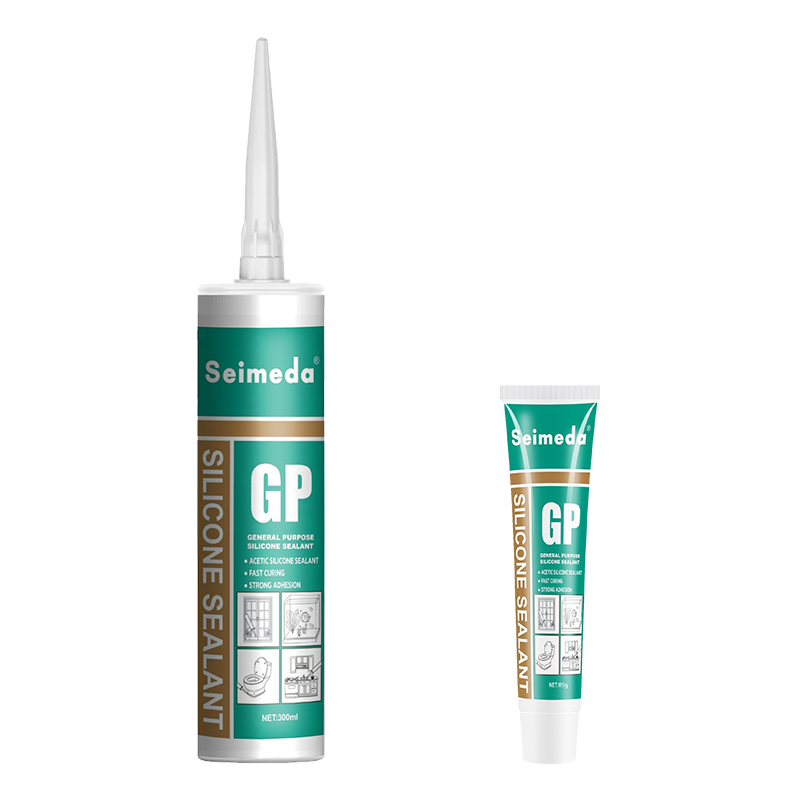
Acetoxy silicone is a one-component, room-temperature-vulcanizing silicone that cures when it reacts with moisture in the air. During cure, it releases acetic acid, which creates the characteristic vinegar-like odor. The odor normally decreases as the sealant cures, but it is a reason to provide ventilation and avoid unnecessary inhalation.
Typical product data sheets for general-purpose acetoxy silicone commonly specify a skin-forming time of approximately 5–20 minutes at around 23°C and 50% relative humidity, with a cure rate near 2–3 mm per 24 hours. These are representative ranges, not guarantees. A deep bead, low humidity, low temperature, or poor air access can extend the cure period. Always use the specific Seimeda product technical data sheet when exact installation timing matters.
After curing, silicone generally remains flexible rather than becoming a rigid cement. Many products list a service temperature range near -50°C to 150°C, but this range varies by formulation and does not mean every sealant is suitable for steam rooms, continuous immersion, or high-temperature equipment.
Advantages of General Purpose Acetoxy Silicone Sealant in Wet Areas
Fast Skin Formation for General Purpose Acetoxy Silicone Sealant Repairs
Acetoxy silicone often forms a surface skin within minutes under standard laboratory conditions. This can reduce the period during which dust settles on the bead or the sealant is accidentally smeared. However, surface skin is not the same as full cure. If the bead is 6 mm deep and the stated cure rate is 2–3 mm per 24 hours, the center may require roughly 48 hours or more to cure, depending on ventilation and product design.
Elastic Joint Movement with General Purpose Acetoxy Silicone Sealant
Cured silicone can accommodate repeated small movements caused by thermal expansion, vibration, and minor building movement. This is useful around shower screens, ceramic tiles, washbasins, and bathtub edges. Its flexibility is different from the behavior of cement grout: grout is comparatively rigid and can crack when a joint moves, while silicone is designed to form a flexible seal.
Movement performance still depends on joint geometry. A bead that is too thin, bonded on three sides, or applied to a dirty surface may fail even if the silicone itself has good elongation. For wide or deep joints, a compatible backer rod and correct sealant depth can reduce stress on the cured material.
Good Initial Adhesion to Common Non-Porous Surfaces
Acetoxy formulations commonly bond well to clean, dry, non-porous surfaces such as glass, glazed ceramic, and some coated metals. This makes them practical for many shower-door frames, tile-to-glass transitions, and sink-to-countertop joints. The actual bond depends on surface coating, contamination, sealant grade, and whether a primer is required.
Before application, remove soap film, grease, dust, loose grout, and old sealant. A solvent may help remove residue, but it must be compatible with the substrate and used according to safety instructions. Test adhesion on an inconspicuous area if the surface is painted, coated, porous, or unfamiliar.
Low Equipment Cost and Simple Application
A cartridge, nozzle, cutting tool, masking tape, and a suitable caulking gun are usually sufficient. Unlike two-component systems, a one-component cartridge does not require on-site mixing or a separate metering machine. This can reduce installation complexity for small household repairs and routine maintenance.
That convenience does not eliminate preparation. Applying silicone over existing silicone is generally unreliable because the new layer may not form a durable bond to the old cured layer. Removing the old bead completely is usually the safer repair method.
Potential Mold-Resistance Benefits from Sanitary Formulations
Some bathroom-grade acetoxy silicones contain fungistatic additives and are marketed for sanitary applications. Such products may delay fungal staining under normal bathroom conditions, but “mold-resistant” does not mean mold-proof. Persistent moisture, poor ventilation, soap deposits, and an unclean substrate can still support staining on the surface or at the joint edge.
Look for a specific sanitary or mildew-resistance claim in the product documentation rather than assuming that every acetoxy silicone has the same additive package. Seimeda product specifications should be checked for the intended wet-area application and any cleaning limitations.
Disadvantages and Limitations of General Purpose Acetoxy Silicone Sealant
Acetic Acid Can Corrode or Damage Sensitive Materials
The acetic acid released during cure can be unsuitable for some metals and sensitive substrates. Unprotected carbon steel, zinc, copper, lead, certain cementitious materials, marble, limestone, and some porous stones may discolor, corrode, or develop adhesion problems. The risk depends on the material, exposure, sealant chemistry, and ventilation.
For natural stone, porous masonry, concrete, and metal components that may be sensitive to acid, a neutral-cure silicone or a sealant specifically approved for that substrate is often the safer choice. Confirm compatibility with the material supplier before installation.
Not the Universal Choice for Immersion or Constant Steam
A sealant intended for bathroom splash zones is not automatically suitable for swimming pools, aquariums, water tanks, underwater joints, or continuously submerged applications. Long-term immersion can impose different adhesion and biological requirements. Similarly, a domestic shower is not equivalent to a commercial steam room with sustained high temperature and humidity.
For these environments, select a product whose technical documentation explicitly states suitability for immersion, potable water, aquarium use, or continuous steam exposure. Do not infer approval from a generic “waterproof” label.
Odor During the Moisture-Cure Process
The vinegar-like odor can be noticeable during application and early cure. In a small bathroom with the door closed, the odor may remain longer than it would in a ventilated workspace. Use mechanical ventilation where available, keep the area occupied only as necessary, and follow the safety data sheet. People with respiratory sensitivity should avoid exposure and should not use an uncured product in an unventilated room.
Adhesion Can Fail on Damp, Dirty, or Porous Surfaces
Silicone requires a clean, stable bonding surface. Water trapped beneath the bead, dust on grout, soap residue, and movement from a loose fixture can cause edge lifting or channels behind the sealant. Porous surfaces can also absorb moisture and make reliable adhesion more difficult.
Do not use acetoxy silicone as a substitute for repairing a leaking pipe, loose shower tray, cracked tile, or failed waterproofing membrane. Sealant can close a surface joint, but it cannot correct movement or water ingress inside a wall or floor assembly.
Limited Paintability
Most cured silicone sealants are difficult or impossible to paint reliably because common paints do not bond well to the low-surface-energy silicone film. If the joint must be painted, use a paintable hybrid, acrylic, or polyurethane sealant that is approved for the required wet-area conditions. Confirm this requirement before choosing an acetoxy product.
General Purpose Acetoxy Silicone Sealant Compared with Neutral-Cure Silicone
| Factor | Acetoxy silicone | Neutral-cure silicone |
|---|---|---|
| Cure by-product | Acetic acid, with a vinegar-like odor | Usually alcohol, oxime, or another neutral reaction product, depending on chemistry |
| Common strengths | Fast skin formation and strong adhesion to many clean glass and glazed surfaces | Broader compatibility with many metals, porous materials, and sensitive substrates |
| Typical caution | Acidic cure may be unsuitable for some metals, stone, and alkaline materials | Some products cure more slowly or have different adhesion and odor characteristics |
| Best selection method | Use when the substrate and application are approved by the technical data sheet | Use when substrate compatibility, low odor, or special exposure requirements favor neutral cure |
Neither chemistry is automatically superior in every wet area. The correct choice is determined by the substrate, joint movement, water exposure, cleaning chemicals, cure conditions, and the manufacturer’s tested claims.
How to Apply General Purpose Acetoxy Silicone Sealant in a Wet Area
1. Diagnose the Joint Before Buying Sealant
Identify whether the joint is a tile-to-tile corner, glass-to-frame connection, bath-to-wall junction, sink edge, or a crack in a rigid surface. If the joint is moving because a fixture is loose, tighten or repair the fixture first. If water is coming from behind the tile or from a pipe, investigate the source before resealing.
2. Check Substrate Compatibility
Read the product label and technical data sheet. Confirm suitability for the exact materials, including coatings and sealers. For marble, limestone, concrete, metal, acrylic, and painted surfaces, perform a small adhesion and staining test or obtain written compatibility advice.
3. Remove the Old Joint Completely
Cut out old silicone with a sharp removal tool and scrape remaining residue without damaging the substrate. Clean the joint with a method approved for the surface. A new bead placed over old silicone may look acceptable but can fail at the interface.
4. Dry and Prepare the Bonding Faces
Allow the joint to dry fully. The surface should be free from dust, grease, soap film, loose particles, and standing water. In a shower, this may require leaving the area unused overnight, although the exact drying period depends on ventilation and the amount of trapped moisture.
5. Control Bead Size and Geometry
Cut the nozzle to produce a bead slightly wider than the joint opening, rather than cutting an excessively large opening. Apply steady pressure and tool the bead promptly within the product’s tooling window. Masking tape can create cleaner edges, but remove it before the sealant skins.
Avoid forcing sealant deep into a joint that needs movement. Where specified, use a compatible backer material to control depth and prevent three-sided adhesion.
6. Protect the Joint During Cure
Keep the joint free from shower spray, cleaning, touch, and movement until the manufacturer’s stated cure time has passed. A 2–3 mm-per-24-hour cure rate is often quoted for standard conditions, but a thicker bead may need longer. Temperature below approximately 23°C, low humidity, and restricted air exposure can slow curing.
7. Inspect and Maintain the Finished Joint
Check for gaps, pinholes, lifting edges, or an uncured center. Clean the cured surface with a product-compatible cleaner and avoid abrasive tools that can damage the bead. Improve bathroom ventilation and remove standing water when possible. Replace the joint when it shows persistent separation, cracking, or water passage.
Is General Purpose Acetoxy Silicone Sealant Worth Buying?
It can be a practical purchase for clean, non-porous, above-water wet-area joints where the product documentation confirms compatibility. It offers a simple one-component application, flexible cured behavior, and commonly short skin-formation times. These benefits are most relevant to glass, glazed ceramic, and many routine shower or basin details.
It is not the best choice when the substrate is acid-sensitive, the joint is continuously submerged, the area requires paint, or the problem is caused by hidden water ingress or structural movement. In those cases, choose a neutral-cure or specialist sealant based on documented performance rather than price or the word “waterproof” alone.
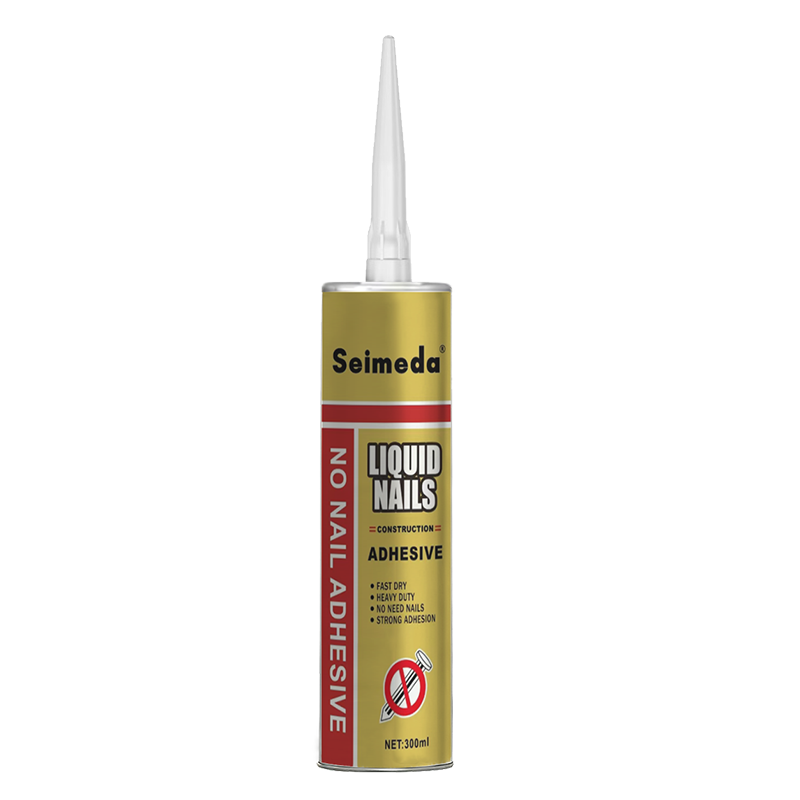
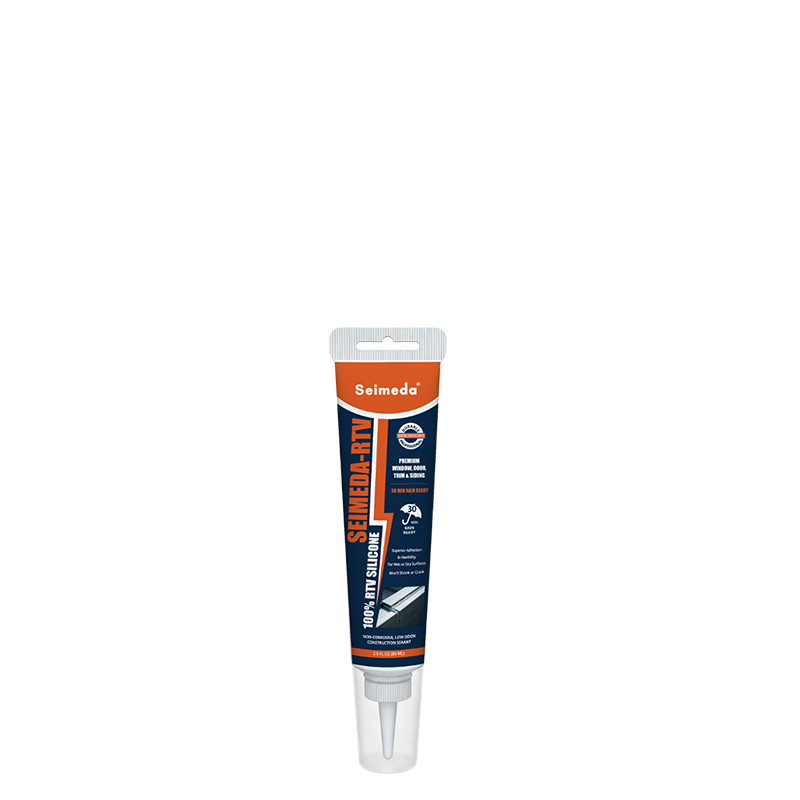
For a Seimeda General Purpose Acetoxy Silicone Sealant, compare the cartridge label and current technical data sheet with the installation conditions. Check cure rate, skin time, temperature range, substrate restrictions, mildew claims, shelf life, and storage requirements before purchase.
Recommendation: Who Should Use General Purpose Acetoxy Silicone Sealant?
General-purpose acetoxy silicone is suitable for homeowners, maintenance teams, and installers sealing many clean glass, glazed tile, and non-porous bathroom joints above the waterline. It is especially useful when a flexible, one-component sealant is needed and the area can remain dry during curing.
Select a different chemistry for sensitive natural stone, unprotected or reactive metals, porous mineral substrates, painted joints, continuous immersion, aquariums, or high-temperature steam exposure unless the product documentation expressly approves the use. The practical selection rule is simple: match the sealant chemistry to the substrate and exposure, then match the installation process to the cure data.
For the best silicone sealant for shower edges, confirm the joint is clean and dry; for acetoxy silicone sealant for bathroom wet areas, verify substrate compatibility; and for how long acetoxy silicone takes to cure in wet areas, calculate from the specified bead depth rather than relying only on the surface skin time. These steps support a durable sanitary silicone installation with credible mildew resistance and a properly designed waterproof joint, while respecting moisture cure, the acetic acid by-product, and the product’s stated Shore A hardness.
FAQ About General Purpose Acetoxy Silicone Sealant
Can acetoxy silicone be used around a shower?
Yes, it can be used around many shower joints when the surfaces are compatible, clean, dry, and above the waterline. Check the product documentation for sanitary use and keep the joint dry during the complete cure period.
How long should a shower remain unused after applying acetoxy silicone?
There is no single time for every product. Many formulations cure at approximately 2–3 mm per 24 hours under 23°C and 50% relative humidity. A thin bead may cure sooner than a deep bead, but the manufacturer’s stated cure time should control. When uncertain, allowing at least 24 hours for a small bead and longer for a thick or poorly ventilated joint is a cautious approach, not a universal guarantee.
Does acetoxy silicone prevent bathroom mold?
No sealant can guarantee a mold-free bathroom. A sanitary formulation with a fungistatic additive may resist fungal staining better than a non-sanitary product, but ventilation, cleaning, water removal, and correct application remain important.
Can acetoxy silicone be applied over old silicone?
It is generally better to remove the old silicone completely. Residue can prevent reliable adhesion, and the new bead may separate from the old layer even if the surface initially appears smooth.
Is acetoxy silicone safe for marble or natural stone?
Do not assume it is safe. Acetic acid and the sealant’s additives may stain or affect some porous or acid-sensitive stones. Use a product specifically approved for the stone or select a compatible neutral-cure formulation after testing.
Can acetoxy silicone seal a leaking pipe?
It should not be treated as a repair for a pressurized or concealed pipe leak. It may seal an approved surface joint, but plumbing faults, loose fittings, failed waterproofing, and water behind tiles require diagnosis and repair by the appropriate method.
Why does cured silicone peel away from a tile or bathtub?
Common causes include soap residue, moisture under the bead, old silicone contamination, movement of the fixture, insufficient contact area, incompatible coatings, or premature water exposure. Remove the failed bead, correct the underlying issue, clean and dry the surfaces, and reapply a compatible product.
What is the main difference between acetoxy and neutral-cure silicone?
Acetoxy silicone releases acetic acid during moisture cure and commonly performs well on clean glass and glazed surfaces. Neutral-cure silicone releases a different reaction product and is often selected for broader substrate compatibility. The technical data sheet—not the product name alone—should determine the final choice.

