








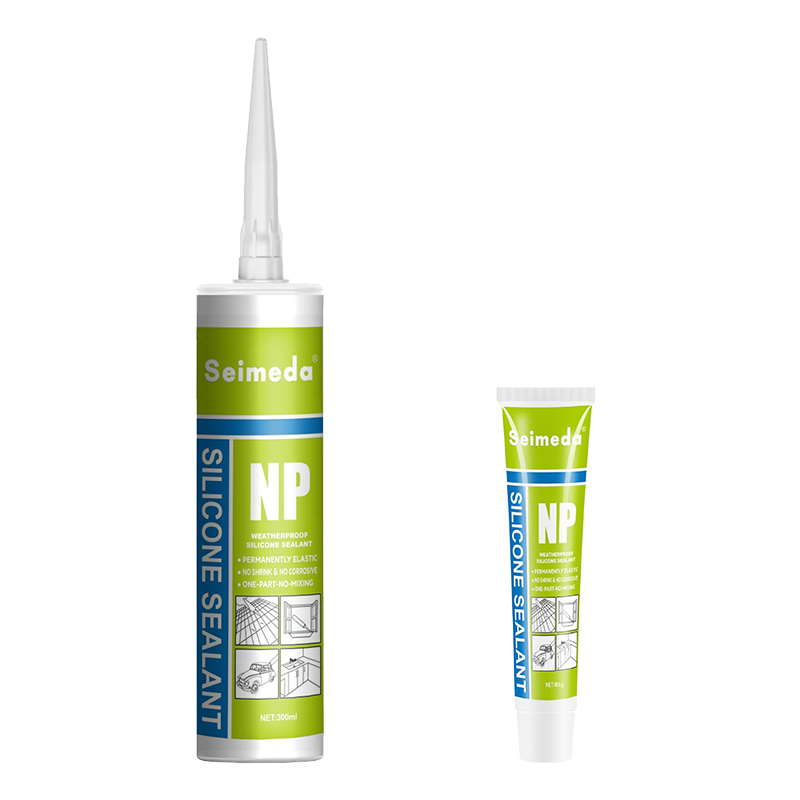
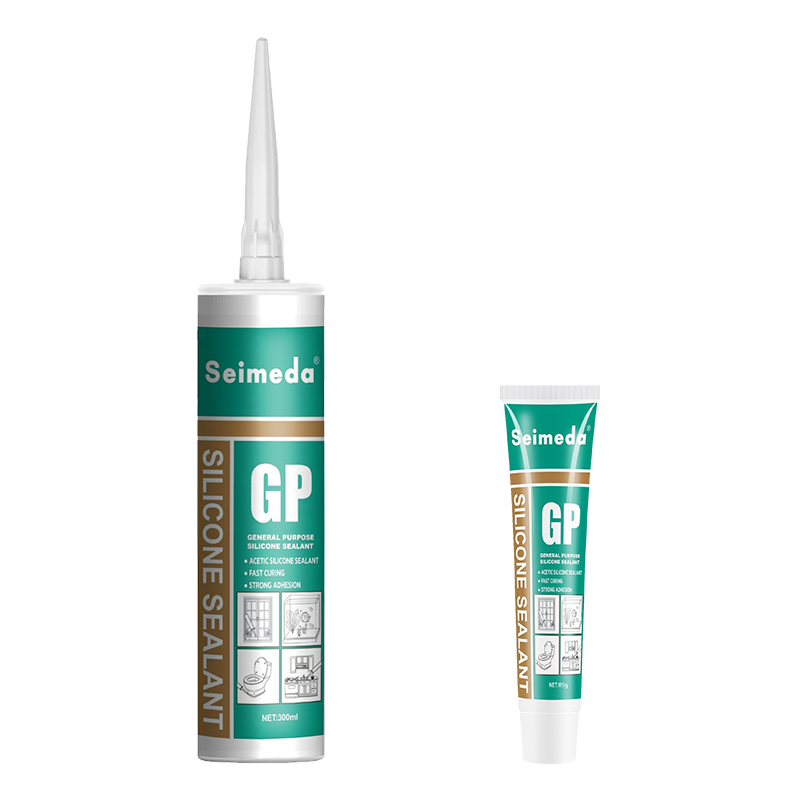
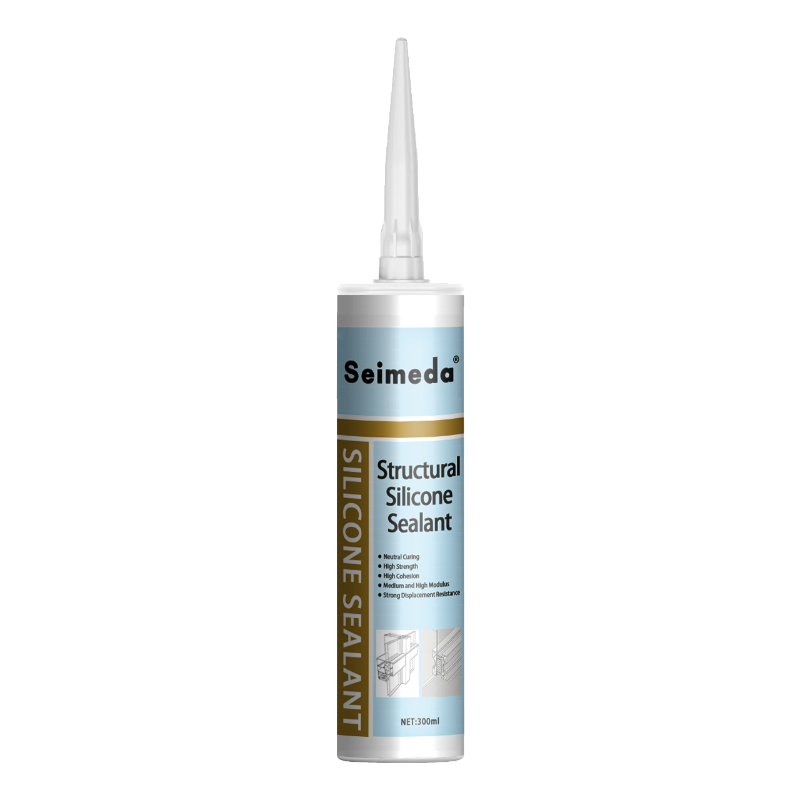
Choosing the best General Purpose Acetoxy Silicone Sealant for glass depends on the substrate, joint movement, moisture exposure, and required service life—not simply on the lowest cartridge price. This guide also addresses acetoxy silicone sealant for bathroom glazing and explains how long acetoxy silicone sealant takes to cure. In practical terms, the product is an elastomeric sealant that cures through an acetic acid cure mechanism to form a flexible weatherproof seal. For many indoor and general window-glazing jobs, GP acetic silicone can provide an economical seal, but it is not a universal substitute for neutral-cure silicone, structural glazing silicone, or a tested façade system.
Why a Comprehensive Evaluation of General Purpose Acetoxy Silicone Sealant Matters
A sealant may look acceptable immediately after application while still having poor adhesion, insufficient cure, or chemical incompatibility beneath the surface. The relevant question is not simply whether a bead appears smooth. It is whether the sealant remains bonded after exposure to water, temperature changes, ultraviolet radiation, cleaning chemicals, and expected joint movement.
For a small indoor window repair, a GP acetic silicone sealant may be a practical choice. For insulated glass units, curtain walls, load-bearing glazing, painted metal, natural stone, or high-value exterior façades, the decision requires a compatibility review, adhesion testing, and confirmation that the product complies with the project specification. In structural glazing, the sealant must be specifically approved for that purpose; a general-purpose cartridge should not be treated as a structural adhesive.
What Is General Purpose Acetoxy Silicone Sealant?
General-purpose acetoxy silicone is a one-component, moisture-curing silicone sealant. During cure, it releases acetic acid, which produces the characteristic vinegar-like odor. The cured material is normally a flexible silicone rubber rather than a rigid plastic. Its performance depends on the formulation, substrate preparation, bead geometry, temperature, relative humidity, and the manufacturer’s stated rating.
“Acetoxy” describes the curing chemistry; “general purpose” describes the intended range of routine applications. Neither term automatically confirms resistance to mold, fuel, solvents, prolonged immersion, high movement, or structural loads. Users should check the technical data sheet for:
- Skin-formation time and through-cure rate.
- Application temperature range.
- Service-temperature range.
- Movement capability, such as ±20% or ±25%, when tested to the stated standard.
- Tensile strength, elongation, hardness, and modulus.
- Adhesion to the specific glass, aluminum, ceramic, coating, or plastic being used.
- Resistance to ultraviolet exposure, water, cleaning agents, and mildew where relevant.
- Applicable standards, such as ASTM C920 or ISO 11600, if claimed by the manufacturer.
Advantages of GP Acetic Silicone Sealant for General Glazing
Fast Surface Skin Formation in Routine Glazing Work
Many one-component acetoxy silicones form a surface skin in approximately 5 to 20 minutes at around 23°C and 50% relative humidity, although the exact value must come from the product data sheet. A typical cure-rate statement may be approximately 2 to 3 mm per 24 hours under those laboratory conditions. A 6 mm-deep bead should therefore not be assumed to cure fully in one day; cure progresses from the exposed surface inward.
This makes the material useful when a small repair must resist dust or light contact soon after application. However, “skin formed” does not mean “fully cured.” The joint should not be exposed to movement, water pressure, or cleaning until the manufacturer’s recommended cure time has elapsed.
Good Adhesion to Clean, Nonporous Glass and Glazed Surfaces
Acetoxy silicone commonly bonds well to clean glass, glazed ceramic, and some anodized aluminum surfaces. This is one reason it is frequently used for interior glass sealing, shower-screen joints, aquarium-related nonstructural sealing where the product is specifically approved, and basic window maintenance.
Adhesion is not guaranteed by the word “silicone.” Glass must be free from dust, oil, release agents, old sealant, and condensation. A practical preparation method is to remove deteriorated material mechanically, clean compatible surfaces with an appropriate solvent recommended by the sealant manufacturer, allow the surfaces to dry, and conduct a small adhesion test before production work.
Elasticity Helps Accommodate Limited Joint Movement
Cured silicone remains flexible over a broad temperature range compared with many rigid caulks. If the product is rated for ±25% movement, a 10 mm joint would theoretically accommodate approximately 2.5 mm of extension or compression under the specified test conditions. This does not mean every joint can safely move by that amount in service. Joint width-to-depth ratio, adhesion, backing material, temperature cycling, and installation quality also control performance.
For glazing joints, the sealant should normally adhere to the two intended joint faces only. A suitable backer rod or bond-breaker can prevent three-sided adhesion, reduce unnecessary sealant volume, and allow the bead to deform more predictably.
Resistance to Moisture and Ultraviolet Exposure
Silicone rubber generally provides better long-term resistance to sunlight and moisture than many basic acrylic caulks. That makes it useful for selected exterior glazing and wet-area joints when the product is explicitly rated for those conditions.
Performance still varies by formulation. A general-purpose product may not be suitable for continuous immersion, chlorinated water, strong solvents, oily environments, or joints exposed to aggressive industrial cleaning. In bathrooms, use a sanitary formulation if the technical data sheet confirms fungicide or mildew resistance; ordinary GP silicone should not automatically be described as mold-resistant.
Low Equipment Requirements and Simple Application
Most cartridges can be applied with a standard manual or pneumatic caulking gun. The basic process requires no mixing, heating, or specialized dispensing equipment. This reduces installation complexity for maintenance teams and small glazing contractors.
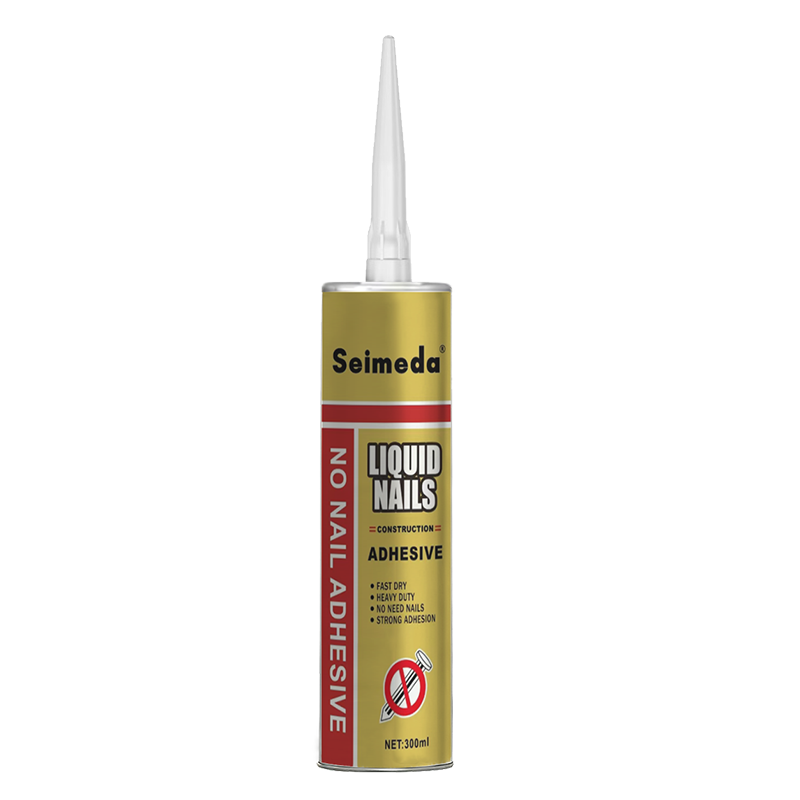
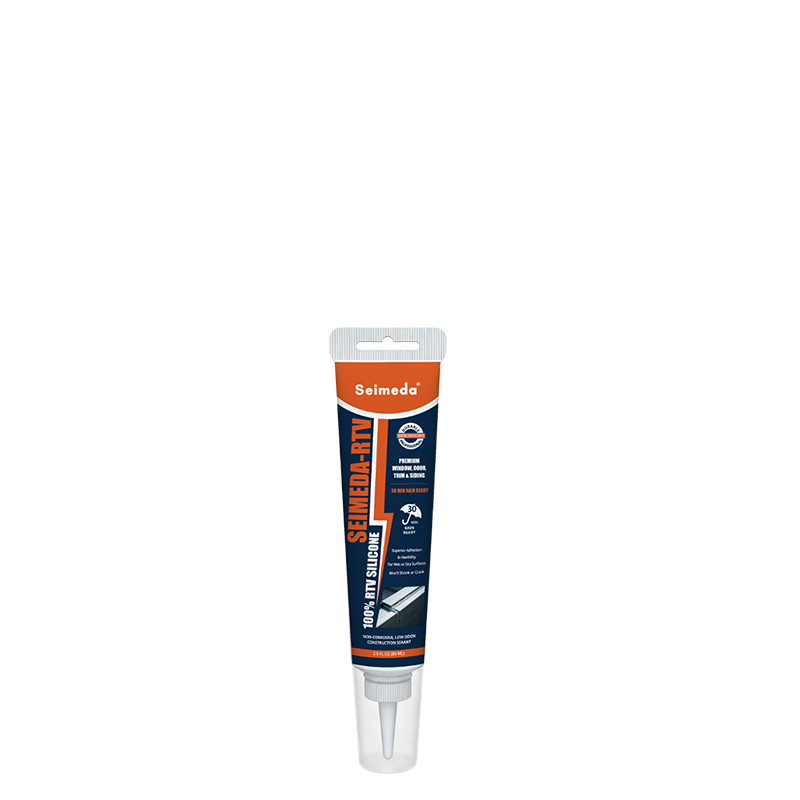
Some suppliers, including Seimeda, offer silicone products for different glazing and construction applications. The correct product should be selected from the current technical data sheet rather than from color, packaging, or a general product name alone.
Disadvantages and Risks of General Purpose Acetoxy Silicone Sealant
Acetic Acid Can Corrode Sensitive Metals and Damage Alkaline Substrates
During cure, acetoxy silicone releases acetic acid. This can promote corrosion or staining on sensitive metals, including some copper-containing alloys, zinc-coated surfaces, and untreated steel. The risk depends on exposure time, moisture, alloy, surface condition, and formulation.
For aluminum, adhesion and corrosion behavior depend on the finish. Anodized aluminum may perform well with a compatible product, while damaged, contaminated, or poorly prepared coatings may not. On galvanized steel, copper, brass, cement-based materials, marble, limestone, and other porous or alkaline substrates, use a neutral-cure product or obtain written compatibility guidance when appropriate.
Avoidance suggestion: do not apply acetoxy silicone directly to a critical metal or stone surface without a compatibility check. Test a concealed area, inspect after curing, and follow the sealant manufacturer’s primer and cleaning instructions.
Limited Compatibility with Porous Materials, Plastics, and Painted Surfaces
Porous masonry, concrete, mortar, and some natural stones can absorb contamination or be affected by the curing chemistry. Certain plastics, powder coatings, painted metals, polycarbonate, acrylic, and composite panels may show weak adhesion, stress cracking, staining, or plasticizer migration.
A small test bead should be allowed to cure fully—often at least 7 days for evaluation, unless the manufacturer specifies another period—before checking peel adhesion, edge lifting, staining, and surface damage. For demanding projects, a laboratory or field adhesion test using production substrates is more reliable than a generic compatibility statement.
Not Suitable for Structural Glazing or Load-Bearing Fixing
General-purpose silicone is intended primarily for sealing. It should not be used to carry the dead load of glass, resist wind loads, replace mechanical fasteners, or bond a façade panel unless the exact product has been engineered and approved for that structural application.
Structural glazing requires a documented system involving the specified silicone, glass or panel type, frame finish, bite dimensions, joint design, surface preparation, adhesion testing, and project approval. A product that has an attractive label or high stated tensile strength is not automatically a structural glazing adhesive.
Odor and Indoor-Air Considerations During Cure
The vinegar odor from acetic acid can be noticeable in enclosed rooms. It usually decreases as curing progresses, but ventilation is advisable. Occupants who are sensitive to odors should avoid remaining in a poorly ventilated room during application and early cure.
Always review the safety data sheet for skin, eye, and respiratory precautions. Gloves and eye protection are sensible during installation, and uncured material should not be allowed to contact skin for extended periods.
Surface Skin Can Hide Incomplete Cure
A cured-looking surface may cover uncured material in a thick joint, a closed cavity, or a poorly ventilated location. Moisture-curing silicone needs access to atmospheric moisture. Low humidity, low temperature, excessive bead depth, or a sealed interface can extend cure time.
Do not place a second impermeable layer over uncured acetoxy silicone unless the product instructions specifically permit it. Do not expose a newly sealed joint to standing water simply because the surface has skinned.
How to Use GP Acetic Silicone Sealant for General Glazing
1. Inspect the Joint and Confirm the Application
Determine whether the joint is for weather sealing, interior finishing, glass retention, movement accommodation, or bonding. Measure the joint width and depth, identify every substrate, and check whether the glass is monolithic, laminated, coated, or part of an insulated glass unit.
Reject GP acetoxy silicone for structural or high-consequence applications unless the manufacturer and project engineer specifically approve it. For insulated glass edge seals, use the designated IGU sealant system rather than a generic glazing sealant.
2. Remove Old Sealant and Prepare the Substrate
- Cut out loose or failed sealant completely.
- Remove dust, grease, oxidation, and masking residue.
- Use only cleaning agents compatible with the substrate and sealant.
- Allow the surface to dry fully.
- Protect adjacent finishes from solvent or uncured silicone.
Do not apply silicone over damp, dirty, chalking, or unstable surfaces. A new bead placed over an old bead may adhere only to the weak surface of the existing sealant and fail prematurely.
3. Use Backing Material and Masking Where Needed
For deeper movement joints, install a compatible closed-cell backer rod or other approved bond-breaker. The backer rod should be sized to remain in place without damaging the joint edges. Masking tape can produce a cleaner line, but it should be removed before the sealant develops a strong skin.
4. Apply a Continuous Bead
Cut the nozzle to match the joint size and apply steady pressure. The bead should be continuous, without voids, bubbles, or visible breaks. Tool the sealant with a compatible tool before skin formation. Avoid adding water, detergent, or solvent to the bead unless the manufacturer specifically permits that practice.
5. Allow Adequate Cure and Inspect the Joint
Keep the joint free from movement, dust, and water during the stated cure period. At approximately 23°C and 50% relative humidity, many products cure at roughly 2 to 3 mm per 24 hours, but actual conditions can change the result. Inspect for edge separation, pinholes, adhesion loss, discoloration, and incomplete cure before putting the joint into service.
General Purpose Acetoxy Silicone Sealant Compared with Other Sealants
| Sealant type | Typical strength | Main advantages | Important limitations |
|---|---|---|---|
| GP acetoxy silicone | Flexible, moisture-curing elastomer | Good routine adhesion to clean glass and glazed surfaces; simple one-component application; useful UV and moisture resistance | Acetic acid during cure; compatibility concerns with some metals, stones, plastics, and coatings; not generally structural |
| Neutral-cure silicone | Flexible, moisture-curing elastomer | Often more compatible with metals, concrete, coated surfaces, and sensitive substrates | Usually higher cost; product-specific adhesion and cure behavior still require testing |
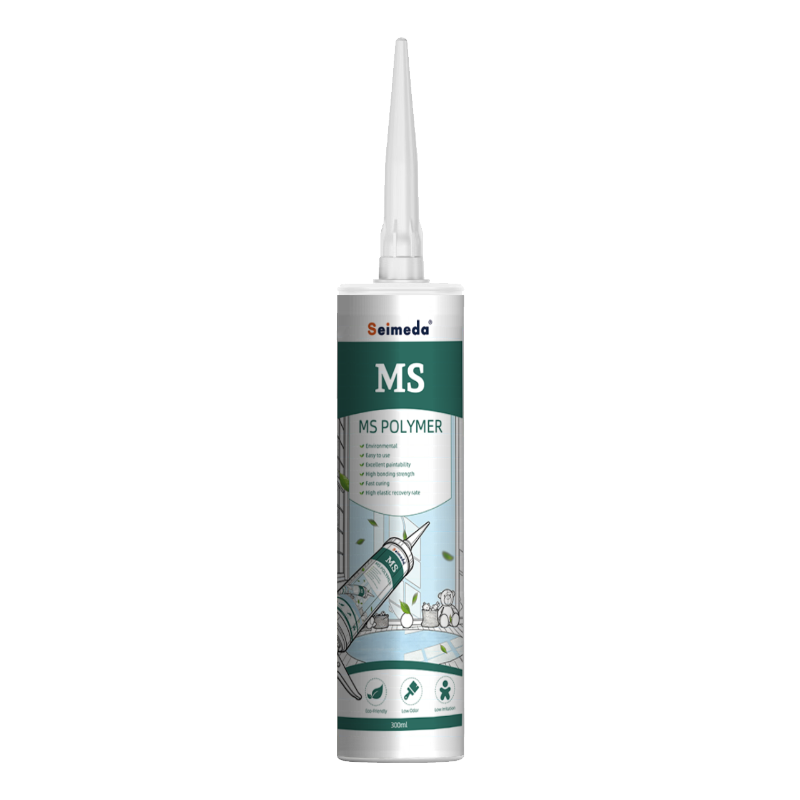
| Hybrid or MS polymer sealant | Flexible polymer sealant | Often paintable and suitable for a wider range of building substrates | Weathering, movement, and adhesion performance depend strongly on formulation |
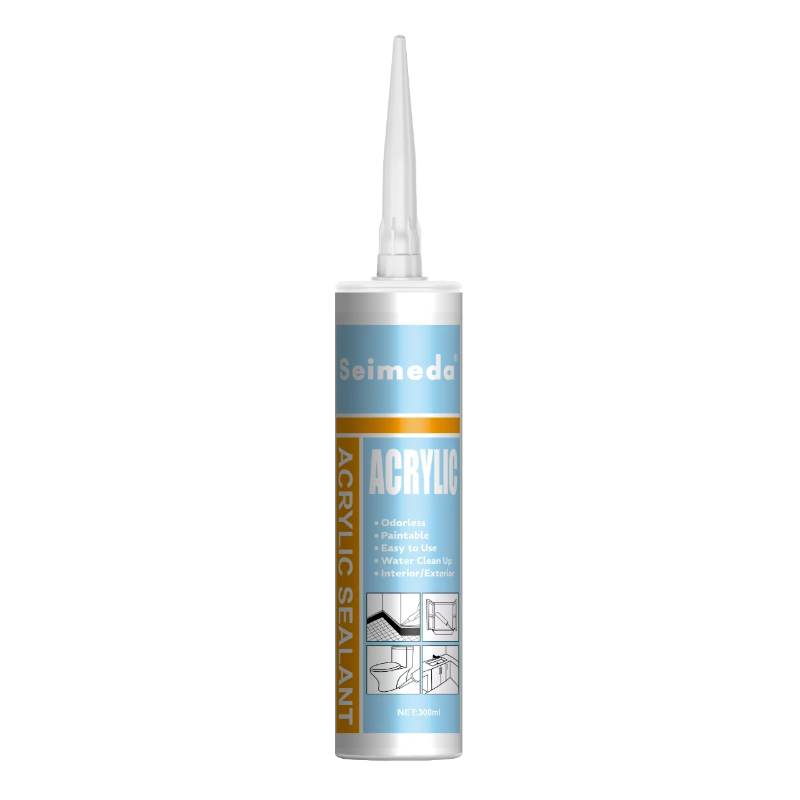
| Acrylic sealant | Lower-modulus water-based or solvent-modified sealant | Often paintable and easy to clean before cure | Generally less suitable for continuously wet joints and high exterior movement than a suitable silicone |
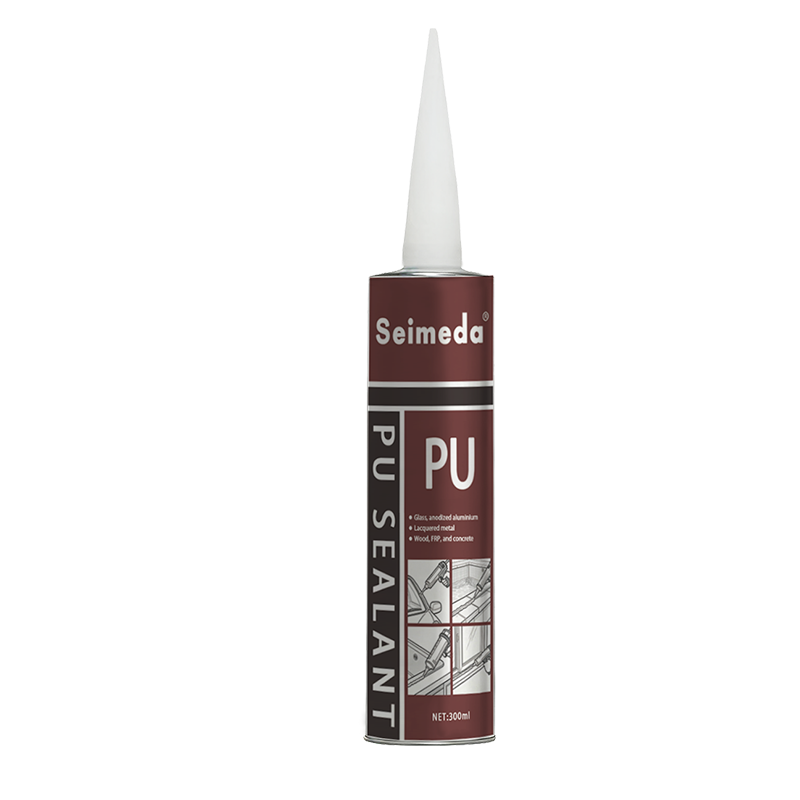
| Polyurethane sealant | Flexible construction elastomer | Useful for many porous building materials and demanding construction joints | May be more sensitive to moisture, ultraviolet exposure, or application conditions depending on formulation |
This comparison is a selection guide, not a performance guarantee. The actual product data sheet and project test results take priority over the sealant family name.
Is GP Acetic Silicone Sealant Worth Buying or Using?
It is usually worth using for low- to medium-risk sealing jobs involving clean glass, glazed ceramic, and compatible nonporous surfaces where a flexible, moisture-resistant joint is required. It can be a cost-effective option for interior glazing repairs, household maintenance, simple window perimeter sealing, and selected wet-area joints.
It is not the best choice when the project includes sensitive metal, porous stone, painted or plastic substrates, continuous immersion, high joint movement, food-contact requirements, insulated-glass edge sealing, or structural loads. In those situations, a neutral-cure, sanitary, façade-grade, IGU-specific, or structural glazing product may be more appropriate.
Before purchasing, compare the delivered cost—not only cartridge price. Include surface preparation, primer, backer rod, masking, labor, access equipment, rework risk, and expected maintenance interval. A cheaper sealant that fails because of incompatibility can cost more than a higher-priced product selected correctly at the beginning.
Recommended User Groups for General Purpose Acetoxy Silicone Sealant
- Homeowners: suitable for small glass, ceramic, and nonstructural sealing repairs when the substrate is compatible and ventilation is available.
- Maintenance teams: useful for routine indoor glazing and weather-sealing tasks after a standard substrate check.
- Glazing contractors: appropriate for specified nonstructural applications supported by adhesion tests and the manufacturer’s documentation.
- Façade and curtain-wall contractors: use only products approved for the complete façade system; do not substitute GP acetoxy silicone for engineered structural or weather-seal products.
- Industrial users: verify resistance to chemicals, oils, temperature, immersion, and cleaning cycles before production use.
Conclusion: Pros and Cons of GP Acetic Silicone Sealant
GP acetic silicone sealant offers a practical balance of flexible sealing, routine glass adhesion, simple application, and moisture resistance. Its main disadvantages are acetic-acid release, uncertain compatibility with some substrates, variable cure time, and unsuitability for structural glazing. The safest decision is to match the sealant chemistry to the substrate and service conditions, confirm the product’s tested movement and curing data, and perform a small adhesion test. For the best general purpose acetoxy silicone sealant for glass, especially acetoxy silicone sealant for bathroom glazing, verify how long acetoxy silicone sealant takes to cure and confirm the relevant adhesion, elastomeric movement capability, and weatherproof seal requirements before application.
FAQ About General Purpose Acetoxy Silicone Sealant
Can GP acetic silicone sealant be used on glass?
Yes, many GP acetoxy silicones are designed to adhere to clean, dry glass. The sealant should be used only for the purpose stated by the manufacturer, and it should not be used to carry glass loads unless it is specifically engineered and approved for structural glazing.
How long does general-purpose acetoxy silicone take to cure?
Many products form a skin within approximately 5 to 20 minutes and cure at about 2 to 3 mm per 24 hours under laboratory conditions near 23°C and 50% relative humidity. These are common indicative ranges, not universal specifications. Thick beads, cold temperatures, low humidity, and restricted ventilation can extend the cure time. Check the product technical data sheet.
Does acetoxy silicone corrode aluminum?
It can create compatibility problems with some aluminum finishes or contaminated surfaces, although many acetoxy products bond successfully to clean anodized aluminum. Test the exact product on the exact finish, and consider neutral-cure silicone where the manufacturer identifies the substrate as sensitive.
Can it be used on stainless steel?
Some formulations adhere to stainless steel, but surface contamination, the steel grade, finish, moisture, and joint design affect the result. Clean the metal according to the product instructions and perform an adhesion and staining test before using it on a visible or critical joint.
Can GP acetic silicone be painted?
Most cured silicone sealants are difficult or impossible to paint reliably because common paints do not bond well to the low-surface-energy silicone surface. If a painted joint is required, select a product explicitly described as paintable, such as a suitable acrylic, hybrid, or polyurethane sealant.
Is GP acetoxy silicone suitable for bathrooms?
It can be suitable for some bathroom joints involving glass, glazed tile, or ceramic, provided the product is rated for sanitary or wet-area use. Ordinary general-purpose silicone may not contain a fungicide and should not automatically be assumed to resist mildew. Keep the joint clean, dry it after use where possible, and follow the product’s maintenance guidance.
Can acetoxy silicone be applied over old silicone?
Application over old silicone is not recommended because adhesion to the existing bead is often unreliable. Remove the failed sealant, clean the joint, dry the surfaces, and apply the new bead to sound compatible substrates.
What is the difference between acetoxy-cure and neutral-cure silicone?
Acetoxy-cure silicone releases acetic acid and often has a vinegar odor. Neutral-cure silicone uses a different curing chemistry and is often selected for better compatibility with metals, porous materials, coated surfaces, and sensitive substrates. Neither chemistry is automatically superior for every job; the product rating and substrate test are decisive.
Where can I find product-specific information from Seimeda?
For Seimeda products or any other brand, consult the current technical data sheet and safety data sheet for cure rate, movement rating, substrate compatibility, application temperature, service temperature, and applicable standards. If the product will be used in a high-consequence glazing application, request project-specific technical support and conduct an adhesion test before installation.

