







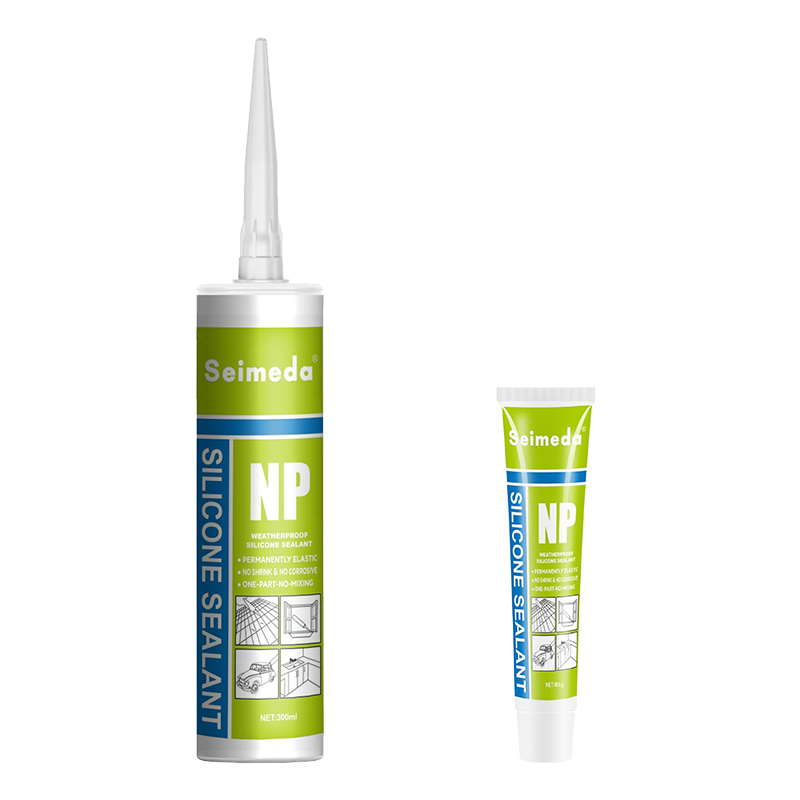
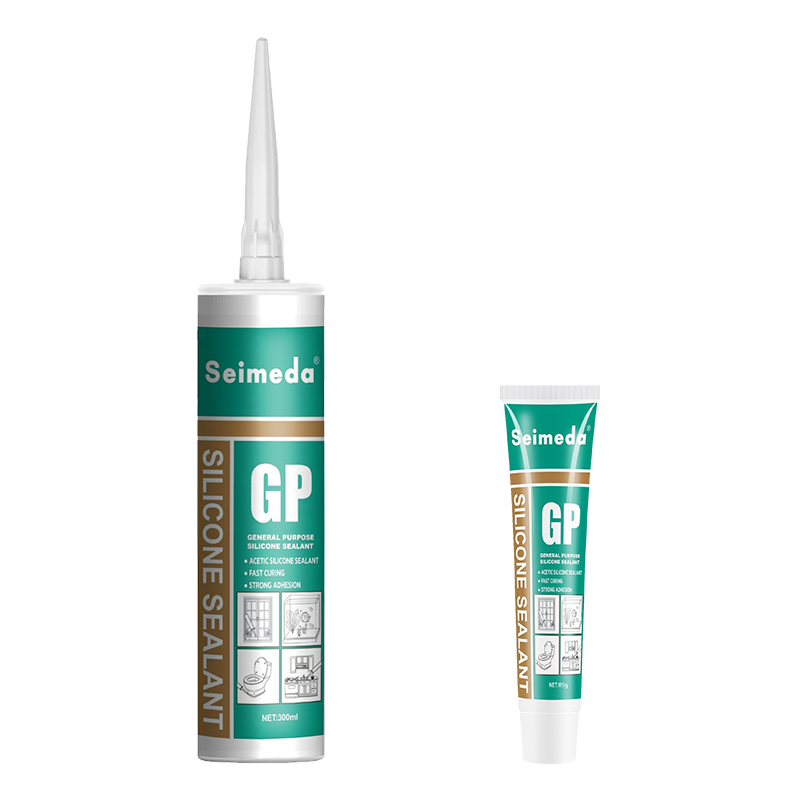
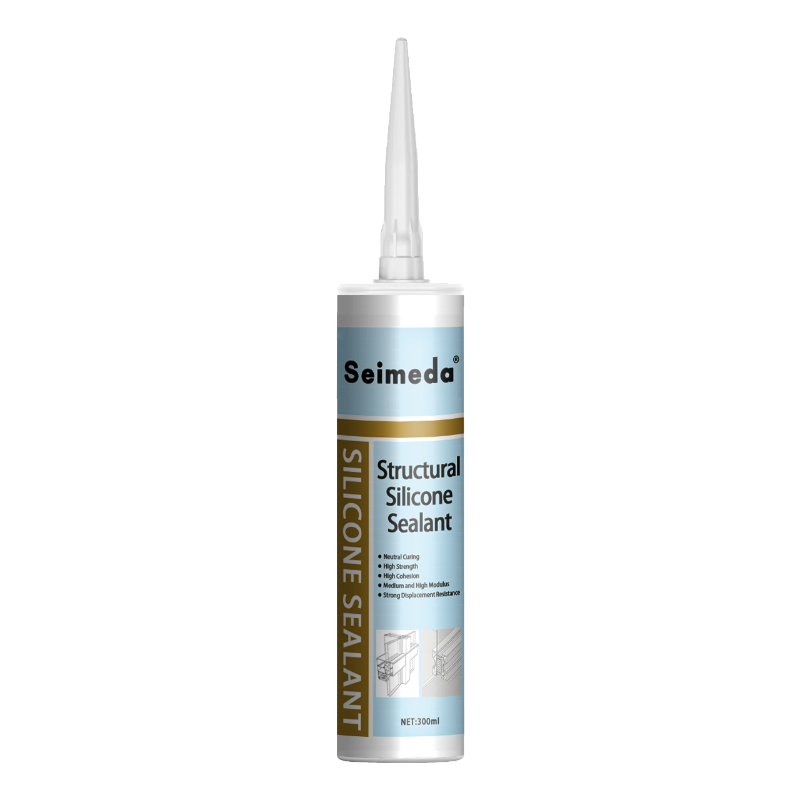
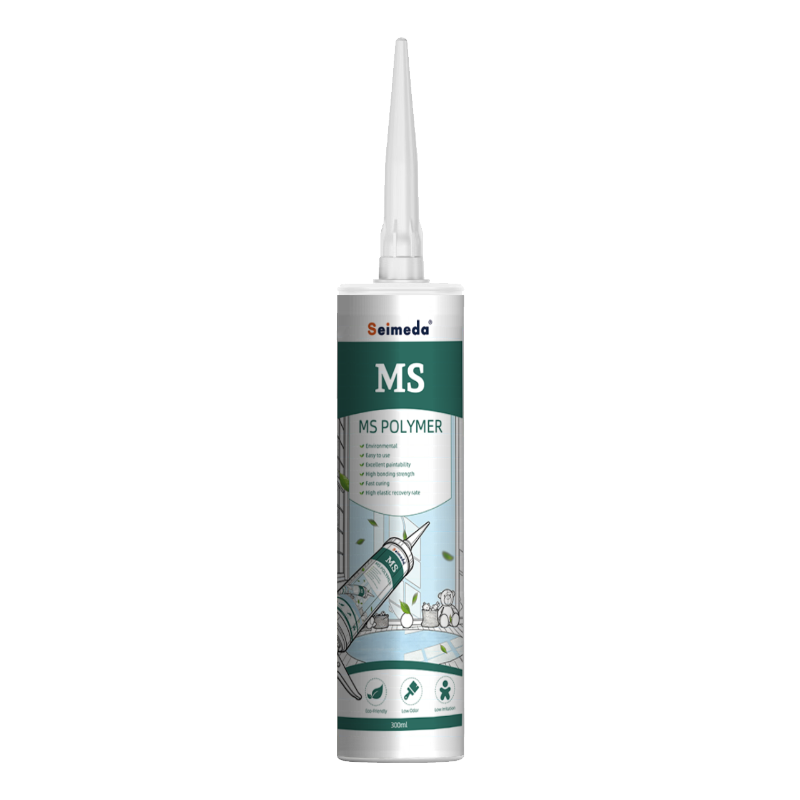
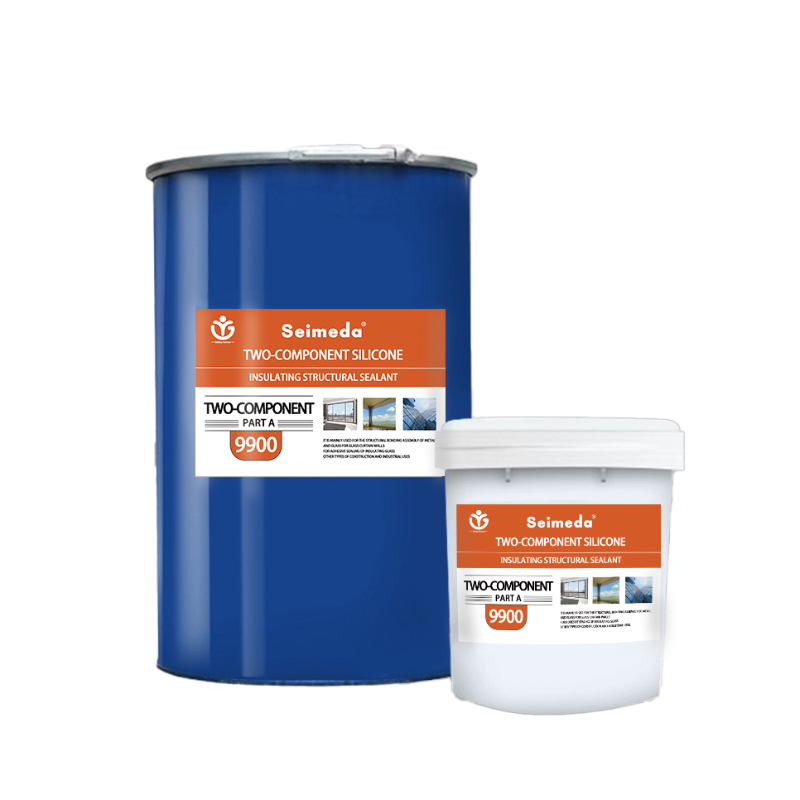
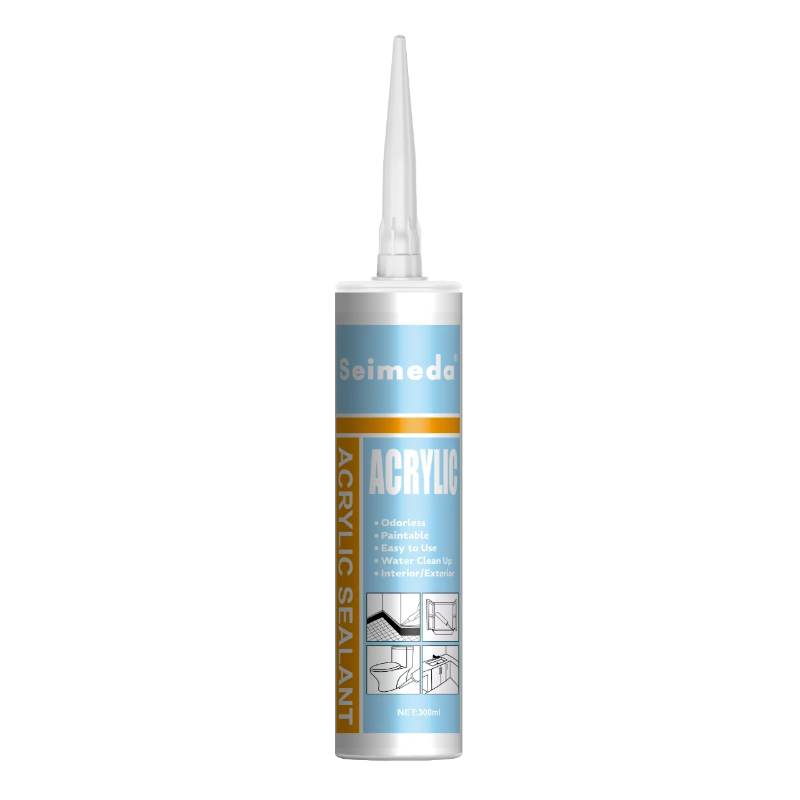
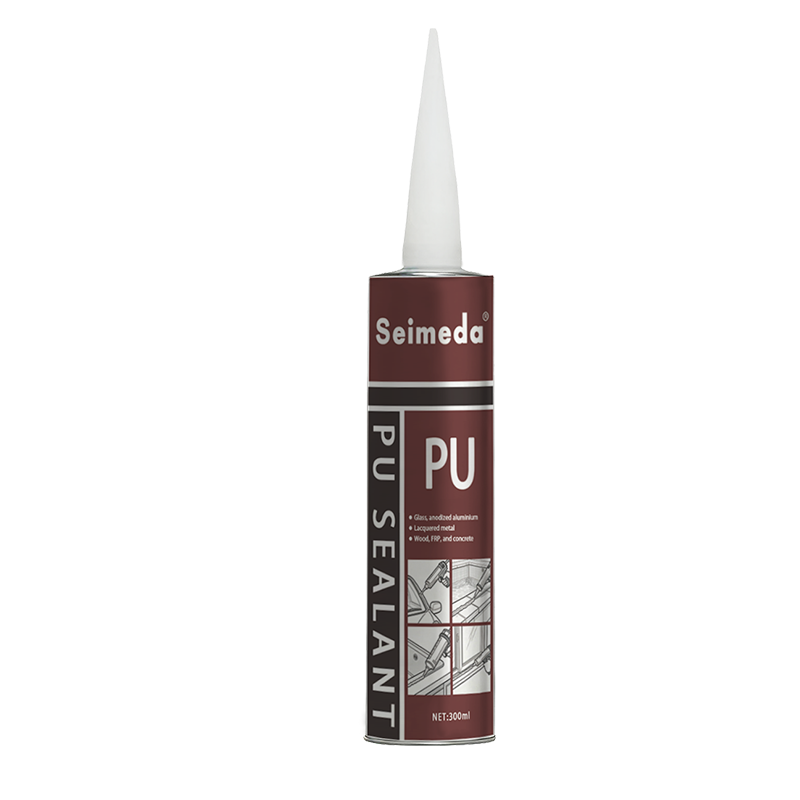
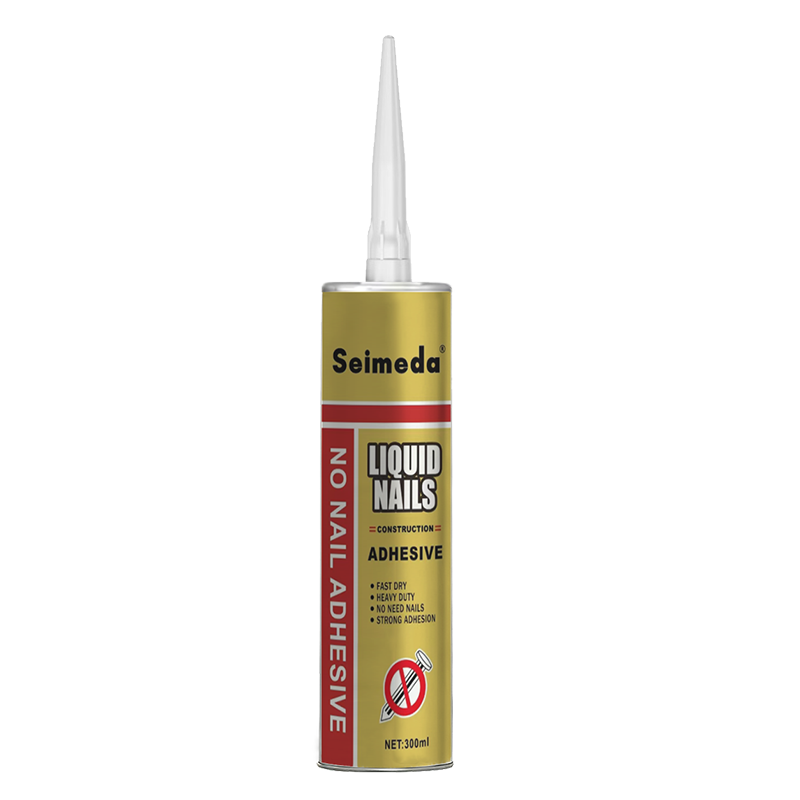
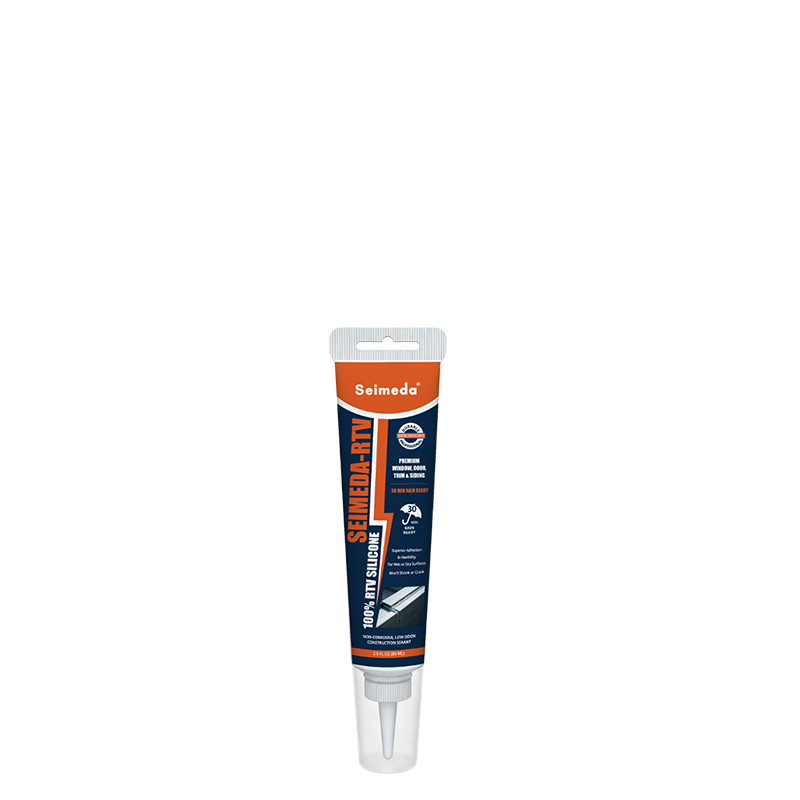
When a glass shop needs a sealant that cures predictably, a hardware distributor needs fewer returns, and an installer needs a clean bead on the same day, product selection becomes a commercial decision—not just a chemical one. The market for General Purpose Acetoxy Silicone Sealant for glass and hardware distribution is being shaped by demand for reliable RTV silicone, clearer technical data, shorter inventory cycles, and better compatibility guidance. Buyers comparing the best silicone sealant for glass hardware stores should evaluate tensile strength, tack-free time, and movement capability rather than rely on labels such as “premium” or “fast.”
General Purpose Acetoxy Silicone Sealant Market Situation
GP, or general-purpose, acetoxy silicone sealant remains widely used for non-structural sealing around glass, ceramic, aluminum, and many common hardware applications. Its appeal is straightforward: acetoxy formulations generally cure at room temperature, release acetic acid during cure, and form an elastic silicone rubber after exposure to atmospheric moisture. This makes them practical for window accessories, display cases, bathroom hardware, shop fittings, and repair work where the substrate is compatible and the joint is not carrying structural loads.
However, distribution channels are becoming more demanding. A product that sells well in a hardware store may fail in a metalwork project if it is applied to copper, zinc, natural stone, painted surfaces, or an enclosed joint with limited ventilation. Distributors therefore face three recurring problems:
- Returns caused by substrate incompatibility: acetoxy cure chemistry can be unsuitable for some metals, alkaline surfaces, sensitive stone, and certain coatings.
- Unclear performance claims: “weatherproof,” “strong,” and “quick curing” do not tell a buyer the test method, measured value, or application limit.
- Inventory complexity: retailers must balance clear, white, black, and other colors; different cartridge sizes; consumer packaging; and professional packaging without excessive slow-moving stock.
The practical solution is not to replace every acetoxy product with a neutral-cure sealant. It is to segment applications accurately. General-purpose acetoxy silicone is often a cost-effective option for glass-to-glass and glass-to-anodized-aluminum sealing, while neutral-cure silicone, hybrid sealant, or polyurethane may be more appropriate for sensitive metals, porous stone, painted substrates, or applications requiring specific adhesion and low-odor performance.
Authoritative technical references support this application-based approach. ASTM C920 classifies elastomeric joint sealants according to properties such as type, grade, class, and use; it does not mean that every product claiming “silicone” is suitable for every construction joint. ISO 11600 also provides a classification framework for building construction sealants. These standards are useful comparison tools, but buyers should still review the individual manufacturer’s technical data sheet and test reports.
Key Drivers and Innovations in General Purpose Acetoxy Silicone Sealant
1. Distribution is moving from product names to verified specifications
Professional buyers increasingly ask for measurable information, including density, extrusion rate, skin formation time, tack-free time, tensile strength, elongation at break, hardness, temperature resistance, and movement capability. These values must be read with their test conditions. For example, a stated cure rate may be measured at 23°C and 50% relative humidity; performance can change substantially in a cold, dry warehouse or a poorly ventilated joint.
For distributors, a specification-led product page reduces technical disputes. A useful listing should show the substrate range, recommended joint dimensions, application temperature, cure conditions, shelf life, packaging date, color, and limitations. It should also distinguish between a product’s “skin time” and its full cure time. A sealant may form a surface skin in approximately 10–20 minutes under specified conditions while requiring considerably longer to cure through a deep bead.
2. Low-VOC and safer-use expectations are influencing product development
Acetoxy silicone releases acetic acid during curing, which explains its characteristic vinegar-like odor. This chemistry is not automatically unsafe when used as directed, but it can be unpleasant in enclosed retail workshops and may corrode or stain sensitive substrates. Manufacturers are therefore improving packaging instructions, ventilation guidance, and alternative neutral-cure formulations.
Environmental claims require careful verification. “Low VOC,” “eco-friendly,” and “non-toxic” are not interchangeable terms. Buyers should request the safety data sheet, VOC test method, regulatory declarations, and any applicable emissions certification. In the United States, the Occupational Safety and Health Administration requires hazard communication information for chemicals in the workplace, while the European Chemicals Agency provides regulatory information under REACH and CLP frameworks. These sources are more reliable than an unqualified marketing statement.
3. Faster retail handling is encouraging better cure and packaging control
Hardware stores and glass distributors prefer products that can move from receiving to shelf to customer use without avoidable waste. This has encouraged improvements in cartridge sealing, nozzle design, batch traceability, and storage guidance. A sealant cannot cure correctly inside a package, so moisture control and airtight packaging are essential to shelf life.
“Fast curing” should be replaced with a defined number. A technical sheet may state, for example, a skin formation time of 10–20 minutes and a cure rate of approximately 2–3 mm per 24 hours at 23°C and 50% relative humidity. Those figures are examples of the type of data buyers need; the exact value must come from the specific product’s verified technical data sheet rather than being assumed for all GP acetoxy sealants.
4. Private-label and regional packaging are expanding
Distributors increasingly want private-label cartridges, multilingual labels, different nozzle formats, and cartons sized for regional logistics. This trend benefits manufacturers that can provide stable formulations, color consistency, batch documentation, and low minimum order quantities. It also creates a quality-control risk: a new label should not be treated as a new formulation unless the manufacturer confirms the chemistry and performance data.
5. Digital technical support is becoming part of the product
Installers now expect QR-linked technical data sheets, application videos, compatibility charts, and batch information. A digital page can answer the practical question, “How to choose acetoxy silicone sealant?” more effectively than a short cartridge label. Companies such as Seimeda can strengthen channel support by pairing product information with substrate guidance, curing conditions, and clear exclusions.
Five Emerging General Purpose Acetoxy Silicone Sealant Trends
Trend 1: Application segmentation instead of one-product-fits-all selling
Retailers are separating products by use case: glass and aluminum sealing, sanitary maintenance, window repair, display fabrication, and general household repair. This approach lowers misuse because the customer sees the intended substrate and environment before purchase.
A glass-and-hardware distributor should maintain a simple compatibility matrix:
| Substrate or use | Typical GP acetoxy suitability | Required caution |
|---|---|---|
| Glass-to-glass | Often suitable for non-structural sealing | Confirm joint design, cleanliness, and load limitations |
| Glass-to-anodized aluminum | Often suitable when the coating is sound | Test adhesion on the actual finish |
| Copper, zinc, or sensitive metals | May be unsuitable | Consider neutral-cure chemistry and verify corrosion behavior |
| Natural stone | Product-dependent | Check staining and compatibility; conduct a concealed-area test |
| Structural glazing or load-bearing joints | Not automatically suitable | Use an engineered system with documented approvals |
Trend 2: More transparent data on joint movement and durability
Users care less about an isolated laboratory number and more about whether a joint survives temperature changes, vibration, and repeated expansion and contraction. Movement capability is particularly important for long glass panels, exterior frames, and joints exposed to sunlight.
ASTM C920 and ISO 11600 are useful references for understanding sealant classification, but a distributor must not convert a standard classification into a universal installation guarantee. Joint width, depth, backer material, adhesion, substrate movement, ultraviolet exposure, and water drainage all affect service life.
Trend 3: Growth of neutral-cure alternatives beside acetoxy products
Neutral-cure silicone is gaining attention where odor, corrosion sensitivity, or substrate compatibility is more important than the lowest purchase price. It generally does not release acetic acid during cure, although the exact by-products depend on the formulation. It may be preferable for some metals, coated surfaces, electronics-related enclosures, and sensitive building materials.
This does not make neutral-cure silicone universally superior. It can have different adhesion behavior, cure speed, cost, tooling characteristics, and primer requirements. The correct comparison is application-specific: substrate, exposure, joint movement, cure environment, and required certifications.
Trend 4: Smaller packaging and mixed-case purchasing
Small contractors and repair businesses often prefer 280–310 ml cartridges because they reduce open-package waste and fit common dispensing guns. Larger users may prefer sausage packs or bulk packaging to reduce packaging waste and improve application speed. Distributors are responding with mixed cartons and color assortments instead of forcing every customer to buy a single large case of one specification.
Trend 5: Compliance and traceability are becoming sales factors
Commercial buyers increasingly request batch numbers, production dates, shelf-life statements, SDS documents, technical data sheets, and declarations relevant to their market. Traceability is especially valuable when a project involves multiple sites or when a sealant failure must be investigated. A product with accessible documentation can reduce the time required to approve a purchase.
How General Purpose Acetoxy Silicone Sealant Trends Affect Buyers
Effects on glass processors and installers
Installers face a stronger need to verify compatibility before applying a bead. Glass must be clean, dry, and free from cutting oil, dust, release agents, and silicone contamination. Many surfaces benefit from a small adhesion test performed under the expected environmental conditions. The installer should also avoid tooling that traps water or contaminates the joint.
Acetoxy silicone should not be used as a substitute for mechanical fixing where the design requires clips, fasteners, setting blocks, or structural support. A sealant can provide weather sealing or cushioning, but its role must match the project design and product approval.
Effects on hardware wholesalers
Wholesalers must manage more than price per cartridge. A useful purchasing model includes:
- Expected monthly sales by color and package size.
- Remaining shelf life at the time of delivery.
- Storage temperature and humidity exposure.
- Return rate caused by failed adhesion or expired stock.
- Availability of SDS, technical data sheets, and compliance documents.
- Private-label consistency between production batches.
For example, a lower unit price is not necessarily economical if a distributor experiences a 4% return rate from incorrect substrate use, while a better-documented product has a 1% return rate. The actual comparison should use total landed cost, including freight, damaged stock, customer service time, and replacement shipments.
Effects on end users
End users benefit from clearer labeling but still need to understand the product’s limitations. A general-purpose sealant is usually intended for non-structural sealing and repair. It should not automatically be selected for aquariums, food-contact applications, fire-rated joints, curtain-wall systems, or continuously submerged conditions unless the manufacturer specifically documents that use.
Practical Buying and Distribution Suggestions for General Purpose Acetoxy Silicone Sealant
1. Build a documented product-selection checklist
- Identify the exact substrates, such as glass, anodized aluminum, ceramic, painted metal, or stone.
- Decide whether the joint is interior, exterior, intermittently wet, or continuously submerged.
- Confirm whether the sealant is decorative, weather-sealing, cushioning, or structural. GP acetoxy products are not automatically structural products.
- Check the technical data sheet for tensile strength, elongation, hardness, tack-free time, cure rate, service temperature, and movement capability.
- Review the safety data sheet and storage requirements.
- Perform an adhesion and staining test on the actual substrate before large-scale installation.
2. Use measured claims in product listings
Replace “dries quickly” with a verified skin formation time and stated test conditions. Replace “strong adhesion” with the relevant adhesion or tensile data and the substrate on which it was measured. Replace “long-lasting” with documented weathering, service-temperature, or standard-classification information when available.
3. Keep a two-tier product portfolio
A practical distributor portfolio can include one clearly positioned GP acetoxy sealant for compatible glass and general repair work, plus a neutral-cure or specialty product for sensitive substrates and demanding environments. This structure is more useful than stocking several products with nearly identical labels and no visible application difference.
4. Train sales staff to ask three questions
- What materials are being sealed?
- Will the joint be exposed to water, sunlight, chemicals, or continuous movement?
- Does the application require a specific certification or structural approval?
These questions can prevent many failures before the cartridge reaches the job site. Seimeda and other manufacturers serving the channel should provide compatibility charts and concise installation instructions so that staff can answer them consistently.
5. Control warehouse conditions
Store cartridges in the temperature range specified by the manufacturer, protect them from direct sunlight and moisture, and use first-in-first-out inventory rotation. Record batch numbers and receiving dates. A distributor that cannot identify the batch of a failed product loses valuable information during troubleshooting.
FAQ About General Purpose Acetoxy Silicone Sealant
What is general purpose acetoxy silicone sealant?
It is a room-temperature-vulcanizing silicone sealant that releases acetic acid while curing. It is commonly used for non-structural sealing on compatible surfaces such as glass, ceramic, and some aluminum finishes. The exact approved uses depend on the product’s technical documentation.
Is acetoxy silicone suitable for glass?
It is often suitable for non-structural glass sealing, but the installer must confirm the adjacent substrate and the application conditions. Glass-to-glass and glass-to-compatible aluminum are common examples. Structural glazing, aquarium construction, fire-rated systems, and load-bearing applications require products and designs specifically approved for those purposes.
What is the difference between acetoxy and neutral-cure silicone?
Acetoxy silicone releases acetic acid and commonly has a vinegar-like odor during cure. Neutral-cure silicone uses a different curing chemistry and may be more appropriate for some metals, coatings, and sensitive materials. Neither chemistry is universally better; selection depends on substrate compatibility, odor requirements, adhesion, movement, exposure, and certification.
How long does GP acetoxy silicone take to cure?
The answer depends on bead thickness, temperature, relative humidity, ventilation, and formulation. A product may skin over in roughly 10–20 minutes under a stated laboratory condition and cure through at approximately 2–3 mm per 24 hours, but these figures are not universal. Always use the exact manufacturer’s technical data sheet and allow additional time for a deep or enclosed joint.
Can GP acetoxy silicone be used on metal?
It can adhere to some metals, but compatibility varies. Copper, zinc, galvanized surfaces, bare steel, special coatings, and painted metal should be tested before use. If corrosion, staining, or coating sensitivity is possible, a neutral-cure product may be more appropriate.
Can it be painted?
Most cured silicone sealants are difficult or impossible to paint reliably because common coatings do not adhere well to their flexible, low-surface-energy surface. If a painted joint is required, select a sealant specifically documented as paintable, such as an appropriate hybrid or polyurethane product, and verify compatibility with the coating.
How should distributors compare two silicone sealants?
Compare the same data categories under comparable test conditions: substrate adhesion, tensile strength, elongation, hardness, tack-free time, cure rate, movement capability, service temperature, shelf life, packaging, certifications, and warranty terms. Also compare the supplier’s batch consistency and technical support, not only the cartridge price.
Conclusion: A More Evidence-Based General Purpose Acetoxy Silicone Sealant Channel
The GP silicone sealant market in glass and hardware distribution is moving toward application-specific selling, verified performance data, improved packaging, and stronger compliance support. Acetoxy silicone remains a practical choice for many compatible, non-structural glass and hardware applications, but it should not be presented as a universal sealant. Buyers who match chemistry to substrate, quantify cure and performance claims, control storage, and maintain technical documentation can reduce returns and improve installer confidence. For manufacturers and distributors such as Seimeda, the strongest commercial opportunity is to combine dependable moisture-curing sealant technology with transparent data, compatibility guidance, and responsive after-sales support.

