







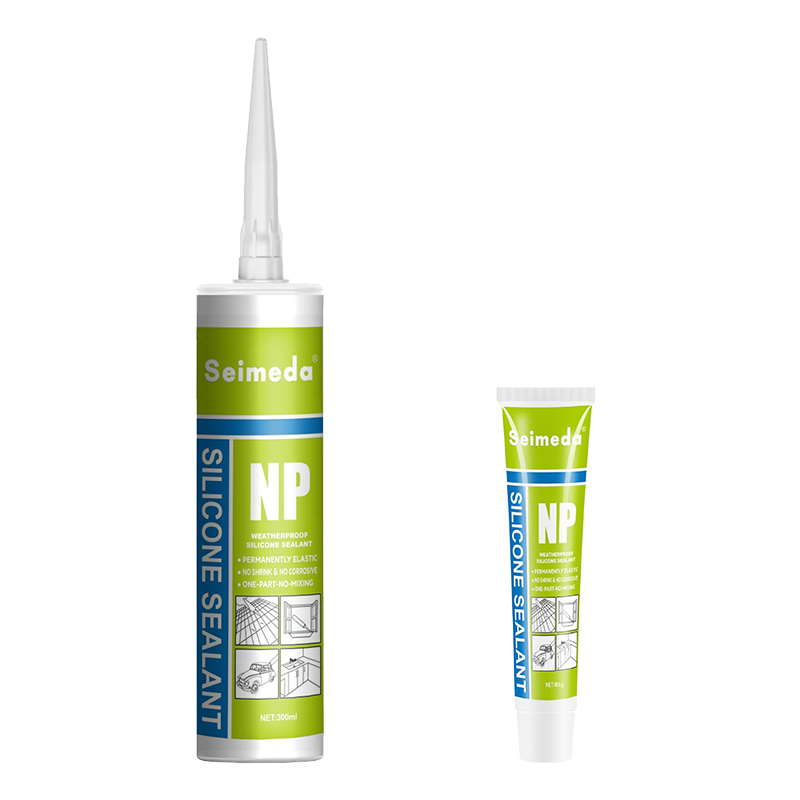
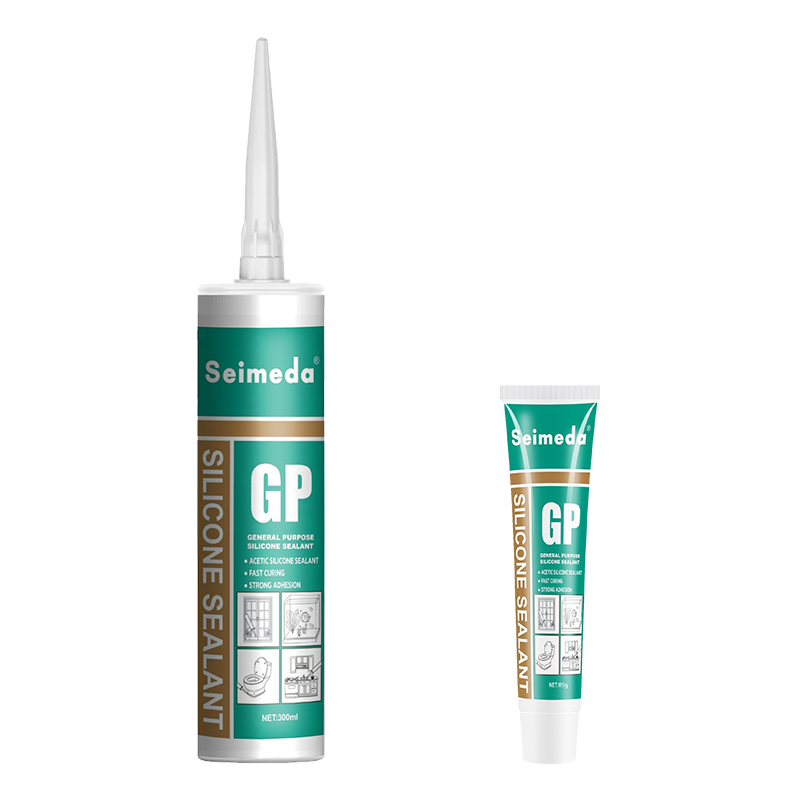
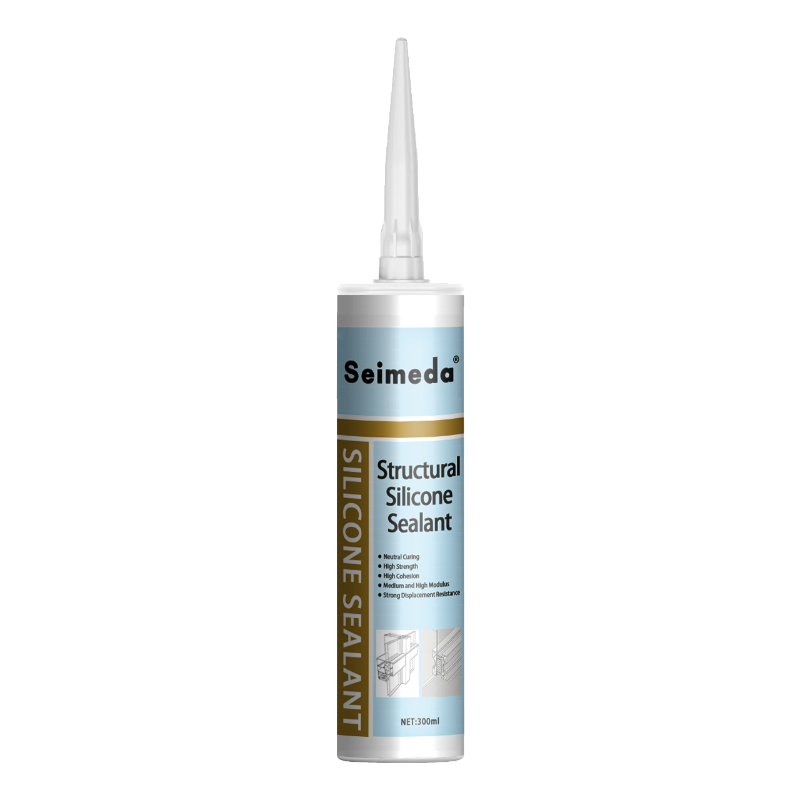
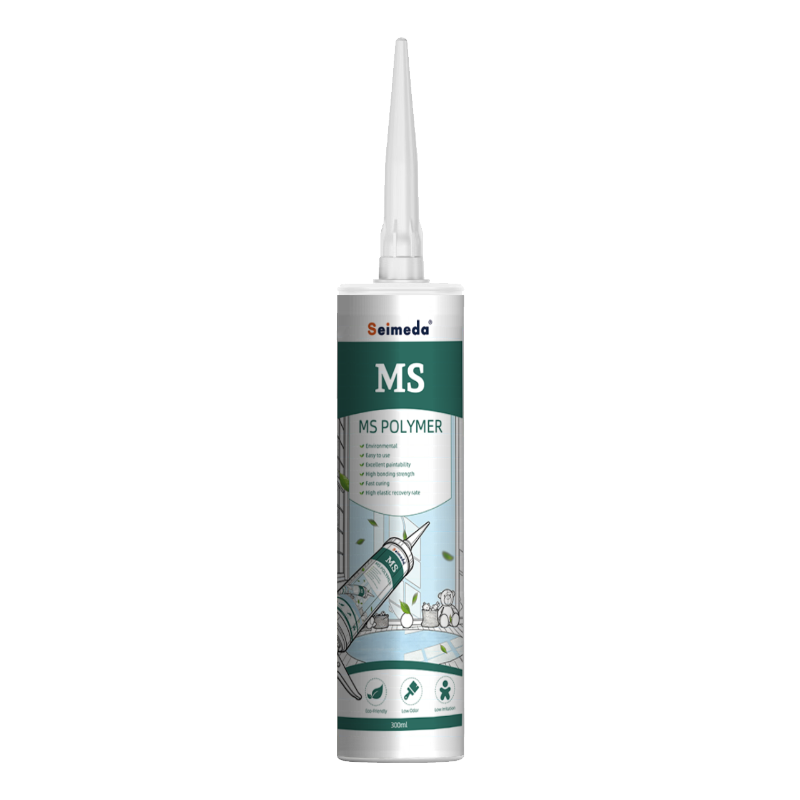
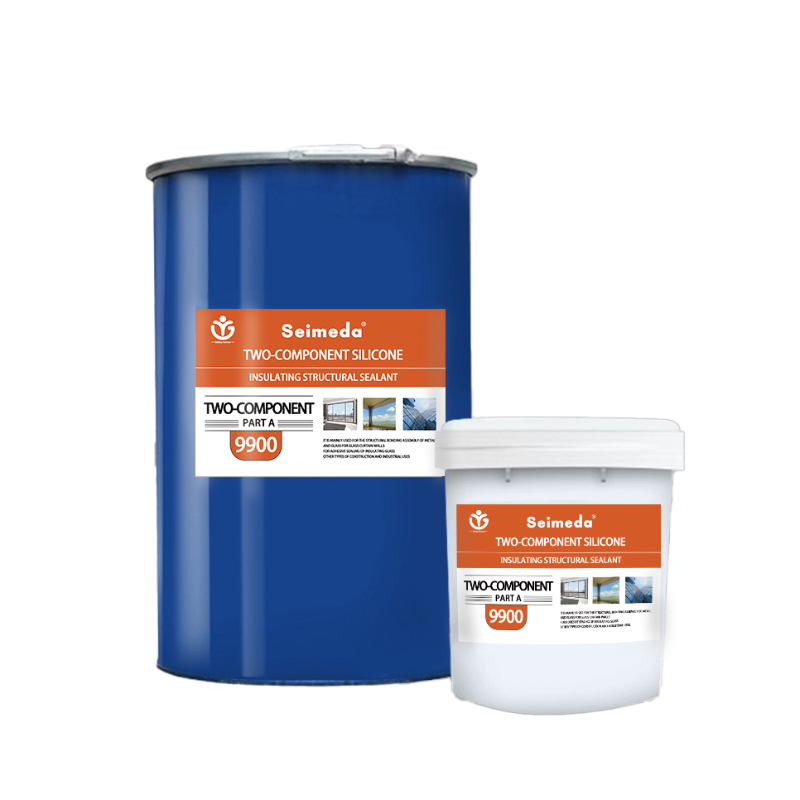
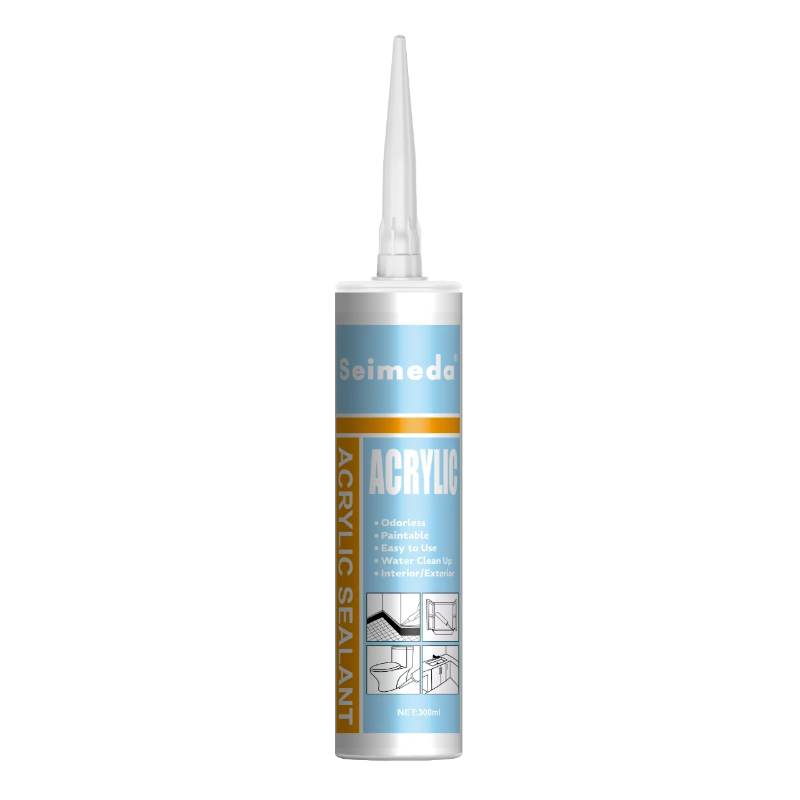
Choosing between GP acetic silicone sealant for glass, neutral cure silicone sealant for bathrooms, and other acetic vs neutral silicone sealant products can prevent leaks, corrosion, staining, and premature joint failure. The decision depends on substrate compatibility, moisture resistance, adhesion, curing speed, ventilation, and the sealant’s acetoxy cure, condensation-cure chemistry, and expected Shore A hardness. A glass installer may value rapid bonding, while a kitchen, façade, or electronics contractor may need low odor and non-corrosive curing.
Many sealant failures begin with a reasonable-looking but unsuitable purchase. A homeowner seals a ceramic basin with an acetic product and obtains a clean, durable joint. Another user applies the same product beside a brass fitting or on cement board and later notices discoloration, weak adhesion, or corrosion. Both experiences can be correct because the two silicone families release different by-products during curing and behave differently on porous, alkaline, or metal surfaces.
The most common questions are straightforward:
- Will acetic silicone damage metal, stone, concrete, or electronics?
- Is neutral silicone worth the higher cartridge price?
- Which sealant is better for a shower, window, kitchen worktop, façade, or expansion joint?
- Does a stronger smell mean stronger adhesion?
- How long should the joint remain dry before it is exposed to water?
The answer is not that one chemistry is universally better. General Purpose Acetoxy Silicone Sealant is usually the economical choice for compatible, non-porous materials. Neutral silicone is generally the safer choice when the joint includes sensitive metals, porous substrates, alkaline materials, painted surfaces, or enclosed occupied areas.
Why Compare General Purpose Acetoxy Silicone Sealant with Neutral Silicone?
Acetic silicone is commonly called acetoxy silicone because its curing reaction releases acetic acid, the substance responsible for its vinegar-like odor. It is a moisture-curing, one-component silicone. Atmospheric humidity reacts with the sealant from the outside inward, forming an elastic silicone rubber network.
A typical acetoxy sealant develops a surface skin in approximately 5–15 minutes at around 23°C and 50% relative humidity. Full cure commonly progresses at roughly 2–3 mm per 24 hours, although low humidity, deep joints, cold temperatures, and poor ventilation can extend the period. Many general-purpose products reach a cured hardness of approximately Shore A 20–35, but the technical data sheet for the specific product remains decisive.
General Purpose Acetoxy Silicone Sealant: How Acetic-Cure Silicone Works
- Strong adhesion to glass and glazed ceramics: The chemistry is well established for windows, shower screens, ceramic tiles, and sanitary ware.
- Fast skin formation: A 5–15 minute skin time can reduce dust pickup and accidental smearing during installation.
- Good water resistance after cure: Fully cured silicone is hydrophobic and can remain flexible through repeated wetting and drying cycles.
- Competitive price: In many markets, an acetoxy cartridge costs approximately 10–30% less than a comparable neutral product.
- Easy availability: It is widely stocked in hardware stores and commonly supplied in clear, white, black, and other standard colors.
General Purpose Acetoxy Silicone Sealant Advantages
- The acetic acid released during curing can promote corrosion on copper, brass, zinc, galvanized steel, and some unprotected electrical contacts.
- It may bond poorly to dusty, alkaline, or highly porous concrete, mortar, natural stone, and fiber-cement surfaces unless the manufacturer approves the substrate and a primer is used.
- The odor can be uncomfortable in small bathrooms, workshops, food-preparation areas, or occupied rooms.
- It is not automatically suitable for structural glazing, fire-rated joints, aquariums, mirrors, underwater use, or high-movement construction joints.
General Purpose Acetoxy Silicone Sealant Limitations
Neutral silicone uses a different crosslinking system. Depending on the formulation, it may release alcohols, oximes, or other neutral curing by-products rather than acetic acid. The exact chemistry matters: “neutral cure” is a family description, not a guarantee that every product is compatible with every material.
Neutral formulations are often selected for coated metals, aluminum, stainless steel, plastics, painted surfaces, masonry, natural stone, and sensitive components. They generally produce less vinegar odor, although some oxime-cure products can have a noticeable odor during curing. “Low odor” should therefore be confirmed in the safety data sheet and technical data sheet rather than assumed from the word “neutral.”
Neutral Silicone Sealant: When the Low-Odor Formula Is Better
- Broader substrate compatibility: Many neutral products adhere to metals, masonry, plastics, painted surfaces, and stone with lower corrosion risk.
- Lower acid exposure: The absence of acetic acid is beneficial near copper conductors, brass hardware, aluminum frames, and sensitive coatings.
- Better suitability for porous construction materials: Some neutral products are designed for concrete, brick, stone, and façade systems, although surface preparation remains essential.
- Reduced odor in occupied spaces: This can improve working comfort in bathrooms, hospitals, offices, hotels, and retail interiors.
- More formulation options: Neutral silicone is available in weatherproof, low-modulus, high-modulus, mold-resistant, non-staining, and façade-grade versions.
Neutral Silicone Sealant Advantages
- The purchase price is commonly higher, often by approximately 10–40%, depending on certifications and performance requirements.
- Some neutral products have a longer skin time or slower cure rate than acetoxy silicone. A typical skin time may be around 10–30 minutes, with cure rates near 2–3 mm per 24 hours.
- Neutral chemistry does not eliminate the need for cleaning, tooling, movement allowance, or adhesion testing.
- Some oxime-cure sealants may stain or interact with particular plastics, coatings, or natural stones. Product-specific compatibility testing is still necessary.
Neutral Silicone Sealant Limitations
The following values are practical industry ranges rather than universal specifications. Always compare the technical data sheets of the exact products, especially for movement capability, tensile strength, modulus, temperature resistance, and adhesion.
| Parameter | GP Acetic / Acetoxy Silicone | Neutral Silicone | Practical Meaning |
|---|---|---|---|
| Curing by-product | Acetic acid | Alcohol, oxime, or another neutral by-product | Determines odor, corrosion risk, and substrate compatibility |
| Typical skin time at 23°C/50% RH | Approximately 5–15 minutes | Approximately 10–30 minutes | Shorter skin time reduces dust pickup but leaves less tooling time |
| Typical cure progression | Approximately 2–3 mm per 24 hours | Approximately 2–3 mm per 24 hours | Deep joints require substantially longer than surface skin time |
| Odor during cure | Strong vinegar-like odor | Usually lower, but depends on cure system | Important in enclosed or occupied environments |
| Glass and glazed ceramic adhesion | Usually very good | Usually good to very good | Both can work when the manufacturer approves the surface |
| Metal compatibility | Limited on copper, brass, zinc, and unprotected steel | Generally broader, subject to testing | Neutral is normally the safer starting point for metal assemblies |
| Porous masonry and natural stone | Often limited or primer-dependent | Many products are designed for these surfaces | Check for staining, adhesion, and alkaline-surface compatibility |
| Typical cured hardness | Approximately Shore A 20–35 | Approximately Shore A 15–40, depending on grade | Hardness is not the same as adhesion or movement capability |
| Movement capability | Often ±20% for general-purpose grades | Often ±20% to ±25% for suitable grades | Use a certified construction-grade product for larger movement |
| Relative cartridge cost | Baseline: approximately 1.00 | Approximately 1.10–1.40 | Compare total project cost, not only cartridge price |
Parameter Comparison: General Purpose Acetoxy Silicone Sealant vs Neutral Silicone
Scenario Comparison: Which General Purpose Acetoxy Silicone Sealant Fits the Job?
Acetoxy silicone is often a logical choice for a glass shower screen, ceramic basin, glazed tile joint, or porcelain backsplash when the adjoining materials are non-porous and chemically compatible. It provides rapid skin formation and typically costs less. A mold-resistant sanitary-grade product should be selected for continuously damp areas; ordinary general-purpose silicone may not contain an appropriate fungicide package.
Neutral silicone is preferable when the shower includes aluminum profiles, brass trim, natural stone, painted surfaces, or a product specification requiring low odor. No silicone should be applied over wet, dusty, or soap-contaminated surfaces. Remove old sealant completely, clean with an appropriate solvent, allow the joint to dry, and perform an adhesion test.
Bathroom Glass, Ceramic Tile, and Sanitary Ware
For a basic glass-to-glass or glass-to-ceramic repair, acetoxy may be adequate. For aluminum frames, coated metal, insulated glass units, façade joints, or exterior weather exposure, a neutral weatherproof or façade-grade silicone is generally a safer selection. The product must also meet the required ultraviolet resistance, temperature range, movement class, and adhesion standards.
Windows, Aluminum Frames, and Exterior Glazing
Neutral silicone usually has the advantage on porous or alkaline substrates, but “neutral” alone does not guarantee non-staining performance. Natural stone can absorb low-molecular-weight components from a sealant and develop a dark or oily margin. Conduct a 48–72 hour test on an offcut or hidden area, particularly with marble, limestone, granite, or engineered stone.
Natural Stone, Concrete, Brick, and Cement Board
Acetic silicone should not be the default around copper, brass, zinc, galvanized steel, or exposed electronic contacts. Acetic acid vapors may increase corrosion risk in enclosed assemblies. Use a neutral, electronics-compatible product only when the manufacturer confirms dielectric behavior, outgassing, and adhesion requirements. For electrical equipment, silicone sealant is not a substitute for an approved enclosure gasket, insulation system, or fire barrier.
Metal, Electronics, and Electrical Enclosures
Both chemistries may work around compatible ceramic or glass components, but the product must be labeled for the intended hygiene and temperature conditions. “Food-safe” should mean that the cured product has relevant regulatory documentation; it should not be inferred merely from the absence of odor. Keep uncured sealant away from food-contact surfaces and observe the manufacturer’s cure time before use.
Kitchen Worktops, Sinks, and Food-Adjacent Areas
Suppose a small bathroom requires six 300 ml cartridges. If acetoxy silicone costs $5 per cartridge, the material cost is $30. A neutral alternative at $6.50 per cartridge costs $39, a difference of $9. That premium is modest compared with the labor cost of removing failed sealant, replacing corroded trim, or repairing water damage.
For a compatible glass-and-ceramic joint, the lower-cost acetoxy product may deliver the better value. For a façade, stone countertop, metal frame, or difficult-to-access joint, neutral silicone can be less expensive over the complete service life because it reduces compatibility risk. Compare:
- Cartridge price and required quantity
- Primer and cleaning requirements
- Expected service life and movement rating
- Downtime while the joint cures
- Risk of corrosion, staining, or rework
- Required certifications, such as weatherproofing, sanitary, fire, or structural glazing approvals
Price Analysis: Is Neutral Silicone Worth the Extra Cost?
Installer feedback tends to separate into two clear patterns. DIY users often praise acetoxy silicone because it skins quickly, adheres well to clean glass, and is easy to find locally. Professional contractors more frequently favor neutral products when a project contains several different substrates and the cost of a callback is high.
User Word-of-Mouth Evaluation and Field Cases
In an anonymized bathroom-maintenance case, a homeowner removed a five-year-old failed seal around a glass shower screen and replaced it with a sanitary acetoxy silicone. The joint was approximately 6 mm wide, the glass and glazed tile were cleaned and dried, and the shower remained unused for 48 hours. After six months of normal use, the joint remained visually intact with no reported leakage. This is a typical situation where acetoxy silicone can be a rational, economical choice.
Case 1: Shower Screen Resealing
In another installer-reported repair, acetoxy silicone was applied around an aluminum frame adjacent to brass hardware. Within several months, the brass showed surface discoloration and the sealant edge had poor adhesion in contaminated areas. The replacement used a neutral weatherproof silicone after mechanical removal, solvent cleaning, and a small adhesion test. The lesson is not that acetoxy always causes failure, but that acid-cure chemistry is a poor default when sensitive metals and exterior exposure are involved.
Case 2: Aluminum Window and Brass Hardware
A composite stone vanity was initially sealed with a low-cost clear silicone. A darkened margin appeared beside the joint after curing. The installer removed the sealant, tested a non-staining neutral product on a hidden offcut, and then resealed the basin. The replacement avoided the visible halo. This case demonstrates why a neutral, stone-approved, non-staining specification is more important than simply choosing the lowest cartridge price.
These cases are representative field examples rather than controlled laboratory trials. Product formulation, surface contamination, joint design, humidity, and installer technique can change the result. Independent user reviews are useful for identifying recurring odor, tooling, packaging, and adhesion complaints, but they cannot replace technical documentation or a site adhesion test.
Case 3: Natural-Stone Vanity
- Choose GP acetic silicone for clean glass, glazed ceramic, and low-cost indoor repairs. It is usually the most efficient option when no sensitive metal, porous stone, electronics, or special certification is involved.
- Choose neutral silicone for mixed-substrate joints. It is the safer general recommendation for aluminum, painted metal, masonry, natural stone, plastics, and exterior applications.
- Choose a certified specialty silicone for high-consequence work. Structural glazing, fire-rated penetrations, aquariums, façade movement joints, food-contact applications, and electrical equipment require product-specific approvals.
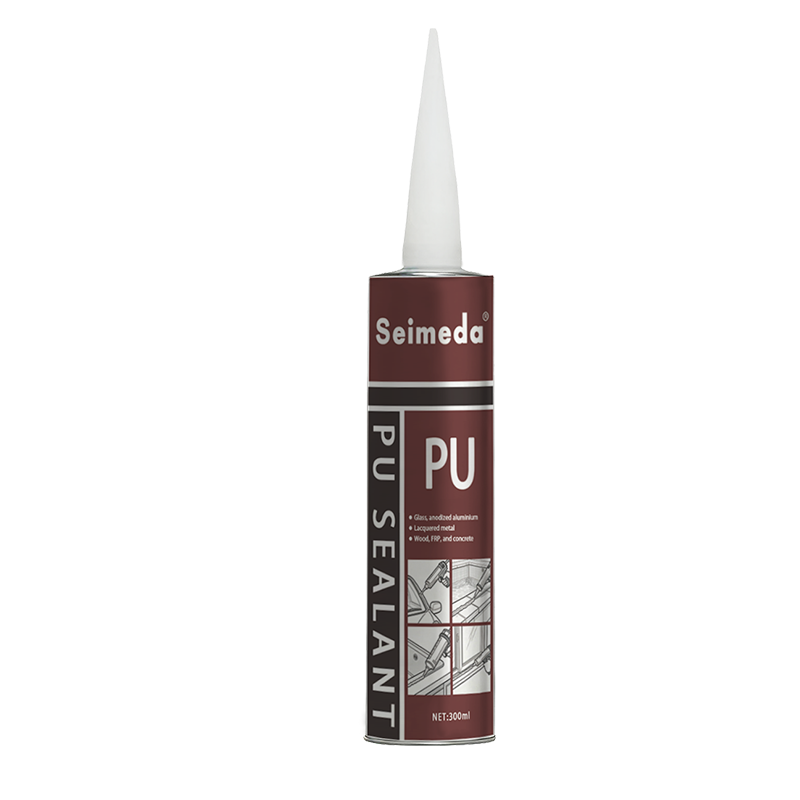
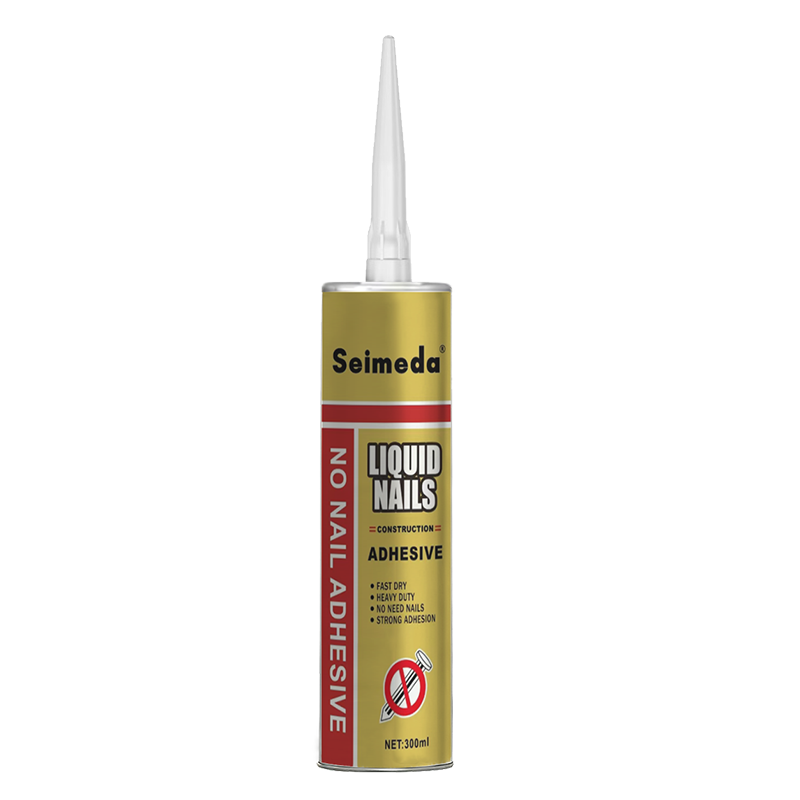
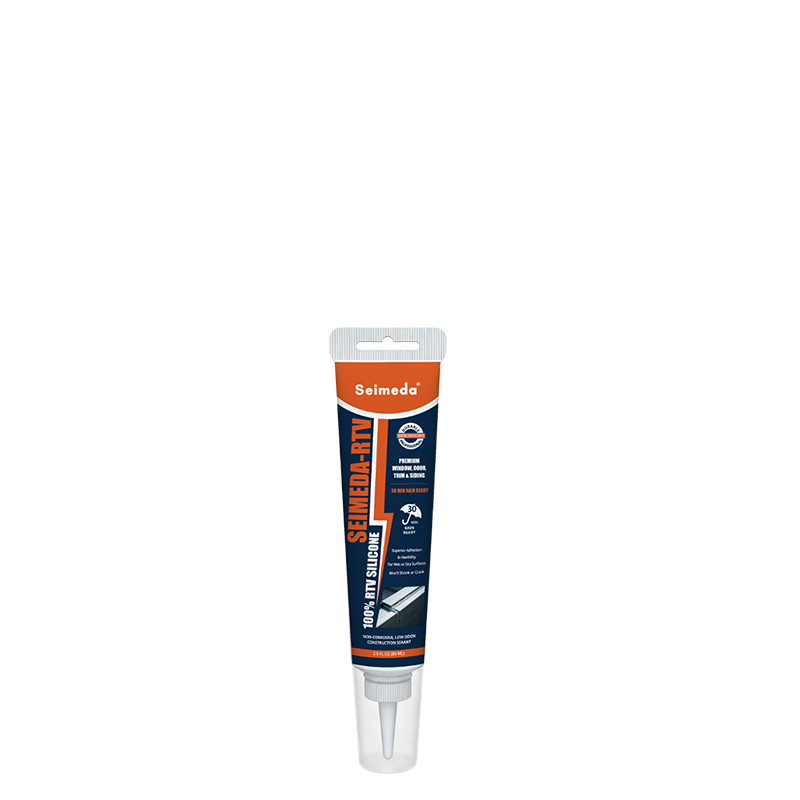
- Choose a supplier with clear technical documentation. Seimeda, for example, can be considered when the selected product provides a readable technical data sheet, safety data sheet, batch information, substrate guidance, and application instructions. The brand name should never replace checking the exact formulation and certification.
Objective Selection Guide: Ranked Recommendations
Application Process for General Purpose Acetoxy Silicone Sealant and Neutral Silicone
1. Inspect the Joint
Confirm the joint width, depth, expected movement, water exposure, temperature range, and adjoining materials. A sealant joint should not be used to compensate for structural movement, missing backing material, or an active leak.
2. Remove Failed Material
Cut and pull out old silicone mechanically. Silicone residue can significantly reduce adhesion, so wipe the surface with a manufacturer-approved cleaner and allow complete evaporation. Avoid spreading oily cleaners onto porous substrates.
3. Test Compatibility
Apply a small amount to an inconspicuous area or material offcut. Inspect adhesion after curing for at least 24–72 hours, depending on the substrate and product instructions. Check for staining, softening, discoloration, or edge lifting.
4. Control Joint Geometry
Use compatible backer rod where required so the sealant does not adhere to three sides of the joint. Three-sided adhesion can restrict movement and increase stress at the bond line. Follow the manufacturer’s recommended width-to-depth ratio; many movement joints use a sealant depth near half the joint width, subject to product instructions.
5. Apply and Tool Promptly
Apply a continuous bead without entrapped air. Tool the surface within the stated tooling window. Acetoxy products may skin in 5–15 minutes, while neutral products may provide 10–30 minutes, but temperature and humidity alter these values.
6. Allow Full Cure
Protect the joint from water, dust, vibration, and contact until cured. A surface that feels dry is not necessarily fully cured beneath the skin. At a cure rate of approximately 2–3 mm per 24 hours, a deep joint may need several days before it reaches its intended properties.
Who Should Choose Each Sealant?
GP Acetic Silicone Is Suitable For
- Glass-to-glass joints
- Glazed ceramic and porcelain
- Indoor shower and basin edges when approved for sanitary use
- Small household repairs on clean, non-porous surfaces
- Projects where rapid skin formation and low material cost are priorities
GP Acetic Silicone Is Not Suitable For
- Unprotected copper, brass, zinc, or sensitive electrical contacts
- Unverified natural stone or porous masonry
- Structural glazing, fire-rated joints, or underwater applications without certification
- Applications where vinegar-like odor cannot be tolerated
Neutral Silicone Is Suitable For
- Aluminum frames, coated metals, and mixed-material assemblies
- Natural stone and masonry when the product is documented as compatible
- Exterior weatherproofing and façade joints with the correct movement rating
- Occupied interiors where lower odor is beneficial
- Projects where corrosion and staining risk justify a higher material cost
Neutral Silicone Is Not Automatically Suitable For
- Every type of plastic, coating, or stone
- Structural or fire-rated work without the required certification
- Wet surfaces or contaminated joints
- Applications where the product’s cure system, modulus, or movement rating is unknown
FAQ: General Purpose Acetoxy Silicone Sealant vs Neutral Silicone
Is acetic silicone stronger than neutral silicone?
Not necessarily. Tensile strength, elongation, modulus, tear strength, and adhesion depend on the formulation rather than the cure type alone. A neutral construction-grade silicone may outperform a low-cost acetoxy product, while a high-quality acetoxy silicone may adhere better to clean glass than an unsuitable neutral product.
Can GP acetic silicone be used on aluminum?
Some products may be compatible with certain aluminum surfaces, but it should not be assumed. Check the technical data sheet and perform an adhesion and staining test. For coated aluminum, sensitive alloys, or enclosed metal assemblies, a compatible neutral product is generally the safer starting point.
Can neutral silicone be used in a bathroom?
Yes, provided it is rated for sanitary or wet-area use and contains the required mold-resistance system. A general-purpose neutral sealant may not provide the same fungal resistance as a sanitary-grade formulation.
How long after applying silicone can I use the shower?
Follow the product label. Although the surface may skin within minutes, many installations should remain dry for at least 24 hours; deep joints, cool conditions, and low humidity may require 48 hours or longer. Full cure is controlled by moisture diffusion and joint depth.
Does acetic silicone damage mirrors?
It can damage mirror backing or create compatibility problems if the product is not approved for mirror installation. Use a mirror-compatible, neutral-cure adhesive or sealant and follow the mirror manufacturer’s instructions. Never rely on a general-purpose label alone.
Is Seimeda acetic or neutral silicone better?
The correct answer depends on the specific Seimeda product, not only the brand. Compare its cure chemistry, movement rating, substrate list, service temperature, mold resistance, certifications, and cure time with the demands of the project. Request the technical data sheet before placing a bulk order.
Final Decision: Which One Should You Choose?
Choose GP acetic silicone when the joint is primarily clean glass or glazed ceramic, the area is ventilated, no sensitive metal or porous stone is present, and the project benefits from a 5–15 minute skin time and lower cartridge cost. Choose neutral silicone when the assembly includes aluminum, brass, painted metal, masonry, natural stone, plastics, electronics, or exterior weather exposure, or when reduced acid odor and broader compatibility justify the additional cost. Before buying, verify the technical data sheet, perform a small adhesion test, and select the correct sanitary, weatherproof, non-staining, or specialty grade. This process connects the long-tail needs of GP acetic silicone sealant for glass, neutral cure silicone sealant for bathrooms, and acetic vs neutral silicone sealant with the practical requirements of moisture resistance, substrate adhesion, and curing speed, while accounting for acetoxy cure, condensation-cure behavior, and Shore A hardness.
Next step: List every material touching the joint, measure the joint width and depth, identify whether it is indoor or outdoor, and request the relevant Seimeda or alternative product data sheet. If the materials include stone, metal, electronics, or a high-consequence façade joint, do not select solely by color or price—complete a compatibility test and obtain the required certification before application.

