








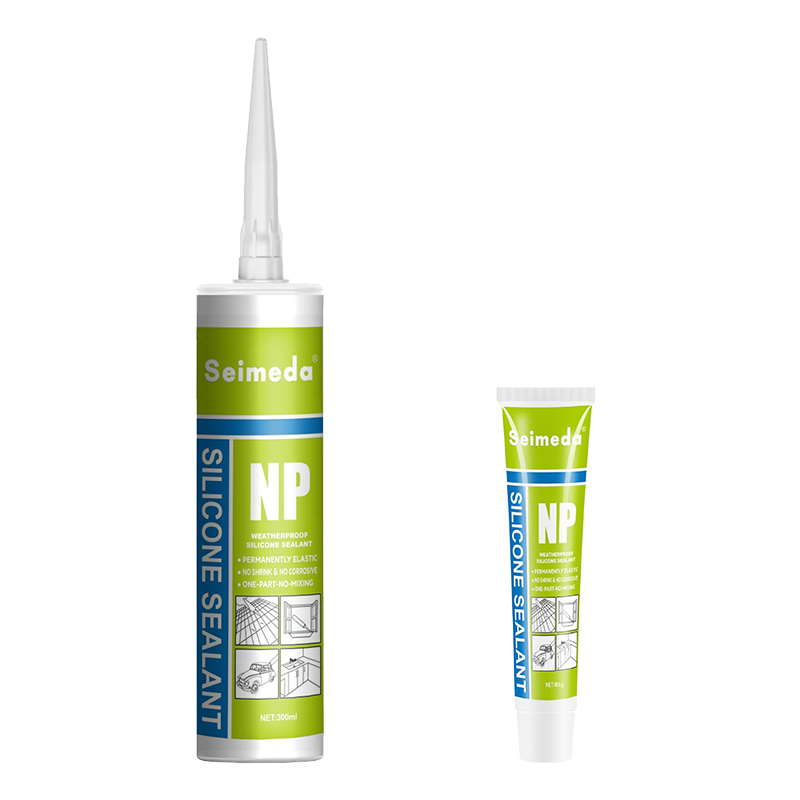
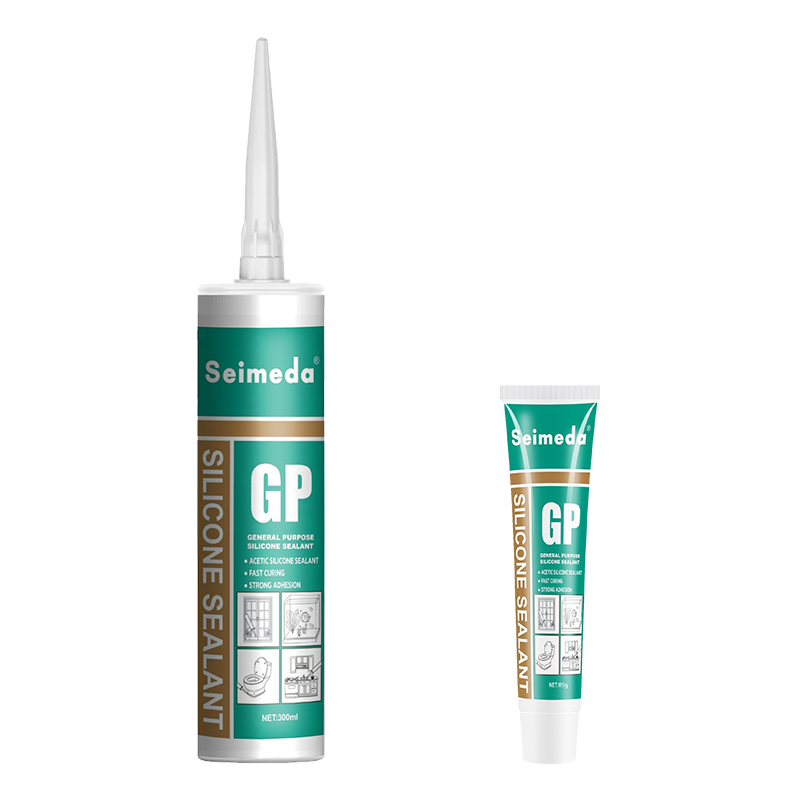
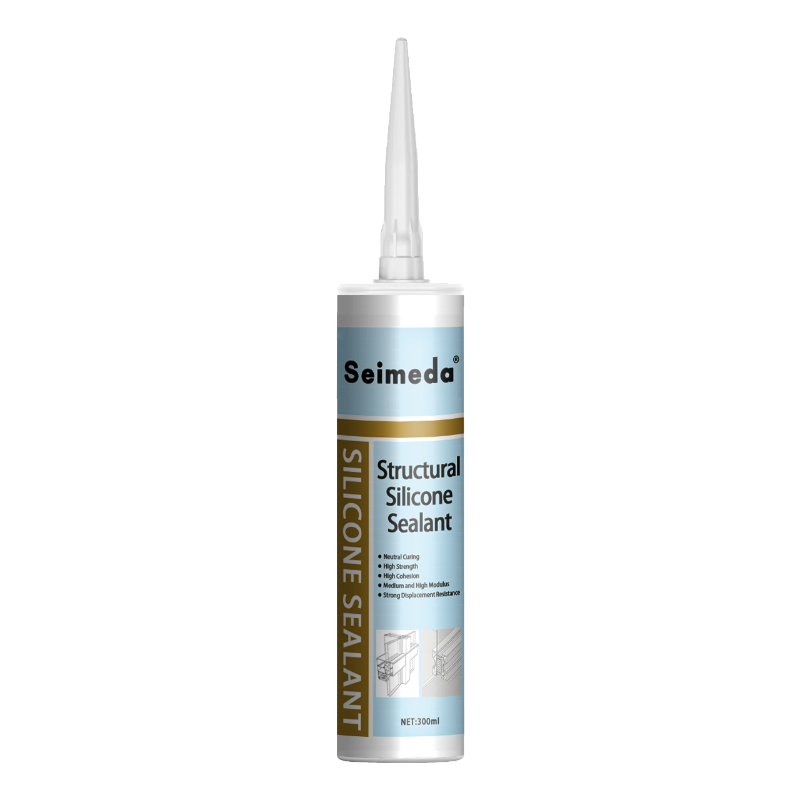
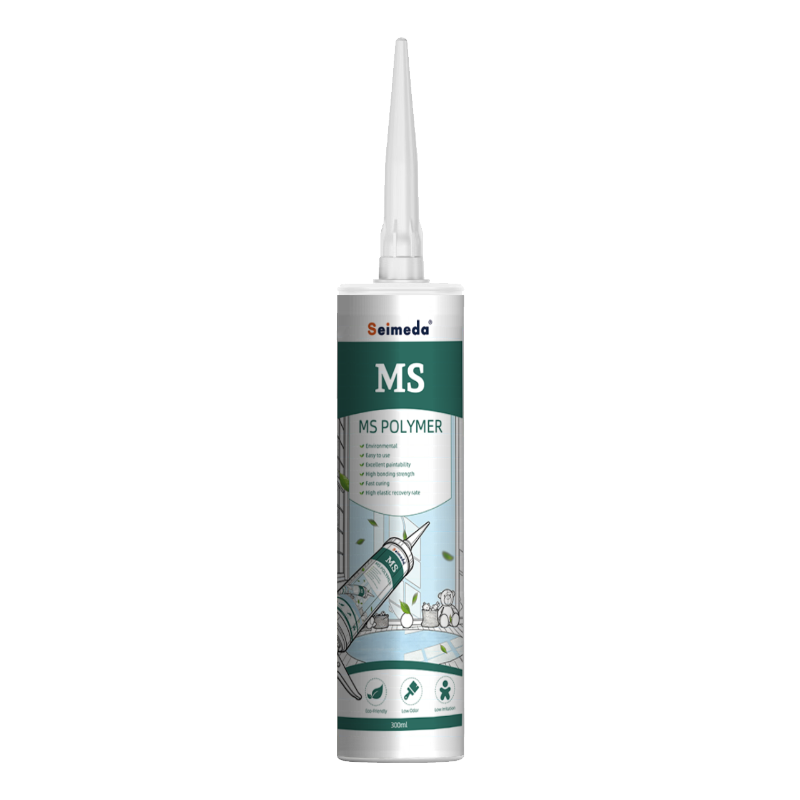
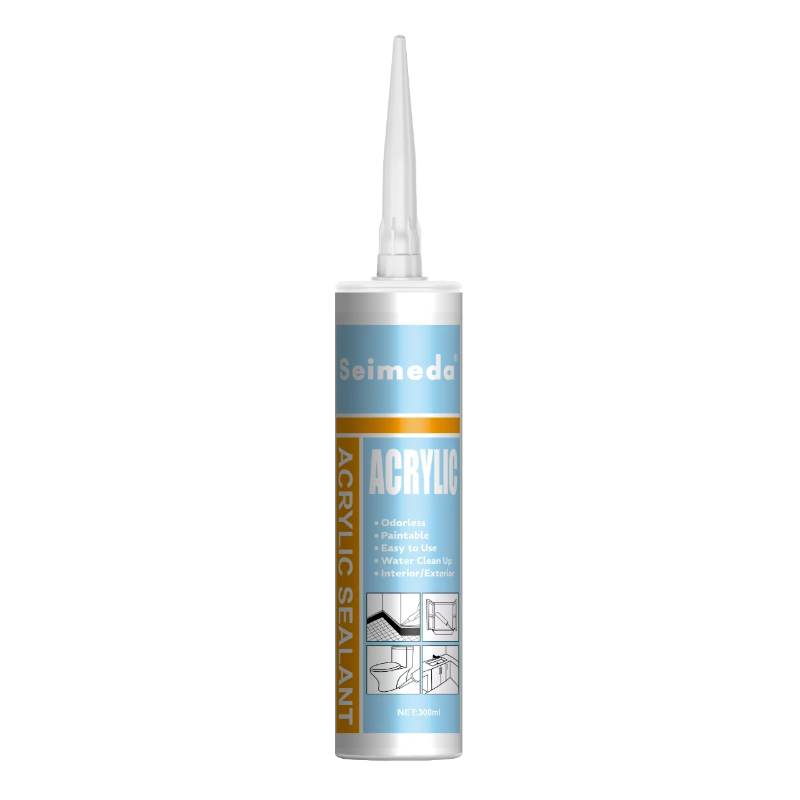
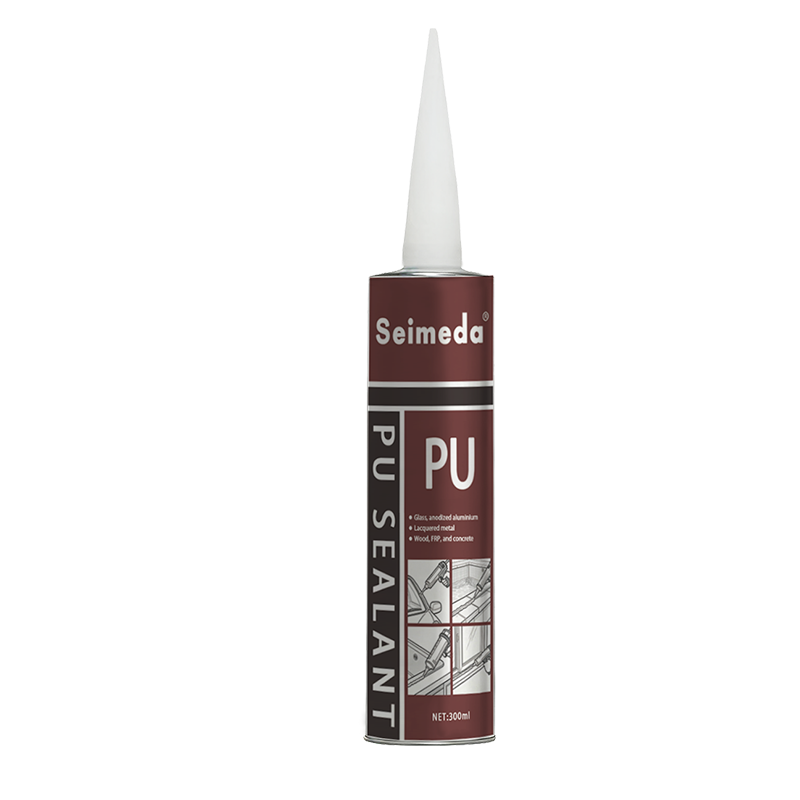
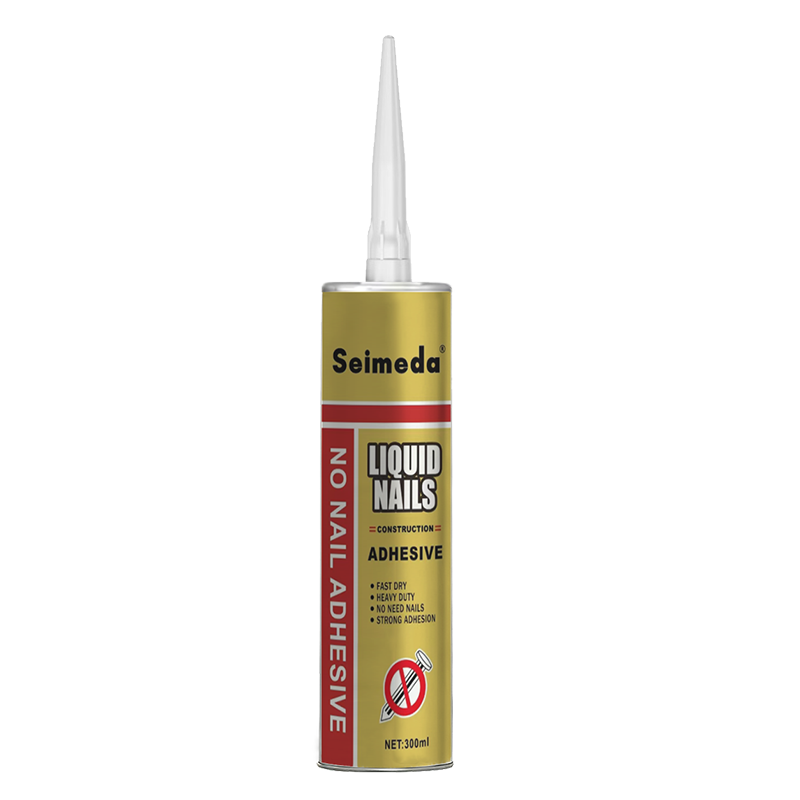
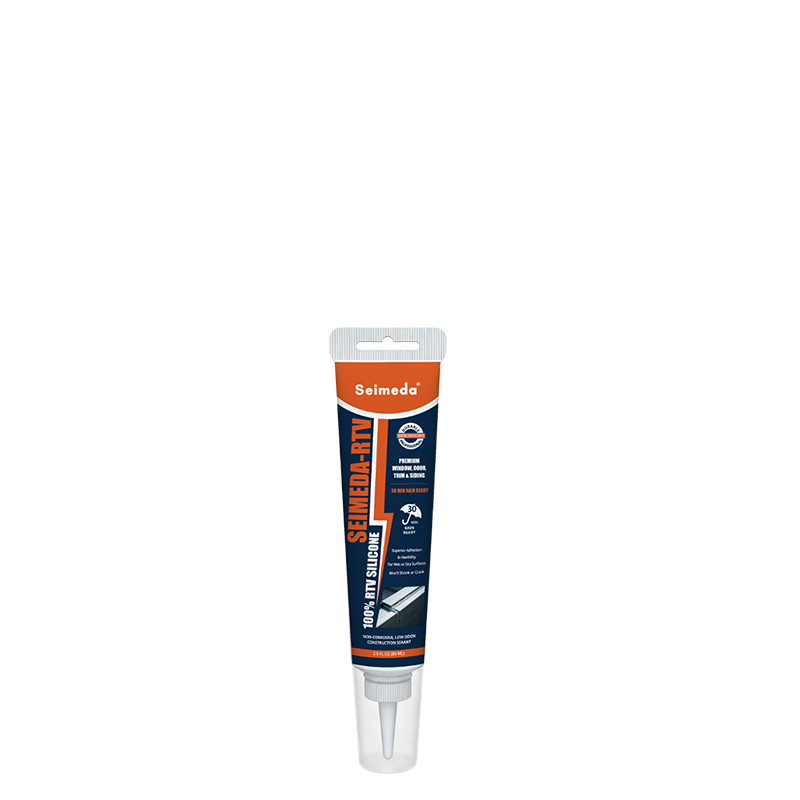
When a bathroom edge leaks, a glass panel rattles, or a window frame needs a quick weather seal, a GP acetic silicone sealant can be a practical fix—but only when the substrate is compatible. This review examines GP acetic silicone sealant adhesion on glass, acetoxy silicone curing time, and silicone sealant application temperature limits through a repeatable hands-on test. It also explains one-component silicone behavior, mildew resistance, and joint movement, using professional measures such as tensile adhesion, skin-over time, and Shore A hardness. The Seimeda product shown below is included as a reference for readers comparing general-purpose sealants.

General Purpose Acetoxy Silicone Sealant: Who Should Use It?
DIY users usually choose GP silicone for three reasons: the joint must become water-resistant without mixing components, the surface is relatively smooth, and the repair needs to be completed with a caulking gun rather than specialist equipment. A typical acetoxy sealant is a moisture-curing, one-component product. It releases acetic acid during cure, which explains the vinegar-like odor and also limits its use on certain metals, masonry surfaces, and sensitive materials.
It is generally suitable for non-porous glass, glazed ceramic, porcelain, many painted surfaces, and some aluminum applications after compatibility testing. It is less suitable for natural stone, concrete, galvanized steel, copper, brass, zinc, polycarbonate, polyethylene, polypropylene, and surfaces that remain oily or dusty. “General purpose” does not mean “universal.” The sealant still depends on substrate preparation, joint design, humidity, temperature, and movement.
Typical users and practical scenarios
- Homeowners: sealing a sink backsplash, shower screen, ceramic tile edge, or interior window joint.
- Maintenance teams: making small weather-sealing repairs where the joint is exposed to occasional rain but not structural loading.
- Glazing installers: sealing compatible glass-to-glass or glass-to-glazed-ceramic joints after checking the manufacturer’s adhesion guidance.
- Workshop users: creating a flexible gasket around non-critical enclosures, provided the sealant is not exposed to fuel, solvents, or high temperatures beyond the technical data sheet.
Seimeda GP Acetic Silicone Sealant Unboxing and Initial Inspection
The first inspection should focus less on packaging appearance and more on information needed for a safe installation. Before opening a cartridge, check the manufacturing date, shelf life, batch number, nozzle condition, recommended substrates, cure speed, application temperature, service temperature, and whether the product is described as sanitary, weatherproof, or only general purpose.
For a fair evaluation, the cartridge should be stored at room temperature for at least 12 hours. A cold cartridge is harder to extrude and can make a normal sealant appear defective. The nozzle should be cut at approximately 45 degrees, with the opening sized to the joint rather than cut excessively wide. A smaller opening gives better control around glass and tile edges.
What was checked before application
- Cartridge extrusion consistency using a standard manual caulking gun.
- Bead stability on vertical ceramic tile and horizontal glass.
- Skin-over behavior at approximately 23°C and moderate indoor humidity.
- Adhesion after curing on glass, glazed ceramic, aluminum, and a porous cement board.
- Acid odor and visible shrinkage during the first 72 hours.
- Ease of tooling with a plastic smoothing tool and a light soap-water solution.
This is a practical comparison method, not a certified laboratory test. Tensile adhesion, elongation, modulus, Shore A hardness, and movement capability should be taken from the exact Seimeda technical data sheet or verified through an accredited laboratory if the joint is safety-critical.
GP Acetic Silicone Sealant Adhesion Test Results
Adhesion was strongest on clean, dry, non-porous surfaces. On glass and glazed ceramic, the bead remained attached during a manual peel check after curing. Aluminum performed acceptably when degreased and lightly abraded, although bare and oxidized aluminum can behave differently. The cement board sample showed a weaker edge because the porous substrate absorbed contamination and offered a less consistent bonding surface.
| Substrate | Observed result in hands-on screening | Preparation required | Risk level |
|---|---|---|---|
| Clear glass | Good wetting and continuous contact after cure | Isopropyl alcohol or suitable glass cleaner; dry completely | Low, if the joint is non-structural |
| Glazed ceramic | Stable bead with clean tooling | Remove soap film, scale, and dust | Low |
| Painted aluminum | Dependent on paint adhesion rather than silicone alone | Clean without damaging the coating; test a hidden area | Medium |
| Bare aluminum | Potentially acceptable, but surface condition changes the result | Degrease and conduct a peel test | Medium |
| Concrete or cement board | Inconsistent edge adhesion on porous material | Remove dust; primer may be required | Medium to high |
| Natural stone | Not recommended without a stain and compatibility test | Use a stone-safe neutral-cure product where specified | High |
How to perform a simple adhesion check
Apply a 100 mm bead to a prepared offcut or hidden area. Allow it to cure for at least 72 hours, then cut both sides of the bead with a sharp blade and pull it away slowly. Adhesive failure appears as a clean separation from the substrate. Cohesive failure leaves silicone residue on the surface and indicates that the cured bead itself tore before the bond released. This field check does not replace a standardized tensile adhesion test, but it can reveal contamination, incompatible coatings, and poor surface preparation before a full installation.
Acetoxy Silicone Curing Time and Temperature Limits
Acetic silicone does not “dry” by evaporation. It cures when atmospheric moisture reacts with the silicone polymer. The outer surface normally forms a skin first, while the center cures later. Many one-component acetoxy products develop a skin within roughly 5 to 20 minutes at room temperature and cure at approximately 2 to 3 mm per 24 hours, but these values vary by formula, bead thickness, humidity, and temperature. The cartridge label and technical data sheet remain the controlling sources.
In a 6 mm bead, the center may remain uncured after the surface feels firm. A thick triangular fillet can therefore appear finished while still being soft underneath. For a deep joint, use backer rod or apply the sealant in a geometry that allows moisture access. Do not fill a deep cavity with one thick mass and assume that surface skin means complete cure.
Environmental conditions that change curing
- Temperature: low temperatures usually slow curing and increase extrusion force. High temperatures can shorten tooling time.
- Humidity: moderate humidity generally supports faster moisture curing. Very dry air slows the reaction.
- Bead thickness: thicker sections cure from the outside toward the center.
- Ventilation: improves odor dissipation but does not replace moisture needed for curing.
- Water exposure: avoid direct water contact until the surface and interior have cured according to the product instructions.
For a bathroom repair, a conservative approach is to leave the joint undisturbed for at least 24 hours and avoid prolonged water exposure for 48 to 72 hours unless the manufacturer specifies otherwise. A heavily loaded or continuously wet joint should be given more time. Acetic acid odor is a useful warning that curing is still occurring, but odor disappearance alone does not prove full cure.
Application Limits of General Purpose Acetoxy Silicone Sealant
Surfaces that require caution
Acetoxy silicone can corrode or discolor some metals because acetic acid is released during cure. Copper, brass, zinc, galvanized steel, and certain plated finishes deserve particular caution. The same chemistry can also create compatibility problems with alkaline or porous building materials. Natural stone may suffer edge staining, and some plastics have low surface energy that prevents reliable adhesion.
For polycarbonate, acrylic, ABS, PVC, polyethylene, and polypropylene, perform a compatibility and adhesion test on the actual grade of plastic. A sealant that adheres to one plastic formulation may fail on another. For structural glazing, aquariums, load-bearing joints, fire-rated penetrations, engine components, fuel systems, or underwater applications, use a product specifically approved for that purpose rather than a GP cartridge.
Movement, joint size, and service exposure
Silicone remains flexible after cure, but flexibility does not make it a structural adhesive. The joint must be designed so the sealant is bonded to two sides rather than three. A backer rod or bond-breaker tape helps control depth and reduces stress. Avoid smearing silicone across the back of a joint where it can become bonded on three sides and tear during movement.
Do not use a general-purpose acetoxy sealant where the joint is exposed to continuous abrasion, fuel, aggressive solvents, food-contact requirements, steam at elevated temperature, or sustained temperatures outside the stated service range. Also avoid applying it over wet, dusty, greasy, friable, or frost-covered surfaces. These limits are more important than the product’s initial bead appearance.
Hands-On Application Process for GP Acetic Silicone
- Remove the old sealant: Cut both edges with a sharp blade and lift away the old bead. Silicone residue can prevent a new bead from bonding.
- Clean the joint: Remove soap deposits, dust, grease, mold, and loose paint. Use a compatible solvent and allow the surface to dry fully.
- Mask the edges: Apply painter’s tape for a straight line, especially on tile, glass, and painted surfaces.
- Prepare the cartridge: Pierce the inner seal, cut the nozzle at a 45-degree angle, and choose an opening slightly smaller than the desired bead width.
- Apply continuously: Keep steady trigger pressure and move the gun at a consistent speed. Stop and restart only at a corner or planned joint.
- Tool promptly: Smooth the bead before skin formation. Excessive soap solution can contaminate adjacent surfaces, so use it sparingly.
- Remove tape: Pull the tape away while the sealant is still workable.
- Allow full cure: Protect the joint from movement, dust, and water for the period stated by the manufacturer.
In the screening test, the easiest improvement came from preparation rather than from applying a thicker bead. A clean 6 mm joint was easier to tool and cured more consistently than a roughly applied 12 mm fillet. Users who report “poor adhesion” often find that the failure begins at the interface where old silicone, detergent film, or uncured paint remained.
Realistic User Case: Shower Screen Repair
A representative home-maintenance scenario is a shower screen whose bottom edge allowed water onto the bathroom floor. The user removed the old silicone, scraped away visible residue, cleaned the glazed tile and glass, and allowed both surfaces to dry overnight. A new bead was applied at approximately room temperature and left without shower use for two days. The repair controlled splash leakage during normal use, but the result depended on the seal being bonded only to the intended glass and tile faces.
This case should not be interpreted as a guaranteed service-life claim. A shower joint can fail again if the screen moves, the tile is loose, the joint remains permanently submerged, or mold is trapped behind the old sealant. For a leaking frame, structural movement, or hidden water damage, replacing the damaged component is more reliable than repeatedly adding silicone.
GP Acetic Silicone Compared With Competing Sealant Types
| Sealant type | Main advantage | Main limitation | Best use |
|---|---|---|---|
| Acetoxy silicone | Fast surface skin, flexible cured bead, strong performance on many glass and glazed surfaces | Acidic cure can be incompatible with some metals, stone, and plastics | Non-porous interior joints and light weather sealing |
| Neutral-cure silicone | Lower corrosion risk and broader material compatibility | Often costs more and may cure or tool differently | Metal, stone, coated surfaces, and sensitive substrates |
| Acrylic latex | Easy cleanup and paintability on suitable interior joints | Usually less water and movement resistance than silicone | Low-movement dry interior cracks |
| Polyurethane | Good abrasion and movement performance in many construction applications | More difficult cleanup and greater sensitivity to substrate and moisture conditions | Construction joints specified for polyurethane chemistry |
| MS polymer | Broad adhesion potential and low-odor curing in many formulations | Performance differs substantially by product and can be more expensive | Projects requiring a hybrid sealant with wider substrate coverage |
Ranking by application rather than advertising claims
- Best for glass-to-glazed ceramic: GP acetoxy silicone, if the joint is non-structural and the surfaces are clean.
- Best for natural stone or sensitive metal: neutral-cure silicone designed for those materials.
- Best for a paintable dry interior crack: acrylic latex, where movement and water exposure are limited.
- Best for specified construction movement joints: a tested polyurethane or MS polymer selected for the joint design.
Seimeda’s GP acetoxy silicone is therefore most logically considered for compatible glass, ceramic, and similar non-porous maintenance joints. It should not be selected solely because the label says “general purpose.” The substrate list, movement rating, service temperature, and cure data determine whether it is the correct product.
Ratings and Buying Recommendation
| Category | Rating | Reason |
|---|---|---|
| Glass and glazed ceramic adhesion | 4/5 | Strong practical fit when surfaces are clean and dry |
| Application control | 4/5 | Simple one-component cartridge format and easy tooling |
| Cure predictability | 3.5/5 | Reliable at moderate conditions, but bead thickness and humidity matter |
| Material compatibility | 3/5 | Acetic chemistry restricts some metals, stone, plastics, and coated surfaces |
| Professional or structural use | 2/5 | A GP sealant should not substitute for a product with project-specific approval |
Recommendation: Buy a GP acetic silicone when you need a flexible, moisture-resistant seal on compatible non-porous surfaces and can allow adequate curing time. Choose a neutral-cure, sanitary, high-temperature, structural, or specialty product when the substrate or exposure demands it. Always verify the current Seimeda technical data sheet because formulas, colors, packaging, and performance values can vary by market and production batch.
Frequently Asked Questions About General Purpose Acetoxy Silicone Sealant
Is GP acetic silicone waterproof?
A cured silicone bead can resist water and splash exposure, but waterproofing depends on continuous adhesion, correct joint geometry, and an intact substrate. It is not a substitute for a tanking membrane, drainage system, or structural waterproofing design.
How long does acetoxy silicone take to cure?
Many products skin in approximately 5 to 20 minutes and cure at about 2 to 3 mm per 24 hours under moderate conditions. Treat these as common ranges, not guarantees. Read the exact product data sheet and allow longer for thick beads, cold conditions, or dry air.
Can I use acetoxy silicone on aluminum?
It may work on some aluminum surfaces, but test first. Clean aluminum, coated aluminum, anodized aluminum, and oxidized aluminum can produce different results. Neutral-cure silicone is often the safer choice for sensitive or high-value metal finishes.
Why does the sealant smell like vinegar?
Acetoxy silicone releases acetic acid during moisture curing, creating a vinegar-like odor. Ventilate the area and avoid using it where the acidic cure chemistry could damage the substrate or affect occupants with sensitivity.
Can GP silicone be painted?
Most cured silicone surfaces are difficult or impossible to paint reliably because common coatings do not bond well to the low-surface-energy material. If painting is required, select a paintable acrylic, polyurethane, or hybrid sealant specified for that purpose.
Can I apply new silicone over old silicone?
Usually not reliably. Remove the old bead mechanically, clean the joint, and dry it before applying the replacement. New silicone generally has poor adhesion to cured silicone residue.
Is acetoxy silicone safe for aquariums?
Do not assume that a general-purpose or sanitary silicone is aquarium-safe. Use only a product explicitly specified and tested for aquarium construction, and follow its cure and water-contact instructions.
What is the key difference between acetoxy and neutral-cure silicone?
Acetoxy silicone releases acetic acid and commonly adheres well to glass and glazed surfaces. Neutral-cure silicone uses a different curing reaction and is often more compatible with metals, stone, and sensitive materials. Neither chemistry is automatically better for every joint.
For a dependable repair, match the chemistry to the substrate, keep the joint clean and dry, control bead depth, and respect the stated curing conditions. The practical value of GP acetic silicone sealant adhesion on glass, predictable acetoxy silicone curing time, and the correct silicone sealant application temperature limits comes from using the product within its design range—not from applying it to every surface labeled “general purpose.”

