



WhatsApp: +86 178 6574 8088

E-mail: jackyalum@163.com
English

WhatsApp: +86 178 6574 8088
E-mail: jackyalum@163.com
Related Products
Date: 11 Sep, 2026
Choosing between an acetoxy silicone sealant for bathroom tiles and a sanitary silicone sealant for a kitchen sink can prevent peeling joints, black mold, and water damage. Many homeowners also search for the best silicone sealant for shower corners, but the word “sanitary” describes performance and intended use—not always the curing chemistry. The key terms are mold-resistant caulk, neutral-cure silicone, and waterproof joint sealant, while the technical differences involve acetic acid cure, ASTM C920 movement capability, and Shore A hardness. This guide compares adhesion, curing, mold resistance, cost, application, and real-world suitability.
A leaking shower corner, a loose kitchen backsplash joint, or a darkened bathtub seam usually indicates one of three problems: the wrong sealant chemistry, poor surface preparation, or exposure to water before the sealant has cured. Acetoxy silicone is often inexpensive and adheres strongly to glass and glazed ceramic. Sanitary silicone is formulated for wet areas and commonly includes a fungicide, but its performance depends on the product specification rather than the label alone.
There is an important distinction:
Therefore, an acetoxy sealant can also be sanitary-grade, while some sanitary sealants are neutral-cure products designed for sensitive substrates.
General-purpose acetoxy silicone uses moisture from the air to form a flexible silicone elastomer. During cure, the formulation releases acetic acid. This explains the familiar vinegar odor and the possibility of corrosion or surface incompatibility on certain materials.
Typical one-component acetoxy products show the following performance range, although the technical data sheet must take priority:
| Property | Typical range for acetoxy silicone | Practical meaning |
|---|---|---|
| Skin formation time | Approximately 5–15 minutes at 23°C and 50% relative humidity | The exposed surface begins to form a film; tooling should normally be completed within this period. |
| Cure rate | Approximately 2–3 mm per 24 hours | A deep bead may remain uncured internally for several days. |
| Service temperature | Commonly about −40°C to 150°C | Suitable for normal bathroom and kitchen temperature changes, subject to the product label. |
| Movement capability | Often ±20% to ±25% | The joint can accommodate moderate expansion and contraction if correctly sized. |
| Hardness | Often approximately 20–30 Shore A | The cured rubber remains flexible rather than becoming rigid like cement grout. |
Acetoxy silicone is usually effective on nonporous, glazed surfaces, including:
Its main advantages are strong initial adhesion, easy tooling, wide availability, and a lower retail price. A 280–300 ml cartridge often costs approximately US$4–10 for a general-purpose product, while branded or certified versions may cost more.
Acetic acid can attack or stain some substrates. Avoid direct use, or choose a neutral-cure alternative, when sealing:
Always perform a small adhesion and staining test. A sealant that bonds to a glossy ceramic tile may still fail on the adjacent grout, stone, or painted wall.
Sanitary silicone is formulated for areas exposed to repeated humidity, splashing, condensation, and occasional cleaning chemicals. Many products contain a fungistatic or fungicidal additive intended to slow fungal growth on the sealant surface. This is different from claiming that the joint can never develop mold.
Mold growth depends on several factors:
A sanitary sealant may use either acetoxy cure or neutral cure. Check the technical data sheet for phrases such as “acetoxy cure,” “neutral cure,” “fungicide,” “EN 15651-3,” “ASTM C920,” or a stated mold-resistance test method.
Compared with ordinary general-purpose caulk, a quality sanitary product can provide:
Premium sanitary silicone commonly costs approximately US$7–18 per 280–300 ml cartridge. This price difference is generally justified when the joint is difficult to replace, exposed to daily water, or located in a poorly ventilated bathroom.
| Comparison parameter | General-purpose acetoxy silicone | Sanitary silicone | Practical recommendation |
|---|---|---|---|
| Primary definition | Curing chemistry | Wet-area purpose and formulation | Do not compare the labels as exact opposites. |
| Cure by-product | Acetic acid | Acetic acid or alcohol/oxime-type chemistry, depending on product | Use neutral cure for sensitive metals, stone, or alkaline surfaces. |
| Typical odor | Vinegar-like | Low-odor or vinegar-like, depending on chemistry | Ventilate the room during application and curing. |
| Glass and glazed ceramic adhesion | Usually strong | Usually strong when properly prepared | Both can work for shower glass and glazed tiles. |
| Mold resistance | May be limited unless specifically labeled mold-resistant | Usually includes a fungistatic or fungicidal package | Choose sanitary silicone for recurring humidity and soap exposure. |
| Natural stone compatibility | Often unsuitable | Use a stone-safe neutral-cure product | Confirm “non-staining” compatibility in writing. |
| Joint flexibility | Often ±20% to ±25% | Often similar, but product-specific | Check the movement class and joint design. |
| Approximate retail price | US$4–10 per cartridge | US$7–18 per cartridge | Compare service life and replacement labor, not cartridge price alone. |
| Best use | Low-cost sealing on compatible nonporous surfaces | Showers, baths, sinks, countertops, and humid rooms | For daily wet exposure, sanitary-rated silicone is usually the safer choice. |
For a glass-to-glazed-tile joint, acetoxy silicone can be suitable if the manufacturer approves both substrates. The joint should be clean, dry, and free of soap residue. A bead approximately 5–8 mm wide is common for many household joints, but the correct size depends on the gap width and expected movement.
Use sanitary silicone when the shower receives daily use, especially if ventilation is limited. The fungicide will not correct water trapped behind the seal, but it can reduce surface mold growth when the joint is correctly installed and maintained.
Sanitary silicone is generally preferable around acrylic bathtubs, shower trays, basins, and shower corners. Fill the bath with water, or load the tray according to the manufacturer’s installation guidance, before sealing if movement under normal use could open the joint. This allows the sealant to cure in a position closer to its operating condition.
Do not use a narrow cosmetic bead to bridge a large construction gap. Deep or wide gaps may require backer rod and a properly designed two-sided bond. Three-sided adhesion can restrict movement and promote cohesive or adhesive failure.
Acetoxy silicone can perform well between a glazed ceramic backsplash and a countertop when the surfaces are nonporous and chemically compatible. However, a sanitary formulation is usually more appropriate behind a sink because the joint experiences splashing, detergent, food residue, and repeated wiping.
For granite, marble, quartz-based surfaces, or porous stone, select a neutral-cure, non-staining product specifically approved for stone. “Clear silicone” does not automatically mean “stone safe.”
A kitchen sink joint should resist intermittent water, detergent, temperature variation, and cleaning. Use a product labeled for kitchen or sanitary applications, and verify its temperature range if it will be close to a cooktop or hot appliance.
Silicone sealant is not a structural adhesive for supporting an undermount sink unless the installation system specifically permits it. Mechanical clips, brackets, or approved mounting hardware should carry the load.
Cut both edges of the old bead with a sharp utility knife, then pull away the bulk material. Remove remaining silicone with a scraper or silicone-removal tool. Chemical removers can soften residues, but they may damage acrylic, painted surfaces, or some plastics.
Remove soap film, grease, dust, and loose grout. Isopropyl alcohol may be suitable for many nonporous surfaces, but test it first. Do not apply new silicone over a damp, moldy, or contaminated joint. If mold is present, clean and dry the area according to the product and household safety instructions.
Apply painter’s tape parallel to the joint. The tape produces a cleaner edge and helps control the bead width. Remove the tape before the sealant develops a skin, usually within 5–15 minutes depending on temperature and humidity.
Cut the nozzle at approximately a 35–45-degree angle. Apply consistent pressure and maintain contact with both sides of the joint. A discontinuous bead can create capillary paths where water accumulates.
Tool the silicone with a suitable finishing tool before skin formation. Avoid repeatedly spraying excessive water or detergent onto the joint, because liquid can interfere with adhesion and leave a weak surface film.
Many one-component silicones cure at approximately 2–3 mm per 24 hours at 23°C and 50% relative humidity. Low temperature, low humidity, limited airflow, and a deep bead can extend the curing period. Keep the joint dry and free from movement for at least the time specified by the manufacturer; for a shower, waiting 24 hours is common, while thick joints may require longer.
The following is an anonymized homeowner case based on a common renovation scenario rather than a controlled laboratory test. A homeowner in a small, poorly ventilated bathroom replaced a blackened shower-corner joint with a low-cost clear acetoxy silicone. The joint looked smooth on the first day, but black spots returned after approximately six weeks.
Inspection showed that the old silicone had not been completely removed. Soap residue remained on the tile edge, and the new bead had been exposed to shower water after roughly eight hours. The replacement procedure used a mold-cleaning step, overnight drying, alcohol wipe-down, painter’s tape, and a sanitary silicone labeled for shower use. After three months of normal household use, the homeowner reported no visible black spotting or edge lifting.
This case does not prove that every sanitary product lasts three months or that acetoxy silicone always fails. It demonstrates the interaction between formulation, surface preparation, cure time, and ventilation. The product choice improved the odds, but the installation process was equally important.
Cartridge price is only one part of the cost. A typical shower replacement may require one cartridge costing US$5–15, but labor, cleaning, drying time, and the risk of water damage can exceed the material cost.
| Cost factor | General-purpose acetoxy | Sanitary or premium neutral-cure silicone |
|---|---|---|
| Material cost | Usually lower | Usually 30%–150% higher |
| Wet-area suitability | Depends on mold-resistance labeling | Usually specified for wet rooms |
| Substrate range | More limited because of acetic acid | Often broader, especially with neutral-cure products |
| Replacement risk | Higher if used on incompatible or heavily exposed surfaces | Lower when the product matches the substrate and application |
For a dry backsplash or a low-risk glazed ceramic joint, a compliant acetoxy product may offer the best value. For a shower, bath, sink, or expensive stone surface, the additional cost of sanitary or neutral-cure silicone is usually small compared with the labor of removing a failed joint.
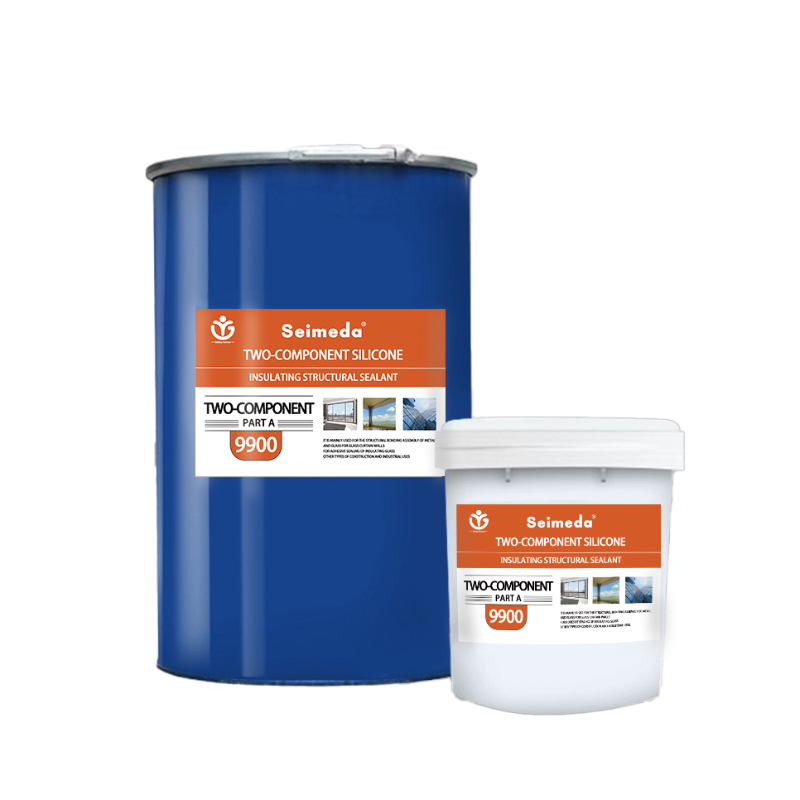
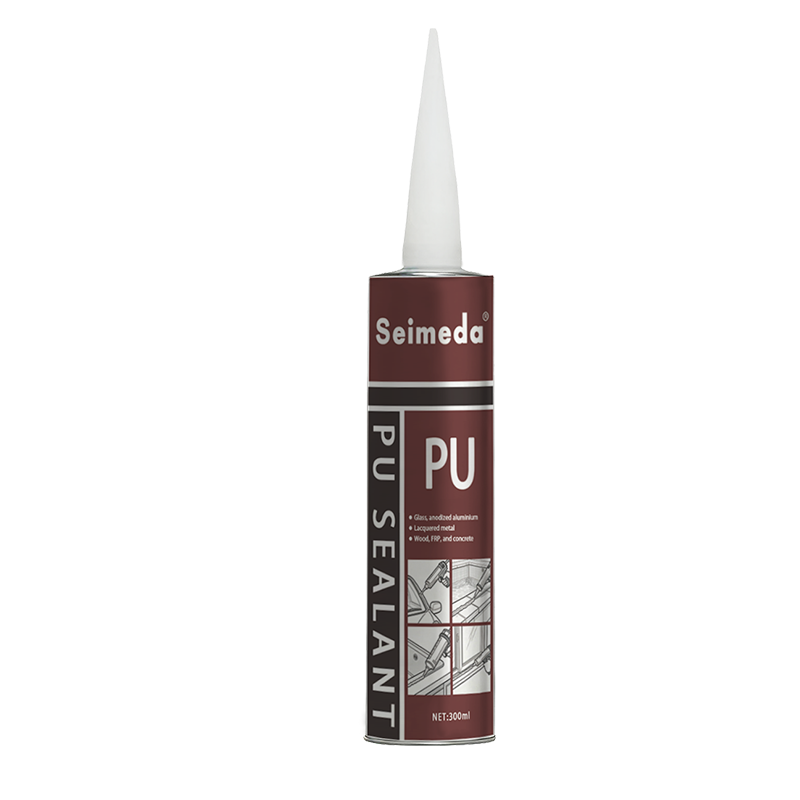
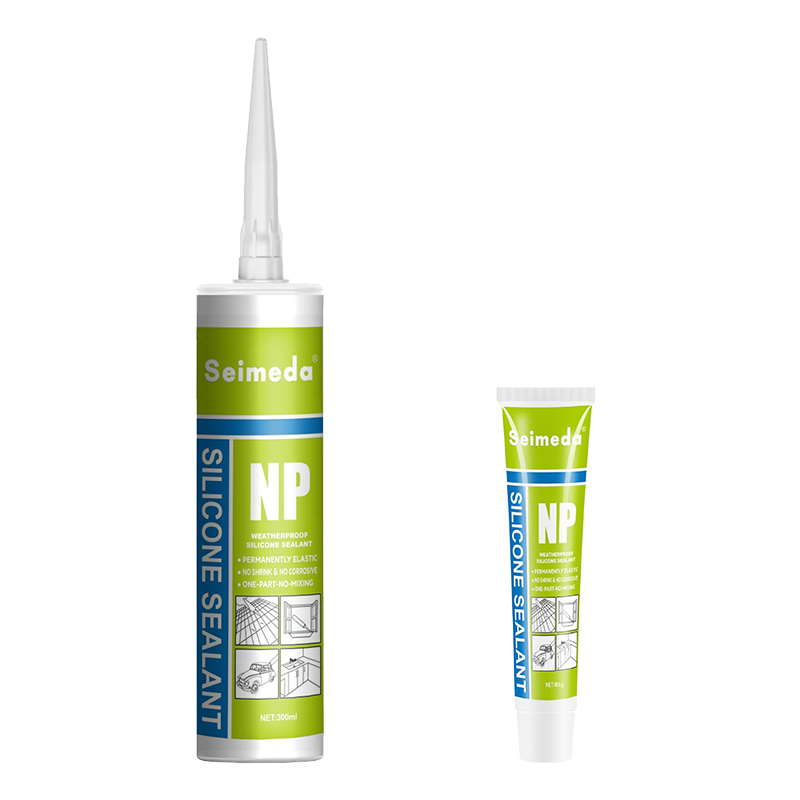
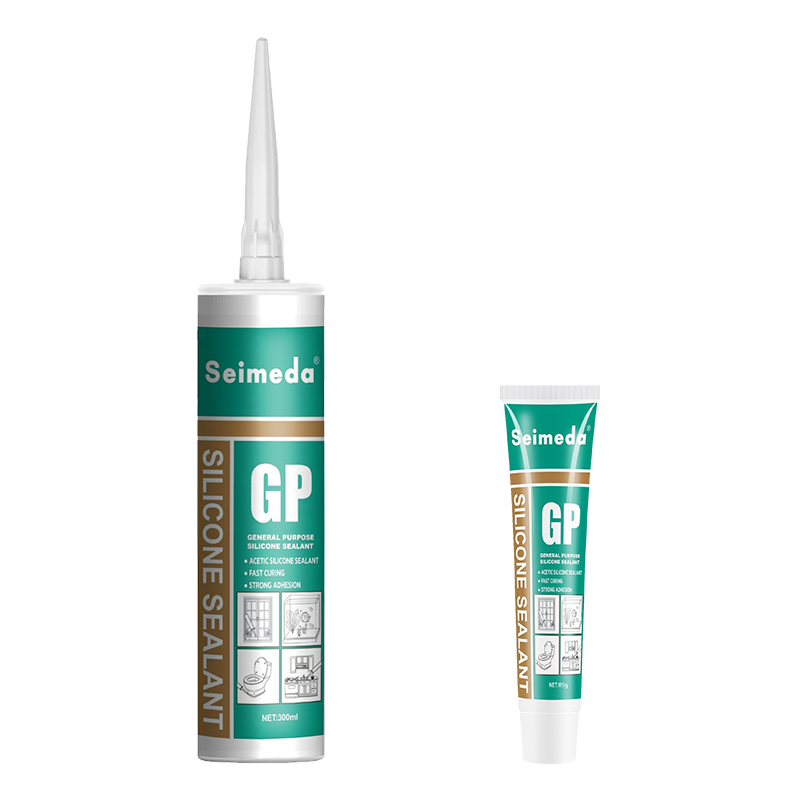
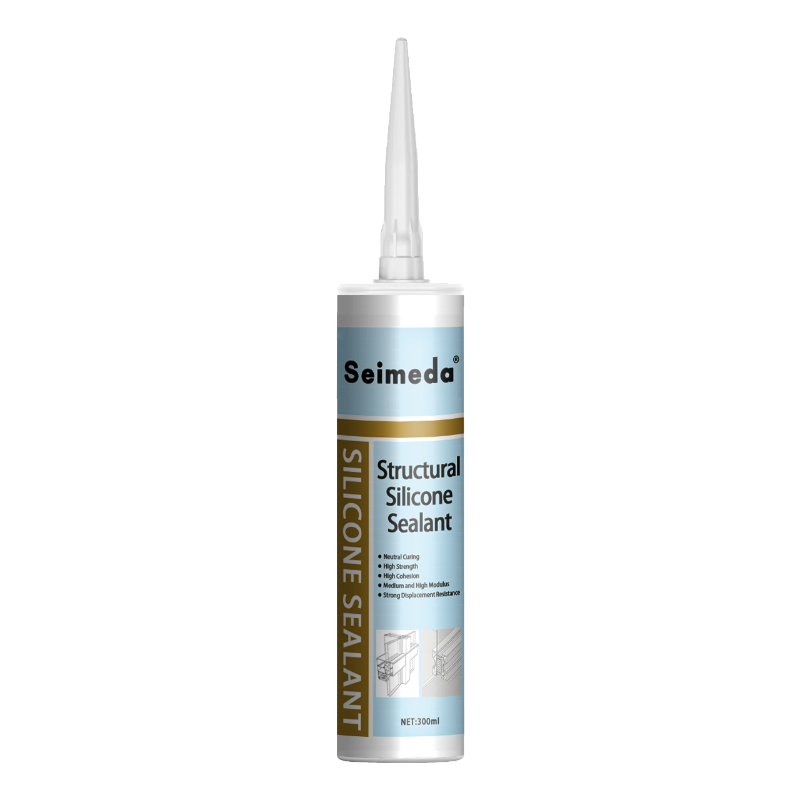
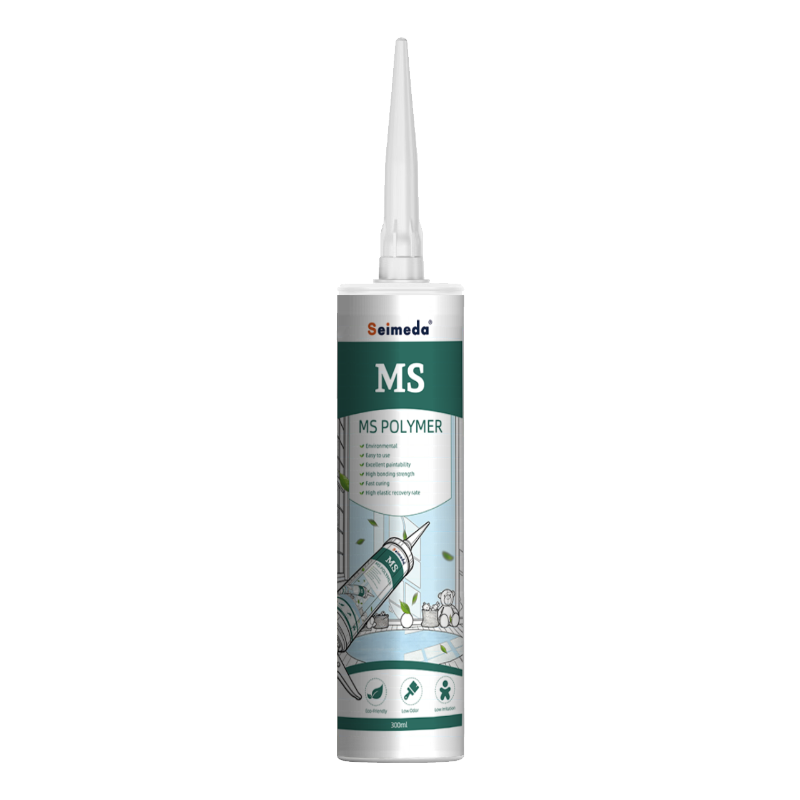
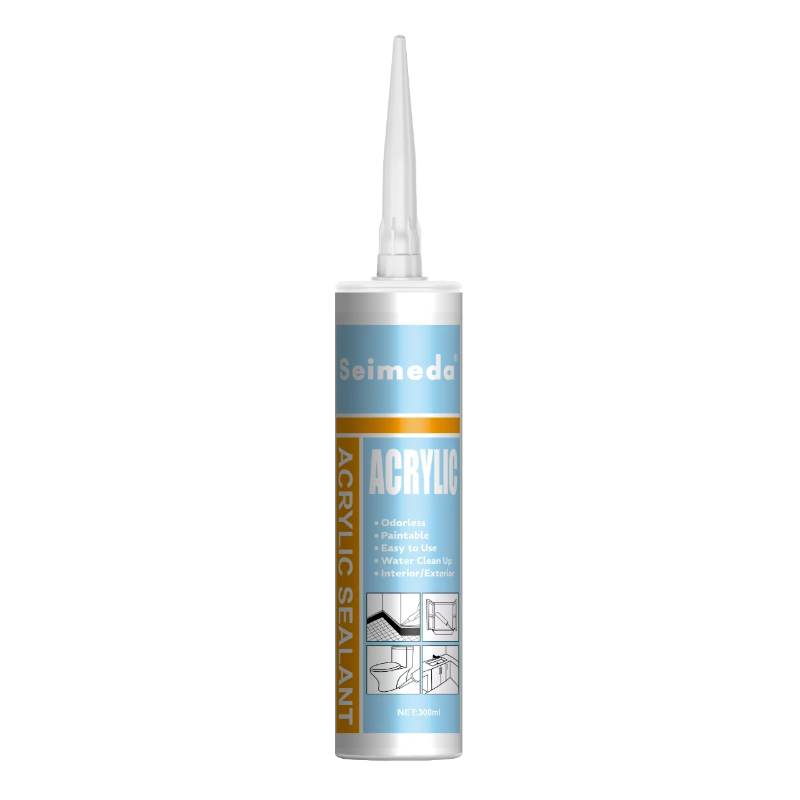
Seimeda and other silicone manufacturers may offer products for general construction, glazing, sanitary sealing, or specialized substrates. The responsible comparison is not based only on the brand name. Before purchasing, request or inspect the product’s technical data sheet and confirm:
A Seimeda sanitary silicone can be a logical shortlist option when its documentation confirms wet-area use, compatible substrates, and stated mold-resistance performance. A general-purpose Seimeda acetoxy silicone may be more economical for compatible glass, ceramic, and other nonporous joints that do not require enhanced sanitary additives.
General-purpose acetoxy silicone is not automatically inferior. On compatible glass, porcelain, glazed tile, and enamel, it can provide flexible sealing with a typical movement capability around ±20% to ±25% and a cure rate near 2–3 mm per 24 hours under standard conditions. Its limitations are the acetic acid by-product, narrower substrate compatibility, and the fact that many general-purpose products lack dedicated mold-resistance additives.
Sanitary silicone is the more practical choice for showers, baths, sinks, and other repeatedly wet areas, especially when the technical data sheet confirms mold resistance and substrate compatibility. Neutral-cure sanitary silicone is preferable for natural stone, porous materials, and corrosion-sensitive metals. For routine glazed-tile work, a properly applied acetoxy product may be sufficient and more economical.
For the best silicone sealant for shower corners, choose a documented mold-resistant caulk with suitable neutral-cure silicone or approved acetoxy chemistry, verify ASTM C920 movement capability, check the product’s acetic acid cure limitations, and confirm the expected Shore A hardness. Compare the Seimeda technical data sheet with competing products, then select the formulation that matches the substrate and exposure—not simply the lowest cartridge price.
No. Acetoxy describes how the silicone cures, while sanitary describes its intended wet-area use and additives. A sanitary silicone can be acetoxy-cure or neutral-cure.
Yes, if it is labeled for bathroom or wet-area use and the substrates are compatible. It is commonly suitable for glazed ceramic, porcelain, enamel, and glass. Avoid using it on acid-sensitive metals, porous stone, or alkaline masonry unless the manufacturer specifically approves it.
Both can work on compatible tile and glass. Neutral cure is generally safer for natural stone, metals, plastics, and other sensitive substrates. For a shower, prioritize sanitary or mold-resistant certification, movement capability, and substrate compatibility.
No. Fungicides can reduce surface fungal growth, but they do not eliminate moisture, soap residue, poor ventilation, or contamination behind the joint. Correct cleaning, drying, and installation remain essential.
Many products require at least 24 hours under approximately 23°C and 50% relative humidity. A thick bead, low temperature, high humidity, or poor airflow can extend curing. Follow the manufacturer’s stated cure time rather than relying only on the surface appearance.
Usually not. New silicone has poor adhesion to cured silicone. Remove the old bead completely, clean the substrate, dry it thoroughly, and then apply the replacement sealant.
At a flexible movement joint, silicone is generally more suitable because it can accommodate expansion and contraction. Cement-based grout is rigid and may crack where a bathtub, tray, wall, or countertop moves.
Check the specific Seimeda product label and technical data sheet. Confirm whether it is sanitary-rated, whether it uses acetoxy or neutral cure, whether it is compatible with your tile, stone, metal, acrylic, or glass, and whether the claimed movement and curing data match the installation conditions.
Next step: identify the substrate, measure the joint, determine whether the area is continuously or intermittently wet, and compare two or three technical data sheets. Select the lowest-cost product that fully meets those requirements, and use a sanitary or neutral-cure formulation when the consequences of failure are high.