







When a bathroom repair must be finished before the room is used again, a fast curing acetoxy silicone sealant can reduce waiting time without changing the installer’s basic process. Buyers comparing a General Purpose Acetoxy Silicone Sealant for bathroom projects are also asking for clearer acetoxy silicone sealant packaging options, reliable adhesion, and a product that is easy to source through local distributors or online channels. The market is therefore moving beyond “one cartridge fits all”: acetic cure silicone, RTV-1 sealant, and silicone rubber products are increasingly differentiated by cure speed, substrate compatibility, packaging format, and documented performance.
Current Market Situation for General Purpose Acetoxy Silicone Sealant
Acetoxy silicone sealant remains popular in routine glass, ceramic, sanitaryware, aluminum, and household maintenance work because it is a one-component material that cures at room temperature and is simple to dispense. During curing, it releases acetic acid, creating the characteristic vinegar-like odor. That chemistry helps explain both its strengths and its limits: it usually provides practical adhesion to many non-porous surfaces, but it is not the automatic choice for every metal, stone, painted surface, or sensitive substrate.
The purchasing problem has become more specific. A contractor may need a bead to skin over before dust settles on a renovation site, while a homeowner may need a small tube rather than a 300 ml cartridge. A distributor, meanwhile, must balance shelf life, carton efficiency, product availability, and local demand. The result is a market in which “general purpose” is still a useful category, but the acceptable product specification increasingly includes measurable values such as skin-over time, cure rate, application temperature, movement capability, hardness, and packaging volume.
There is no single global growth percentage that accurately describes every acetoxy sealant market. Demand varies by construction activity, repair and maintenance work, regional building practices, and the availability of neutral-cure alternatives. A more reliable way to assess the category is to compare technical data sheets and channel behavior by application rather than rely on an unsupported market-size claim.
Key Drivers Behind Acetoxy Silicone Sealant Innovation
General Purpose Acetoxy Silicone Sealant Must Reduce Job-Site Waiting Time
One-component acetoxy systems cure through reaction with atmospheric moisture. The outer surface normally forms a skin first, followed by inward crosslinking. Therefore, a label stating “fast curing” should be checked against two separate measurements:
- Skin-over time: the time before the surface is no longer readily disturbed.
- Through-cure rate: the approximate thickness that cures in 24 hours under stated temperature and humidity conditions.
These values are not interchangeable. A sealant can skin over in approximately 10–20 minutes yet require substantially longer to cure through a deep joint. For example, Dow’s DOWSIL™ 732 Multi-Purpose Sealant technical information reports product-specific application and curing data, while Sika’s Sikasil® C product information provides its own skin-formation and cure-rate values. These manufacturer figures should be used as product references, not as a universal performance claim for every acetoxy formulation.
General Purpose Acetoxy Silicone Sealant Is Being Matched More Carefully to Substrates
Acetoxy cure chemistry can work well on glass and many glazed ceramic surfaces, but the acetic by-product may be unsuitable for some sensitive metals, alkaline concrete, natural stone, mirrors, electronic components, or painted materials. Buyers should check the technical data sheet and conduct a small adhesion and compatibility test before production use.
Neutral-cure silicone is often considered when odor, corrosion risk, or substrate sensitivity is important. This does not make neutral cure universally “better”; it means the curing chemistry is better aligned with certain substrates and indoor-use requirements. A professional specification should identify the substrate, joint movement, exposure to water or chemicals, expected temperature range, and whether painting is required.
Packaging and Sustainability Requirements Are Influencing Product Design
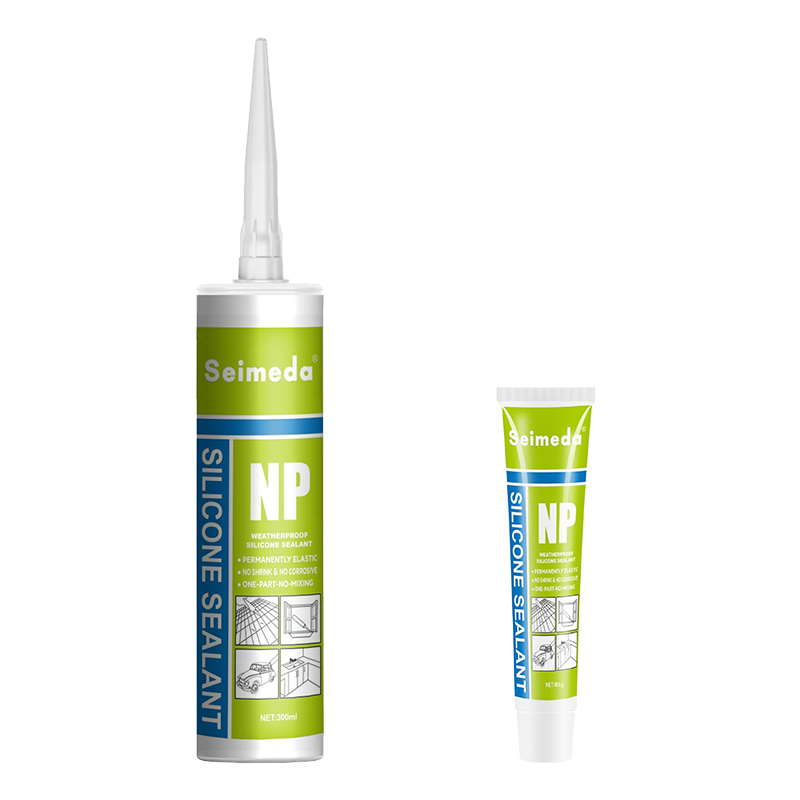
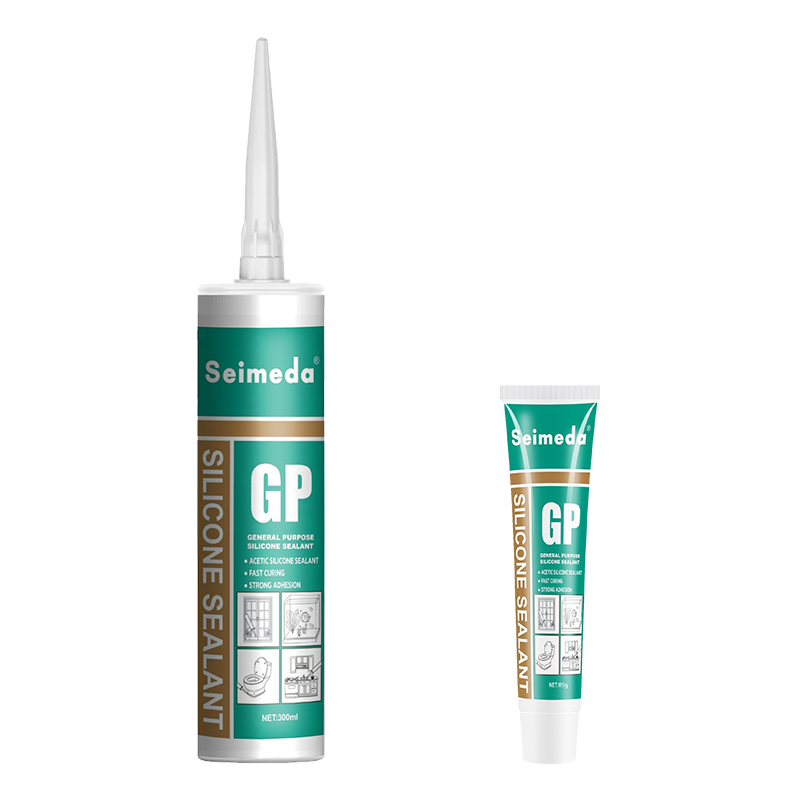
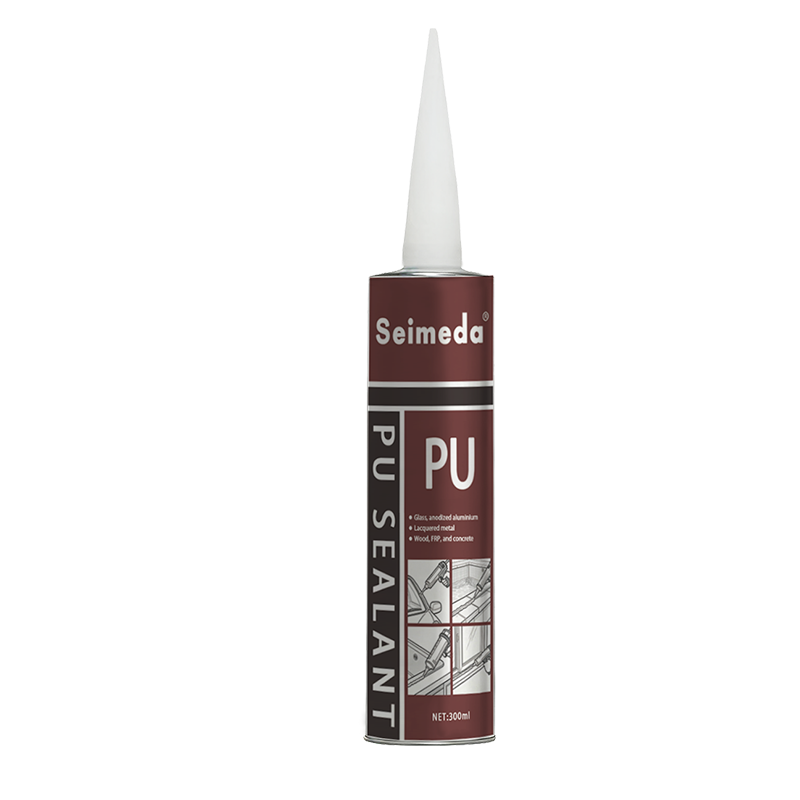
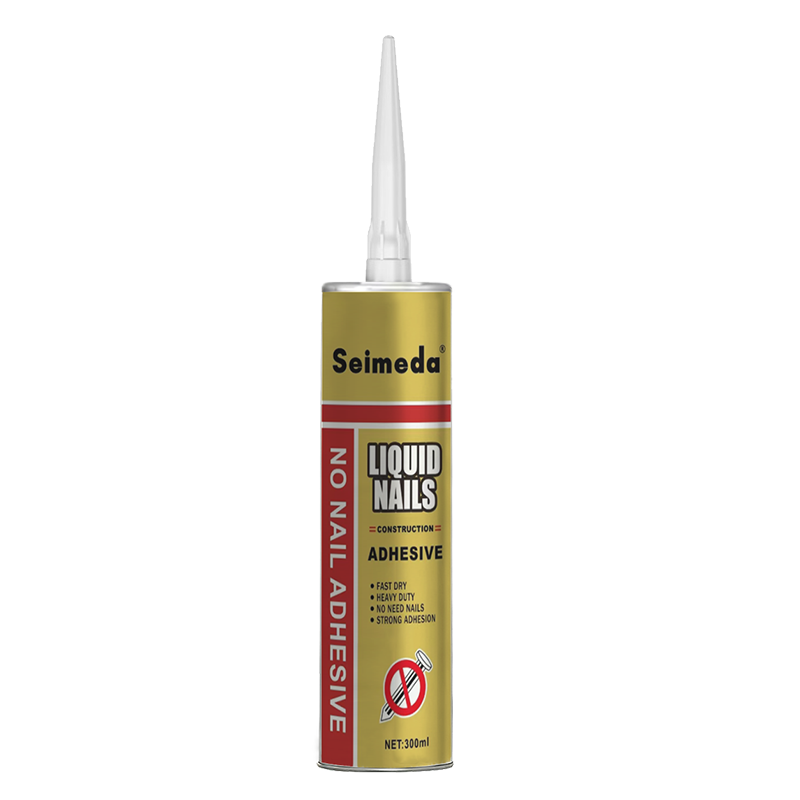
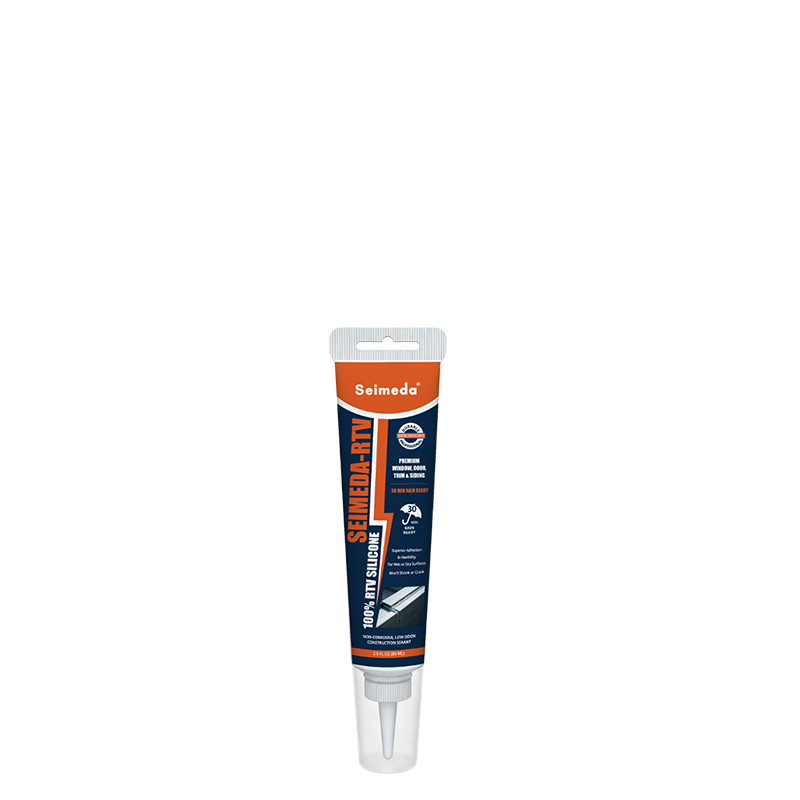
Packaging is becoming a performance and logistics issue rather than a purely visual decision. Common formats include 85–100 ml squeeze tubes, approximately 280–310 ml cartridges, and 400–600 ml foil packs. Exact volumes vary by manufacturer and market. Smaller tubes suit occasional repair work and reduce leftover material; cartridges suit standard caulking guns and higher-volume installation; foil packs can reduce the amount of rigid packaging per unit of sealant but require a compatible sausage gun.
Regulation is also changing the conversation. The European Commission’s packaging-waste policy information describes the EU direction toward packaging waste prevention, recyclability, and greater use of recycled materials. The Packaging and Packaging Waste Regulation entered into force in 2025, with many obligations applying later. Its requirements do not mean that every silicone cartridge is already recyclable or compliant; suppliers must verify the specific packaging structure, labeling, and market date.
Four Emerging Trends in General Purpose Acetoxy Silicone Sealant
1. Faster Skin Formation with Controlled Cure Performance
Manufacturers are refining catalyst packages, polymer selection, and rheology to improve early surface formation while maintaining usable tooling time. The commercial objective is not simply the shortest possible skin-over time. If a sealant skins too quickly, an installer may lose the ability to tool a smooth bead, especially in warm and dry conditions.
A practical comparison should record:
| Measure | Why it matters | How buyers should compare it |
|---|---|---|
| Skin-over time | Indicates when dust, light contact, or minor disturbance is less likely to damage the surface. | Compare at the same temperature and relative humidity. |
| Cure rate | Shows how quickly material hardens from the exposed surface inward. | Check the stated millimeters per 24 hours and joint geometry. |
| Tooling time | Determines whether the installer can finish the bead cleanly. | Ask for application guidance rather than assuming it equals skin-over time. |
| Shore A hardness | Provides a standardized indication of cured elastomer firmness. | Compare test method and curing age, not only the number. |
2. More Application-Specific General Purpose Acetoxy Silicone Sealant Grades
“General purpose” products are being segmented into clearer use cases: sanitary sealing, glazing, household repair, aluminum and glass assembly, and low-cost maintenance. The distinction may involve adhesion promoters, viscosity, modulus, mildew-resistance additives, color range, or packaging rather than a completely different base polymer.
Buyers should avoid treating a bathroom label as proof of permanent immersion resistance. A shower joint exposed to standing water, cleaning chemicals, and repeated movement requires a formulation and joint design supported by the supplier. The substrate must also be clean, dry, and free from oils, dust, loose grout, and old sealant.
3. Packaging Choices Designed for Different Channel Demand
Professional distributors generally favor cartridges and case-packed products because they fit established caulking equipment and job-site routines. Hardware stores and e-commerce sellers often need smaller tubes, clear product photos, barcode-ready cartons, and simple instructions for first-time users. Industrial buyers may prefer larger packs when labor and material consumption are predictable.
This creates a channel-specific demand pattern:
- Online retail: clear images, nozzle instructions, surface-compatibility tables, and visible shelf-life information reduce returns.
- Hardware and home-improvement stores: color, nozzle design, ease of opening, and compact shelf packaging affect purchase decisions.
- Construction distribution: consistent batch quality, pallet efficiency, technical support, and delivery reliability are usually more important than front-of-pack claims.
- OEM and industrial channels: qualification testing, lot traceability, automated dispensing compatibility, and documented cure behavior become central.
4. Digital Technical Documentation Is Becoming a Sales Tool
Buyers increasingly compare products before contacting a salesperson. A credible listing should provide the technical data sheet, safety data sheet, color, density, application temperature, service temperature, skin-over time, cure rate, movement capability, shelf life, storage conditions, and recommended substrates.
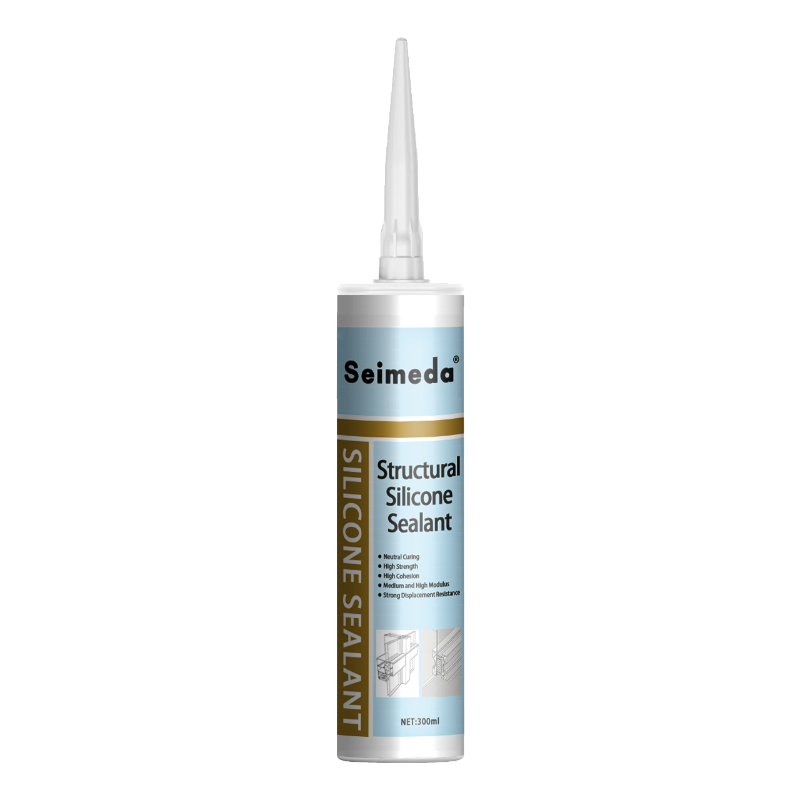
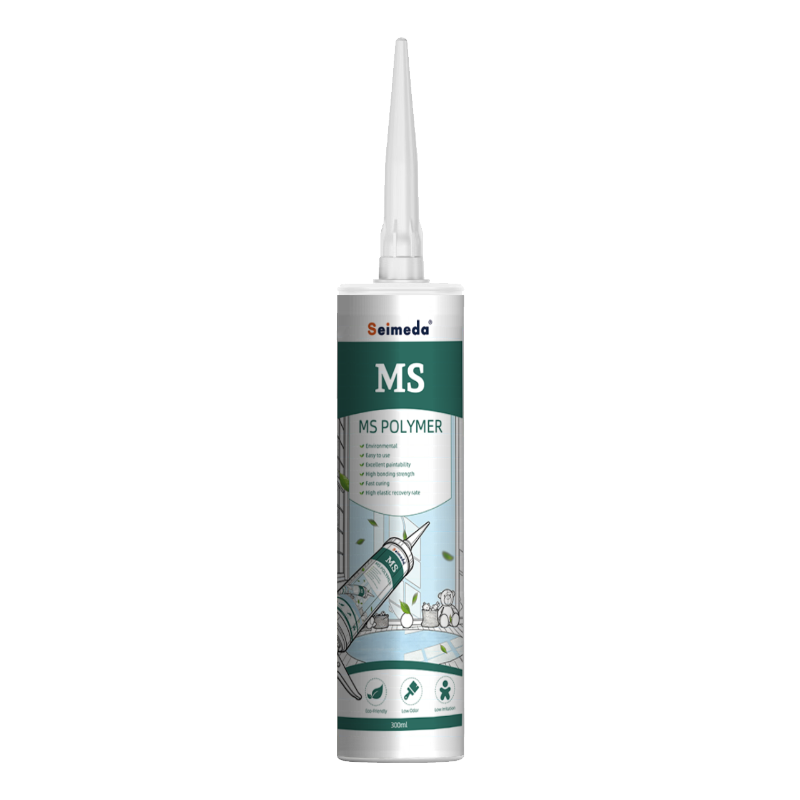
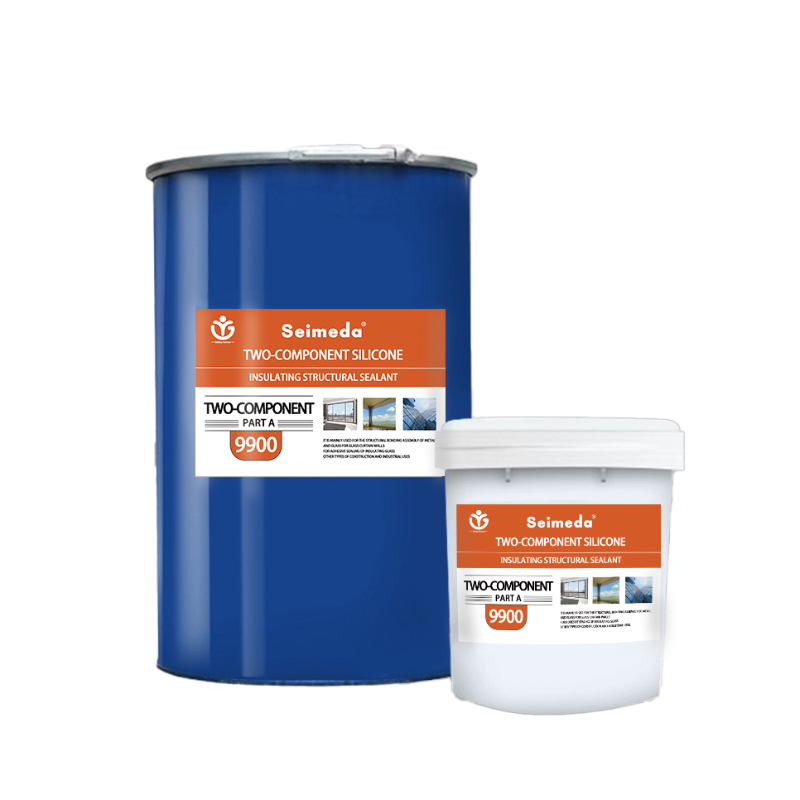
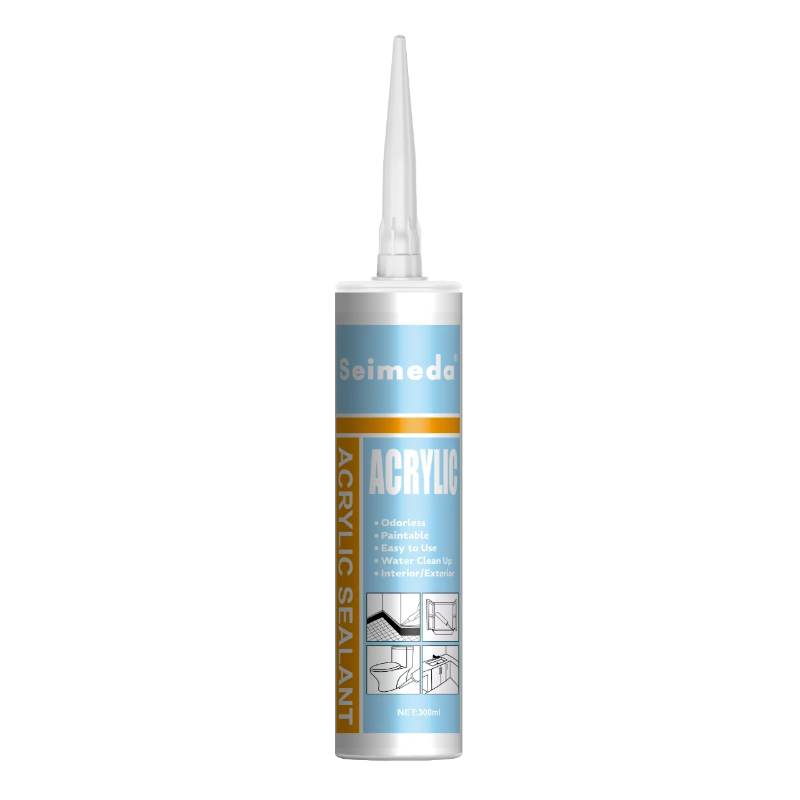
Brands such as Seimeda can strengthen channel confidence by presenting packaging photographs alongside application instructions and test data. A product image alone cannot prove adhesion or curing speed; the useful combination is a clear image, a traceable technical document, and a realistic statement of test conditions.
How These Trends Affect General Purpose Acetoxy Silicone Sealant Buyers
For buyers, the main benefit is better fit between product and task. A faster skin-over time may reduce exposure to dust, but it will not eliminate the need for a correctly prepared joint. A small tube may reduce waste for a single repair, but an opened package still has a limited usable life. A recyclable-looking carton may improve presentation, but the cartridge and cured residue may follow different waste routes.
Cost Should Be Calculated per Finished Meter, Not per Package
Compare the amount of sealant delivered, expected wastage, labor time, and rework risk. A lower-priced cartridge can become more expensive if it produces poor adhesion, inconsistent extrusion, or premature failure. For a simple estimate:
Material cost per meter = package price ÷ theoretical coverage in meters.
Theoretical coverage depends on joint width and depth. A 6 mm wide by 6 mm deep joint uses approximately 36 mm² of cross-sectional area; actual coverage will be lower than the ideal calculation because of nozzle waste, substrate irregularity, and leftover material in the cartridge. Use the supplier’s coverage chart where available.
Compliance and Safety Need Separate Checks
During curing, acetoxy sealants release acetic acid vapor. Adequate ventilation is important, particularly in small bathrooms or enclosed production areas. The safety data sheet should be reviewed for handling, ventilation, skin and eye protection, storage, and disposal requirements. “Low odor” should not be treated as “no emission” unless the supplier provides a defined test method and result.
For regulated construction or industrial applications, request declarations relevant to the destination market. Depending on the project, this may include VOC information, chemical restrictions, fire performance, food-contact suitability, or building-product documentation. Requirements differ by country and application, so a general-purpose label is not a substitute for project approval.
Practical Buying and Application Checklist for Acetoxy Silicone Sealant
Before Ordering General Purpose Acetoxy Silicone Sealant
- Identify every substrate, including coatings, sealants, metals, plastics, and stone.
- Decide whether the joint will experience standing water, movement, UV exposure, vibration, or cleaning chemicals.
- Set a measurable curing requirement, such as skin formation within a stated time under a stated temperature and humidity.
- Select the correct package: tube, cartridge, or foil pack.
- Confirm nozzle and gun compatibility, especially for high-viscosity material.
- Check production date, shelf life, storage temperature, and batch traceability.
- Request the technical data sheet and safety data sheet before approving a large order.
During Application
- Remove old sealant and clean the surface according to the manufacturer’s instructions.
- Ensure the joint is dry unless the product specifically permits damp-surface application.
- Apply masking tape when a sharp edge is needed.
- Cut the nozzle to match the joint width and maintain a consistent dispensing speed.
- Tool the bead within the stated tooling window; do not repeatedly disturb a skinning surface.
- Allow sufficient curing time before exposing the joint to water, load, or cleaning chemicals.
- Test a small area first when working on sensitive metals, porous stone, painted surfaces, or plastics.
For Distributors and Online Sellers
Organize listings by substrate and use case instead of relying only on the word “silicone.” Show the package volume, color, cure type, application temperature, and compatibility limitations near the purchase button. Include a realistic image of the nozzle and cartridge, not only a decorative product render. Keep technical claims synchronized across the product page, label, technical data sheet, and sales catalog.
Frequently Asked Questions About General Purpose Acetoxy Silicone Sealant
Is acetoxy silicone sealant the same as general-purpose silicone?
Not always. “General purpose” describes the intended range of routine uses, while “acetoxy” describes the curing chemistry. A general-purpose product may be acetoxy cure or neutral cure. Confirm the cure type on the label and technical data sheet.
How fast does acetoxy silicone sealant cure?
There is no universal number. Product-specific skin-over times commonly fall in the range of minutes, while through-cure is normally described in millimeters per 24 hours. Temperature, relative humidity, bead depth, ventilation, and substrate conditions all affect curing. Use the manufacturer’s published data and allow additional time for deep joints.
Can acetoxy silicone be used on metal?
It can adhere to some metals, but compatibility must be checked. Acetic acid released during curing may be unsuitable for certain metals or finishes. Test the exact metal, coating, and environmental exposure before full application; select a neutral-cure product when the supplier recommends it.
Can I paint over general purpose acetoxy silicone sealant?
Most cured silicone surfaces are difficult for ordinary paint to wet and bond to. If a paintable joint is required, choose a product specifically designed and documented for painting, or use a compatible hybrid or polyurethane sealant after confirming project requirements.
Which package is best: tube, cartridge, or foil pack?
Choose a tube for small repairs, a cartridge for standard caulking-gun work, and a foil pack for higher-volume professional application when the correct sausage gun is available. Compare net content, coverage, waste, equipment cost, and storage life rather than package price alone.
How should I compare two fast-curing products?
Compare skin-over time, tooling time, cure rate, Shore A hardness, tensile or adhesion data, movement capability, application temperature, and substrate recommendations under the same test conditions. A shorter skin-over time alone does not prove better overall performance.
What information should a supplier provide?
A dependable supplier should provide a technical data sheet, safety data sheet, batch or lot information, shelf life, storage conditions, packaging specifications, color options, substrate limitations, and test-method details for important performance claims. For larger projects, request a sample and conduct an adhesion and compatibility trial.
Conclusion: What the Next Acetoxy Silicone Sealant Purchase Should Measure
The direction of the market is clear: buyers want shorter practical waiting times, packaging matched to the sales channel, and technical information that can be checked before installation. The strongest product strategy is not to promise that every sealant is “very fast” or “very durable.” It is to report measurable skin-over time, cure rate, Shore A hardness, coverage, shelf life, and substrate limitations, then connect those values to a real job scenario.
For installers, the priority is correct surface preparation and adequate cure time. For distributors, it is channel-specific pack sizes and consistent documentation. For brands including Seimeda, the opportunity is to combine dependable RTV-1 sealant technology with transparent packaging data and application guidance. In the end, a general purpose acetoxy silicone sealant earns repeat demand when its crosslinking behavior, adhesion, silicone rubber properties, and package format match the work the customer actually needs to complete.
Sources and Technical References
- Dow, DOWSIL™ 732 Multi-Purpose Sealant product information and technical data
- Sika, Sikasil® C product information
- European Commission, Packaging waste
- European Chemicals Agency, Understanding REACH
Technical values should always be confirmed against the current data sheet for the exact product, batch, market, and application conditions.

