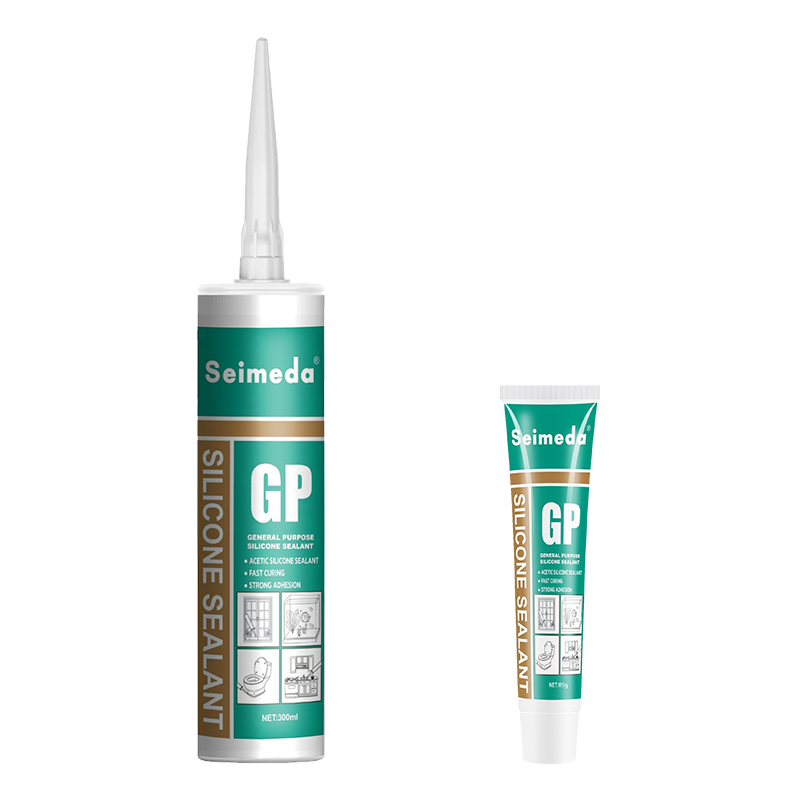
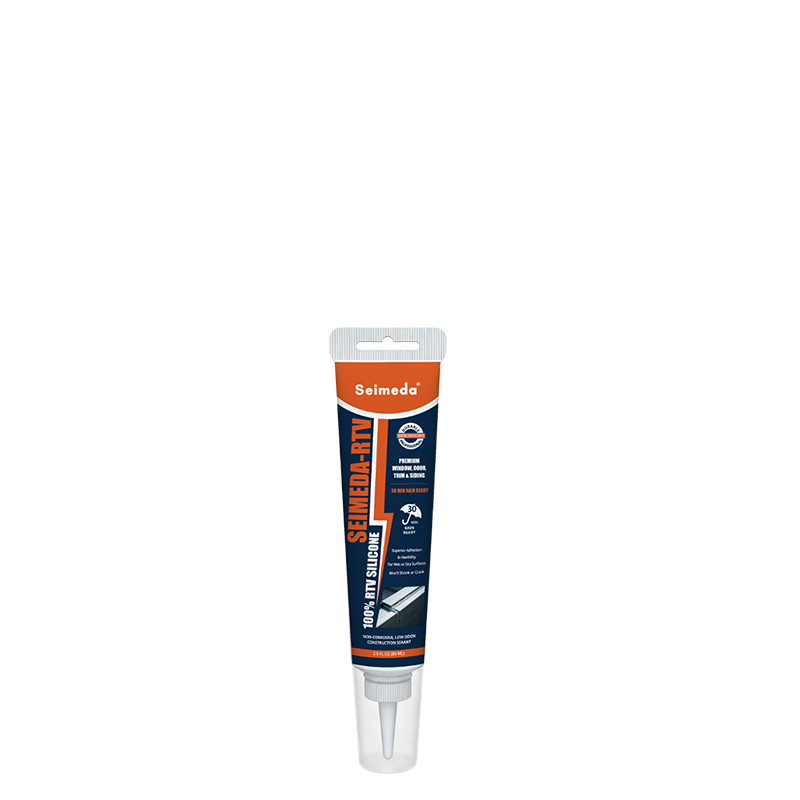
Summary: This buyer’s guide explains how to select, compare, test, and apply General Purpose Acetoxy Silicone Sealant for household, trade, and light commercial projects. It covers cure chemistry, substrates, movement, temperature, packaging, durability, safety, standards, and supplier checks so buyers can choose a suitable GP acetic silicone instead of relying only on price or marketing claims.
Choosing the right silicone sealant is not simply a matter of selecting the cheapest cartridge. A reliable product must match the substrate, joint movement, moisture exposure, temperature range, application method, and expected service life. Seimeda helps buyers evaluate these factors systematically when comparing general-purpose acetoxy silicone sealants for glazing, ceramic, aluminum, sanitary finishing, household repairs, and other compatible applications.
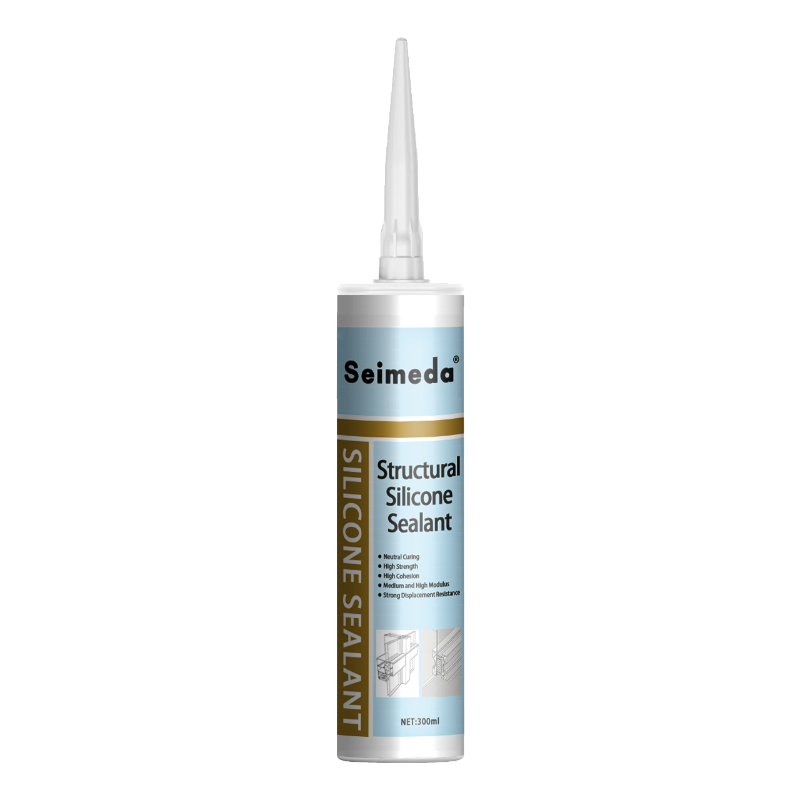
What Is GP Acetic Silicone Sealant?
- GP means general purpose: the sealant is designed for a broad range of common sealing and weatherproofing tasks.
- Acetic or acetoxy cure describes the curing chemistry. During cure, the product typically releases acetic acid, producing a vinegar-like odor.
- Silicone means the cured material is an elastic, rubber-like polymer that can resist water, ultraviolet exposure, and temperature changes when properly formulated.
GP acetoxy silicone is commonly used for sealing glass, glazed ceramic, porcelain, anodized aluminum, and many non-porous household surfaces. It is often selected for windows, display cases, bathroom fixtures, kitchen splashbacks, aquariums where the product is specifically approved, and general maintenance work.
However, “general purpose” does not mean “suitable for every substrate.” Acetic silicone may be unsuitable for some metals, alkaline or cement-based surfaces, natural stone, porous materials, sensitive electronics, and applications requiring structural or fire-rated performance.
Start With the Project: Define the Sealant Requirements Before Comparing Brands
Before choosing a cartridge, record the project requirements. This prevents a common buying mistake: comparing products by color or price before confirming whether the chemistry is compatible with the joint.
- Substrate: Identify every material that will contact the sealant, including glass, aluminum, ceramic, concrete, painted surfaces, plastic, stone, and wood.
- Joint type: Decide whether the sealant will be used in a butt joint, lap joint, perimeter joint, glazing rebate, expansion joint, or sanitary corner.
- Movement: Estimate whether the joint will experience expansion, contraction, vibration, or differential movement.
- Exposure: Note whether the sealant will contact rain, condensation, standing water, detergents, salt spray, oils, solvents, or food-related environments.
- Temperature: Check both the application temperature and the final service temperature.
- Appearance: Select clear, white, black, gray, or another color, and confirm whether the cured finish is glossy or low sheen.
- Regulatory needs: Determine whether the project requires documentation for VOCs, fire resistance, drinking water contact, food contact, structural glazing, or sanitary performance.
Step 1: Confirm That Acetoxy Cure Is Compatible With the Substrate
The most important purchasing decision is compatibility. Acetoxy silicone can provide excellent adhesion to many smooth, non-porous surfaces, but its acidic curing by-product can be unsuitable for certain materials.
Commonly suitable substrates
- Glass and mirrors, subject to the mirror manufacturer’s requirements
- Glazed ceramic and porcelain
- Many anodized or coated aluminum surfaces
- Some stainless steel and other metals after testing
- Non-porous tiles
- Rigid, non-porous plastics where the technical data sheet confirms adhesion
Substrates requiring caution or an alternative chemistry
- Natural stone: Some sealants can stain or create a visible dark halo. Use a product specifically labeled for stone.
- Concrete, mortar, and masonry: These porous, alkaline surfaces may require a neutral-cure product, primer, or a sealant designed for masonry.
- Copper, brass, zinc, and sensitive metals: Acidic cure chemistry may contribute to corrosion or discoloration. Confirm compatibility with the metal supplier and conduct a test.
- Polycarbonate, acrylic, and some plastics: Adhesion, stress cracking, and plasticizer migration must be checked with the plastic manufacturer or sealant supplier.
- Painted or powder-coated surfaces: Adhesion may depend on coating formulation, surface preparation, and coating age.
- Bituminous or oily surfaces: These can prevent reliable adhesion and may require a specialized sealant.
Action: Request the product technical data sheet and safety data sheet, then perform a small adhesion and staining test on the actual materials before starting production work.
Step 2: Compare Acetoxy and Neutral-Cure Silicone Sealants
| Feature |
GP Acetic Silicone |
Neutral-Cure Silicone |
| Cure by-product |
Typically acetic acid |
Alcohol, oxime, or another neutral curing by-product, depending on formulation |
| Typical odor |
Vinegar-like |
Usually milder, but varies by chemistry |
| Best-fit substrates |
Many glass, ceramic, and compatible non-porous surfaces |
A wider range of metals, masonry, plastics, and sensitive substrates, depending on the product |
| Common advantages |
Fast surface skin formation, easy availability, strong adhesion to many smooth surfaces, and often lower cost |
Broader material compatibility and reduced risk of acidic interaction |
| Typical limitations |
Not suitable for every metal, stone, masonry, plastic, or enclosed application |
May cost more and may have different cure rates, adhesion behavior, or odor |
Do not select an acetoxy product simply because it is labeled “silicone.” If the project involves unknown substrates, structural glazing, sensitive metals, porous stone, or painted systems, a neutral-cure or specialty sealant may be the safer choice.
Step 3: Check Movement Capability and Joint Design
Sealant performance depends on both the product and the joint design. A flexible sealant cannot compensate for an incorrectly sized or contaminated joint.
- Use the manufacturer’s stated movement capability rather than assuming all silicone products perform identically.
- Confirm whether the movement rating is expressed as a percentage, such as ±25%, and understand how the manufacturer defines that rating.
- Ensure the sealant is bonded only to the intended joint faces when a backer rod or bond-breaker tape is required.
- Avoid three-sided adhesion in movement joints because it can restrict extension and increase stress on the cured sealant.
- Size the joint according to anticipated movement, substrate dimensions, temperature changes, and the sealant manufacturer’s recommendations.
ASTM C920 is a widely recognized specification for elastomeric joint sealants. Buyers should verify whether a product has been tested or classified to the relevant standard and whether the stated classification applies to the intended application.
ASTM International: ASTM C920
Step 4: Evaluate Cure Speed, Skin Time, and Full Cure
Acetoxy silicone generally cures when it reacts with moisture in the air. The visible surface may skin over quickly while the material underneath remains uncured.
- Skin time: The period before the surface begins to form a skin. Tooling should normally be completed within this window.
- Tack-free time: The point at which the surface no longer feels sticky under the specified test conditions.
- Through-cure rate: The rate at which the entire bead cures from the exposed surface inward.
- Reversion risk: Thick or poorly ventilated beads may cure slowly or remain uncured for longer than expected.
Cure speed varies with temperature, relative humidity, bead thickness, ventilation, and the specific formulation. Do not expose a fresh seal to water, cleaning chemicals, mechanical stress, or movement until the technical data sheet confirms that the product has cured sufficiently.
Step 5: Match the Product to Temperature and Weather Exposure
- Check the manufacturer’s minimum application temperature.
- Check the stated cured service-temperature range.
- Confirm resistance to ultraviolet radiation for exterior use.
- Consider repeated thermal cycling rather than only the highest or lowest temperature.
- Do not apply sealant to frozen, wet, dusty, or condensation-covered surfaces unless the product is specifically designed for those conditions.
- For exterior glazing, verify resistance to rain, wind-driven water, ozone, and long-term sunlight exposure.
For a building envelope or commercial façade, use a product supported by appropriate test reports and project specifications rather than relying on a generic “weatherproof” claim.
Step 6: Review Adhesion, Primer, and Surface-Preparation Instructions
Most sealant failures begin with poor preparation rather than inadequate theoretical performance. Follow this practical preparation sequence:
- Remove the old sealant: Cut and peel away existing material without damaging the substrate.
- Remove contamination: Clean away dust, grease, soap residue, oils, waxes, release agents, and loose coatings.
- Use a compatible cleaner: Confirm that the solvent will not damage plastic, paint, powder coating, or glazing components.
- Dry the surface: Allow cleaning fluids and moisture to evaporate before application.
- Mask the joint: Apply painter’s tape for a clean edge, particularly on visible glazing or tile work.
- Apply primer only when specified: Too little primer may fail to promote adhesion; too much may create a weak or visible film.
- Conduct a bond test: Cure a sample under actual site conditions and test adhesion before large-scale application.
Always consult the sealant supplier’s primer and cleaning recommendations. A solvent that works on glass may soften plastics or attack coatings.
Step 7: Select the Correct Package, Color, and Yield
- Cartridge size: Choose a standard cartridge for small repair work and a larger foil pack or sausage for high-volume professional application if compatible with the dispensing gun.
- Nozzle design: A cuttable angled nozzle improves control over bead size and tooling.
- Color stability: Clear, white, black, gray, and custom colors may behave differently under ultraviolet exposure and contamination.
- Batch consistency: Check batch numbers and production dates when color matching or installing multiple cartridges.
- Waste control: Estimate joint length, width, and depth before ordering to reduce expired or unused material.
A rough yield estimate can be calculated by dividing the cartridge volume by the cross-sectional area of the bead. For example, a 300 ml cartridge used in a 6 mm by 6 mm triangular bead will cover substantially more length than the same cartridge used in a 10 mm by 10 mm bead.
Step 8: Confirm Safety and Indoor-Air Requirements
Read the current safety data sheet before purchasing or applying the product. Acetoxy silicone commonly releases acetic acid vapor during curing, so adequate ventilation is important, especially in small rooms or enclosed workspaces.
- Use ventilation during application and curing.
- Wear gloves and eye protection recommended by the safety data sheet.
- Keep uncured material away from skin, eyes, food, and children.
- Do not use a general-purpose product in food-contact, medical, aquarium, drinking-water, or high-temperature applications unless the product is specifically approved for that purpose.
- Follow local disposal requirements for used cartridges, solvent-contaminated wipes, and uncured sealant.
For workplace hazard communication, consult the U.S. Occupational Safety and Health Administration Hazard Communication Standard and the product-specific safety data sheet.
Step 9: Verify Claims With Technical Documents, Not Advertising Alone
Before approving a GP acetic silicone sealant, request the following documents from the manufacturer or distributor:
- Technical data sheet
- Safety data sheet
- Application instructions
- Substrate compatibility information
- Adhesion or test reports where relevant
- Movement capability classification
- UV, weathering, or temperature-resistance data
- Batch number and shelf-life information
- Quality-management or manufacturing certifications, where required
For building and glazing work, compare the product information with relevant standards and project specifications. ASTM C920 may be relevant for elastomeric joint sealants, while structural glazing and specialty façade applications may require entirely different performance documentation. A general-purpose product should never be treated as a structural glazing adhesive without explicit engineering approval and test evidence.
Step 10: Calculate the Real Cost of Ownership
The lowest unit price may not be the lowest project cost. Compare products using the following factors:
- Price per cartridge or per liter
- Expected yield per cartridge
- Labor time for surface preparation and tooling
- Need for primer or special dispensing equipment
- Failure and replacement risk
- Warranty and technical support
- Shelf life and storage losses
- Color consistency across batches
- Availability of replacement stock
A sealant that costs slightly more but cures consistently, adheres reliably, and comes with clear technical support may be more economical than a low-priced product that causes rework.
Recommended Applications for GP Acetic Silicone
- Sealing glass-to-glass joints
- General glazing maintenance where the frame and adjacent materials are compatible
- Sealing glazed ceramic and porcelain fixtures
- Sealing non-porous tile intersections
- Sealing compatible aluminum components
- Household maintenance around sinks, splashbacks, and cabinets where the product is approved
- Weather-sealing small, non-structural joints
- Craft, display, and assembly applications involving compatible non-porous materials
Applications That Usually Require a Different Sealant
- Structural glazing or load-bearing bonding
- Fire-rated joints
- Natural stone where staining is unacceptable
- High-movement construction joints requiring engineered design
- Submerged or continuously water-immersed applications without specific approval
- Food-contact or potable-water applications without certification
- Automotive, marine, or aerospace applications without sector-specific approval
- Sealing sensitive metals or plastics without compatibility testing
- High-temperature industrial equipment
- Applications exposed to fuels, strong solvents, or aggressive chemicals
How to Apply GP Acetic Silicone Sealant Correctly
- Inspect the joint: Confirm that the joint is correctly sized, stable, clean, and dry.
- Remove loose material: Eliminate old sealant, dust, rust, friable coatings, and contamination.
- Mask the edges: Use tape to create a consistent finish.
- Cut the nozzle: Cut the nozzle at approximately a 45-degree angle and size the opening to the required bead.
- Puncture the cartridge: Open the internal seal without damaging the cartridge.
- Apply continuously: Maintain steady pressure and move the gun at a controlled speed to avoid gaps and air pockets.
- Tool immediately: Tool the bead within the product’s stated tooling window using a compatible tool and, where permitted, a suitable tooling solution.
- Remove masking tape: Remove tape before the sealant skins over.
- Allow full cure: Protect the joint from water, dirt, movement, and contact until cured.
- Inspect the finished joint: Look for voids, bubbles, weak edges, fish mouths, or areas of poor wetting.
Common Buying Mistakes and How to Avoid Them
- Mistake: Choosing by “100% silicone” alone.
Solution: Check cure type, substrate compatibility, movement rating, and intended use.
- Mistake: Applying acetic silicone to every metal.
Solution: Test the actual metal or choose a compatible neutral-cure product.
- Mistake: Assuming waterproof means permanently submerged.
Solution: Confirm continuous-immersion approval in the technical data sheet.
- Mistake: Applying over dust or soap residue.
Solution: Remove contamination and dry the joint completely.
- Mistake: Using a thick bead in an unventilated space.
Solution: Improve ventilation and allow additional curing time.
- Mistake: Ignoring shelf life.
Solution: Check the expiry date and storage conditions before installation.
- Mistake: Using a general-purpose sealant for structural work.
Solution: Obtain engineering approval and use a product specifically tested for the application.
Practical Buyer’s Checklist for Seimeda GP Acetic Silicone
- Is the sealant specifically identified as acetoxy or acetic cure?
- Are all contacting substrates listed as compatible?
- Has an adhesion and staining test been completed?
- Is the joint non-structural unless the product has explicit structural approval?
- Does the movement capability match the expected joint movement?
- Is the product suitable for interior or exterior exposure?
- Does the service-temperature range cover the installation?
- Are the skin time, cure rate, and application conditions acceptable?
- Is the selected color consistent with the project?
- Is the cartridge within its shelf life?
- Are the technical data sheet and safety data sheet available?
- Does the supplier provide batch traceability and application support?
Key Performance Details Buyers Often Overlook
- Adhesion is not the same as compatibility: A sealant may initially stick to a surface but still cause staining, corrosion, softening, or long-term adhesion loss.
- Clear silicone is not invisible: It can appear cloudy, yellowed, or visibly uneven depending on thickness, contamination, and lighting.
- Moisture can help or hinder curing: Ambient humidity supports cure, but liquid water, condensation, or a wet substrate can interfere with adhesion.
- Storage affects performance: Heat, freezing, damaged packaging, and extended storage can reduce extrusion quality and cure reliability.
- Tooling affects appearance and durability: Poorly tooled edges can trap water and create weak, thin sections.
- Sealant and backer materials must work together: Some backer rods, tapes, cleaners, and primers can cause incompatibility or plasticizer migration.
- Joint geometry matters: An excessively deep bead may cure slowly and may not accommodate movement as intended.
- Project documentation matters: Commercial buyers should retain batch numbers, test results, installation conditions, and product data for warranty and quality control.
Frequently Asked Questions About GP Acetic Silicone Sealant
Is GP acetic silicone suitable for bathrooms?
It can be suitable for many bathroom sealing tasks involving compatible, non-porous surfaces such as glazed tile, ceramic, porcelain, and glass. Confirm that the product is intended for sanitary or wet-area use, and do not assume that every general-purpose silicone contains mildew-resistant additives.
Can acetic silicone be used on aluminum?
It is often used on compatible aluminum surfaces, particularly glass and aluminum assemblies, but the exact finish, coating, alloy, and exposure conditions matter. Perform an adhesion and staining test, especially on untreated or sensitive aluminum.
How long does acetoxy silicone take to cure?
The answer depends on the formulation, bead thickness, temperature, humidity, and ventilation. Use the manufacturer’s technical data sheet rather than relying on a generic cure time. The surface may skin over before the full bead is cured.
Can GP acetic silicone be painted?
Most cured silicone sealants are difficult or impossible to paint reliably because common paints do not bond well to their flexible, low-surface-energy surface. If painting is required, select a paintable sealant designed for that purpose.
Is acetoxy silicone safe for aquariums?
Only use a product explicitly manufactured and approved for aquarium construction or repair. A general-purpose silicone should not be assumed to be safe for aquatic life merely because it is waterproof after curing.
What is the difference between sealant and adhesive?
A sealant is primarily designed to close gaps and accommodate movement. An adhesive is designed to transfer loads between bonded surfaces. Some products perform both functions, but a GP acetic sealant should not be used as a structural adhesive unless the manufacturer specifically approves it.
Final Recommendation: Choose by Evidence, Compatibility, and Application Fit
The best GP acetic silicone sealant is the one that fits the actual project—not necessarily the one with the boldest label or lowest price. Start by identifying the substrates and joint conditions, compare acetoxy and neutral-cure chemistry, review movement and temperature requirements, verify safety documents, conduct a small compatibility test, and then assess yield, availability, and technical support.
When buying from Seimeda, request the current technical data sheet and safety data sheet for the specific GP acetic silicone product, confirm the intended application, verify batch and shelf-life information, and follow the supplier’s preparation and curing instructions. This evidence-based process provides a more reliable path to clean appearance, durable adhesion, and long-term sealing performance.
Authoritative References for Sealant Selection and Safe Use