



WhatsApp: +86 178 6574 8088

E-mail: jackyalum@163.com
English

WhatsApp: +86 178 6574 8088
E-mail: jackyalum@163.com
Related Products
Date: 26 Oct, 2026
Construction sealants play an important role in building envelope performance, glass installation, interior finishing, and infrastructure protection. As construction projects place greater emphasis on durability, energy efficiency, renovation, and environmental requirements, construction sealant selection is becoming more application-specific.
For manufacturers, distributors, and project buyers, choosing a high-performance construction sealant involves more than comparing price or polymer type. Substrate compatibility, joint movement, weather exposure, curing conditions, paintability, and applicable standards all influence product selection.
SEIMEDA supplies a range of construction sealants and adhesives for façade systems, windows and doors, insulating glass, concrete joints, and interior finishing. Understanding current market trends helps buyers identify the right sealant type for each application and build a more reliable product portfolio.
1. Key Trends Shaping the Construction Sealant Market
Renovation projects often involve existing concrete, coated metal, glass, and previously sealed joints. These conditions make substrate adhesion, joint movement, surface preparation, and compatibility with existing materials important selection factors.
For façade and window renovation, buyers should prioritize weather resistance, movement capability, and adhesion to the actual construction materials rather than choosing a sealant based on price alone.
Energy-efficient building envelopes rely on properly designed and installed window, façade, and insulating glass systems. Sealants contribute to weather sealing, air and water control, and the integrity of glazing assemblies.
Different glazing applications require different products. Structural glass bonding, window perimeter sealing, and insulating glass secondary sealing should not be treated as interchangeable uses of a general-purpose silicone sealant.
Environmental requirements increasingly influence sealant procurement, particularly for indoor applications and projects with defined emissions or material compliance requirements.
Buyers should review product-specific VOC data, safety documentation, and the standards applicable to their destination market. A water-based formulation does not automatically establish compliance with every low-VOC requirement, and environmental claims should be supported by relevant documentation.
Prefabricated panels, modular construction, and high-volume window and door production require consistent application and predictable curing performance.
For these projects, manufacturers and contractors should consider working time, skin formation, curing speed, dispensing characteristics, packaging format, and production-line compatibility. These factors can affect installation schedules and the consistency of finished joints.
Construction sealants used in hot, humid, cold, or high-UV environments may face different durability challenges. Buyers should assess the actual service temperature, weather exposure, joint movement, and substrate conditions when selecting a product.
For international distributors, product selection should also account for local construction practices, applicable standards, storage conditions, and packaging requirements.
2. How to Choose High-Performance Sealants for Different Engineering Applications
A high-performance construction sealant is one that meets the requirements of its intended application. The appropriate formulation depends on the function of the joint, the materials being bonded, and the operating environment.
| Engineering Application | Main Performance Requirements | Suitable SEIMEDA Product Direction |
|---|---|---|
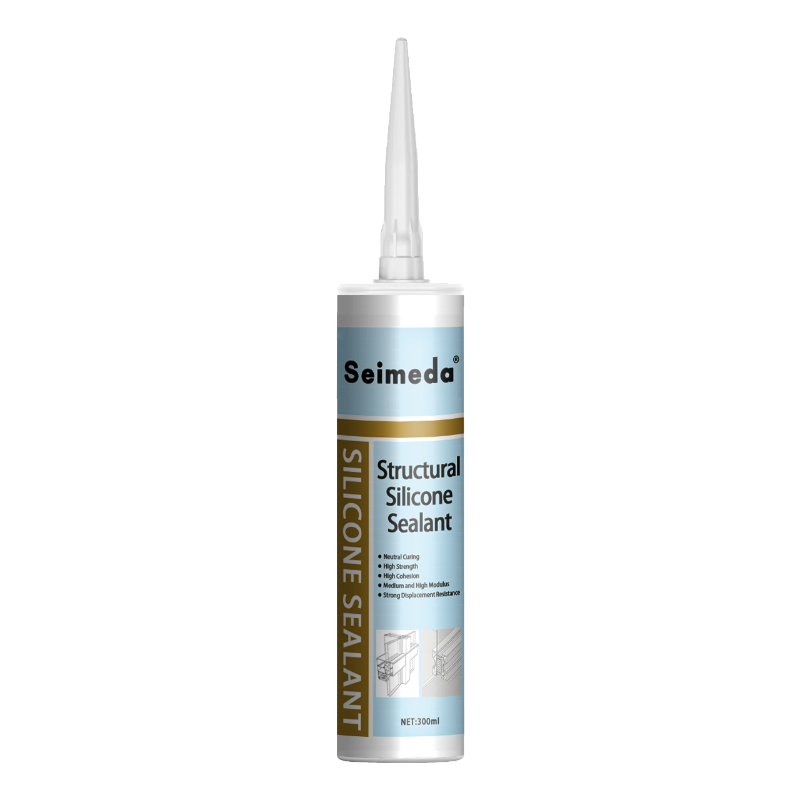
| Structural Glass Curtain Walls | Structural bonding, adhesion to approved glazing materials, movement accommodation, weather resistance | Structural Silicone Sealant |
| Exterior Window and Door Joints | Weather sealing, substrate compatibility, flexibility, resistance to environmental exposure | NP Neutral Silicone Sealant |
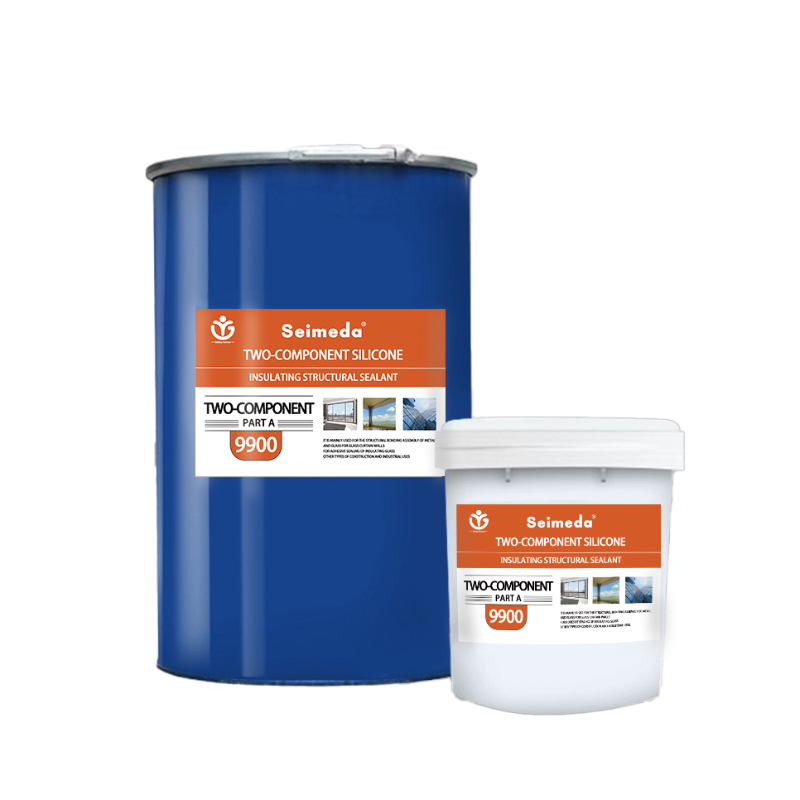
| Insulating Glass Units (IGUs) | Secondary edge sealing, adhesion, curing consistency, compatibility with the primary seal and spacer system | Two-Component Structural Silicone Sealant for IGUs |
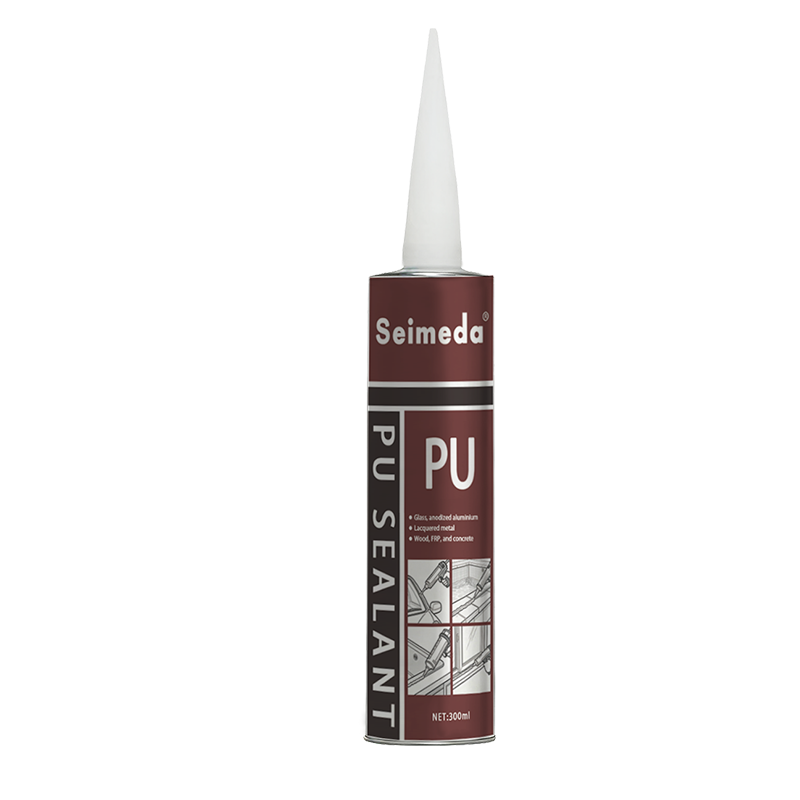
| Concrete Expansion and Construction Joints | Joint movement, adhesion to concrete, elastic recovery, suitable curing and application properties | PU Polyurethane Sealant |
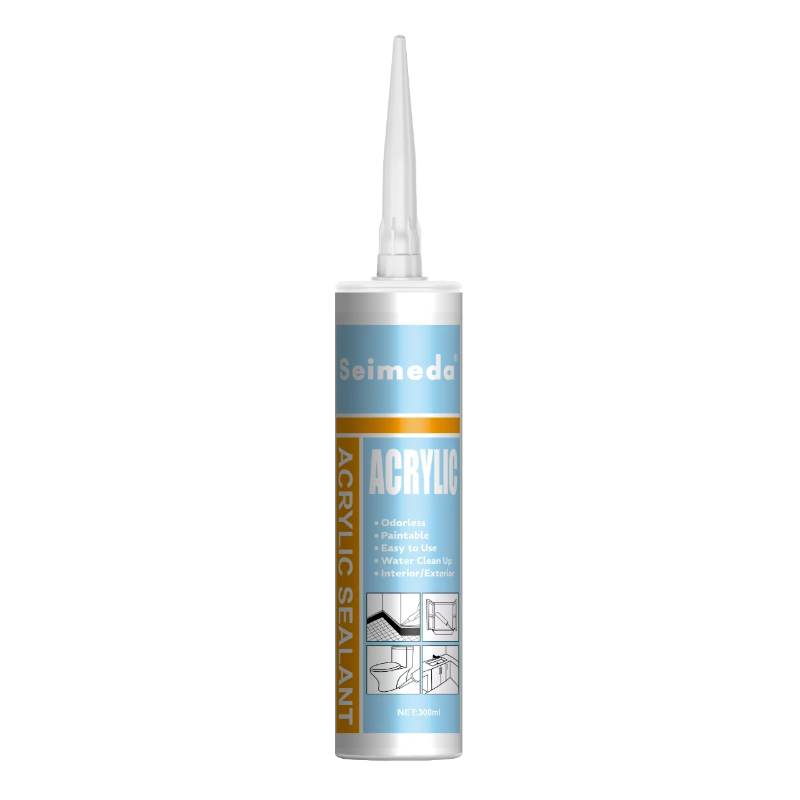
| Paintable Interior Joints | Paintability, gap filling, suitable adhesion to interior substrates, finishing efficiency | Acrylic Water-Based Sealant |
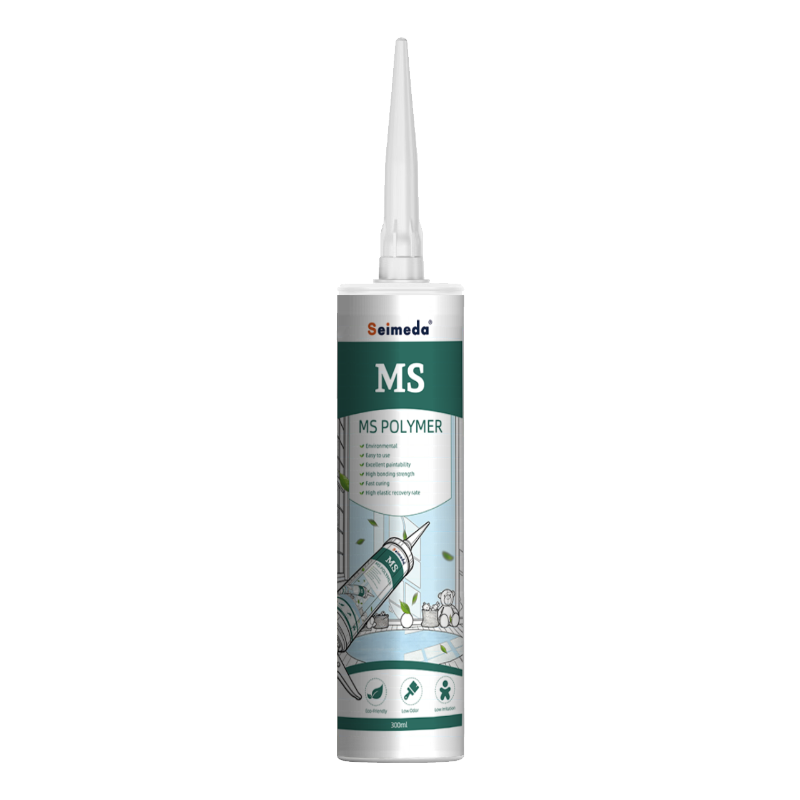
| Paintable Multi-Material Construction Joints | Adhesion to compatible substrates, elasticity, paintability where required | MS Modified Silane Sealant |
Product selection should follow the intended application and the relevant product specifications. For example, structural glazing requires a sealant specifically approved for the structural glazing system; a general-purpose weatherproofing sealant should not be substituted solely because it also contains silicone.
For insulating glass projects, see SEIMEDA's Insulating Glass Sealant Solutions.

3. Technical Factors to Evaluate Before Selecting a Construction Sealant
When comparing high-performance sealants, project buyers should evaluate the following parameters against the actual joint and service conditions.
| Selection Factor | Why It Matters | What Buyers Should Check |
|---|---|---|
| Substrate Compatibility | Adhesion varies with glass, concrete, metal, coatings, and other materials | Approved substrates, surface preparation, primer requirements |
| Joint Movement | Temperature changes and building movement can place stress on sealed joints | Movement capability, modulus, elastic recovery |
| Weather Resistance | Exterior joints face rain, UV exposure, and temperature fluctuations | Weathering data and relevant product test results |
| Mechanical Properties | Different applications require different bonding and deformation characteristics | Tensile strength, elongation, hardness, and adhesion data |
| Curing Performance | Curing influences installation schedules and when assemblies can be handled | Skin formation, working time, cure rate, temperature and humidity conditions |
| Paintability | Interior finishing and some construction applications require compatible coatings | Approved coating types and recommended painting time |
| Environmental Requirements | Some markets and projects specify emissions or material compliance criteria | VOC reports, SDS, applicable certifications and declarations |
| Supply Requirements | Commercial projects need consistent purchasing and delivery arrangements | Packaging, shelf life, MOQ, lead time, batch consistency |
A technical data sheet should be reviewed against the specific project requirements. Values from different formulations should not be combined into a single specification, and a general sealant category does not establish compliance with a particular engineering standard.
4. How Market Trends Influence Sealant Product Selection
Market trends become commercially useful when they are translated into specific product and procurement decisions.
| Market Trend | Product Selection Implications | Recommended Buyer Action |
|---|---|---|
| Building Renovation and Retrofit | Existing surfaces and old sealant residues may affect adhesion and application | Confirm substrate condition, movement requirements, and preparation method |
| Energy-Efficient Glazing | Façade and IGU systems require distinct sealing functions | Separate structural bonding, weather sealing, and IGU secondary sealing requirements |
| Environmental Compliance | Project specifications may set limits for VOC emissions or require product documentation | Request product-specific reports and check destination-market requirements |
| Prefabricated Construction | Factory production depends on repeatable application and predictable curing | Review dispensing methods, curing performance, packaging, and batch consistency |
| Climate-Specific Projects | Heat, cold, UV exposure, and humidity affect product selection | Match service conditions with documented product performance |
| Distributor and OEM Expansion | Local markets may require different colors, packaging, and product specifications | Evaluate OEM options, technical support, supply capacity, and documentation |
For distributors, the opportunity is not simply to offer more sealant products. A clearly organized product range, supported by technical specifications and application guidance, makes it easier to serve different customer segments without confusing one product's capabilities with another's.
5. Environmental Standards and Technical Documentation
Environmental and performance requirements vary by market, product type, and project specification. Buyers should identify the relevant requirements before selecting a construction sealant.
For each product under consideration, request the available technical documentation:
Technical Data Sheet (TDS): Product properties, application conditions, curing performance, and intended uses.
Safety Data Sheet (SDS): Handling, storage, safety, and material information.
Performance Test Reports: Relevant adhesion, movement, weathering, or mechanical test results.
VOC Documentation: Product-specific emissions or VOC content data where required.
Certification and Compliance Documents: Documents applicable to the selected product, destination market, and project.
For structural glazing, insulating glass, and other specialized engineering applications, confirm that the selected product meets the standards specified for the intended system. General company certifications should not be presented as proof that every product meets every application standard.
SEIMEDA provides product information and technical support to help buyers identify suitable sealant options for their application and market requirements. Visit our Technical Support Center for product selection and documentation resources.
6. What Manufacturers and Distributors Should Consider When Sourcing Sealants
As construction sealant demand becomes more application-specific, suppliers need to balance technical performance with commercial requirements.
A well-organized sealant portfolio should distinguish structural glazing, weatherproofing, insulating glass, construction joints, and interior finishing. Clear product positioning helps distributors recommend the right product instead of relying on broad claims such as “all-purpose” or “high-performance.”
Batch consistency, clear specifications, application guidance, and traceable documentation support repeat purchasing and reduce uncertainty during project procurement.
Distributors and building material brands may require different cartridge sizes, colors, labels, and cartons for their target markets. OEM planning should account for product specifications, packaging requirements, purchasing quantities, and delivery schedules.
SEIMEDA supports OEM and private-label cooperation for sealants and adhesives. Learn more about our OEM Sealant Manufacturing Services.
7. A Practical Checklist for Selecting High-Performance Construction Sealants
Before requesting a quotation or approving a sealant for a project, prepare the following information:
Application: Structural glazing, exterior window sealing, IGU secondary sealing, concrete joints, or interior finishing.
Substrate: Glass, aluminum, coated metal, concrete, masonry, wood, or other materials.
Joint Requirements: Joint width, depth, expected movement, and installation orientation.
Service Environment: Indoor or outdoor use, temperature range, UV exposure, humidity, and water contact.
Performance Requirements: Adhesion, movement capability, curing speed, paintability, and relevant test standards.
Commercial Requirements: Product quantity, packaging format, color, OEM needs, destination market, and delivery schedule.
Providing these details helps the manufacturer identify suitable product options and supply the relevant technical information more efficiently.
Conclusion: Match Sealant Performance to the Application
Construction sealant market trends point toward more specific performance requirements, better technical documentation, and closer alignment between product formulation and engineering application.
The right choice depends on the joint function, substrate, movement, environmental exposure, installation process, and project standards—not simply the sealant's chemical name or price.
SEIMEDA supplies silicone sealants, polyurethane sealants, MS modified silane sealants, and acrylic water-based sealants for different construction and industrial applications. Our team can help distributors, contractors, and project buyers review available products, technical specifications, and OEM supply options.
Need help selecting a sealant for your project or product range?
Share your application, substrate materials, performance requirements, target market, and estimated order quantity with SEIMEDA.
Contact SEIMEDA for Product Selection, Technical Support and OEM Supply