



WhatsApp: +86 178 6574 8088

E-mail: jackyalum@163.com
English
WhatsApp: +86 178 6574 8088
E-mail: jackyalum@163.com
Related Products
Date: 26 Oct, 2026
The global construction chemicals market is influenced by infrastructure investment, residential and commercial development, building renovation, and demand for more energy-efficient construction. Within this market, construction sealants and adhesives serve different functions, from façade weatherproofing and insulating glass sealing to concrete joint sealing, insulation, and interior finishing.
As construction projects become more application-specific, buyers need to consider more than the price or chemical type of a sealant. Joint movement, substrate compatibility, weather exposure, curing performance, technical documentation, and supply requirements all affect product selection.
SEIMEDA supplies construction sealants and adhesives for building contractors, glass processors, construction material distributors, industrial buyers, and OEM brands. Understanding the relationship between construction chemicals market growth and application requirements helps buyers select suitable products and develop a more competitive supply portfolio.
Roads, commercial buildings, transportation facilities, and public infrastructure require construction chemicals for sealing, bonding, waterproofing, and installation. Different applications create demand for different formulations rather than one universal sealant.
Concrete joints require appropriate movement capability and adhesion. Glass façades require glazing products designed for their specific sealing or bonding function. Industrial construction may require specialized adhesion, curing, and application properties.
Renovation projects create demand for window replacement, façade maintenance, joint resealing, and improvements to building envelopes. Sealants help maintain weather sealing around windows, doors, glazing systems, and other building connections.
For these projects, buyers should evaluate adhesion to existing materials, joint dimensions, environmental exposure, and compatibility with the selected construction system.
Prefabricated panels, modular buildings, and factory-produced windows require consistent application and predictable curing performance. Construction sealants used in these environments should match the production process, dispensing equipment, and installation schedule.
Working time, skin formation, curing speed, packaging format, and batch consistency can all influence production efficiency.
Environmental requirements increasingly influence construction chemical procurement. Depending on the market and project, buyers may need VOC data, safety documentation, product declarations, or evidence of compliance with specified standards.
Product selection should be based on the applicable requirements and supporting documentation. A water-based formulation alone does not establish compliance with every environmental regulation.
Different construction applications create different requirements for sealants and adhesives. Selecting products by application helps distributors and project buyers match product performance to the intended use.
| Construction Application | Main Product Requirements | SEIMEDA Product |
|---|---|---|
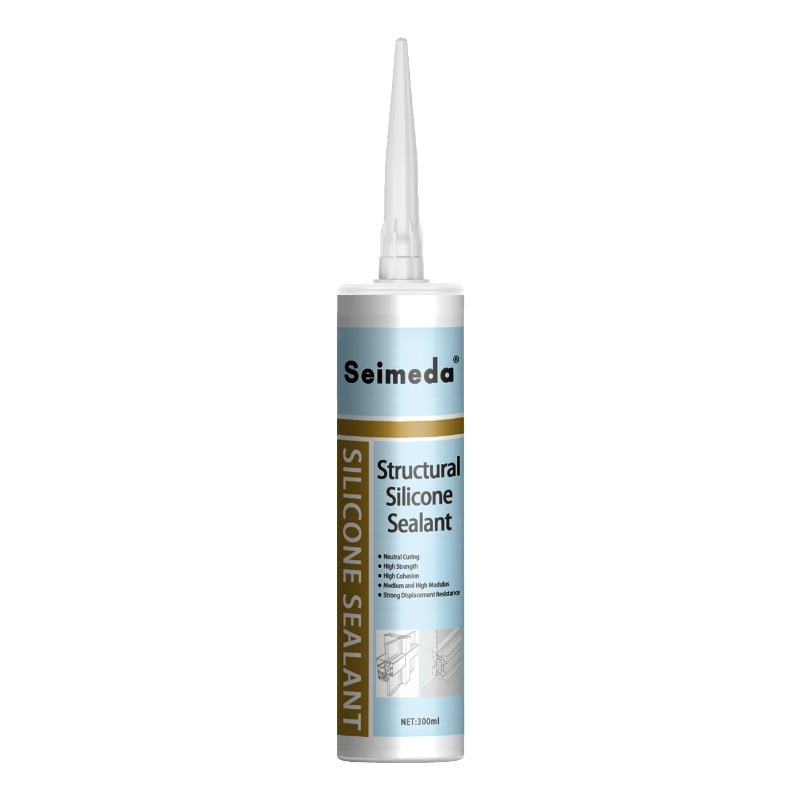
| Structural Glass Curtain Walls | Structural bonding, adhesion to approved glazing materials, movement accommodation | Structural Silicone Sealant |
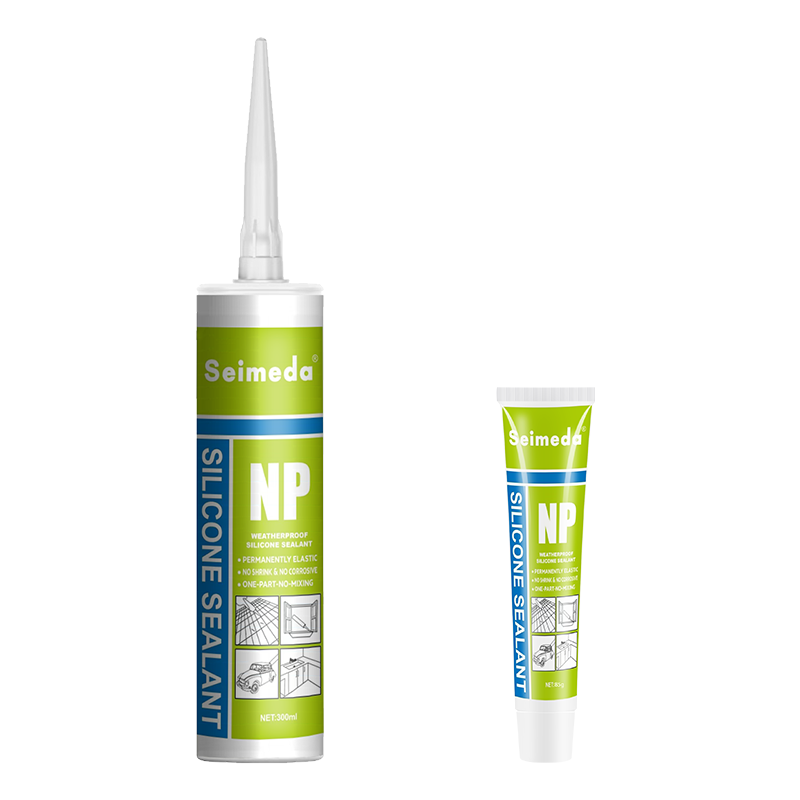
| Exterior Windows and Doors | Perimeter weather sealing, substrate compatibility, flexibility | NP Neutral Silicone Sealant |
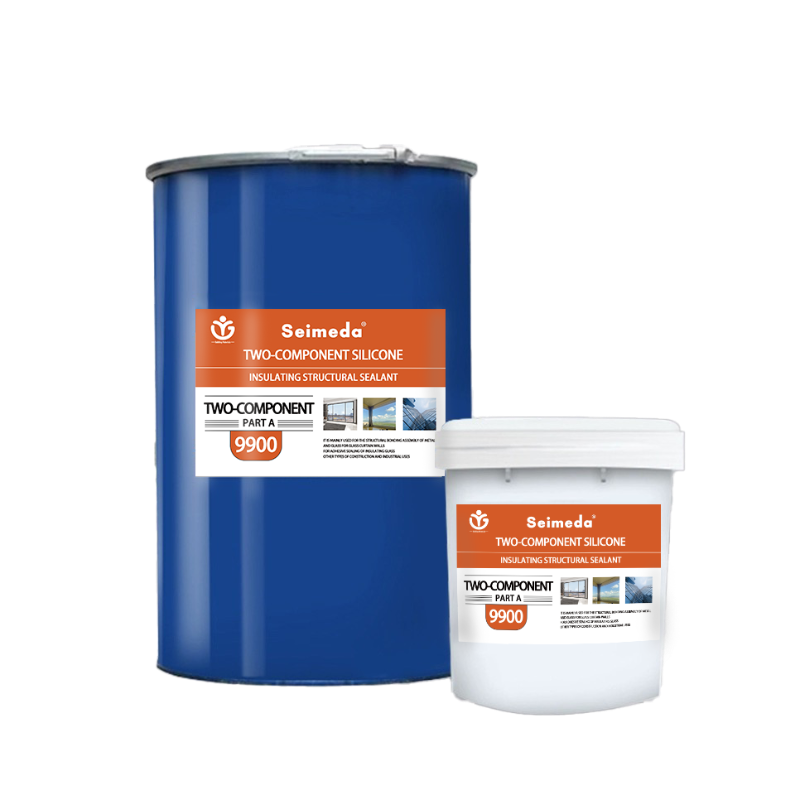
| Insulating Glass Units (IGUs) | Secondary edge sealing, adhesion, curing consistency, compatibility with the primary seal and spacer | Two-Component Structural Silicone Sealant for IGUs |
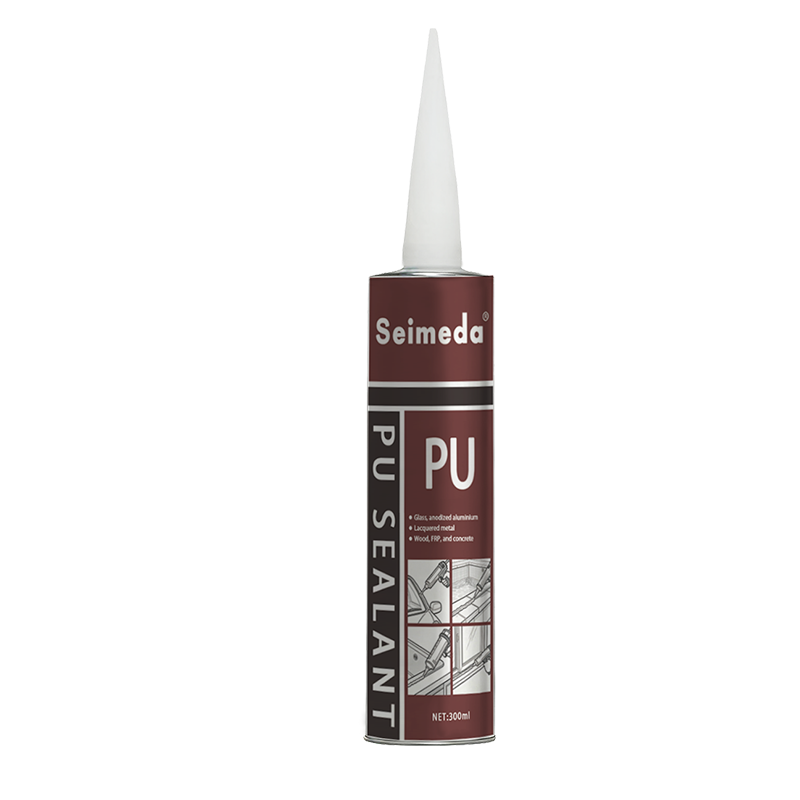
| Concrete Expansion Joints | Joint movement, adhesion to concrete, elastic recovery | PU Polyurethane Sealant |
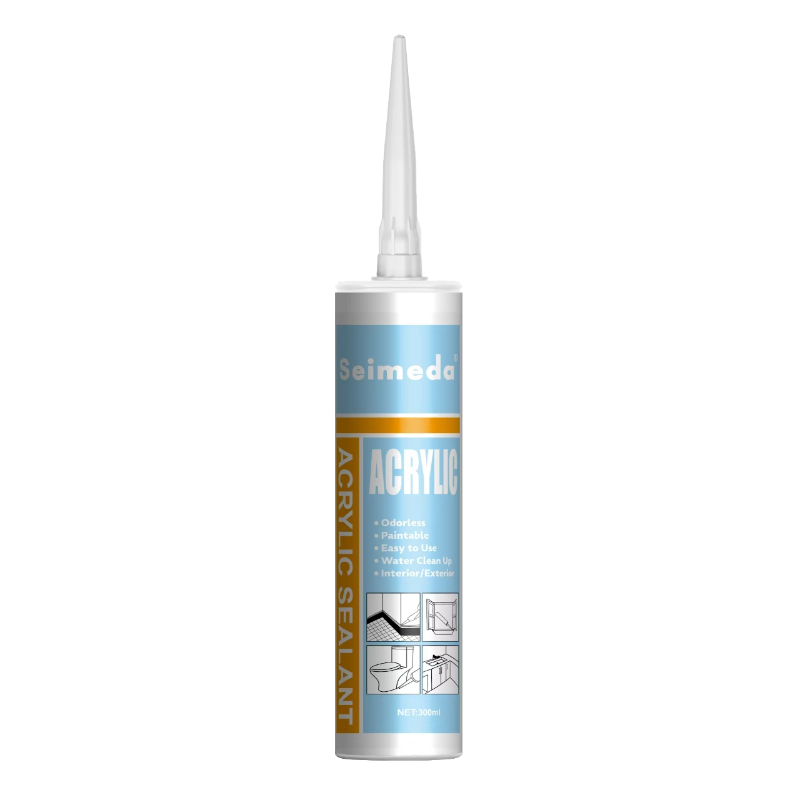
| Interior Wall and Trim Joints | Paintability, gap filling, suitable adhesion to interior materials | Acrylic Water-Based Sealant |
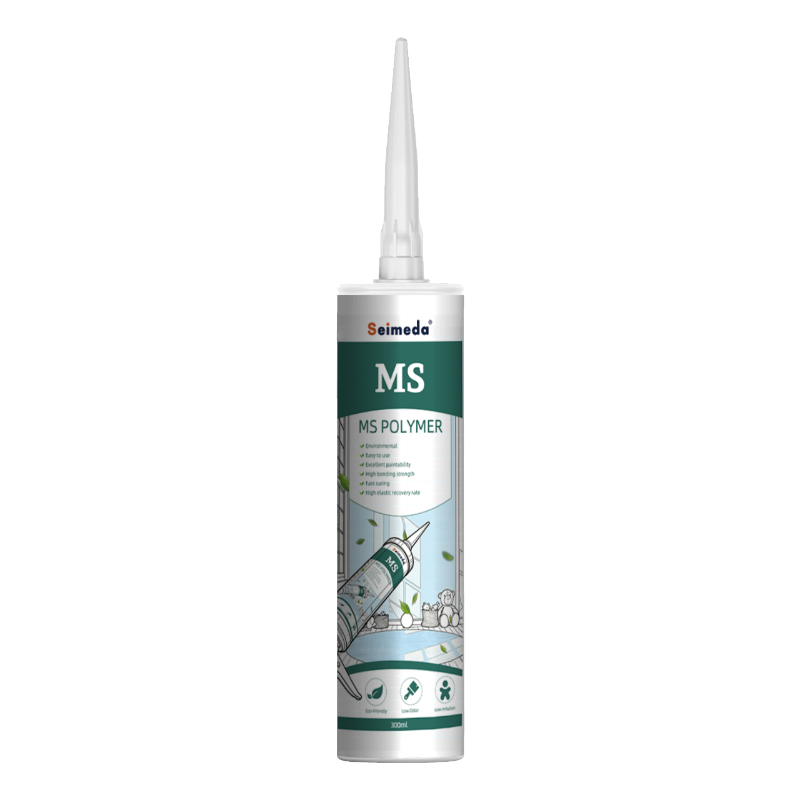
| Paintable Multi-Material Joints | Flexible sealing, adhesion to compatible substrates, paintability where required | MS Modified Silane Sealant |
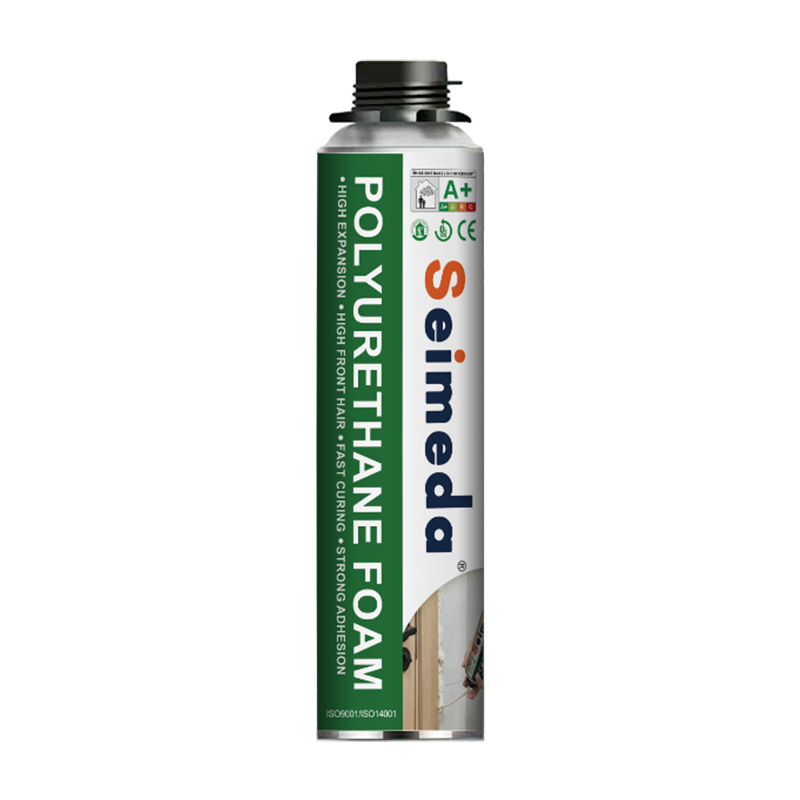
| Window and Door Installation Gaps | Gap filling and insulation around compatible building components | One-Component PU Foam |
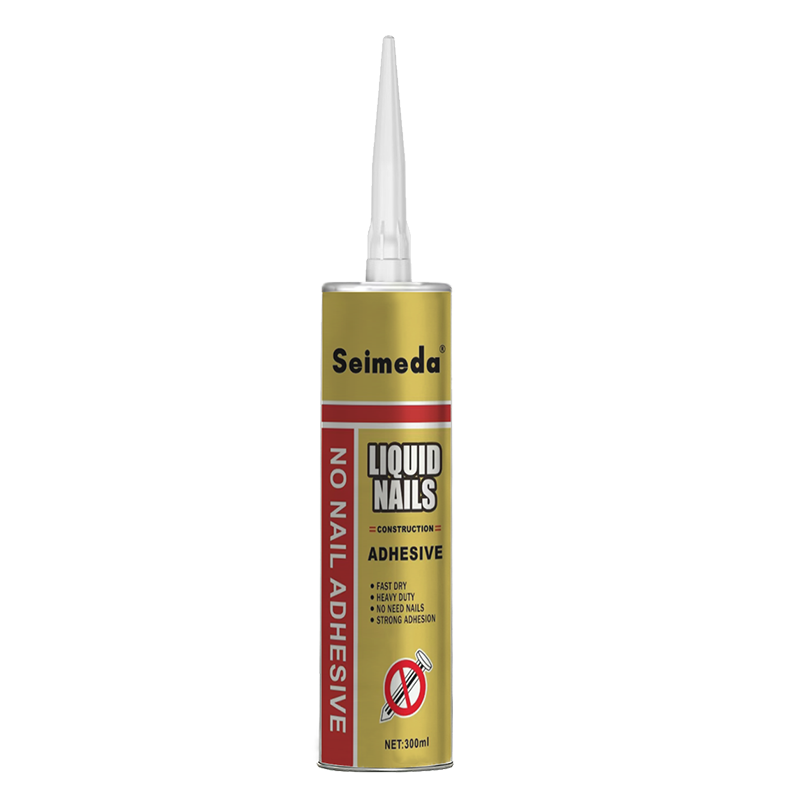
| Decorative Panels and Interior Components | Installation bonding for compatible trim, panels, and components | No More Nails Adhesive |
These products serve different functions. Structural glazing, insulating glass secondary sealing, perimeter weatherproofing, expanding foam, and interior installation adhesives should not be treated as interchangeable materials.
For project-specific product selection, explore SEIMEDA's construction sealant and adhesive range.
Construction sealant selection should begin with the joint or bonding function, followed by the materials, operating conditions, and required performance.
| Selection Factor | Why It Matters | What Buyers Should Check |
|---|---|---|
| Application | Different joints require different sealing or bonding functions | Structural glazing, weather sealing, concrete joints, or interior finishing |
| Substrate Compatibility | Adhesion varies by material and surface condition | Glass, aluminum, concrete, masonry, wood, coatings, and approved plastics |
| Joint Movement | Building movement and temperature changes place stress on sealant joints | Movement capability, modulus, elastic recovery |
| Weather Exposure | Exterior applications face rain, UV exposure, and temperature variation | Relevant weathering data and product specifications |
| Curing Performance | Curing affects production schedules and installation handling | Working time, skin formation, cure rate, temperature and humidity conditions |
| Paintability | Some interior and construction joints require subsequent coating | Compatible paint types and recommended application time |
| Environmental Requirements | Project specifications may set emissions or material requirements | VOC documentation, SDS, applicable standards and declarations |
| Supply Requirements | Distributors need repeatable product quality and reliable purchasing arrangements | Packaging, shelf life, MOQ, lead time, and OEM options |
A product's technical data should correspond to the selected formulation. Values from different sealant grades should not be combined into one specification, and general product descriptions should not replace project-specific requirements.
As construction chemicals purchasing becomes more specialized, buyers increasingly need to evaluate the supplier alongside the product.
Consistent curing behavior, adhesion, packaging, and batch performance are important for distributors and contractors. Product specifications and quality-control documentation help buyers assess whether a supplier can support repeat orders.
Importers and project buyers may need technical data sheets, safety data sheets, performance test reports, and product-specific compliance documents.
For specialized applications such as structural glazing and insulating glass, documentation should relate to the exact product and intended system.
Regional distributors may require different cartridge formats, colors, carton quantities, and brand labels. OEM and private-label services can help buyers establish a product range suited to local market requirements.
SEIMEDA provides OEM and private-label sealant services for distributors, wholesalers, and brands seeking customized packaging and supply arrangements.
For recurring orders, buyers should consider production schedules, packaging availability, shelf life, shipping arrangements, and reorder planning. These factors are particularly relevant to distributors maintaining local stock and contractors working to fixed project schedules.
Environmental compliance depends on the product, destination market, and project specification. Buyers should identify the applicable requirements before selecting a sealant or adhesive for a regulated project.
| Documentation | Purpose |
|---|---|
| Technical Data Sheet (TDS) | Product properties, intended uses, and application conditions |
| Safety Data Sheet (SDS) | Material handling, storage, and safety information |
| VOC Test Data | Evidence for applicable VOC content or emissions requirements |
| Performance Test Reports | Supporting data for adhesion, movement, weathering, or mechanical properties |
| Product Certifications and Declarations | Evidence relevant to specified standards and markets |
For low-emission interior applications, buyers should request product-specific VOC information rather than relying solely on terms such as “eco-friendly” or “low odor.”
For façade, glazing, and other specialized engineering applications, the selected sealant must also meet the performance and documentation requirements specified for the project.
For construction chemical importers and distributors, market growth creates opportunities to expand product coverage. The most effective product range is organized around customer applications rather than an undifferentiated list of sealants and adhesives.
Build an Application-Based Product Portfolio
Glazing and Façade Projects: Structural silicone and appropriate weatherproofing sealants.
Window and Door Installation: Neutral silicone sealants and compatible PU foam products.
Concrete Construction: Polyurethane joint sealants matched to joint movement and substrate requirements.
Interior Decoration: Paintable acrylic sealants and suitable installation adhesives.
Multi-Material Construction: MS polymer sealants selected according to adhesion, flexibility, and coating requirements.
Evaluate the Supplier's Commercial Support
Before placing a bulk order, confirm the available product grades, technical documentation, packaging options, private-label services, MOQ, and lead time.
SEIMEDA works with distributors and OEM customers on product selection, packaging requirements, and supply planning. Buyers can provide their target market, application focus, and estimated purchasing quantity to discuss suitable product options.
Before requesting a quotation, prepare the following information to help the manufacturer identify suitable products.
Application: Structural glazing, exterior weather sealing, insulating glass, concrete joints, or interior finishing.
Substrate: Glass, aluminum, concrete, masonry, wood, or other materials.
Performance Requirements: Joint movement, adhesion, curing speed, paintability, and weather resistance.
Project Conditions: Indoor or outdoor use, temperature range, UV exposure, and moisture conditions.
Technical Requirements: Applicable standards, test reports, VOC documentation, and safety information.
Commercial Requirements: Product quantity, packaging, colors, OEM labeling, destination market, and delivery schedule.
This information helps align product specifications with the intended application and reduces unnecessary product comparisons.
Global construction chemicals market growth is linked to infrastructure development, renovation, energy-efficient buildings, and more specialized construction processes. For sealants and adhesives, these changes create demand across different applications, each with its own technical and purchasing requirements.
The right product depends on the function of the joint, substrate compatibility, movement, curing conditions, environmental exposure, and applicable project specifications.
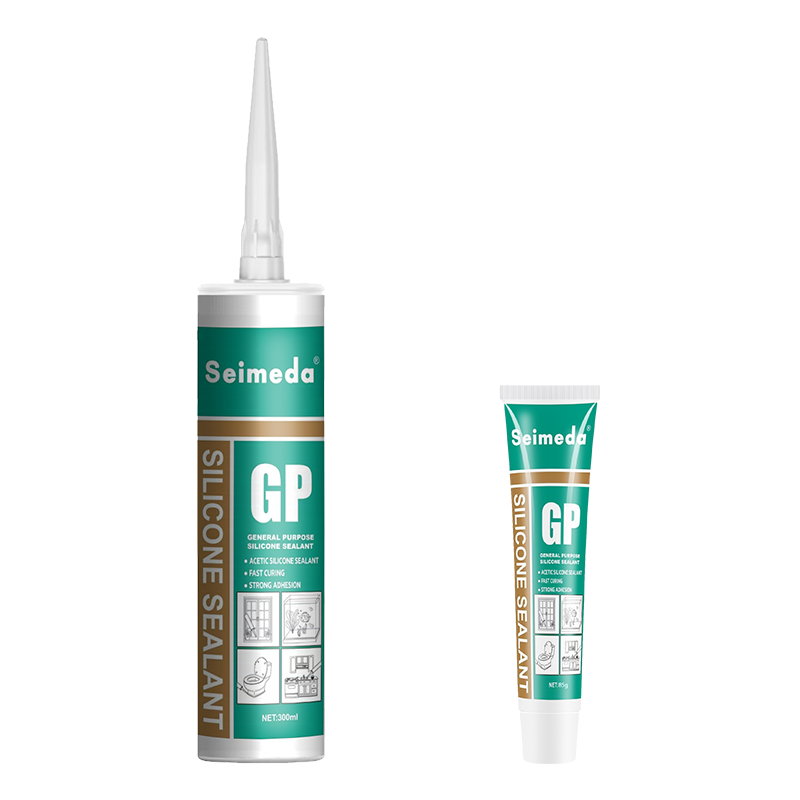
SEIMEDA supplies silicone sealants, polyurethane sealants, MS modified silane sealants, acrylic water-based sealants, PU foam, and construction adhesives for different building and industrial applications.
Looking for construction sealants or adhesives for your market or project?
Share your application, target market, product requirements, preferred packaging, and estimated order quantity with SEIMEDA. Our team can help you review available products and discuss technical documentation, OEM options, and bulk supply.
Contact SEIMEDA for Product Selection, OEM Supply and Quotations