



WhatsApp: +86 178 6574 8088

E-mail: jackyalum@163.com
English

WhatsApp: +86 178 6574 8088
E-mail: jackyalum@163.com
Related Products
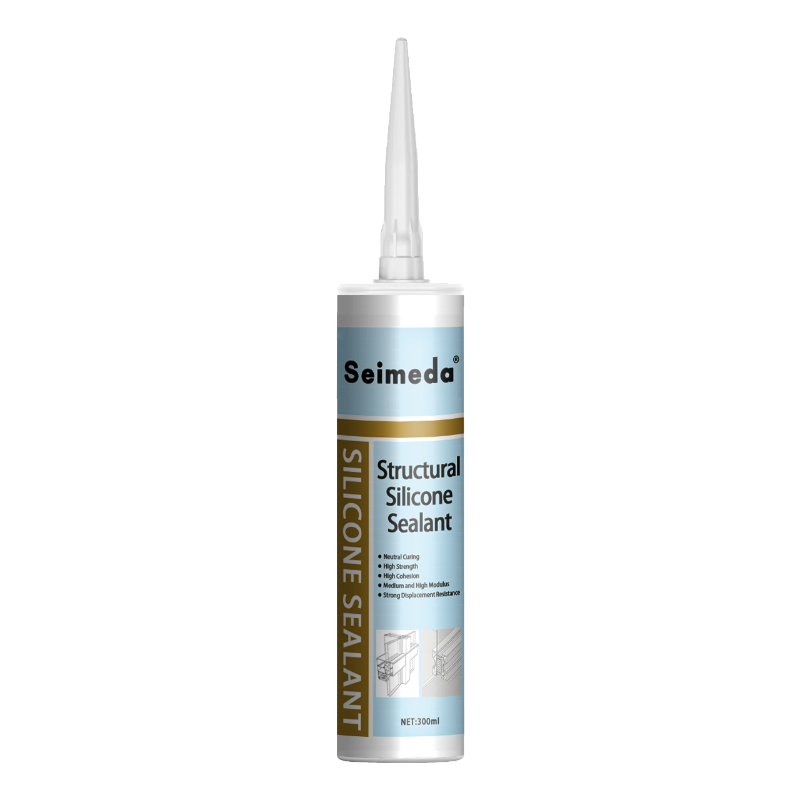
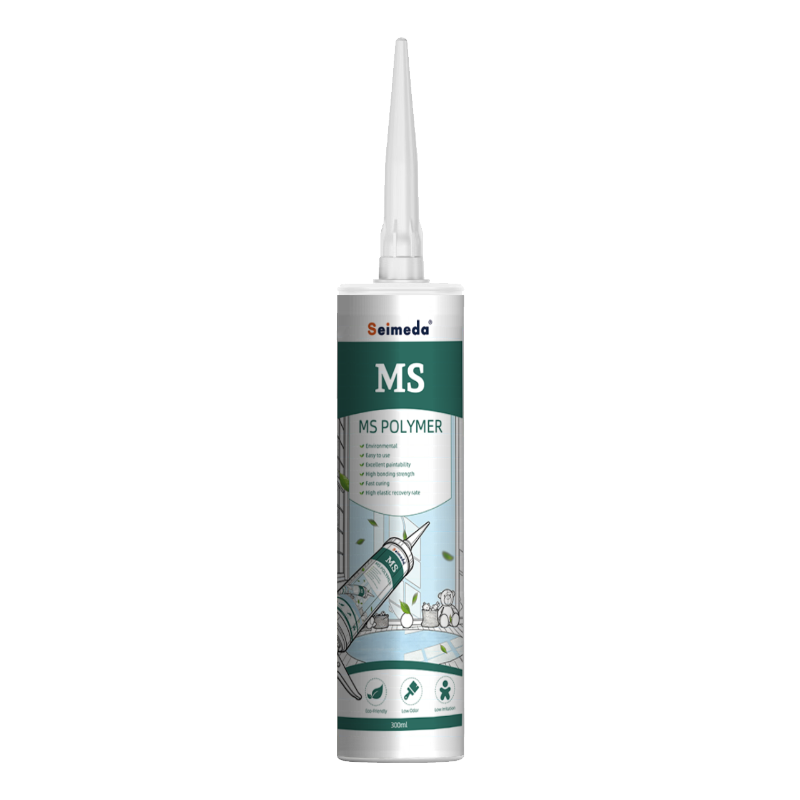
Date: 19 Aug, 2026
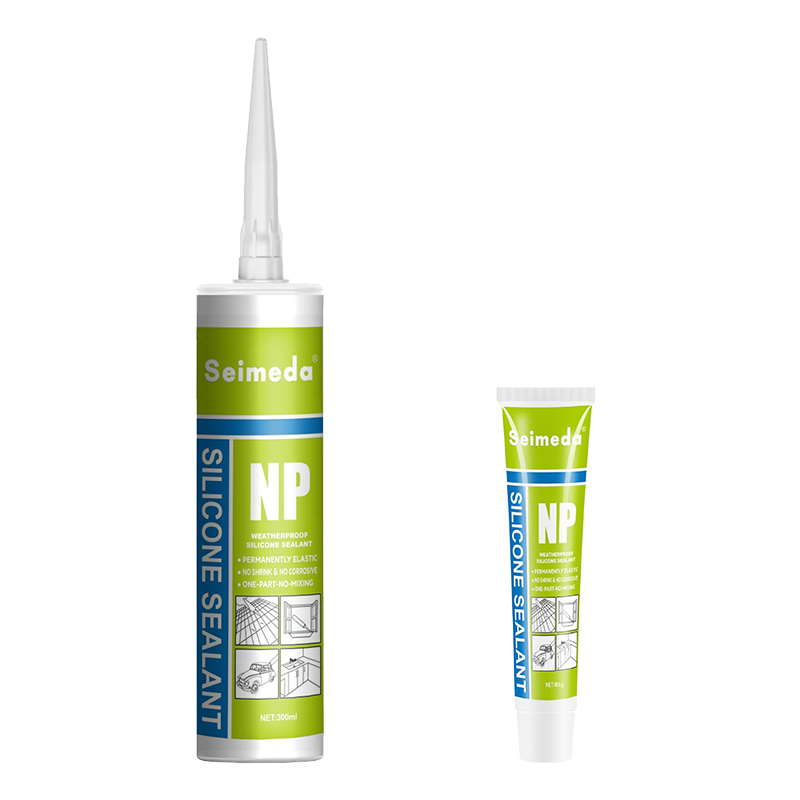
NP neutral silicone sealant is used to seal joints around windows, doors, façades, bathrooms, kitchens, and many industrial parts. Unlike acid-cure silicone, it normally produces less acidic odor and offers better compatibility with materials that may react with acetic acid. Buyers searching for an NP neutral silicone sealant supplier, a neutral cure silicone sealant for windows, or an OEM neutral silicone sealant manufacturer need more than a low price. They need reliable adhesion, tested movement capability, stable curing, and clear technical data.
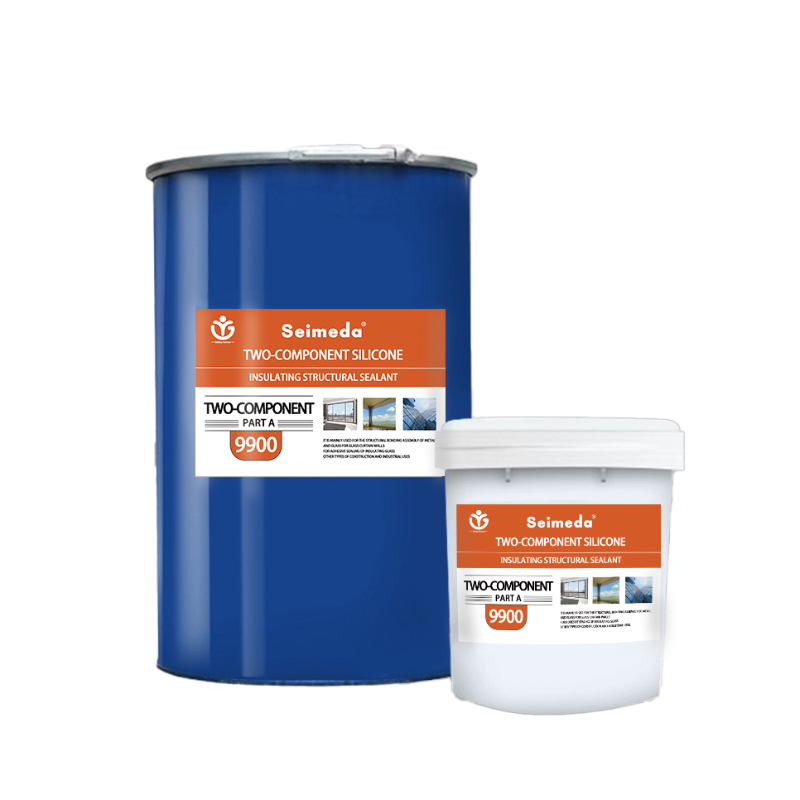
NP neutral silicone sealant is a one-component, moisture-curing elastomer used to close gaps and protect joints from air, water, dust, and moisture.
The term “neutral cure” describes the chemical curing system. During curing, the sealant does not mainly release acetic acid, which is the source of the familiar vinegar smell from acetoxy silicone. Many neutral-cure products use alkoxy or oxime systems, although the exact chemistry depends on the formulation.
The term “NP” is not a universal international classification. In many product catalogs, it is used as a product series name or shorthand for a neutral-purpose sealant. Buyers should confirm the meaning through the manufacturer’s:
A professional neutral cure silicone sealant manufacturer should explain the product’s cure type, adhesion range, movement capability, temperature resistance, shelf life, and packaging options.
Most one-component silicone sealants cure when they react with moisture in the air. The process begins at the surface and moves toward the interior.
Typical curing values vary by formula, temperature, humidity, and joint depth. A product may form a skin in approximately 10–30 minutes and cure at around 2–3 mm per 24 hours under standard laboratory conditions. These figures are examples only; the actual value must come from the product TDS.
Low humidity, cold temperatures, or a deep joint can slow the cure. This is why a thick bead may look dry on the outside while remaining soft inside.
NP neutral silicone sealant is commonly used for weather sealing, glazing, sanitary joints, and general construction applications. Always check the product TDS before applying it to a specific substrate.
Neutral-cure silicone is important because many building and industrial materials are sensitive to acidic curing by-products.
Acetoxy silicone may cause problems on some metals, porous stones, concrete, coated surfaces, mirrors, and electronic parts. Neutral-cure products are often selected where low corrosion risk and broader material compatibility are needed.
However, “neutral” does not mean “safe for every material.” Some plastics have low surface energy, and some coatings contain additives that reduce adhesion. A small adhesion test remains necessary.
Silicone remains flexible after curing. It can absorb movement caused by:
The joint’s performance depends on more than the sealant. Joint width, depth, backing material, surface preparation, and sealant tooling all affect the final result.
High-quality silicone sealants are commonly used outdoors because cured silicone can resist sunlight, rain, and temperature changes. The exact service temperature must be checked in the technical data.
For example, one product may be rated for a working range of approximately -50°C to 150°C, while another may have a different limit. It is not correct to apply one manufacturer’s temperature range to every silicone product.
Neutral-cure silicone generally produces less vinegar-like odor than acetoxy silicone. This is useful in occupied buildings, interior renovation, window installation, and areas where strong odor can disturb workers or residents.
Lower odor does not mean zero emission. Installers should still provide ventilation and follow the SDS.
A silicone bead can remain functional for many years when the joint is correctly designed and the substrate is suitable. Poor cleaning, excessive joint depth, trapped moisture, or weak adhesion can cause early failure even when the sealant itself is technically sound.
A reliable neutral cure silicone sealant for windows may be used in several construction and maintenance settings.
Neutral silicone is used around:
It helps reduce water entry and air leakage. The window frame, glass, and sealant must be compatible. For glazing work, confirm whether the product is approved for direct contact with insulated glass, laminated glass, coatings, or gaskets.
Neutral silicone can be used for weather sealing around façade panels, metal joints, and selected curtain-wall components. Structural glazing is a special application and should not use a general-purpose sealant unless the product has the required structural glazing approvals and test data.
Structural glazing involves safety-critical loads. It usually requires project-specific design, adhesion testing, compatibility testing, and approval by the system manufacturer.
NP neutral silicone sealant can seal joints around:
For wet areas, buyers should check whether the product contains a fungicide and whether it is suitable for sanitary applications. A general-purpose neutral silicone may not provide the same mildew resistance as a sanitary-grade formula.
Neutral cure is often preferred for aluminum, stainless steel, coated metal, and glass because it avoids the strong acidic odor associated with acetoxy systems. The installer must still remove oil, dust, protective films, and oxidation before application.
Some neutral sealants are designed for concrete, brick, stone, and other porous surfaces. Natural stone requires special care because certain sealants can cause staining around the joint.
Before large-scale work, apply a test bead to the actual stone or masonry. Observe the area after curing for discoloration, oil migration, or loss of adhesion.
Depending on the specification, neutral silicone may be used for:
The sealant should not be used as a substitute for a mechanical fastener unless the design specifically allows it.
Choosing a neutral cure silicone sealant manufacturer is a technical and supply-chain decision. Compare the following points before placing an order.
A useful TDS should state:
Test methods should also be identified. ASTM C920, for example, is a widely referenced specification for elastomeric joint sealants. ASTM C719 is commonly used to evaluate adhesion and movement cycling. The standard does not automatically mean that every product passes it; the product must have relevant test evidence.
Sealant movement is often shown as a percentage, such as ±25% or ±50%. A ±25% product is designed for a smaller movement range than a ±50% product.
Do not select a product only because it has a high movement number. The joint must also have the correct width-to-depth ratio and backing system.
For many construction joints, a sealant depth of approximately half the joint width is used as a design starting point. For example, a 12 mm wide joint may use a 6 mm sealant depth. The exact design should follow the project specification and sealant manufacturer’s instructions.
Request adhesion information for the exact materials used in the project:
A manufacturer may offer a primer, but primer selection must be based on the substrate and sealant formula. Conduct a site mock-up when the project is large or the surface has a special coating.
A dependable NP neutral silicone sealant supplier should provide information about:
For private-label or OEM projects, ask whether the supplier can support artwork, barcode labels, carton design, and stable formula control between batches.
Common packaging formats include:
Storage conditions matter. Most one-component silicone products should be stored in a cool, dry place away from direct sunlight. The exact storage temperature and shelf life must come from the label or TDS.
Correct application is often the difference between a joint that lasts and a joint that fails within months.
Check whether the joint is:
Remove old sealant completely where possible. Applying new silicone over contaminated or loose old sealant usually creates weak adhesion.
Remove dust, oil, grease, rust, laitance, and moisture. Use a cleaner that is compatible with the substrate. Do not leave solvent residue on the surface.
Porous surfaces may require brushing or mechanical cleaning. Smooth materials may require a lint-free cloth and approved solvent.
A closed-cell or open-cell backer rod can control sealant depth and prevent three-sided adhesion. Three-sided adhesion can restrict movement and increase stress at the joint edges.
Choose a backer rod slightly larger than the joint width so it stays in place without damage.
Masking tape can create a cleaner edge, especially on painted surfaces or finished interiors. Remove the tape before the sealant skins over.
Cut the nozzle at an angle that matches the joint width. Apply steady pressure and keep the nozzle in contact with the joint.
Avoid gaps, bubbles, and stops in the bead. A continuous bead provides a better barrier than several short sections.
Tool the sealant with a suitable spatula before skin formation. Use a light, even pressure to push the material against both joint sides.
Do not add large amounts of soapy water unless the manufacturer permits it. Contaminated tooling liquid can affect adhesion and appearance.
Protect the joint from rain, dust, vibration, and contact until the surface has cured. A thin surface skin does not prove that the whole bead is cured.
Curing time changes with temperature, humidity, bead depth, and ventilation. Follow the product TDS rather than relying on a fixed time for every project.
Possible causes include:
Solution: remove the failed material, clean the substrate, perform an adhesion test, and correct the joint design.
Possible causes include:
Solution: check the batch date, storage condition, joint depth, and ventilation. Contact the manufacturer if the material remains uncured after the expected curing period.
Possible causes include:
Choose a sanitary-grade formula when required. Improve drainage and ventilation. No sealant can replace proper bathroom maintenance.
Color change may result from sunlight, smoke, cleaning chemicals, incompatible substrates, or formulation limits. Request a color stability test when the joint is highly visible or exposed to strong ultraviolet light.
The following industry resources can help buyers and engineers evaluate sealant claims:
These references explain test methods and performance categories. Buyers should still request product-specific reports instead of relying only on a general standard.
Seimeda can be considered by buyers looking for an OEM neutral silicone sealant manufacturer or a long-term private-label partner. Before cooperation, ask for the current TDS, SDS, test reports, packaging options, minimum order quantity, lead time, and sample policy.
A professional supplier should help you answer practical questions:
Send the supplier photographs, substrate samples, joint dimensions, climate conditions, and intended use. Better input produces a more accurate product recommendation.
No. Acetoxy silicone commonly releases acetic acid during curing and has a vinegar-like odor. Neutral silicone uses a different curing system and is often selected for better compatibility with metals, glass, coatings, and sensitive surfaces.
Many neutral silicone products are suitable for aluminum, but the surface must be clean and free from oil or oxidation. Powder-coated and anodized aluminum may require separate adhesion testing.
Some products are designed for natural stone, while others may cause staining. Always use a stone-compatible product and perform a test on the actual stone before full application.
A cured silicone joint can resist water when it has full adhesion and the joint is correctly designed. It does not stop water if the substrate is dirty, the bead contains gaps, or the joint has excessive movement.
Most cured silicone sealants are difficult or impossible to paint successfully because paint does not bond well to the silicone surface. If painting is required, select a paintable hybrid or polyurethane sealant instead.
Many one-component products cure at approximately 2–3 mm per 24 hours under standard conditions, but the actual rate depends on humidity, temperature, and bead depth. Read the manufacturer’s TDS before exposing the joint to water or movement.
A sanitary-grade product may contain a fungicide and provide improved mold resistance. It will not prevent mold if the area has poor ventilation, standing water, or heavy dirt buildup.
Request the TDS, SDS, batch information, test reports, substrate compatibility data, shelf life, storage instructions, packaging details, and sample approval procedure.
NP neutral silicone sealant is a practical choice for window sealing, façade joints, sanitary areas, metal assemblies, glass applications, and general weatherproofing. The correct product depends on the substrate, movement, exposure, joint design, and required standards.
Before ordering, test the product on the real materials and confirm the technical data. For project supply, private labeling, or product trials, contact Seimeda and request samples, application guidance, and current documentation for its neutral cure silicone sealant manufacturer solutions.