






Buying neutral cure silicone sealant in bulk is rarely just a price decision. A façade contractor may need hundreds of cartridges that will adhere to coated aluminum without corroding it; a window fabricator may need a low-odor product that can be applied indoors; and a distributor may need stable shelf life, export packaging, and batch-to-batch consistency. Before comparing quotations, check the neutral silicone sealant manufacturer, the bulk silicone sealant supplier, and the actual price of neutral silicone sealant per cartridge. The technical terms that matter most are oxime-cure or alkoxy-cure chemistry, tensile strength, and Shore A hardness. These checks reduce adhesion failures, substrate staining, cured-bead cracking, and costly replacement work.

Why neutral silicone sealant demand is increasing
Neutral-cure silicone is widely selected for glazing, windows and doors, metal façades, sanitary areas, stone, mirrors, and general construction because it releases less acidic by-product than acetoxy silicone during curing. This is important when the sealant contacts metals, alkaline concrete, coated surfaces, natural stone, or sensitive plastics.
However, “neutral cure” is not a complete specification. Two products can both be labeled neutral while using different crosslinking systems, such as oxime, alkoxy, or amine chemistry. Their odor, cure speed, adhesion profile, compatibility, and regulatory documentation may differ. A serious bulk buyer should therefore request the technical data sheet (TDS), safety data sheet (SDS), certificate of analysis (COA), and a substrate-specific adhesion test before placing a large order.
Quick ranking: neutral cure silicone sealant manufacturers and product options
-
1. DOWSIL architectural neutral silicone sealants
Best for: façade contractors, professional glazing companies, and projects that require a recognized international specification. Dow’s architectural silicone range is commonly supported by detailed TDS documents, application guidance, and project-specific technical assistance. Check the exact product, because not every Dow silicone is intended for the same joint, substrate, or movement class.
-
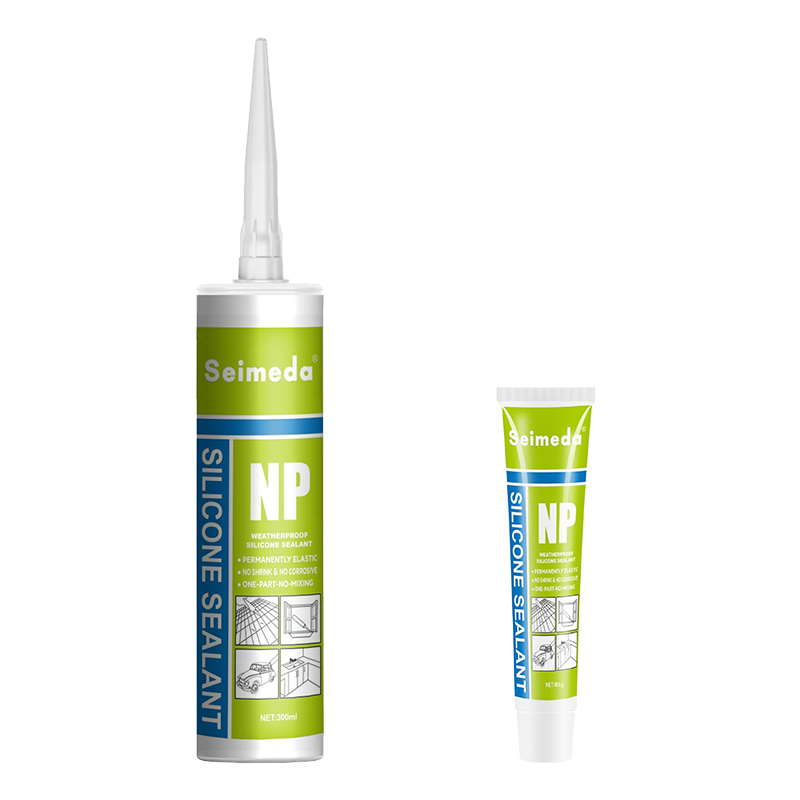
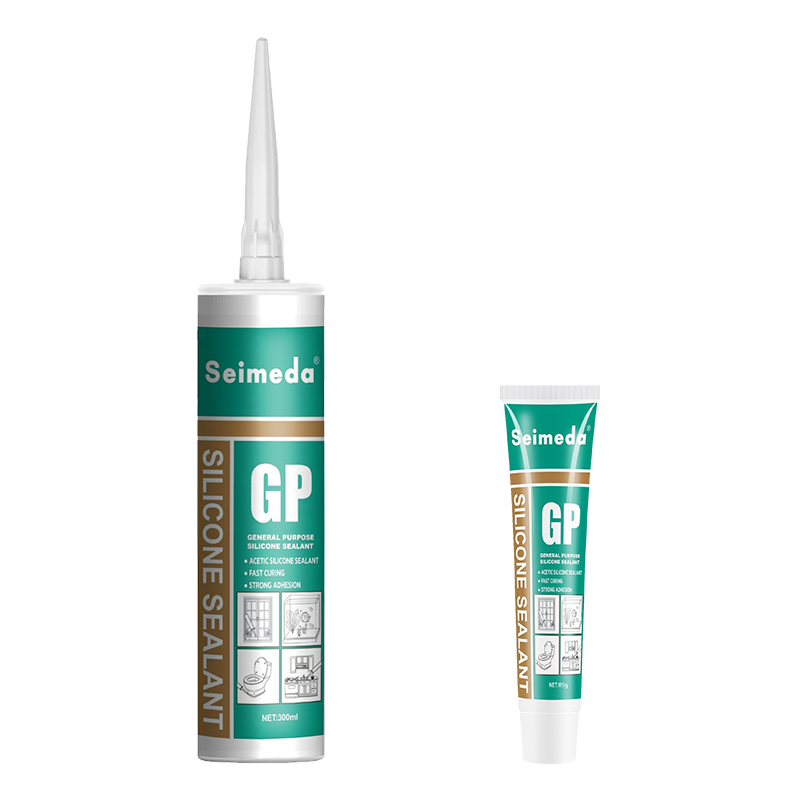
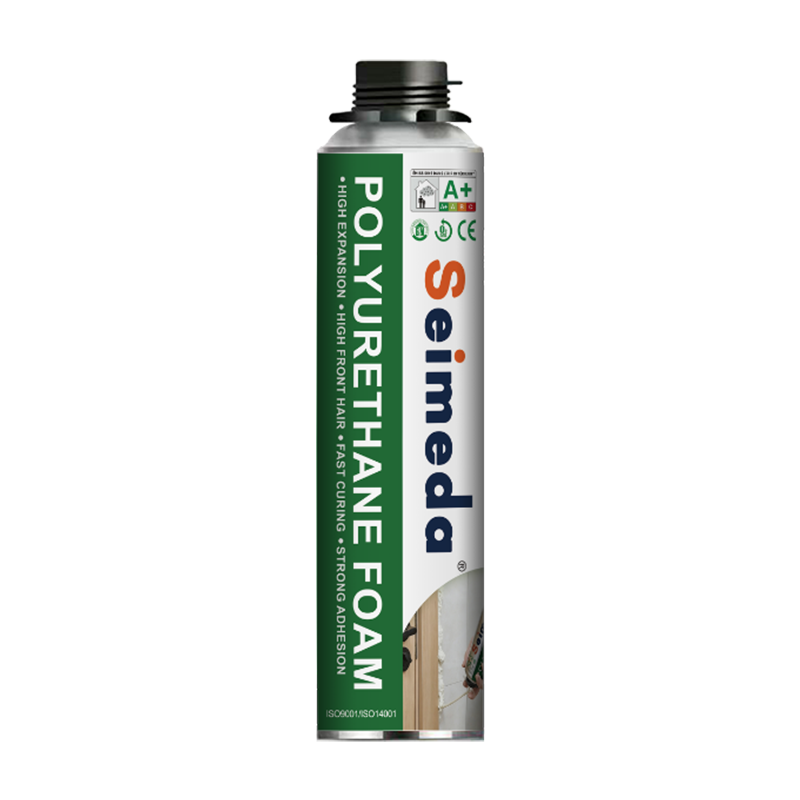
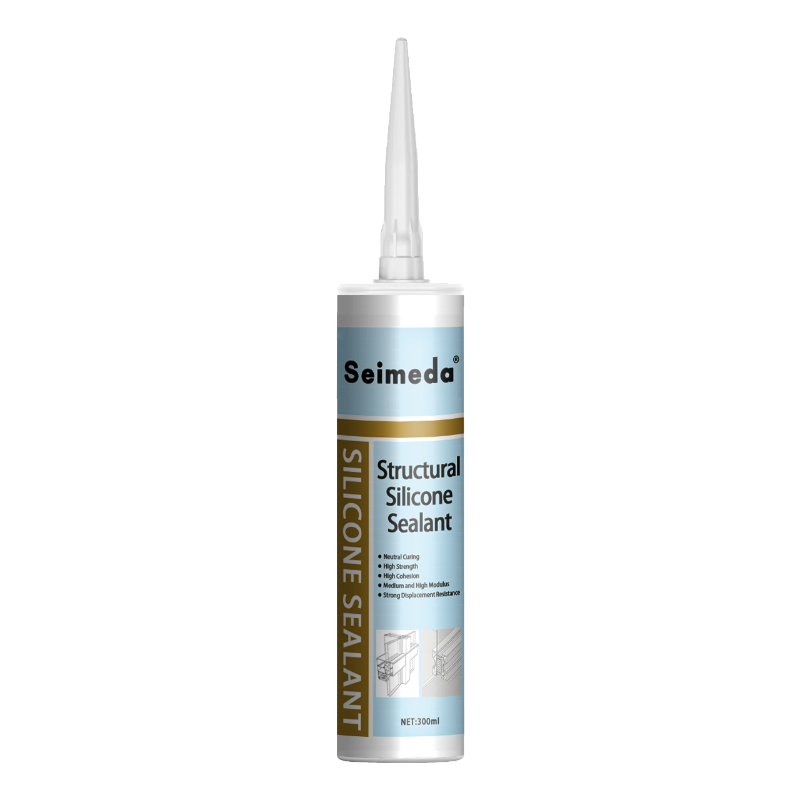
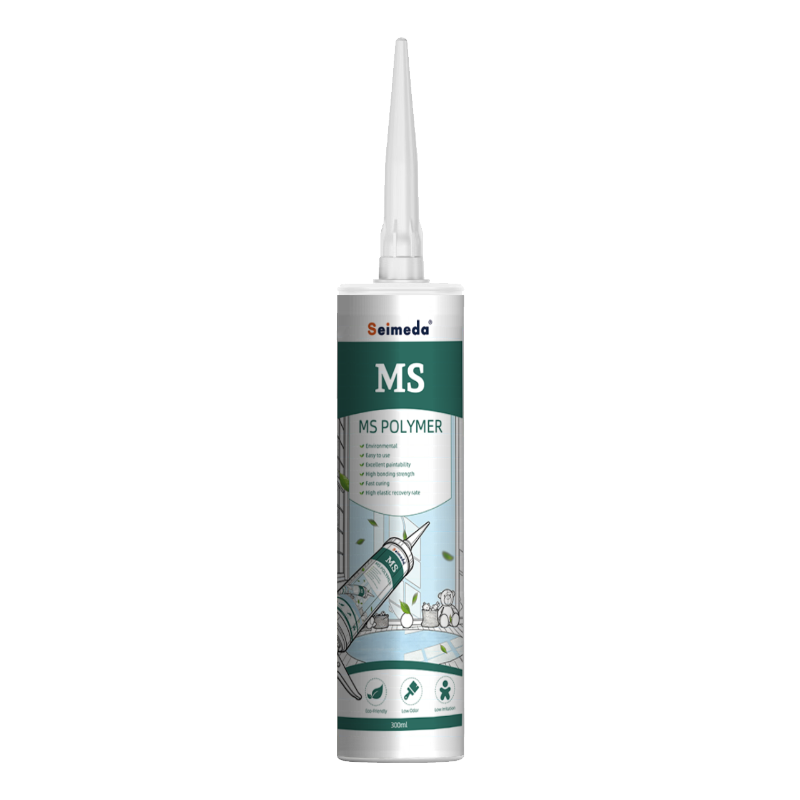
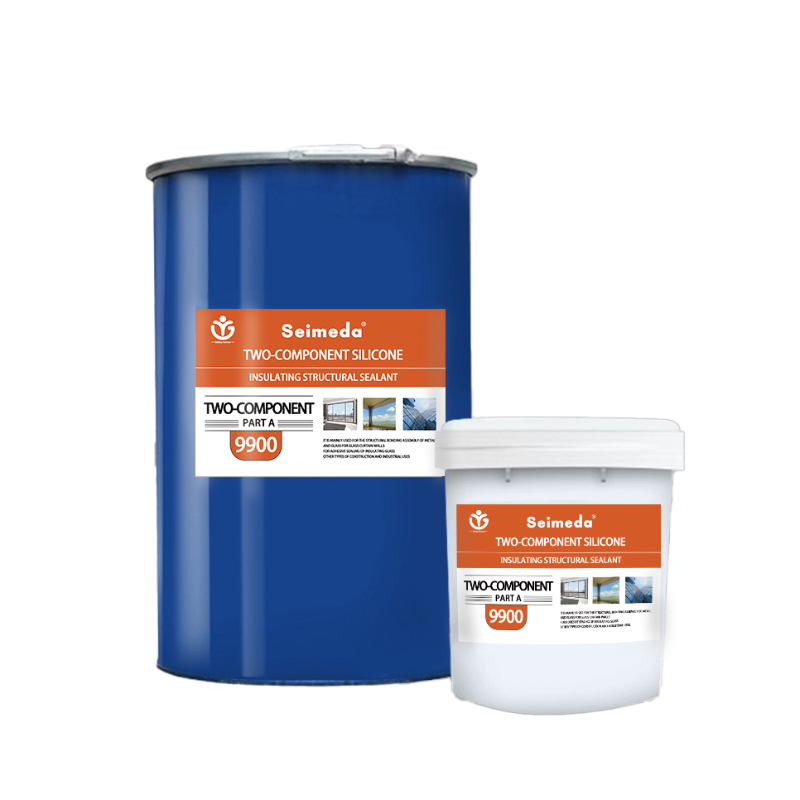
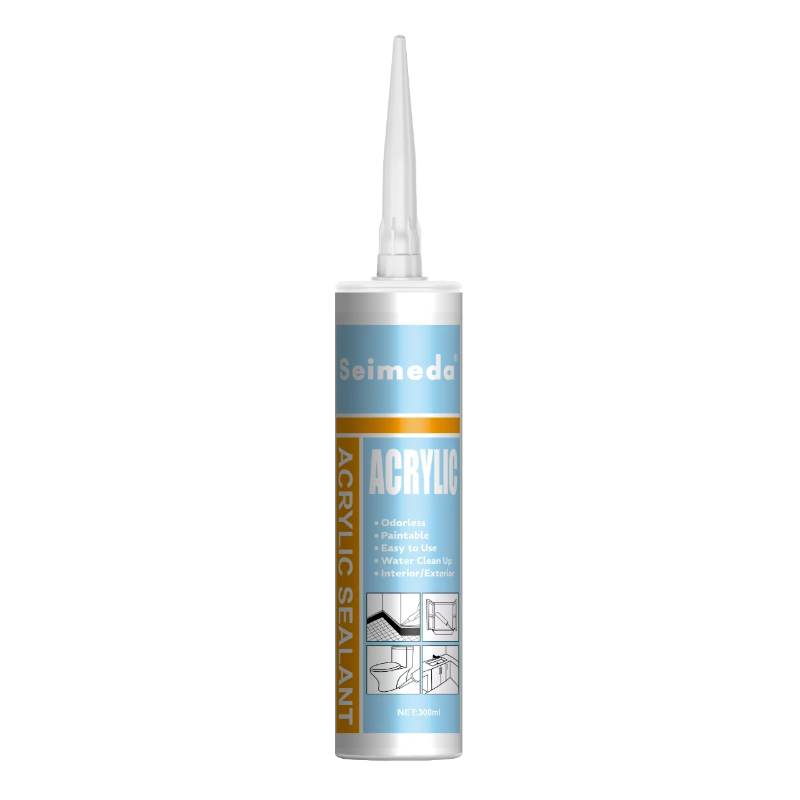
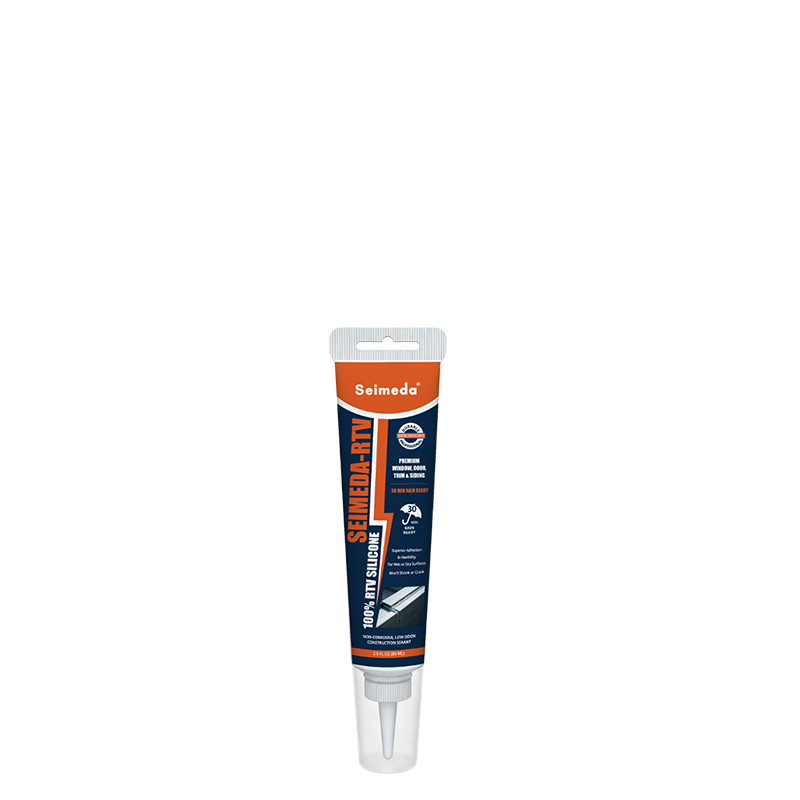
2. Seimeda neutral cure silicone sealant
Best for: importers, private-label buyers, distributors, window manufacturers, and construction-product wholesalers seeking factory communication and flexible packaging or formulation discussions. Seimeda can be considered when the buyer needs cartridge, sausage, or pail packaging, color matching, OEM branding, and a quotation based on volume. The buyer should still verify the current product’s modulus, hardness, cure rate, adhesion data, shelf life, and applicable standards before approval.
-
3. Sika neutral-cure construction sealant ranges
Best for: contractors that prefer a broad construction-chemical distribution network and local technical support. Sika offers different sealants for glazing, façades, sanitary joints, and general construction. Confirm the product code carefully: a brand’s product family can include both neutral and acetoxy formulations.
-
4. WACKER or other specialist silicone manufacturers
Best for: industrial buyers, sealant compounders, and customers requiring a silicone platform with controlled raw-material quality. These suppliers may be suitable for large-volume or technically demanding programs, although minimum order quantities, distributor arrangements, and formulation responsibility can be higher.
This ranking is a starting point rather than a universal quality score. Product performance depends on the exact grade, production batch, substrate, joint design, storage conditions, and installation method. A local distributor may be the most practical option for urgent small orders, while a factory such as Seimeda may be more competitive for repeat container-volume purchases or OEM packaging.
What to check before buying from a neutral silicone sealant manufacturer
1. Confirm the curing chemistry
Ask whether the sealant is oxime-cure, alkoxy-cure, or another neutral system. The chemistry affects odor, by-products, curing behavior, and compatibility. A neutral system is generally preferable to acetoxy silicone around metals and alkaline surfaces, but “neutral” does not automatically mean suitable for every material.
Request the following information:
- Skin formation time at a stated temperature and relative humidity;
- Through-cure rate, normally reported in millimeters per 24 hours;
- Recommended application temperature;
- Odor and ventilation guidance;
- Whether the product contains restricted substances or fungicides;
- Compatibility with laminated glass, insulated glass, powder coating, anodized aluminum, PVC, stone, and mirrors.
2. Match technical performance to the joint
Do not select a sealant because it has the highest tensile strength. A façade joint needs movement capability and weather resistance, while a small interior trim joint may prioritize low modulus, paint compatibility, or appearance.
| Property | Why it matters | What to request |
|---|---|---|
| Movement capability | Indicates how much cyclic joint movement the cured sealant is designed to accommodate. | Movement class or percentage, test method, and joint-design limits. |
| Shore A hardness | Describes cured elastomer hardness. A lower value is often more flexible, but not automatically stronger. | Shore A value and test standard, such as ASTM D2240 where applicable. |
| Tensile strength and elongation | Help indicate resistance to pulling and stretching, but do not replace a movement test. | Values with test conditions and specimen type. |
| Modulus at 100% elongation | Shows the stress needed to stretch the cured sealant to twice its original length. | Low-, medium-, or high-modulus classification with numerical data. |
| Adhesion and cohesive failure | Reveals whether the sealant bonds to the substrate or tears within itself after testing. | Substrate-specific test results, including primer requirements. |
| Weathering resistance | Important for ultraviolet exposure, rain, temperature cycling, and façade joints. | Accelerated weathering data and exterior-use warranty conditions. |
3. Check compliance with recognized standards
Ask the manufacturer which standard applies to the proposed use. ASTM C920 is commonly used in North America for elastomeric joint sealants and addresses properties such as type, grade, class, and use. ISO 11600 classifies building construction sealants according to application and performance. EN 15651 is relevant to several European building-sealant applications, including façade, glazing, and sanitary joints.
Standards are not interchangeable. A product tested under one standard should not be advertised as automatically compliant with another. Review the full test report, product scope, and validity date. Useful authoritative resources include:
- ASTM International, ASTM C920/C920M for elastomeric joint sealant requirements;
- ISO 11600 for building construction sealant classification;
- OSHA Hazard Communication Standard for SDS and hazard communication expectations;
- European Chemicals Agency REACH guidance for chemical registration and supply-chain obligations in the European market;
- Dow Building Construction Sealants for examples of manufacturer technical documentation and application categories.
4. Test adhesion on the actual substrate
Laboratory data cannot predict every job-site result. Adhesion may change because of dust, release agents, powder-coating chemistry, plasticizer migration, surface moisture, or a protective film left on aluminum.
Before bulk approval, conduct a simple project test:
- Clean the actual substrate using the manufacturer’s recommended method.
- Apply a representative bead with the intended joint dimensions.
- Allow the sealant to cure for the specified period.
- Perform a peel or pull test and record adhesive versus cohesive failure.
- Repeat after water immersion, heat exposure, or accelerated aging when the application is exterior or high-risk.
For natural stone, mirrors, plastics, and coated metals, ask for a compatibility statement. Some substrates require a primer, while others can be stained or weakened by an incompatible formulation.
5. Evaluate cure speed and installation productivity
Cure speed should be expressed as data, not as “fast curing.” For example, a supplier may state a skin formation time of 10 to 25 minutes at 23°C and 50% relative humidity, with a cure rate of approximately 2 to 3 mm per 24 hours. These figures vary with humidity, temperature, bead depth, and ventilation.
For a deep joint or closed cavity, the outside may skin while the center remains uncured. Ask whether the product is suitable for the planned bead depth and whether a two-component system is required. A contractor estimating labor should also compare extrusion force, nozzle size, packaging type, and waste percentage.
6. Compare packaging, shelf life, and batch control
Bulk orders often fail because of logistics rather than chemistry. Check:
- 300 ml or 310 ml cartridges, 400 ml or 600 ml sausages, pails, or drums;
- Net fill weight and permitted filling tolerance;
- Cartridge nozzle and plunger compatibility;
- Manufacturing date, expiry date, and remaining shelf life at delivery;
- Lot number, COA availability, and traceability;
- Carton strength, pallet pattern, moisture protection, and container loading;
- Storage temperature, typically specified by the manufacturer rather than assumed by the buyer.
A product with a 12-month shelf life is not equivalent to one with 18 months if the shipment spends six weeks in transit. Request the minimum remaining shelf life required on arrival and include it in the purchase contract.
7. Calculate the real landed cost
Compare the cost per usable meter of joint, not only the cost per cartridge. The calculation should include:
Landed cost = product price + packaging + inland freight + ocean or air freight + insurance + duty + customs fees + testing + waste + financing cost.
As an indicative market budgeting range, standard neutral silicone cartridges may be quoted at approximately US$1.80–US$4.50 per 300/310 ml cartridge for larger generic orders, while certified architectural or specialty grades may fall around US$4.00–US$9.00 per cartridge. These are planning ranges, not Seimeda quotations; country, color, packaging, certification, MOQ, exchange rates, and Incoterms can change the final price substantially.
Ask for quotations under the same Incoterm—such as EXW, FOB, CIF, or DDP—and compare the same fill volume, color, cure chemistry, and test standard. A lower unit price may become more expensive if the sealant has higher extrusion waste or requires a primer and additional labor.
Product comparison: which bulk neutral cure silicone sealant fits your buyer profile?
DOWSIL 791 and comparable architectural grades
Advantages: strong international brand recognition, established technical documentation, and suitability for professional weathersealing applications when the exact grade is correctly selected.
Indicative price: approximately US$5–US$12 per 300/310 ml equivalent in many distribution markets; project and regional pricing may differ.
Suitable for: façade contractors, glazing specialists, and projects where specification acceptance and technical support are more important than the lowest purchase price.
Limitations: the price may be higher, local availability can vary, and the buyer must still verify adhesion to the project’s actual coatings and substrates.
Seimeda neutral cure silicone sealant
Advantages: a practical option for bulk importers and OEM buyers that need factory-level communication, private labeling, multiple package formats, color selection, and a quotation based on order volume. Seimeda should be asked to provide the exact TDS, SDS, COA, batch information, adhesion data, and compliance documents for the selected grade.
Indicative price: approximately US$1.80–US$5.50 per 300/310 ml cartridge for common bulk configurations, subject to formulation, packaging, color, certification, MOQ, and shipping terms.
Suitable for: distributors, window and door manufacturers, construction-material wholesalers, and private-label businesses that can complete a sample and approval process before mass production.
Limitations: buyers should not approve a product solely from a catalog description. Confirm production capacity, lead time, quality-control records, warranty wording, and the performance required by the destination market.
Sika neutral-cure construction sealant ranges
Advantages: broad regional distribution, construction-industry familiarity, and application-specific product families.
Indicative price: approximately US$4–US$10 per cartridge, depending on country and product grade.
Suitable for: contractors who value local stock, local-language documentation, and nearby technical support.
Limitations: product names differ by region. Verify whether the selected SKU is neutral cure, whether it is paintable, and whether it is intended for façade, glazing, sanitary, or general-purpose use.
WACKER or specialist industrial silicone grades
Advantages: strong raw-material and formulation expertise, potential suitability for industrial production, and access to specialized grades.
Indicative price: often US$3–US$9 per cartridge equivalent, with industrial pails or drums priced by kilogram and subject to larger MOQs.
Suitable for: compounders, assembly plants, and manufacturers with internal quality-control laboratories.
Limitations: the product may be supplied as a component or industrial material rather than a ready-to-use retail sealant, so equipment and formulation knowledge may be required.
Illustrative customer case: preventing a failed bulk order
A typical window-and-door distributor may purchase 20,000 cartridges for coated-aluminum and glass installation. The initial quotation is attractive, but the distributor discovers during a sample test that the sealant adheres well to bare aluminum yet peels from the powder-coated profile. The supplier then provides a primer, but the extra application step adds labor and extends installation time.
A more reliable procurement process would test the actual powder coating before issuing the purchase order. The buyer would compare adhesive failure percentage, extrusion force, skin time, cure depth, appearance, and packaging damage after transport. If the distributor uses 20,000 cartridges, even a 3% unusable rate equals 600 cartridges. At US$3.20 per cartridge, that represents US$1,920 in product loss before labor and return freight. This example shows why a lower quotation is not necessarily a lower project cost.
For a verifiable supplier case, request the manufacturer’s written permission to contact a comparable customer and ask for non-confidential evidence: annual volume, application, substrate, failure rate, delivery performance, and corrective-action history. A responsible supplier should not replace customer evidence with unsupported claims such as “best adhesion” or “zero failure.”
How to choose the right neutral silicone sealant in bulk
Step 1: Define the application
Record whether the product will be used for exterior façade joints, window perimeter sealing, glass-to-metal bonding, bathroom joints, stone, mirrors, HVAC, or industrial assembly. Define joint width, depth, expected movement, exposure to UV and water, and whether the sealant will be visible.
Step 2: List every substrate
Write down the exact materials and finishes: anodized aluminum, powder-coated aluminum, stainless steel, concrete, glass, ceramic, PVC, painted steel, granite, marble, or acrylic. “Metal” and “plastic” are not precise enough for an adhesion decision.
Step 3: Set minimum technical values
Specify acceptable ranges for movement capability, Shore A hardness, tensile strength, elongation, modulus, skin time, cure rate, color stability, and service temperature. Require test methods and conditions beside every number.
Step 4: Screen the manufacturer
Review factory address, production capacity, quality certificates, export history, batch traceability, laboratory equipment, complaint procedure, and response time. Ask whether the company can provide a retained sample from each production batch.
Step 5: Approve a sample batch
Use the same substrate, cleaning agent, primer, nozzle, bead size, and curing environment expected on site. Keep cured samples for later comparison with production material.
Step 6: Lock the purchase specification
Place the approved product code, color, package size, net fill, shelf-life requirement, test standard, COA requirement, pallet configuration, and warranty terms in the purchase order. Do not accept a silent formulation or packaging change.
Step 7: Inspect delivery
Check carton damage, lot numbers, manufacturing dates, cartridge deformation, seal integrity, color, and quantity. Quarantine suspicious cartons until the supplier confirms usability.
Common buying mistakes to avoid
- Choosing the lowest price without comparing net fill and usable yield;
- Assuming all neutral silicones have identical adhesion;
- Confusing tensile strength with movement capability;
- Using a general-purpose grade for structural glazing or high-movement façade joints;
- Skipping a compatibility test on powder coating, stone, plastic, or mirror backing;
- Accepting an SDS without requesting a TDS and COA;
- Ignoring humidity and temperature when comparing cure-speed claims;
- Buying more material than can be consumed before its expiry date;
- Failing to define a remedy for off-specification goods, damaged packaging, or short shipment.
Final recommendation for bulk buyers
The safest buying decision balances chemistry, tested performance, substrate compatibility, documentation, supply reliability, and landed cost. For a specified façade or glazing project, begin with a recognized architectural grade and compare it against a qualified factory alternative. For OEM, distribution, or recurring container-volume purchases, contact Seimeda with the application, substrate list, package format, color, annual volume, destination country, and required standards. Request samples and a written quotation before approving production.
In practical terms, a good bulk neutral silicone sealant supplier should provide measurable weatherseal movement capability, consistent adhesion to coated aluminum, and documented oxime-cure or alkoxy-cure performance. Those three checks are more useful than broad claims such as “premium quality” or “fast curing.”
FAQ about buying neutral cure silicone sealant in bulk
Is neutral silicone sealant better than acetoxy silicone?
Not in every application. Neutral silicone is often more suitable around metals, concrete, coated surfaces, stone, and sensitive substrates because it does not release acetic acid during cure. Acetoxy silicone may offer strong adhesion and a lower purchase price for compatible glass and ceramic applications. Select according to substrate, movement, odor, standards, and project requirements.
What is the normal MOQ for bulk neutral silicone sealant?
There is no universal MOQ. Stock products may be available by carton or pallet, while OEM colors, private labels, and special packaging may require several thousand cartridges or more. Ask for MOQ by product code, color, package type, and shipment method.
How long does neutral silicone sealant take to cure?
Many one-component products skin within approximately 10–25 minutes under standard laboratory conditions and cure at roughly 2–3 mm per 24 hours, but the actual rate depends on temperature, relative humidity, bead depth, and ventilation. Use the selected product’s TDS rather than a generic estimate.
Can neutral silicone sealant be painted?
Most conventional cured silicone sealants have limited paint adhesion because their surface remains flexible and low-energy. If painting is essential, choose a product specifically labeled paintable and perform a compatibility test with the intended coating. Do not assume that “neutral cure” means “paintable.”
Does neutral silicone sealant need a primer?
Some substrates bond without primer, while powder-coated metals, porous stone, concrete, plastics, or difficult finishes may require one. The decision must come from a substrate-specific test and the manufacturer’s written recommendation.
What documents should I request from Seimeda or another manufacturer?
Request the technical data sheet, safety data sheet, certificate of analysis, batch traceability information, compliance declarations for the destination market, shelf-life statement, packaging specification, adhesion guidance, and written warranty or claims procedure.
How can I compare two suppliers fairly?
Use identical criteria: same cartridge volume, color, cure chemistry, movement class, test standard, shelf life at delivery, Incoterm, freight basis, warranty, and substrate test. Then compare the landed cost per usable meter of joint rather than the catalog price alone.

