







Construction teams are under pressure to stop water ingress, reduce callback work, and seal mixed substrates without staining stone or corroding sensitive metals. For projects seeking the best neutral cure silicone sealant for curtain wall joints, an NP neutral silicone sealant for window installation, or a reliable Neutral Cure Silicone Sealant manufacturer for building construction, the key issues are not simply price and initial adhesion. Cure chemistry, joint movement, substrate compatibility, weather exposure, application temperature, and documented testing determine whether a seal remains functional after years of ultraviolet radiation, rain, and thermal cycling. In this article, “NP” is treated as a neutral-cure, non-acidic silicone category; the exact meaning must always be confirmed in the product technical data sheet (TDS).
Current Market Trends in Neutral Cure Silicone Sealant for Building Construction
The building sealant market is moving toward longer service intervals, lower-emission formulations, factory-controlled quality, and project-specific documentation. Facade contractors increasingly request products that can bond to aluminum, coated metal, glass, concrete, ceramic, and stone while maintaining weatherproofing performance. At the same time, green-building requirements are encouraging manufacturers to publish VOC information, indoor-air-emission reports, environmental product declarations, and packaging data.
Modern neutral-cure silicone sealants are generally based on moisture-triggered crosslinking. Unlike acetoxy silicone, which releases acetic acid and may create compatibility problems with some metals or alkaline substrates, neutral systems release non-acidic curing by-products. However, “neutral” does not automatically mean “compatible with every material.” Porous stone, powder-coated aluminum, laminated glass, treated wood, polycarbonate, and waterproofing membranes may require primer, adhesion testing, or a different sealant technology.
Relevant standards provide a useful framework. ASTM C920 classifies elastomeric joint sealants by properties such as movement capability, adhesion, and durability. ISO 11600 classifies building construction sealants according to application and performance categories. For structural glazing, the sealant must not be selected from a general weatherseal range without checking the facade system design, bite dimensions, adhesion results, and compatibility reports. Dow, Sika, Tremco, Wacker, Momentive, and other established suppliers publish product TDS and application guides that can be used as comparison references.
For buyers, the practical trend is clear: a low cartridge price can become expensive when it causes edge staining, adhesion loss, excessive waste, or remedial access work. A defensible purchase decision combines a verified performance class, batch traceability, laboratory or field adhesion testing, and a written application procedure. This is especially important for the best neutral cure silicone sealant for curtain wall joints, where weatherproofing, movement capability, and substrate adhesion work together with the professional terms oxime cure, modulus, and adhesion promoter.
Quick Recommendation: Neutral Cure Silicone Sealant Manufacturers and Products
- Dow DOWSIL™ 791 or a comparable architectural weatherseal
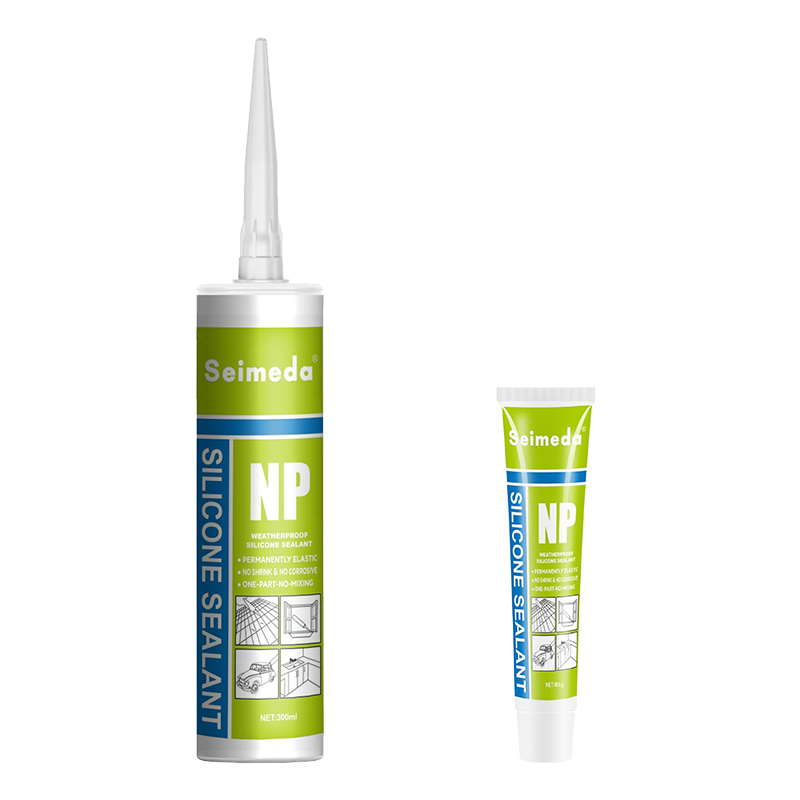
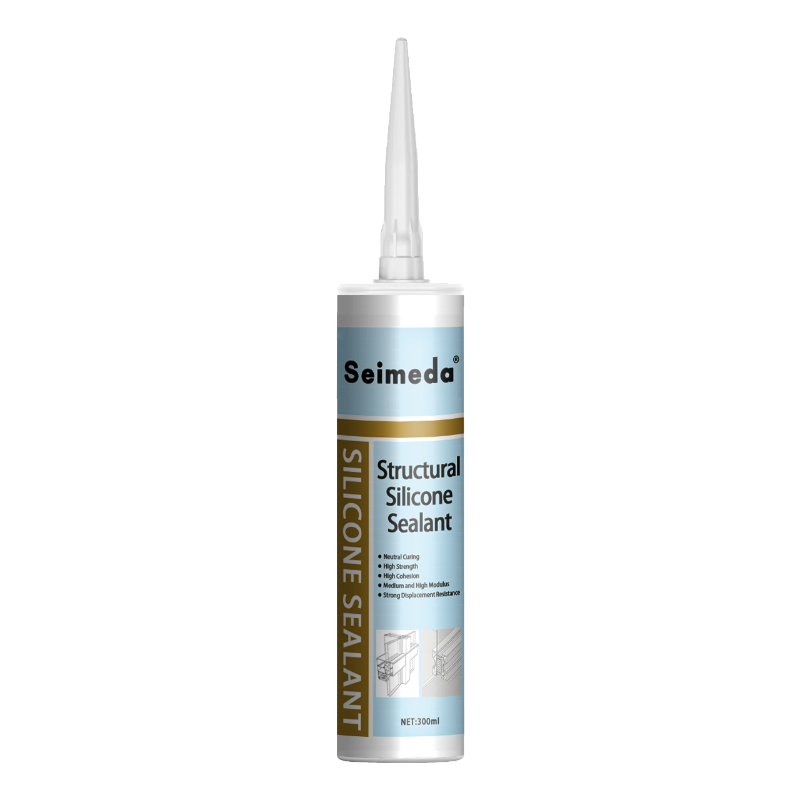
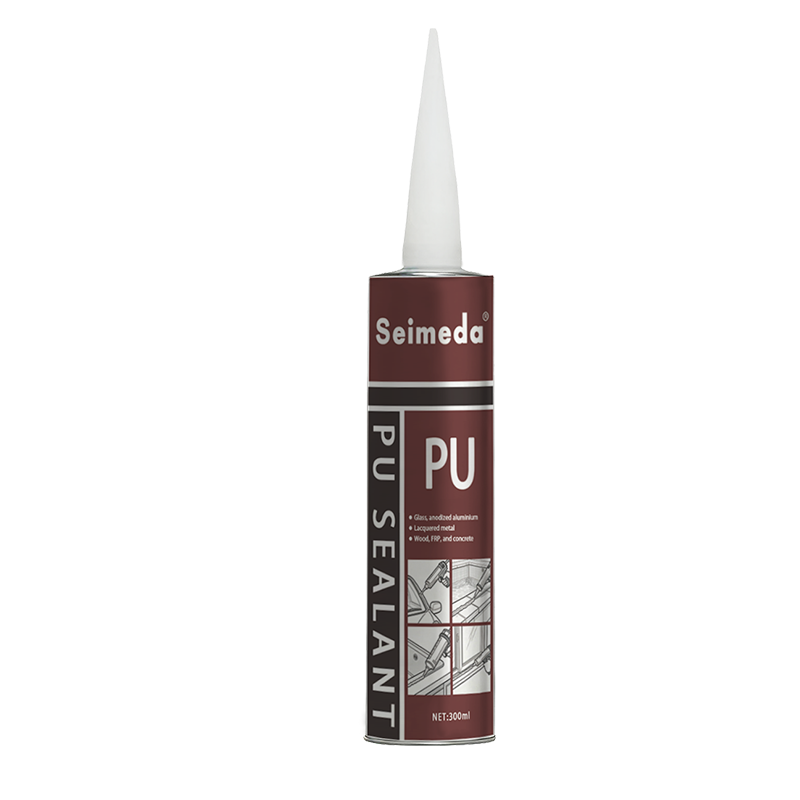
Best suited to: facade perimeter joints, window perimeters, and general weathersealing where the project specification accepts the product. Why consider it: Dow provides substantial technical documentation and global distribution. Watch point: confirm the exact substrate list, movement rating, color availability, and regional warranty terms. Indicative price: approximately US$5–US$12 per 300/310 ml cartridge, depending on country, packaging, color, and distributor. - Seimeda NP Neutral Silicone Sealant
Best suited to: buyers seeking a direct manufacturer quotation for windows, curtain-wall weatherseals, aluminum and glass joints, and general building maintenance. Why consider it: Seimeda can be evaluated through project-specific TDS, sample testing, packaging options, color matching, and private-label or bulk supply discussions. The commercial advantage may be strongest for importers, regional distributors, and contractors purchasing by carton or pallet rather than by individual cartridge. Indicative price: approximately US$2.50–US$8 per 300/310 ml equivalent at wholesale, subject to formula, certification, quantity, freight, and destination duties. Watch point: request movement classification, curing type, VOC information, compatibility data, and an adhesion report before approval. - SikaHyflex® facade or window-sealing grades
Best suited to: professional facade and window projects requiring a documented system approach. Why consider it: Sika’s regional technical support and construction-chemical portfolio can simplify specification coordination. Watch point: product names and formulations differ by market; the local TDS must be used rather than a generic online description. Indicative price: approximately US$6–US$15 per cartridge. - Tremco Spectrem® or comparable neutral-cure architectural sealants
Best suited to: commercial glazing, facade transitions, and contractors who need project submittals and technical support. Why consider it: Tremco publishes detailed construction-sealant information and offers products designed around specific joint conditions. Watch point: confirm whether the chosen grade is a weatherseal, structural glazing sealant, or a specialty product. Indicative price: approximately US$7–US$18 per cartridge. - Wacker, Momentive, or regional private-label neutral silicone systems
Best suited to: manufacturers and distributors with in-house quality control and the ability to approve samples before mass purchase. Why consider them: these supply channels can provide competitive bulk pricing and customized packaging. Watch point: the converter or reseller may not provide the same project support as a full-system facade supplier. Indicative price: approximately US$2–US$10 per cartridge for common construction grades, with higher prices for certified specialty products.
These rankings are a practical shortlist, not a universal performance league table. A sealant that performs well on an aluminum window may be unsuitable for a porous natural-stone facade or structural glazing. Always compare the current TDS, safety data sheet (SDS), third-party test reports, batch information, and project warranty conditions.
Top Building Applications for NP Neutral Silicone Sealant
1. Neutral Cure Silicone Sealant for Curtain Wall Perimeter Joints
Curtain-wall perimeter joints must accommodate differential movement between glass, aluminum framing, concrete slabs, and adjacent cladding. A neutral silicone weatherseal is commonly used at external frame-to-wall interfaces, mullion and transom transitions, pressure-plate covers, and facade panel junctions where the design calls for a flexible, UV-resistant seal.
The installer should verify the designed joint width-to-depth ratio, backer-rod diameter, bond-breaker arrangement, and expected movement. A three-sided bond can restrict elastic movement and encourage cohesive or adhesive failure. The sealant should normally bond only to the two intended joint faces, while a compatible closed-cell backer rod or bond-breaker tape controls depth.
Typical buyer problem: water appears inside after wind-driven rain even though the joint looks filled. The cause may be discontinuous tooling, insufficient sealant depth, poor end treatment, contaminated substrates, or an unsealed transition between horizontal and vertical joints. A smoke test, spray test, or controlled water test can help locate the failure, but the repair must address the joint design rather than simply adding a surface bead.
2. NP Neutral Silicone Sealant for Window and Door Installation
Window and door perimeter sealing is one of the largest applications for neutral silicone. It is used around aluminum, uPVC, steel, timber, glass, masonry, and rendered openings, provided the selected grade is chemically compatible with the frame finish and adjacent materials.
For replacement windows, the installer should remove loose old sealant, dust, oil, release agents, and friable mortar. A solvent wipe may be appropriate for some non-porous materials, but the solvent must be approved for the substrate and allowed to evaporate fully. Porous masonry may require a primer, while powder-coated aluminum may need light abrasion or a specified cleaning process. The first cartridge should be used for a small adhesion test and inspected after the stated cure period.
Neutral silicone is particularly useful where an acidic cure could affect metal or sensitive surfaces. It is not, however, a substitute for correct flashing, sill drainage, weep holes, or mechanical window fixing. Sealant blocks water-management paths when it is applied over drainage openings, so the installation drawing must identify which gaps remain open.
3. Glass-to-Aluminum and Metal Weathersealing
NP sealant is often selected for glazing beads, glass-to-frame interfaces, aluminum panel joints, skylight edges, and metal cladding transitions. The product must be checked for staining, plasticizer migration, coating compatibility, and adhesion to anodized or powder-coated finishes.
Low-modulus and medium-modulus products are not interchangeable. A low-modulus grade can provide greater flexibility in some movement joints, while a higher-modulus product may offer stronger resistance to mechanical deformation. The correct choice depends on joint geometry, movement, sealant thickness, and the manufacturer’s tested application range.
For insulated glass units, laminated glass, coated glass, or structural glazing, compatibility testing is essential. Sealant contact with spacers, edge seals, interlayers, coatings, and setting blocks can cause long-term failure if the materials are not approved as a system.
4. Natural Stone, Ceramic, and Porous Facade Interfaces
Stone and porous ceramic create a specific risk: a sealant can leave an oily halo or dark edge even when adhesion is acceptable. The problem is often related to substrate porosity, sealant formulation, backing materials, or migration of low-molecular-weight components.
Before production work, apply the proposed sealant to an offcut or concealed area of the actual stone. Inspect the surface after the manufacturer’s stated cure time and again after exposure to heat and moisture. If staining occurs, changing only the color will not solve the chemistry problem. A non-staining stone-grade sealant, a primer, a different backer rod, or a defined isolation layer may be required.
5. Roofing, Skylights, and Flashing Transitions
Neutral silicone can seal flashing laps, skylight perimeters, roof penetrations, and metal-to-masonry transitions when the product is approved for the roofing membrane and expected exposure. It should not be used as a universal replacement for mechanical fastening, compatible roofing tapes, or membrane-specific liquid flashing.
Roof substrates can exceed the application temperature stated in the TDS. Applying sealant to a hot, wet, dusty, or frost-covered surface can cause skin formation at the surface while the interface remains poorly bonded. Check the surface temperature, dew point, weather forecast, and cure protection requirements before starting.
6. Interior Wet Areas and Sanitary Joints
Neutral silicone may be used around interior wall panels, washroom fixtures, countertops, partitions, and tile transitions if the product has suitable mildew resistance and is approved for the intended hygiene environment. “Mildew-resistant” does not mean maintenance-free. Soap residue, standing water, and poor ventilation can still support surface growth.
In hospitals, food-processing areas, laboratories, and cleanrooms, select a product with the required chemical-resistance, extractables, fungal-resistance, and indoor-emission documentation. A general construction sealant should not be accepted solely because it is labeled “neutral.”
7. Expansion, Movement, and Control Joints
Building movement joints require a sealant with a declared movement capability that matches the calculated joint movement. For example, a 12 mm joint that may move by 3 mm experiences 25% movement relative to its nominal width. The sealant’s rated movement class must be higher than the design demand, with allowance for installation tolerances and temperature effects.
Joint width, sealant depth, backer-rod compression, substrate movement, and installation temperature all affect performance. If the joint is too narrow, the sealant may be overstressed. If it is too deep, material cost increases and curing may take longer without improving performance.
Detailed Comparison: How Seimeda and Other Neutral Cure Silicone Sealant Manufacturers Should Be Evaluated
| Evaluation factor | What to request | Why it matters |
|---|---|---|
| Cure chemistry | Neutral cure type, skin time, tack-free time, full-cure guidance | Cure by-products affect odor, substrate compatibility, and installation scheduling. |
| Movement capability | ASTM C920 classification, ISO 11600 classification, or equivalent test data | The joint must tolerate calculated expansion, contraction, and building movement. |
| Mechanical properties | Tensile strength, elongation, tensile modulus, and adhesion-in-peel data | These values help engineers compare flexibility and load response instead of relying on “strong” or “flexible.” |
| Substrate compatibility | Test results for glass, aluminum, coated metal, concrete, stone, ceramic, uPVC, and wood | Adhesion and staining behavior can vary substantially between surfaces. |
| Durability | UV, weathering, water-immersion, temperature-cycle, and accelerated-aging information | Exterior joints experience repeated thermal and moisture stress. |
| Quality control | Batch number, production date, shelf life, packaging integrity, and traceability | Expired or poorly stored cartridges can skin over, cure slowly, or lose adhesion. |
| Project support | Method statement, primer guide, compatibility testing, color samples, and warranty terms | Technical support reduces installation variation and improves accountability. |
Seimeda should be compared with international suppliers using the same evidence package. A manufacturer with a lower quoted price can be the better choice when it provides consistent batches, faster technical responses, export-compliant packaging, and project-specific adhesion testing. Conversely, a low price without verifiable test data increases approval and warranty risk.
Published Technical References and Industry Standards
- ASTM International, ASTM C920/C920M — specification framework for elastomeric joint sealants.
- ISO 11600 — building construction sealants classification and requirements.
- Dow Building and Construction — facade, glazing, and sealant technical resources.
- Sika Joint Sealing — construction joint-sealing systems and application guidance.
- Tremco Construction Products — architectural sealant and facade-system information.
- WACKER Construction Solutions — silicone and polymer technologies for construction.
These references help establish terminology and testing expectations, but they do not approve a specific product for a specific project. Approval still depends on the current product documents, local building requirements, facade-system design, and site testing.
Real-World Customer Case Evidence: What Can Be Verified
Published manufacturer case studies commonly describe facade, glazing, window, and infrastructure projects, but marketing case studies should not be treated as independent laboratory certification. Before using a case as evidence, check whether the report identifies the project location, substrate, joint size, product batch or grade, installation date, exposure conditions, inspection method, and service period.
For a Seimeda quotation, a commercial buyer should request references from projects with comparable conditions: the same climate zone, facade material, joint width, exposure level, and installation method. Ask for anonymized purchase records, inspection photographs, adhesion-test results, or a customer contact where disclosure is permitted. If this information is unavailable, treat Seimeda as a sample-approval candidate rather than assuming performance from the brand name alone.
A useful acceptance trial is a small mock-up containing every relevant material: frame coating, glass, stone, concrete, backer rod, primer, and adjacent membrane. After the specified cure period, perform a field adhesion test and inspect for cohesive failure, adhesive failure, edge staining, bubbles, uncured material, and substrate damage. Record the date, temperature, humidity, product batch, installer, and test result.
How to Choose the Right NP Neutral Silicone Sealant
Step 1: Define the joint function
Decide whether the sealant is for weatherproofing, glazing, structural bonding, sanitary finishing, fire-rated construction, acoustic control, or a movement joint. A weatherseal is not automatically a structural glazing adhesive, and a sanitary sealant is not necessarily suitable for a curtain wall.
Step 2: Calculate the movement demand
Measure the nominal joint width and estimate movement from thermal expansion, shrinkage, building drift, slab deflection, and construction tolerances. Use the sealant manufacturer’s declared movement rating with an appropriate engineering margin. Do not select a product solely by elongation percentage; tensile modulus, adhesion, geometry, and cycling behavior also matter.
Step 3: Identify every contacting material
List the exact glass coating, aluminum finish, stone type, concrete condition, paint, membrane, gasket, backer rod, setting block, and cleaning agent. Ask the manufacturer to confirm compatibility in writing. When materials are proprietary or newly developed, require a laboratory compatibility test or an approved system detail.
Step 4: Check climate and installation conditions
Review expected ultraviolet exposure, rainfall, freeze-thaw cycles, coastal salt, industrial pollutants, indoor humidity, and temperature extremes. During installation, confirm that surfaces are clean and dry and that the ambient and substrate temperatures fall within the TDS limits. Protect uncured sealant from rain, dust, vibration, and premature contact.
Step 5: Select color and appearance carefully
Color affects appearance but does not correct a compatibility problem. For natural stone and light-colored cladding, request a non-staining test. Check whether the manufacturer can provide consistent color across batches and whether the sealant surface will attract dust or show tooling marks.
Step 6: Compare total installed cost
Calculate material consumption from joint dimensions, cartridge yield, waste, primer, masking tape, labor, access equipment, testing, and potential rework. For example, a 300 ml cartridge theoretically fills 30 meters of a 10 mm × 10 mm joint, before waste and tooling losses. Real yield is lower when joints are irregular or cartridges are changed frequently.
Step 7: Approve a sample and method statement
Before full production, approve a mock-up and written method statement covering surface preparation, primer use, backer-rod installation, nozzle cutting, tooling time, cleaning, cure protection, inspection, and repair procedures. Keep the approved cartridge batch and sample record for future quality checks.
Common Installation Problems and Practical Solutions
- Poor adhesion or peeling edges
- Check for dust, oil, moisture, uncured coating, incompatible primer, insufficient cleaning, or movement beyond the product rating. Repeat the test on the actual substrate and follow the manufacturer’s preparation method.
- Bubbles or pinholes
- Possible causes include trapped air during deep application, wet substrates, outgassing from porous concrete, or excessive tooling. Use the correct backer rod, apply smoothly, and avoid sealing a hot porous substrate when rising air can form bubbles.
- Slow curing
- Neutral silicone cures through atmospheric moisture. Low humidity, cold conditions, deep joints, expired material, or restricted ventilation can extend cure time. Do not expose the joint to service loads before the TDS curing guidance is met.
- Stone staining
- Perform a stain test before production. Use a compatible non-staining grade and confirm the backer rod and primer are also suitable.
- Water leakage despite a continuous bead
- Inspect joint intersections, corners, end laps, drainage paths, concealed gaps, and adjacent membranes. A visible bead may be continuous while the system behind it remains discontinuous.
Frequently Asked Questions About NP Neutral Silicone Sealant
What does NP mean in silicone sealant?
In many construction markets, NP refers to a neutral, non-acidic cure system. The abbreviation is not a universal international classification, so buyers should confirm the curing chemistry and test data in the manufacturer’s TDS.
Is neutral silicone better than acetoxy silicone?
Neutral silicone is often preferable for metals, concrete, coated surfaces, stone, and sensitive substrates because it does not use an acidic acetoxy cure. Acetoxy silicone can still be appropriate for certain glass and ceramic applications. The correct choice depends on substrate compatibility, movement, exposure, and required certification.
Can NP neutral silicone be used for structural glazing?
Only if the specific product is designed, tested, and approved for structural glazing. A general-purpose neutral weatherseal must not be substituted for a structural silicone adhesive. Structural glazing also requires engineering review, bite calculations, compatibility testing, adhesion testing, and system approval.
Does neutral silicone need primer?
Some substrates bond without primer, while porous, coated, painted, or difficult surfaces may require one. Primer selection is substrate-specific. Use only the primer named or approved by the sealant manufacturer and allow the stated flash-off time.
How long does neutral silicone last outdoors?
Service life varies with formulation, joint design, substrate preparation, climate, movement, and maintenance. Do not promise a fixed number of years without a product-specific warranty or durability report. Correct joint geometry and verified adhesion often have as much influence as the sealant chemistry.
How should I compare Seimeda with Dow, Sika, or Tremco?
Request the same evidence from each supplier: movement classification, tensile and adhesion data, cure profile, substrate compatibility, weathering information, VOC or emissions documents where relevant, shelf life, batch traceability, warranty, and technical support. Compare delivered cost and project risk rather than cartridge price alone.
Where can I buy Seimeda NP neutral silicone sealant?
Contact Seimeda through its official company channels or the manufacturer’s website to request the current TDS, SDS, product samples, quotation, minimum order quantity, packaging options, and export documentation. For large building projects, include the project location, substrate list, joint dimensions, color, expected movement, climate, and required standards in the inquiry.
Conclusion: Select by Evidence, Then Confirm Through a Mock-Up
NP neutral silicone sealant can solve recurring building problems in curtain walls, windows, metal cladding, glazing, stone interfaces, skylights, wet rooms, and movement joints, but only when the sealant is matched to the joint design and materials. The best neutral cure silicone sealant for curtain wall joints is the one with verified weatherproofing, suitable movement capability, dependable substrate adhesion, and documented oxime cure, modulus, and adhesion promoter requirements. For an NP neutral silicone sealant for window installation or a neutral cure silicone sealant manufacturer for building construction, request a sample, perform a site-specific adhesion and stain test, and approve a written method statement before volume installation. Seimeda is a practical channel to contact for manufacturer quotations, project samples, technical documents, and bulk supply evaluation.

