



WhatsApp: +86 178 6574 8088

E-mail: jackyalum@163.com
English


WhatsApp: +86 178 6574 8088
E-mail: jackyalum@163.com
Related Products
Date: 11 May, 2026
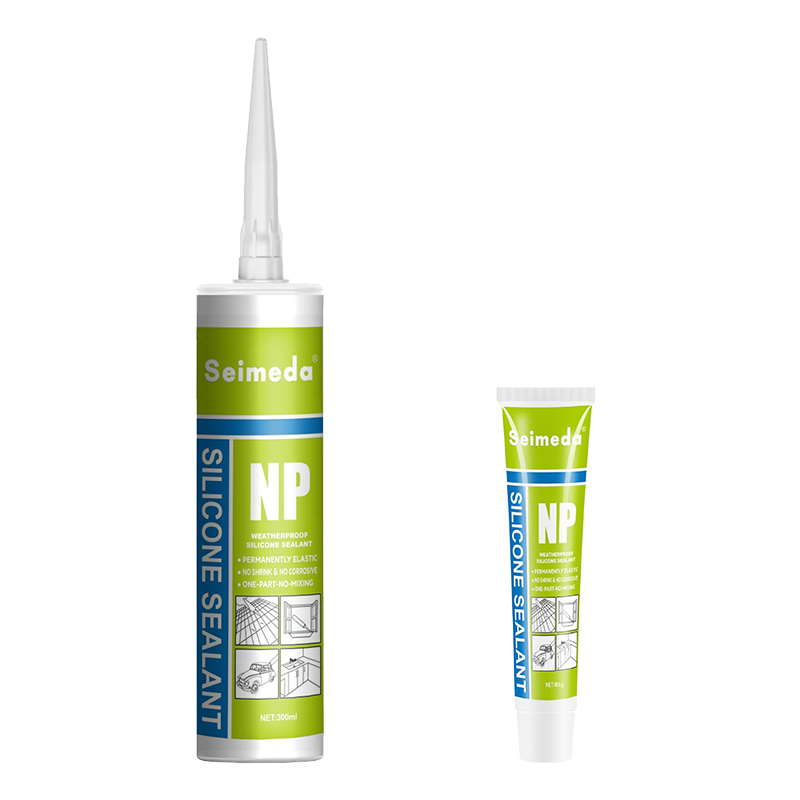
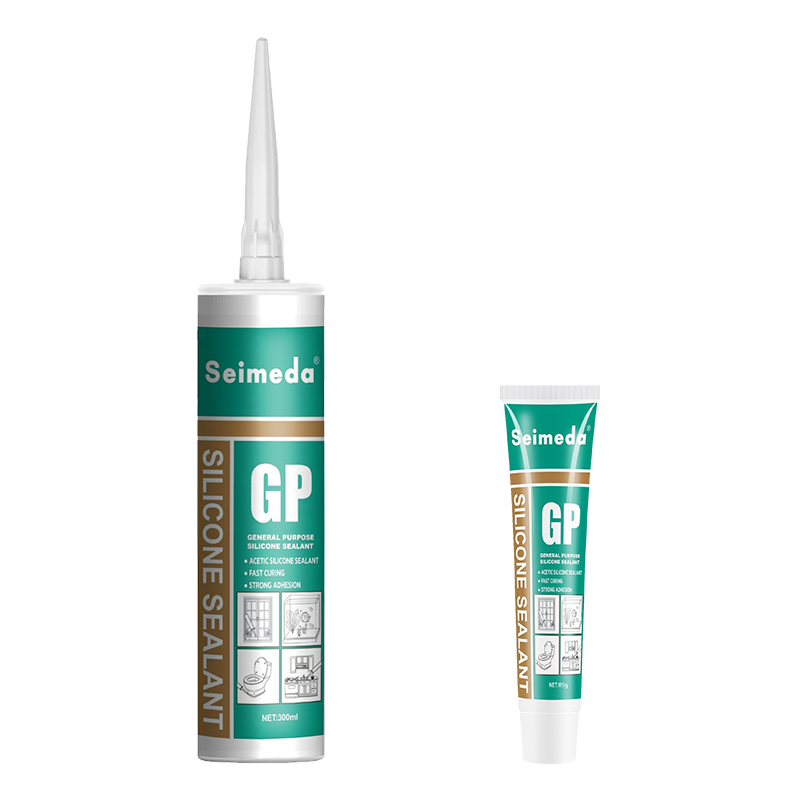
In construction, home decoration, door and window engineering and industrial sealing projects, silicone sealant and polyurethane sealant are the two most widely used types. Many buyers and construction workers often cannot tell their differences. Wrong selection will lead to cracking, falling off and poor aging resistance. Today we clarify their core differences, application scenarios and selection tips in simple terms.
1. Weather Resistance & Aging Performance
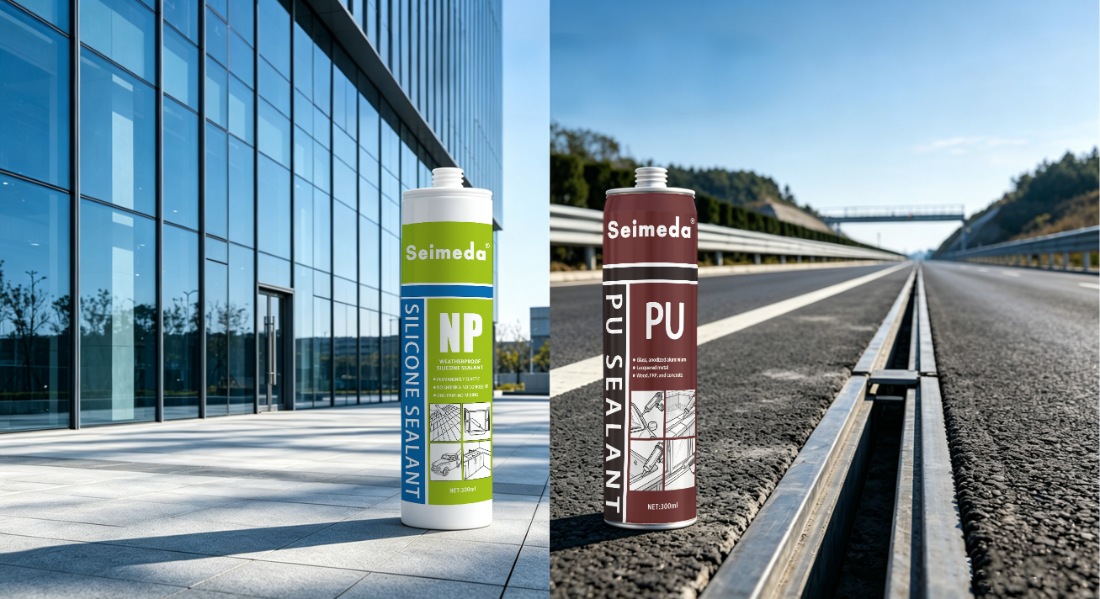
Silicone Sealant
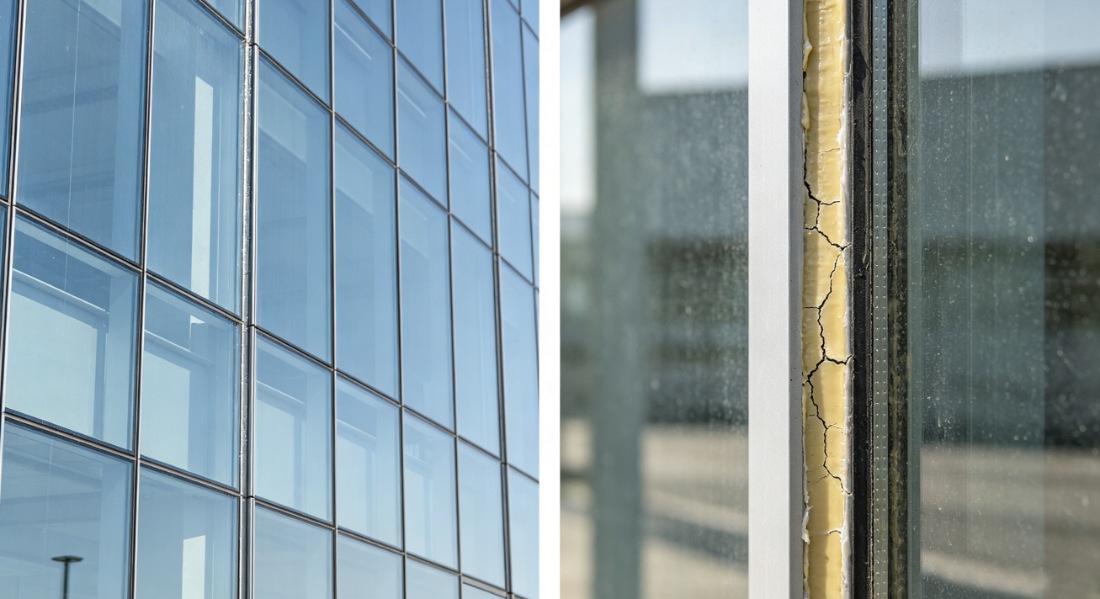
It features excellent high and low temperature resistance, UV resistance and weather aging resistance. It will not crack or pulverize under long-term outdoor sun exposure and rain, making it the first choice for long-term outdoor sealing.
Polyurethane Sealant
It has moderate weather resistance, easy to turn yellow and aging under long-term outdoor exposure. It is more suitable for indoor and shaded areas, not recommended for long-term outdoor use.
2. Bonding Compatibility
Silicone Sealant
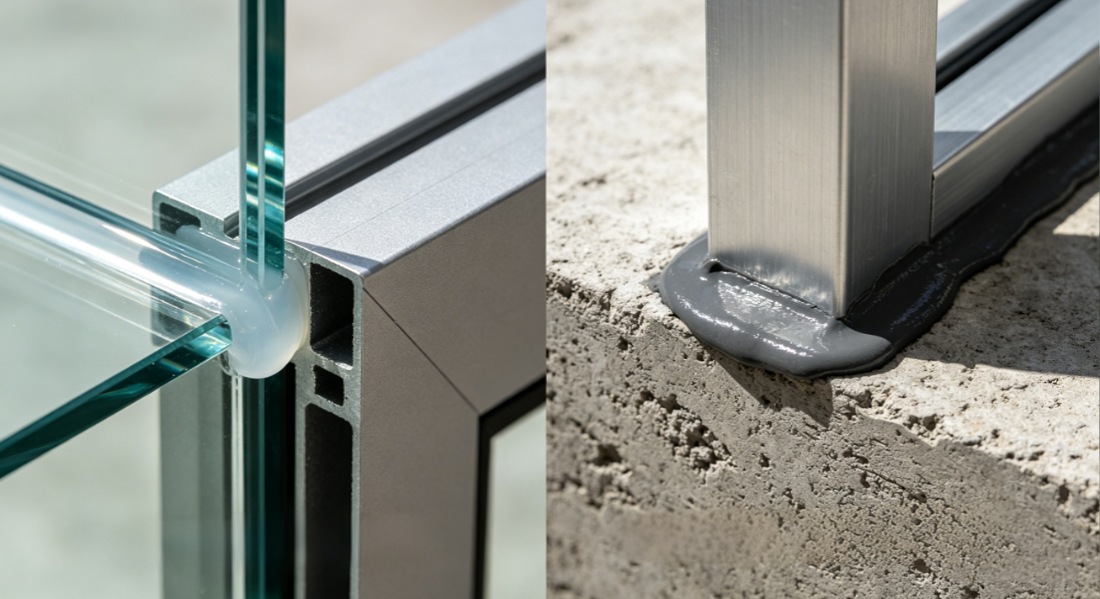
Perfect bonding for glass, aluminum profile, plastic steel and ceramic tile; average adhesion to painted surfaces, concrete and painted metal.
Polyurethane Sealant
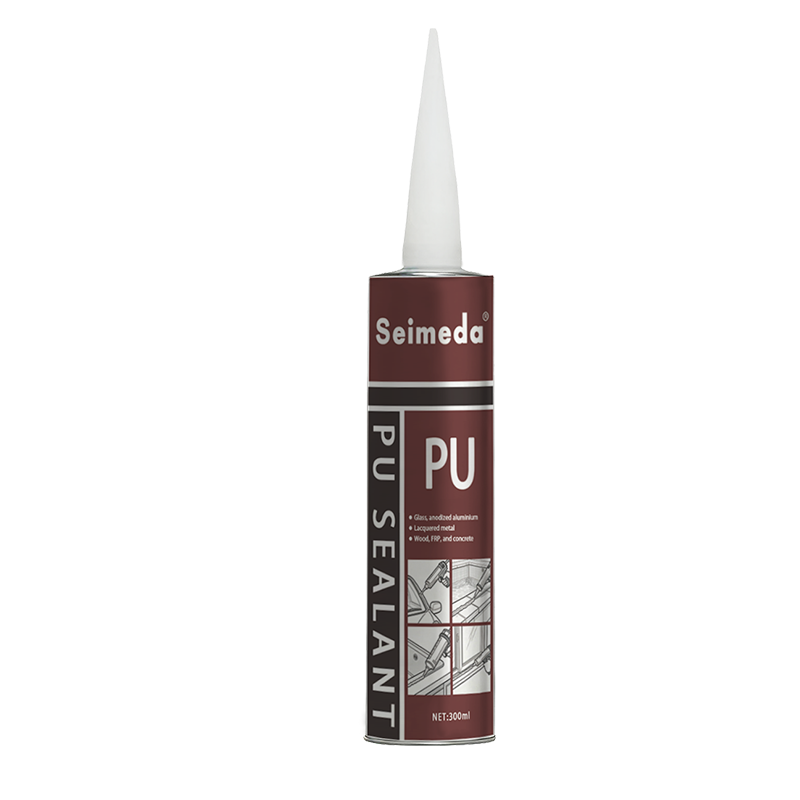
Great adhesion to concrete, steel structure, car paint, stone and cement base, ideal for civil engineering, automobile and road joint sealing.
3. Flexibility & Tensile Property
4. Main Application Scenarios
Silicone Sealant
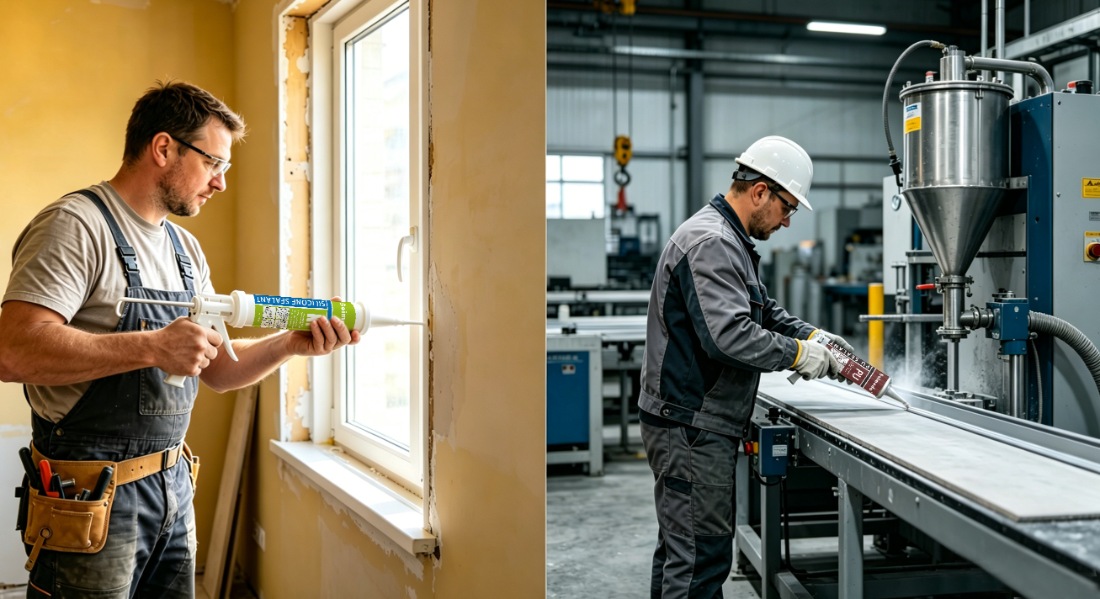
Door & window glass sealing, curtain wall engineering, kitchen & bathroom mildew proofing, sunroom, aluminum profile assembly, glass splicing.
Polyurethane Sealant
Road expansion joints, steel structure sealing, automobile sheet metal, container, wall joints, floor sealing.
5. Construction & Environmental Performance
Silicone sealant cures fast and easy to apply. Neutral type has low odor and low VOC, friendly for home decoration.Polyurethane sealant cures slower with relatively strong odor, mostly used for industrial and engineering projects.
Final Suggestion
·For outdoor glass, doors & windows, curtain walls, home kitchen and bathroom: Choose Silicone Sealant
·For civil engineering, road, steel structure, automobile and cement joints: Choose Polyurethane Sealant
The right sealant ensures perfect waterproof sealing and long service life, avoiding rework and maintenance in the later stage.