








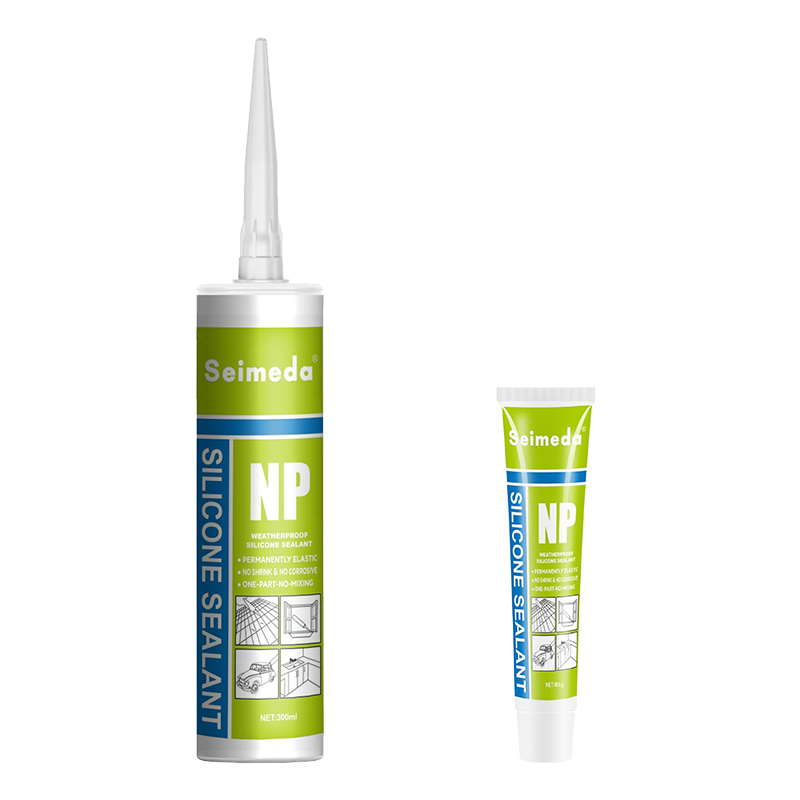
Choosing an NP neutral silicone sealant for exterior building joints is not simply a matter of selecting the tube with the highest movement rating. A facade joint must accommodate thermal movement, resist rain and ultraviolet exposure, and remain bonded to materials that may expand at different rates. This guide explains the practical advantages and limits of a weatherproof joint sealant, the role of a low-modulus silicone sealant, and the importance of the ASTM C920 classification. It also covers the long-tail questions “how to choose a Neutral Cure Silicone Sealant manufacturer,” “neutral cure silicone sealant for curtain wall expansion joints,” and “NP neutral silicone sealant for exterior building joints,” so buyers can connect product data with real installation conditions.

Why a Neutral Cure Silicone Sealant Manufacturer Matters in Exterior Joint Selection
Exterior sealant failure is often blamed on the chemistry when the actual cause is poor joint design, contamination, incorrect primer use, or movement beyond the product’s tested capability. The sealant is only one part of a joint system that also includes the substrate, backer material, bond-breaker arrangement, drainage detail, and installation climate.
“NP” generally refers to a neutral-cure silicone formulation in construction-sealant product naming. Neutral-cure systems release relatively mild by-products during curing compared with acetoxy silicones. Depending on the formulation, the curing by-product may be an alcohol or an oxime. The exact chemistry should be confirmed in the manufacturer’s safety data sheet (SDS) and technical data sheet (TDS), because “neutral” does not describe one single chemical formula.
For a purchasing team, the manufacturer should provide more than a marketing brochure. Request the following information before approving a product:
- Movement capability and the test standard used, commonly ASTM C920 in North America or an applicable EN standard in Europe.
- Recommended substrates, including concrete, anodized aluminum, glass, coated metal, stone, masonry, and plastics.
- Primer requirements and substrate-specific adhesion results.
- Skin-formation time, cure rate, application-temperature range, and storage life.
- Hardness, tensile strength, elongation, modulus, weathering resistance, and compatibility limitations.
- Instructions for joint dimensions, backer rods, masking, tooling, and cleaning.
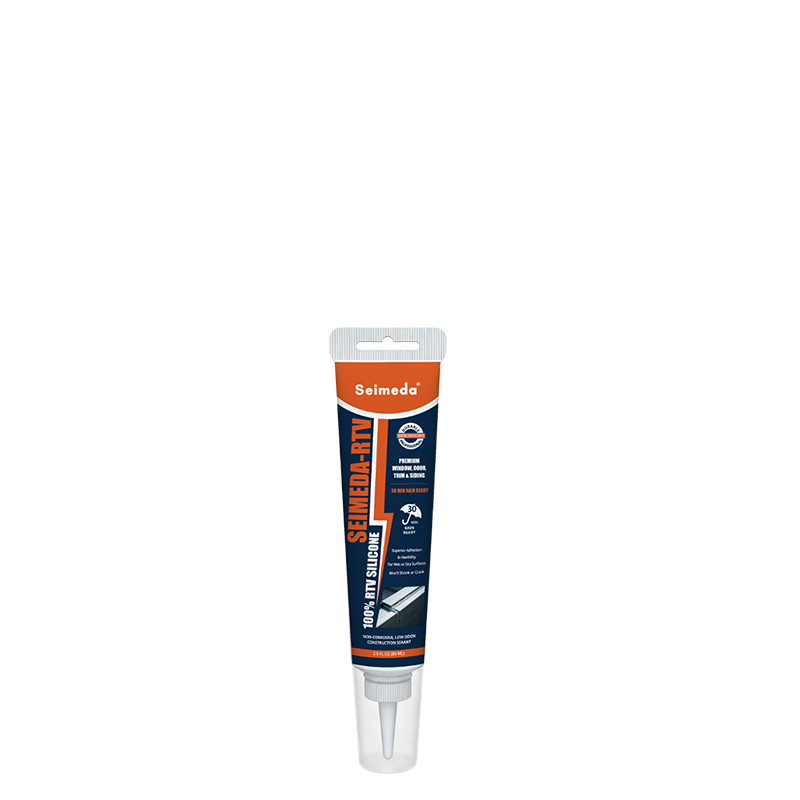
Seimeda, like any responsible sealant supplier, should be evaluated through its current TDS, SDS, batch information, test reports, and project-specific adhesion testing rather than by brand name alone. A manufacturer’s test result is useful only when the tested formulation, substrate, joint geometry, and exposure conditions resemble the proposed project.
Advantages of NP Neutral Silicone Sealant for Exterior Building Joints
1. Neutral Cure Silicone Sealant Manufacturer Formulations Reduce Acid-Related Compatibility Concerns
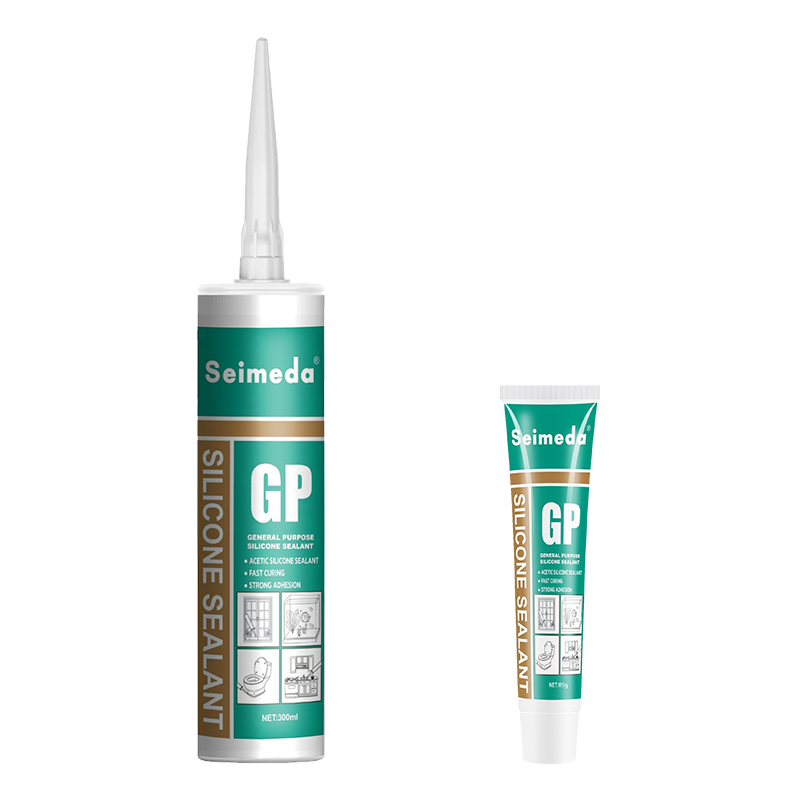
Acetoxy silicone releases acetic acid during cure, which creates the familiar vinegar odor and can be unsuitable for some metals, alkaline surfaces, or sensitive substrates. Neutral-cure silicone avoids that acetoxy cure mechanism. This can reduce corrosion or surface-reaction concerns, especially around aluminum, coated metals, concrete, masonry, and sensitive building components.
However, “neutral cure” does not mean “compatible with every material.” Some neutral products contain adhesion promoters, plasticizers, or other additives that can stain porous stone, soften certain plastics, or interfere with coatings. A small-area compatibility test remains necessary.
2. Neutral Cure Silicone Sealant for Curtain Wall Expansion Joints Can Accommodate Repeated Movement
Silicone is elastic rather than rigid. Many architectural silicone sealants are offered with movement classifications such as ±25%, while some products are rated for ±50% or more. These figures are product-specific and should not be treated as a guarantee for every installation. A sealant rated at ±25% is not intended to bridge a joint that changes from 10 mm to 16 mm, because that represents a 60% increase in width.
Movement capability depends on the joint width, sealant depth, adhesion, temperature range, installation position, and the direction of movement. A correctly installed sealant joint normally adheres to two opposing sides only. A cylindrical or closed-cell backer rod helps prevent three-sided adhesion and controls the sealant depth.
For many building joints, designers begin with a width-to-depth ratio near 2:1, subject to the sealant manufacturer’s instructions and project standards. For example, a 20 mm-wide joint might use approximately 10 mm of sealant depth, but minimum and maximum depth limits must be checked in the product TDS. The sealant must not be used to compensate for an incorrectly sized joint.
3. UV and Weather Resistance of an NP Neutral Silicone Sealant for Exterior Building Joints
Cured silicone generally has strong resistance to ultraviolet radiation, ozone, rain, and temperature cycling. This is one reason silicone is widely specified for exposed facade joints, glazing perimeters, metal panels, and selected masonry applications. Unlike many organic sealants, silicone does not rely on a paint film to provide its primary weathering resistance.
Weather resistance is still a performance claim that requires evidence. Look for accelerated-weathering data, project references, and a stated service-temperature range. A laboratory exposure test cannot reproduce every combination of coastal salt, industrial pollution, freeze-thaw cycling, ponding water, and building movement. A product may weather well while still failing because water entered behind the bond line.
4. Low-Modulus Silicone Sealant Places Less Stress on Moving Substrates
Low-modulus silicone is designed to exert comparatively low stress as the joint opens and closes. This can be beneficial for perimeter joints around glass, metal panels, precast concrete, and other components that move with temperature or structural deflection.
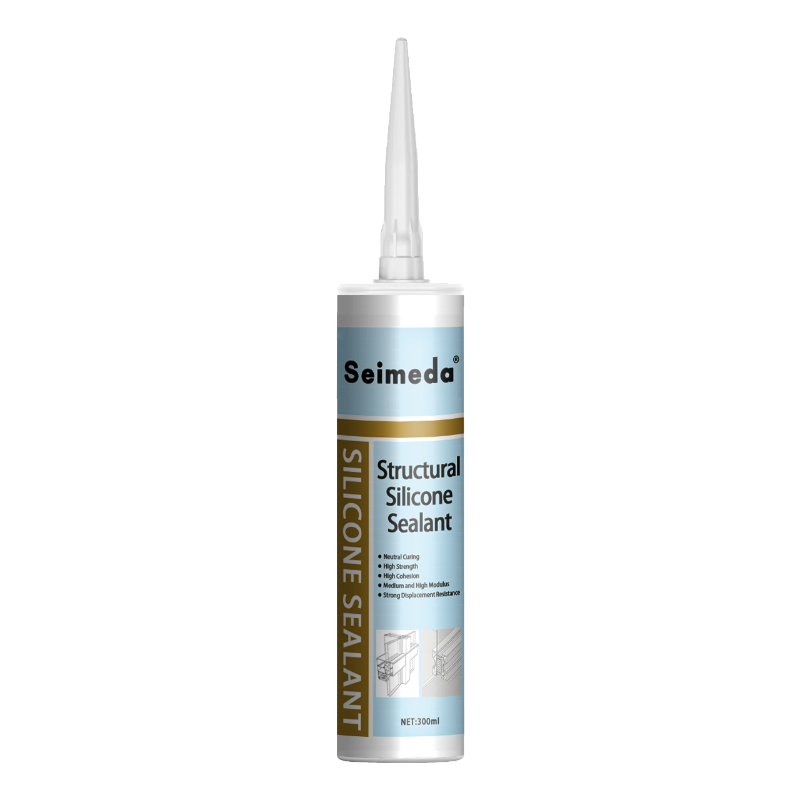
Modulus is not the same as strength. A higher tensile strength does not automatically make a sealant better for a moving joint, and a low-modulus product is not automatically suitable for structural glazing. Structural applications require a specifically tested and approved system, including the correct bite, glass type, spacer, coating, primer, and design calculation.
5. Practical Application Benefits
Most one-component neutral silicones are supplied ready to extrude from standard cartridges or sausages. Under typical conditions of approximately 23°C and 50% relative humidity, many products form a surface skin in roughly 10 to 30 minutes and cure at about 2 to 3 mm per 24 hours. These are indicative ranges, not a promise for every NP product. Cold, dry conditions can slow curing, while heat and humidity can change skin time and tooling behavior.
A sealant that skins in 15 minutes may still be uncured below the surface. The joint should be protected from rain, dust, vibration, and contact until the manufacturer’s stated cure period has elapsed. Deep joints may require several days before full cure, particularly in low-humidity weather or where air access is restricted.
Disadvantages and Risks of NP Neutral Silicone Sealant for Exterior Building Joints
1. A Neutral Cure Silicone Sealant Manufacturer Cannot Eliminate Poor Adhesion
Silicone adhesion varies substantially between substrates. Glass and anodized aluminum may bond well with one product, while powder-coated aluminum, fluoropolymer coatings, concrete, natural stone, PVC, and composite panels may require a primer or a different sealant.
Concrete and masonry are porous and can contain dust, laitance, moisture, curing compounds, or alkaline residues. These contaminants can prevent durable adhesion even when the cured bead appears intact during the first few days. A field adhesion test should be performed on representative materials after the proposed cleaning and priming process.
A practical test is a peel-and-pull adhesion check performed after adequate cure. The sealant should normally fail cohesively within the bead before cleanly releasing from the substrate, but the acceptance method should follow the manufacturer’s instructions and project specification. Do not use an informal pull test as a substitute for a required laboratory or project qualification.
2. Neutral Cure Silicone Sealant for Curtain Wall Expansion Joints Is Usually Difficult to Paint
Cured silicone has low surface energy, so many architectural paints do not adhere reliably to it. Painting over silicone can result in fisheyes, peeling, cracking, or visible color differences. If the facade must be painted, specify a paintable hybrid, polyurethane, or acrylic sealant only when its movement and weathering data meet the project needs.
Do not assume that a “paintable” label means every coating will work. Confirm compatibility with the exact paint system, perform a trial panel, and allow the sealant to cure before coating. In many exposed joints, selecting a factory-matched silicone color is more dependable than painting the cured sealant.
3. Staining and Chemical Compatibility Can Be Serious Problems
Some sealants can cause staining or oily migration into porous stone, especially when used with certain backer materials, primers, cleaners, or adjacent membranes. Dark granite, limestone, marble, sandstone, and unsealed concrete should be tested before full application.
Potential incompatibilities also include bituminous products, natural rubber, EPDM, flexible PVC, insulation materials, laminated glass interlayers, and certain powder coatings. The risk depends on the specific formulation and contact time. A supplier’s compatibility statement should identify tested materials; a general statement such as “suitable for construction” is not enough for a complex facade.
4. Higher Material Cost Than Some Organic Sealants
Neutral silicone may cost more per cartridge than a basic acrylic or economy polyurethane sealant. The relevant comparison is installed cost and expected maintenance interval, not cartridge price alone. A lower-priced product can become more expensive if it requires frequent replacement, primer labor, repainting, or facade access equipment.
Silicone also has limitations that make a cheaper product more appropriate in some locations. Interior dry joints, low-movement gaps, concealed joints, or areas that must be painted may not justify an exterior-grade silicone.
5. Silicone Is Not a Substitute for Waterproofing or Structural Design
A sealant bead should not be used to repair a failed flashing, blocked drainage path, cracked substrate, or incorrectly designed pressure-equalized curtain wall. Water can travel behind a sealant line, and a surface bead may conceal rather than solve the source of leakage.
Silicone should also not be used below grade, in continuously immersed conditions, on traffic-bearing surfaces, or in structural applications unless the specific product is explicitly qualified for that service. Follow the product TDS and the project engineer’s design.
How to Install an NP Neutral Silicone Sealant for Exterior Building Joints
Step 1: Inspect and Measure the Joint
Record the joint width at several points and consider the expected minimum and maximum widths. Remove failed sealant, loose concrete, laitance, dust, oil, and temporary construction debris. Check whether the substrate is sound and whether water is entering from a different location.
Step 2: Select the Backer Rod and Bond-Breaker System
Use a compatible backer rod to establish the designed sealant depth and prevent three-sided adhesion. The backer rod should be installed without puncturing it or compressing it beyond the manufacturer’s recommendation. A bond-breaker tape may be used where a backer rod cannot provide the required separation.
Step 3: Clean and Prime Only as Specified
Use the cleaning solvent and method stated by the sealant manufacturer. Solvent selection matters: an aggressive cleaner can damage a coating, while an unsuitable solvent can spread contamination. Allow the surface to dry. Apply primer only when the TDS or adhesion test requires it, and observe the specified flash-off time.
Step 4: Apply and Tool the Sealant
Extrude the bead continuously, filling the joint without trapping air. Tool the surface before skin formation, using a compatible tooling method. Avoid adding water, detergent, or unapproved chemicals to the joint. Remove masking tape while the sealant is still workable and prevent smearing onto adjacent finishes.
Step 5: Protect the Joint During Cure
Keep the joint free from rain, dust, movement, and physical contact during the stated cure period. At approximately 23°C and 50% relative humidity, many one-component products cure through the exposed surface inward at approximately 2 to 3 mm per day. A deeper profile or low-humidity environment can extend this period.
NP Neutral Silicone Sealant for Exterior Building Joints: Buying Checklist
| Question | What to verify |
|---|---|
| What movement rating is required? | Compare the expected joint movement with the product’s tested movement class, such as ±25%, and include a design margin. |
| Will the joint be exposed to sunlight and rain? | Request exterior weathering information, service-temperature limits, and relevant project references. |
| What materials touch the sealant? | Confirm adhesion and compatibility for each substrate, coating, membrane, spacer, and backer material. |
| Must the joint be painted? | Do not select silicone without confirming coating compatibility; many cured silicones are not reliably paintable. |
| How quickly must the area return to service? | Check skin time, cure rate, minimum application temperature, rain resistance, and required protection period. |
| Is the application structural? | Use only a product and system specifically qualified for structural glazing or other structural service. |
| Can the supplier support the project? | Ask for current TDS and SDS documents, batch traceability, technical assistance, and field adhesion-test guidance. |
Is NP Neutral Silicone Sealant Worth Buying?
NP neutral silicone is usually worth considering for exposed, non-traffic-bearing exterior joints where long-term UV resistance, elastic movement accommodation, and compatibility with glass or metal are important. It is less attractive where the joint must be painted, where the substrate is highly stain-sensitive and untested, or where the real problem is defective drainage or structural movement.
Before purchase, calculate the installed cost. A simple estimate is:
Sealant volume in milliliters per meter = joint width in millimeters × sealant depth in millimeters.
For a 20 mm × 10 mm joint, the theoretical volume is 200 mL per meter. Add waste and packaging limitations when converting this figure into cartridges. A 300 mL cartridge would theoretically cover 1.5 meters before waste, but actual coverage will be lower if the bead is overfilled, the joint varies in size, or material remains in the nozzle and cartridge.
This calculation helps compare products realistically. A cartridge that costs less but covers fewer meters may not reduce the project budget. Labor, access equipment, substrate preparation, primer, removal of failed sealant, and inspection can exceed the sealant material cost.
FAQ About Neutral Cure Silicone Sealant Manufacturer Products
Is NP silicone the same as neutral-cure silicone?
In many construction product names, NP indicates a neutral-cure silicone category. However, naming conventions vary by manufacturer and market. Confirm the cure chemistry, intended use, and performance classification in the product’s TDS and SDS.
How long does NP neutral silicone take to cure?
Many one-component neutral silicones skin in approximately 10 to 30 minutes and cure at roughly 2 to 3 mm per 24 hours at about 23°C and 50% relative humidity. Actual performance changes with temperature, humidity, joint depth, ventilation, and formulation. A skinned surface does not mean the full bead has cured.
Can neutral silicone be used on concrete?
Some products bond to concrete, but concrete must be sound, clean, dry enough for the product, and free from laitance and curing compounds. Primer may be required. Perform a project-specific adhesion test because concrete porosity and surface treatment vary.
Can NP silicone be used around windows?
It can be suitable for exterior perimeter joints around windows when the product is approved for the window frame, glass, masonry, coating, and adjacent membranes. The joint must also be designed to drain correctly and accommodate frame movement.
Is neutral silicone waterproof?
Cured silicone can form a water-resistant seal, but the result depends on continuous adhesion, correct joint geometry, substrate preparation, and drainage design. It does not replace flashing, a waterproofing membrane, or a properly designed facade cavity.
Does neutral silicone need primer?
Some substrates require primer and others do not. Primer selection is product- and substrate-specific. Using the wrong primer can reduce adhesion or stain adjacent materials, so follow the manufacturer’s written procedure and verify it with an adhesion test.
How can a buyer compare Seimeda with another neutral cure silicone sealant manufacturer?
Compare current TDS values, movement classification, modulus, tensile and elongation data, adhesion test results, weathering evidence, compatible substrates, color availability, cure conditions, packaging, shelf life, and technical support. The lowest price is not a reliable indicator of the lowest installed cost.
Final Recommendation: Who Should Use NP Neutral Silicone Sealant?
Choose NP neutral silicone for exposed facade joints, glazing perimeters, metal-panel interfaces, and selected masonry joints when the product has documented adhesion, movement, and weathering performance for the actual materials. Avoid it for paint-required joints, continuously immersed areas, traffic surfaces, unqualified structural work, or substrates that have not passed compatibility testing. Whether comparing a weatherproof joint sealant, a low-modulus silicone sealant, or a neutral cure silicone sealant for curtain wall expansion joints, the safest decision comes from matching the ASTM C920 or applicable regional classification, completing an adhesion test, using the correct backer rod, and verifying the supplier’s data. That process is the practical answer to how to choose a neutral cure silicone sealant manufacturer and whether an NP neutral silicone sealant for exterior building joints is suitable for the project.

