
Jacky Qiu

Jacky Qiu

Home > News > Company Blog > NP Neutral Silicone Sealant vs Acetoxy Silicone Sealant: Key Differences

Related Products

Our Recommendation

NP Neutral Silicone Sealant vs Acetoxy Silicone Sealant: Key Differences

Date: 11 Sep, 2026

Choosing between NP neutral silicone sealant and acetoxy silicone sealant affects adhesion, material safety, curing speed, odor, durability, and total project cost. This guide from a Neutral Cure Silicone Sealant manufacturer explains the practical differences so buyers can select the correct product for glass, metal, concrete, plastic, sanitary areas, facades, windows, and general construction.

Seimeda provides silicone sealant solutions for professional contractors, distributors, manufacturers, and project owners. Product information and company resources are available at www.seimedagroup.com.

NP Neutral Silicone Sealant vs Acetoxy Silicone Sealant: Key Differences

NP neutral silicone sealant and acetoxy silicone sealant cure in different ways

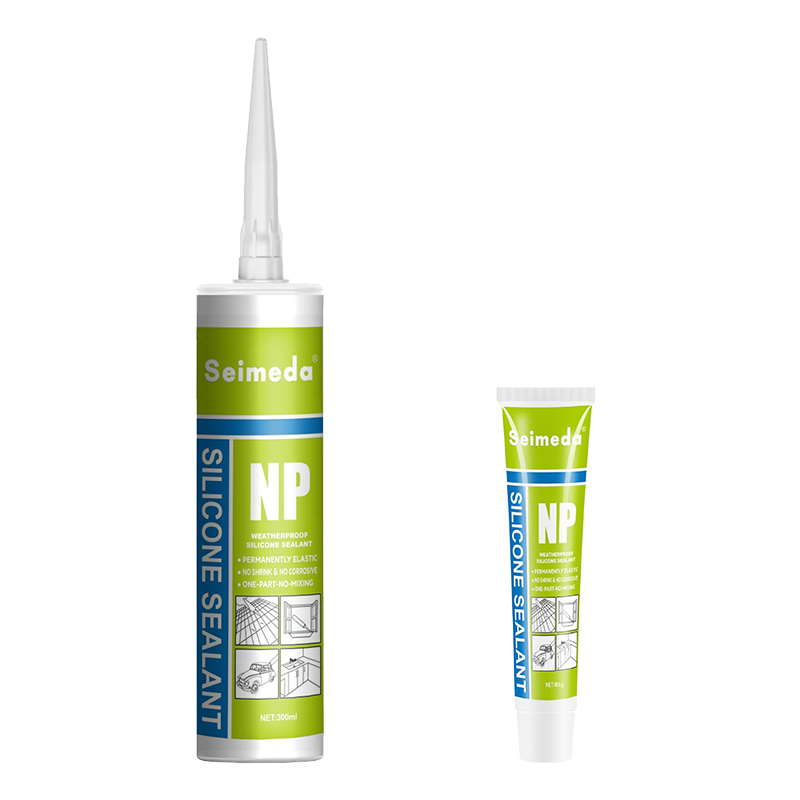
NP neutral silicone sealant is a neutral-cure silicone. During curing, it normally releases alcohol, oxime, or another neutral compound depending on the formulation. It does not release a strong concentration of acetic acid.

This curing behavior makes NP silicone more suitable for sensitive substrates and enclosed applications. It is commonly considered for coated metals, aluminum, concrete, stone, mirrors, plastics, electrical components, and areas where odor and corrosion must be controlled.

  • Lower risk of corrosion on many metals.
  • Better compatibility with alkaline and porous building materials.
  • Lower odor than typical acetoxy products.
  • Useful for exterior glazing, facade joints, sanitary areas, and industrial assembly.
  • Usually more expensive than basic acetoxy silicone.

NP neutral silicone sealant releases low-corrosion byproducts during curing

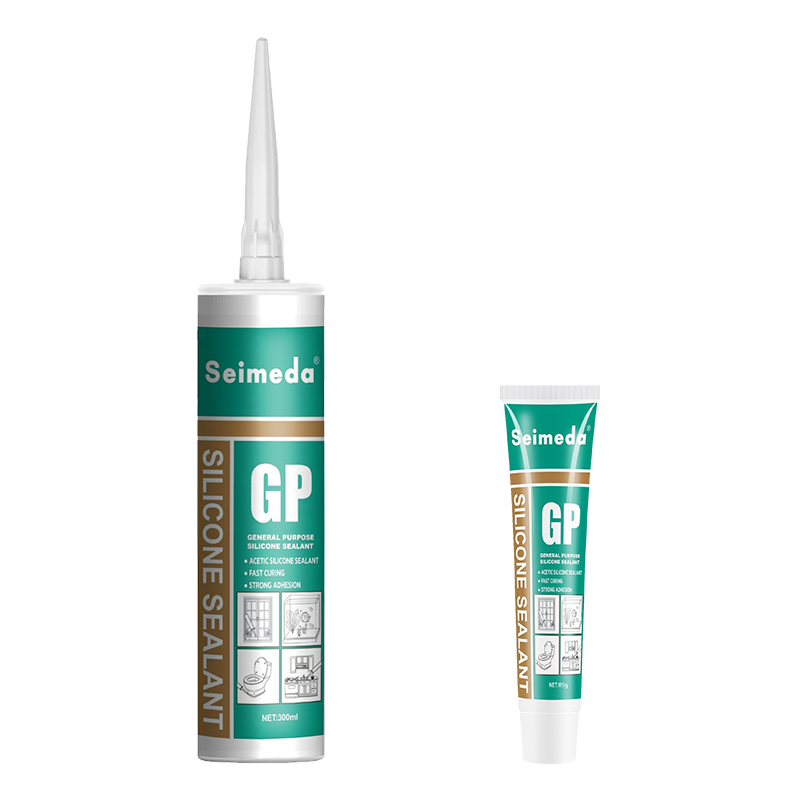
Acetoxy silicone sealant is an acid-cure silicone. It releases acetic acid as it cures, which creates the familiar vinegar-like odor. This curing system is simple, fast, and widely used in general-purpose applications.

Acetoxy silicone usually adheres well to glass, glazed ceramic, and some non-porous surfaces. However, the acidic curing byproduct can stain or corrode certain metals and may cause compatibility problems with concrete, marble, limestone, cement-based materials, and some plastics.

  • Often has a lower purchase price.
  • Usually cures quickly in suitable temperature and humidity conditions.
  • Provides strong adhesion to clean glass and glazed ceramic.
  • Has a noticeable vinegar-like odor during curing.
  • Requires careful substrate selection because of its acidic curing chemistry.

Acetoxy silicone releases acetic acid during curing

The core parameter table shows the main product differences

Parameter NP neutral silicone sealant Acetoxy silicone sealant Buying implication
Curing system Neutral cure Acetoxy or acid cure Select according to substrate sensitivity and indoor conditions.
Curing byproduct Usually alcohol, oxime, or another neutral compound Acetic acid Acetoxy products need more corrosion and odor control.
Odor during curing Low to moderate, depending on formulation Strong vinegar-like odor Neutral products are generally more comfortable indoors.
Typical skin formation time Approximately 5 to 30 minutes Approximately 5 to 20 minutes Actual values vary by formula, temperature, and humidity.
Typical cure rate Approximately 1.5 to 3 mm per 24 hours Approximately 2 to 4 mm per 24 hours Acetoxy may cure faster, but faster is not always safer.
Glass adhesion Good to excellent, depending on grade Good to excellent Both can work well on clean, dry glass.
Metal compatibility Generally better for aluminum and many coated metals May corrode sensitive or unprotected metals Use neutral cure for high-value or corrosion-sensitive metal assemblies.
Concrete and masonry compatibility Generally better Often limited Confirm adhesion and staining performance with a test panel.
Natural stone compatibility Can be available in non-staining grades Higher risk of staining or poor adhesion Use a stone-compatible product with a documented non-staining test.
Plastic compatibility Often better, but testing is still required May attack or bond poorly to some plastics Test PVC, acrylic, polycarbonate, ABS, and composite materials separately.
Temperature resistance Commonly about -50 C to 150 C after full cure Commonly about -50 C to 150 C after full cure Check the technical data sheet for the actual grade.
Movement capability Often available in plus or minus 20 to plus or minus 50 percent grades Often available in plus or minus 20 to plus or minus 25 percent grades High movement joints generally favor a suitable neutral high-performance grade.
Tool and equipment corrosion risk Lower during curing Higher around sensitive metal equipment Important for automated assembly and professional production lines.
Typical cost Medium to high Low to medium Compare total project risk, not only cartridge price.
Battery life Sealant itself has no battery life; battery impact depends on the dispenser Sealant itself has no battery life; battery impact depends on the dispenser Use the same cordless gun and application speed when comparing labor performance.

The values above are typical industry ranges rather than universal specifications. Buyers should verify viscosity, skin time, tack-free time, tensile strength, elongation, hardness, modulus, adhesion, movement capability, and weathering results in the manufacturer's technical data sheet.

Compare chemistry, adhesion, curing, and service performance before buying

Actual application experience reveals the practical tradeoffs

In practical use, NP neutral silicone is usually easier to apply across a mixed-material joint. A typical window, facade, bathroom, or industrial assembly may include glass, aluminum, coated steel, concrete, painted surfaces, plastic trims, and backing materials. Neutral cure chemistry reduces the risk that the curing reaction will damage one of these components.

Users commonly notice the following during application:

  • The odor is less aggressive in enclosed rooms.
  • The sealant is more suitable for metal frames and coated substrates.
  • The bead remains flexible after curing when the correct grade is selected.
  • Adhesion is more dependent on cleaning and primer selection than on the word "neutral" alone.
  • Some low-modulus neutral products may feel softer and require more tooling control.

NP neutral silicone is more stable on mixed and sensitive materials

Acetoxy silicone can provide a smooth and efficient installation when the substrate is clean glass, glazed tile, or another compatible non-porous surface. Its fast skin formation can reduce waiting time during simple repairs and small installations.

However, the vinegar-like odor can remain noticeable while the joint cures. Installers should provide ventilation and avoid using acetoxy silicone next to sensitive metals, porous stone, cement-based materials, or components that may react with acid.

  • Fast initial skin formation is useful for simple household and maintenance work.
  • The sealant is often easy to tool on clean, smooth surfaces.
  • The strong odor can be uncomfortable in small indoor spaces.
  • Acidic vapors may affect sensitive metals and electronic components.
  • Adhesion may be inconsistent on porous or alkaline surfaces.

Acetoxy silicone is fast and efficient on compatible non-porous surfaces

Silicone sealant does not have a battery life. When buyers compare cordless cartridge guns, sausage-pack guns, or automatic dispensing equipment, battery runtime depends on the tool, battery capacity, sealant viscosity, nozzle size, temperature, and trigger control.

In a practical production test, compare both sealants using the same equipment:

  1. Use the same battery, cartridge size, nozzle diameter, and bead dimensions.
  2. Record the number of cartridges applied per charge.
  3. Measure the time required to dispense and tool each joint.
  4. Check whether high viscosity causes motor overload or irregular flow.
  5. Compare the amount of waste caused by rework, nozzle blockage, or poor tooling.

A neutral sealant may require slightly higher dispensing force in some formulations, while a low-viscosity acetoxy product may flow more easily. The correct comparison is therefore tool performance under identical conditions rather than a general claim that one curing system saves battery power.

Battery life depends on the application tool, not on the curing chemistry

Adhesion and substrate compatibility determine the correct choice

NP neutral silicone is usually the safer starting point for substrates that may be affected by acetic acid or that require broader compatibility. Typical applications include:

  • Aluminum window and door frames.
  • Coated steel and painted metal panels.
  • Concrete, mortar, brick, and cement-based surfaces.
  • Natural stone when a certified non-staining grade is used.
  • Mirrors and backing materials that require a compatible sealant.
  • Plastic trims and composite panels after adhesion testing.
  • Exterior facade joints exposed to rain, sunlight, and temperature changes.
  • Electrical and industrial assemblies where corrosion control matters.

Choose NP neutral silicone for sensitive, porous, or mixed substrates

Acetoxy silicone is often a cost-effective option for applications based on clean and non-porous glass or glazed ceramic. Common examples include:

  • Glass display cases.
  • Small glass repairs.
  • Glazed ceramic joints.
  • Basic household sealing where odor and substrate sensitivity are not concerns.
  • General maintenance work on compatible non-porous surfaces.

Do not assume that a strong bond on glass means the product is suitable for every adjacent material. Test the complete assembly, including coatings, primers, backing rods, plastic components, and metal edges.

Choose acetoxy silicone for compatible glass and ceramic applications

A small test panel can prevent expensive adhesion failure, staining, or corrosion. The test should reproduce the real project conditions as closely as possible.

  1. Clean the substrate with a compatible solvent or cleaning method.
  2. Apply a small bead to each material in the actual assembly.
  3. Allow the sealant to cure for the full recommended period.
  4. Check initial adhesion by cutting and pulling the cured bead.
  5. Inspect for staining, discoloration, softening, corrosion, or surface attack.
  6. Repeat the test after exposure to water, heat, sunlight, or movement when relevant.

Perform a compatibility test before a large installation

The advantages and disadvantages are different for each purchasing group

  • Advantages:
  • Better compatibility with many metals, concrete, stone, and plastics.
  • Lower odor and lower corrosion risk during curing.
  • Suitable for high-value construction and industrial projects.
  • Often available in high-movement, weather-resistant, and non-staining grades.
  • Better suited to mixed-material assemblies.
  • Disadvantages:
  • Usually costs more than basic acetoxy silicone.
  • Some grades cure more slowly.
  • Some formulations may require primer or special surface preparation.
  • Performance varies significantly between standard, construction, glazing, and structural grades.

Advantages and disadvantages of NP neutral silicone sealant

  • Advantages:
  • Often has a lower purchase price.
  • Usually cures quickly on compatible surfaces.
  • Good adhesion to clean glass and glazed ceramic.
  • Widely available in retail and maintenance channels.
  • Simple to use for small, low-risk repairs.
  • Disadvantages:
  • Strong vinegar-like odor during curing.
  • Acidic byproducts can corrode sensitive metals.
  • May perform poorly on concrete, masonry, natural stone, and some plastics.
  • Limited suitability for mixed-material and high-value assemblies.
  • Product failure can occur when the installer selects it only because it is inexpensive.

Advantages and disadvantages of acetoxy silicone sealant

Application quality depends on preparation, joint design, and curing conditions

  1. Remove dust, oil, grease, old sealant, loose coatings, and surface contaminants.
  2. Ensure the joint is dry unless the product specifically permits damp-surface application.
  3. Install a suitable backing rod where joint depth and movement require it.
  4. Use masking tape to create clean joint edges.
  5. Apply primer only when required by the technical data sheet or project test.
  6. Cut the nozzle to match the required bead width.

Prepare the joint correctly before dispensing sealant

  1. Dispense a continuous bead without gaps or air pockets.
  2. Maintain steady pressure and a consistent application speed.
  3. Tool the sealant with a clean tool before the surface skins.
  4. Remove masking tape carefully while the sealant is still workable.
  5. Protect the joint from water, dust, vibration, and contact until sufficiently cured.

Do not use soapy water or an unapproved tooling liquid without checking compatibility. Some additives can weaken adhesion or leave a residue at the joint interface.

Apply and tool the bead before skin formation

Most moisture-curing silicone sealants cure faster in moderate warmth and humidity. Low temperature, low humidity, deep joints, poor ventilation, and excessive bead thickness can extend cure time.

  • Follow the application temperature range in the technical data sheet.
  • Do not close a deep joint before the center has cured.
  • Use the correct joint width and depth ratio for expected movement.
  • Allow additional cure time in cold or dry environments.
  • Do not expose uncured sealant to continuous water unless the product permits it.

Control temperature, humidity, and joint dimensions

Purchasing groups should select according to risk, volume, and application

  • Facade and curtain wall contractors working with aluminum, glass, stone, and coated panels.
  • Window and door manufacturers requiring reliable metal compatibility.
  • Construction distributors seeking a broad-use professional product.
  • Industrial assemblers sealing mixed materials or sensitive components.
  • Facility managers working in occupied buildings where odor must be controlled.
  • Stone, mirror, and sanitary installers requiring non-staining or low-corrosion performance.
  • Project owners who prefer lower lifecycle risk over the lowest initial price.

NP neutral silicone is recommended for these buyers

  • Home repair users sealing clean glass or glazed ceramic.
  • Maintenance teams handling low-risk, small-volume repairs.
  • Retail customers who need an economical general-purpose sealant.
  • Installers working on compatible non-porous substrates with good ventilation.
  • Projects where fast skin formation is more important than broad substrate compatibility.

Acetoxy silicone is recommended for these buyers

  1. What is the exact curing system and curing byproduct?
  2. Is the product suitable for the intended substrate and coating?
  3. What are the skin formation time and cure rate at the project temperature?
  4. What are the tensile strength, elongation, hardness, and movement capability?
  5. Is the product non-staining for natural stone or porous materials?
  6. Is a primer required?
  7. What are the storage temperature, shelf life, and packaging options?
  8. Are technical data, safety data, adhesion tests, and weathering results available?
  9. Can the supplier provide samples for a project compatibility test?

Buyers should ask suppliers these questions

The final decision should balance performance, risk, and total project cost

  • Choose NP neutral silicone when the joint includes metal, concrete, stone, plastic, painted surfaces, or multiple substrates.
  • Choose NP neutral silicone when low odor, corrosion control, weather resistance, or long-term project reliability is important.
  • Choose acetoxy silicone when the application is limited to compatible glass or glazed ceramic.
  • Choose acetoxy silicone when the project is small, well ventilated, low risk, and highly price sensitive.
  • Do not choose either product without testing when the substrate is unknown, coated, porous, plastic, or chemically sensitive.
  • Do not confuse general-purpose silicone with structural glazing, fire-rated, sanitary, or specialized industrial grades.

Use this decision guide for a quick selection

Acetoxy silicone remains useful because it is economical, widely available, and effective on suitable glass and ceramic surfaces. Its limitations become important when the assembly includes corrosion-sensitive metals, porous construction materials, natural stone, plastics, electronics, or occupied indoor spaces.

NP neutral silicone generally offers broader compatibility, lower curing odor, and lower substrate risk. Its higher price can be justified when rework, corrosion, staining, adhesion failure, or premature replacement would be expensive. The best product is not simply the one with the strongest advertised adhesion. It is the product whose curing chemistry, movement capability, adhesion, weather resistance, and application behavior match the complete joint design.

As a Neutral Cure Silicone Sealant manufacturer, Seimeda can support product selection, sample testing, packaging requirements, and project-specific performance evaluation. Visit www.seimedagroup.com or contact Seimeda for a suitable neutral cure silicone sealant solution.
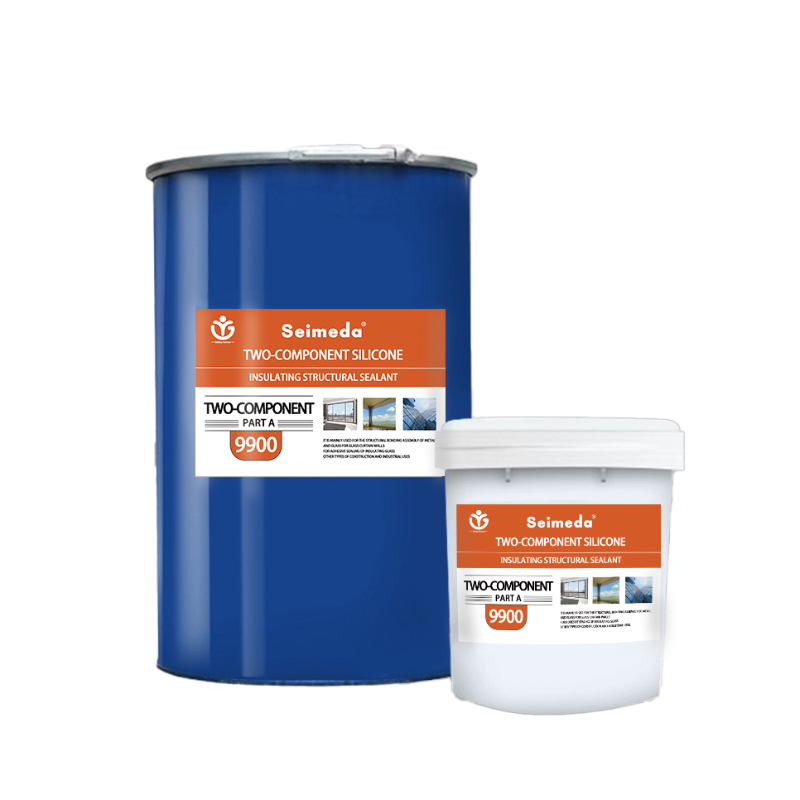
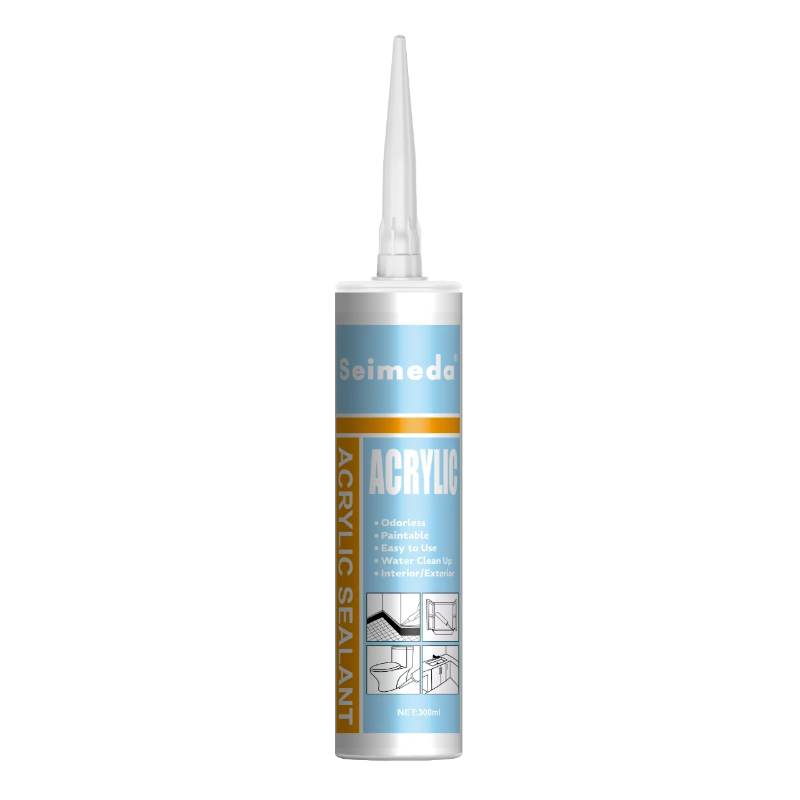
NP neutral silicone is the safer professional default in mixed-material projects

Seimeda neutral cure silicone sealant solutions for construction and industrial applications.