



WhatsApp: +86 178 6574 8088

E-mail: jackyalum@163.com
English

WhatsApp: +86 178 6574 8088
E-mail: jackyalum@163.com
Related Products
Date: 15 Sep, 2026
Leaking shower joints, stained window frames, and sealant that peels from aluminum are common repair problems. This NP neutral silicone sealant review examines whether a neutral-cure product is suitable for bathrooms, kitchens, glazing, and exterior joints. The key questions are practical: can it bond without corroding sensitive metals, how long does it need to cure, and what happens when movement, water, or ultraviolet exposure increases? The evaluation focuses on neutral cure silicone sealant for bathrooms, neutral silicone sealant for aluminum windows, and weatherproof joint sealant, while explaining adhesion, tensile strength, and elongation at break in plain English.
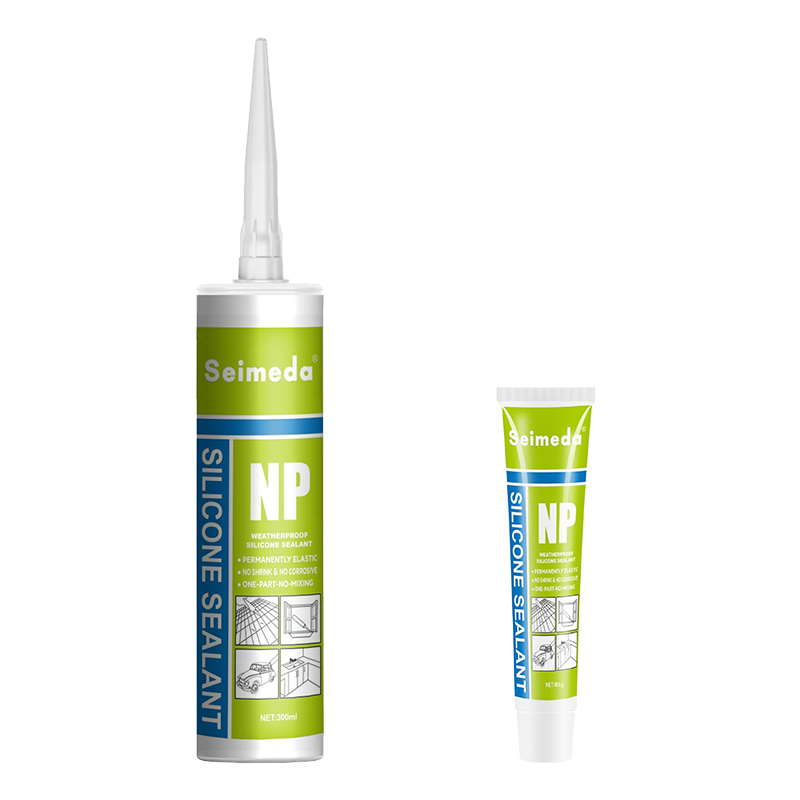
“NP neutral silicone sealant” is not a universally standardized product name. In different markets, NP may identify a manufacturer, product series, or packaging label. It should not automatically be confused with NP1 polyurethane sealant, which is a different chemistry. Before purchase, check the cartridge label and technical data sheet for the exact curing system, recommended substrates, movement capability, skin time, cure rate, service-temperature range, and compliance claims.
A neutral-cure silicone releases a relatively mild by-product during curing, commonly an oxime or alkoxy compound depending on the formulation. Unlike acetoxy silicone, it generally does not release acetic acid, so it is usually more compatible with aluminum, galvanized metal, coated steel, glass, ceramic, and some plastics. “Usually” matters: compatibility depends on the coating, plasticizer content, surface contamination, and the specific formulation.
A responsible Neutral Cure Silicone Sealant manufacturer should provide a technical data sheet and, where relevant, a safety data sheet. Look for the following information:
Neutral silicone is most useful when a project combines moisture, temperature changes, and substrates that may be sensitive to acidic cure by-products. Typical users include:
Its principal advantages are elastic recovery, resistance to liquid water after full cure, broad adhesion to many non-porous surfaces, and resistance to outdoor sunlight in formulations designed for exterior exposure. A sealant bead can remain flexible while a joint opens and closes with thermal expansion, but the product is not a substitute for mechanical fasteners, a waterproofing membrane, or a structural adhesive unless the manufacturer specifically approves that use.
A useful review begins before the cartridge reaches the joint. Inspect the package for a batch number, manufacturing date or shelf-life statement, nozzle condition, storage instructions, and a readable technical data sheet. A damaged nozzle, hardened material near the plunger, or missing batch information is a reason to request a replacement.
For a bathroom joint, the most common failure is not the silicone chemistry but poor preparation: soap residue, damp porous grout, trapped mold, or a bead placed over old silicone. A clean, dry, correctly sized joint generally gives a more reliable result than simply choosing a more expensive cartridge.
Neutral silicone commonly adheres well to glass, glazed ceramic, anodized aluminum, and many painted metals when the surfaces are clean. Adhesion to polyethylene, polypropylene, PTFE, oily woods, dusty masonry, and some powder coatings is less predictable. A primer may be required, or the substrate may be unsuitable altogether.
Always conduct a small adhesion test on the actual material. Apply a short bead, allow it to cure for the period specified by the manufacturer, and then cut and pull the cured strip. The objective is not simply to see whether the bead sticks; it is to determine whether failure occurs cohesively within the silicone or adhesively at the substrate. This distinction is more useful than a general claim that the product “bonds to everything.”
Silicone is selected for movement because it can stretch and recover better than rigid acrylic filler or cement grout. However, a stated movement rating such as ±20% does not mean that any joint can safely move by 20% indefinitely. The rating depends on joint width, bead geometry, temperature, aging, substrate movement, and the test standard.
For example, a 10 mm-wide joint with a ±20% movement rating corresponds to a nominal movement range of about 2 mm, assuming the joint is designed correctly and the rating applies to that service. A deep, narrow bead or a joint bonded on three sides can experience higher stress and fail sooner.
Most one-component silicone sealants cure by reacting with atmospheric moisture. Skin formation may occur within minutes, while full cure can take substantially longer. Cure rate is affected by bead thickness, temperature, relative humidity, and ventilation. A 3 mm bead in warm, humid air is not equivalent to a 12 mm bead in a cool, enclosed cavity.
Do not treat a dry surface as proof of full cure. For a shower or sink, follow the product’s stated waiting period; if the data sheet gives no clear water-exposure guidance, waiting at least 24 hours is a conservative starting point for a normal thin bead, while deeper joints may require longer. The label and technical data sheet override general rules.
Cured silicone is generally water-resistant, but water resistance does not repair a leaking substrate or replace proper drainage. Exterior products are typically formulated for sunlight and temperature cycling, yet ultraviolet resistance should be verified for the exact product. “Mildew resistant” usually refers to additives that slow fungal growth on the sealant surface; it does not prevent mold caused by trapped moisture, dirty joints, or poor ventilation.
Temperature claims also require caution. A sealant may tolerate a broad service range after curing but still require a narrower application range during installation. Do not apply it to a frozen, wet, dusty, or overheated substrate unless the manufacturer explicitly allows those conditions.
A representative homeowner repair involves an aluminum-framed shower screen with a failed lower perimeter bead. The visible symptoms are dark staining, intermittent water escaping onto the bathroom floor, and silicone separating from the glazed tile.
The repair process should include removing the old bead, treating any mold according to the cleaner’s instructions, drying the joint, checking whether the screen is mechanically stable, and applying a new neutral-cure bead to the correct faces. The user should not seal over drainage holes in the frame. After tooling, the shower should remain unused for the complete cure period stated on the cartridge.
The measurable success criteria are straightforward: no adhesive separation when the edge is lightly inspected after cure, no visible gap along the joint, no water bypass during a controlled spray test, and no new staining after several weeks of normal use. This case does not prove a specific NP formulation will work on every shower; it shows how to evaluate the repair without relying on the label alone.
| Sealant type | Typical strengths | Common limitations | Best-fit applications |
|---|---|---|---|
| Neutral-cure silicone | Flexible, water-resistant after cure, often suitable for glass and metal, good outdoor weathering when formulated for it | Usually not paintable; adhesion varies by plastic and coating; not automatically structural or aquarium-safe | Window perimeters, sanitary joints, metal-to-glass joints, exterior non-structural gaps |
| Acetoxy silicone | Often economical, widely available, fast skin formation in some formulations | Acidic cure odor; may be unsuitable for some metals, porous stone, and sensitive substrates | Compatible glass and ceramic joints where the manufacturer approves the substrate |
| Paintable acrylic or latex | Easy cleanup, generally paintable, useful for low-movement interior gaps | Usually less resistant to continuous water and large movement than silicone | Interior trim, drywall cracks, and painted finishing joints |
| Polyurethane | Strong adhesion and abrasion resistance; some grades are paintable | Moisture sensitivity during cure varies; tooling and cleanup can be more demanding | Construction joints, concrete, masonry, and applications approved by the product data sheet |
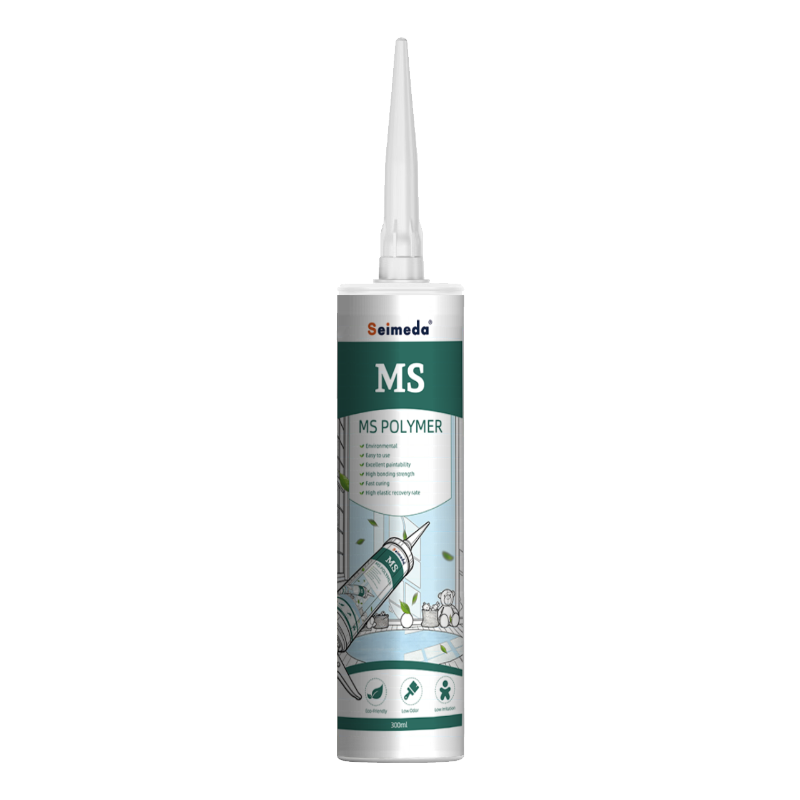
| Hybrid MS polymer | Often paintable, good adhesion to varied construction materials, lower odor in some formulas | Performance and cure behavior differ widely by formulation; may cost more | General construction, trim, cladding, and mixed-substrate repairs |
The fairest comparison is not “which product is strongest?” but “which chemistry matches the joint?” For a clean glass-to-aluminum perimeter exposed to rain, a quality neutral silicone may be the logical choice. For a painted interior skirting joint, a paintable acrylic or hybrid may save time. For a structural or heavily loaded connection, consult the engineered system rather than selecting a general-purpose cartridge.
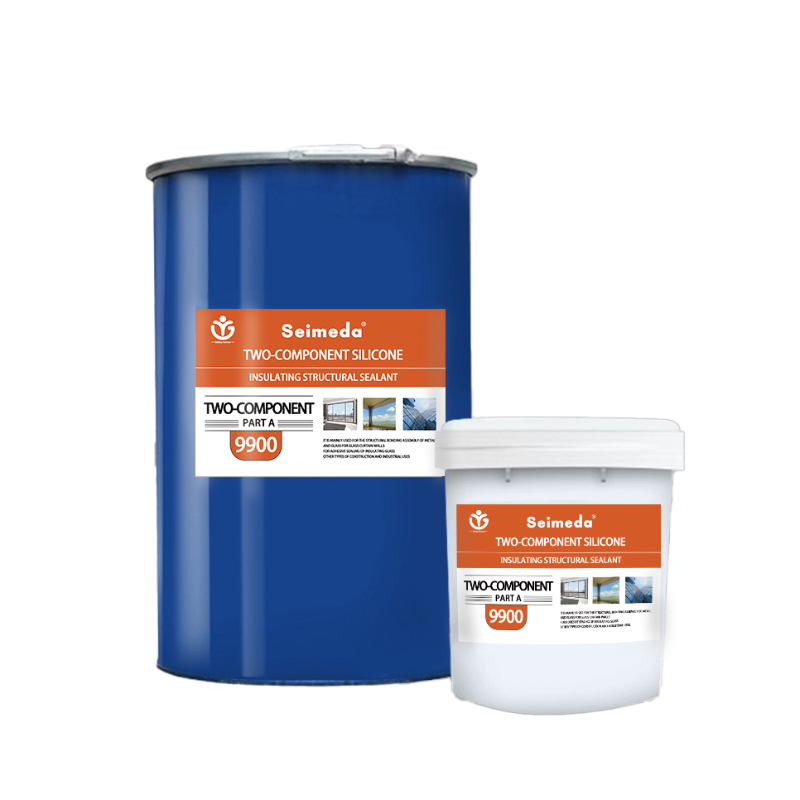
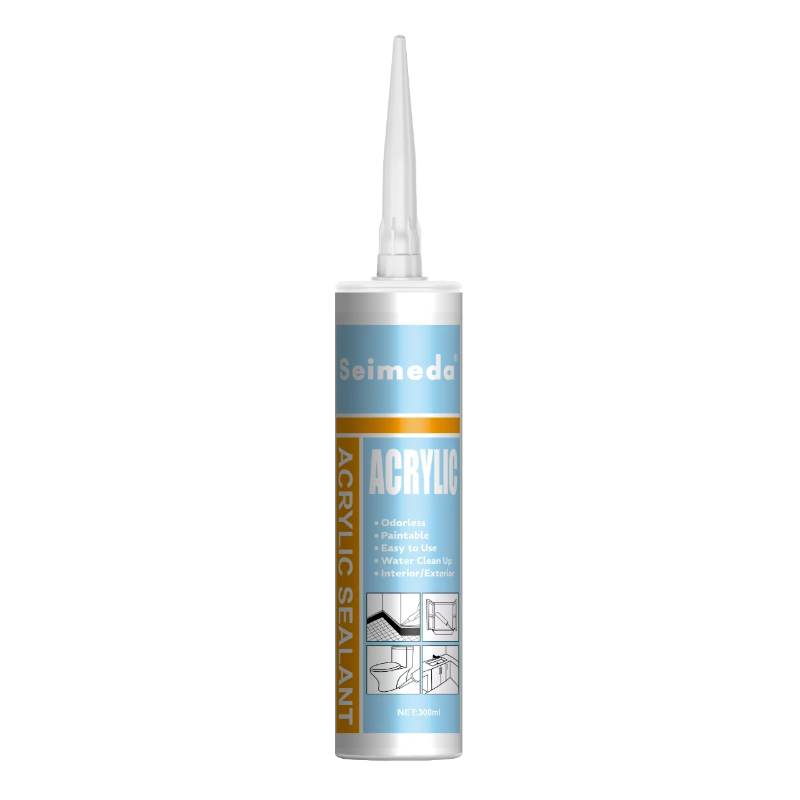
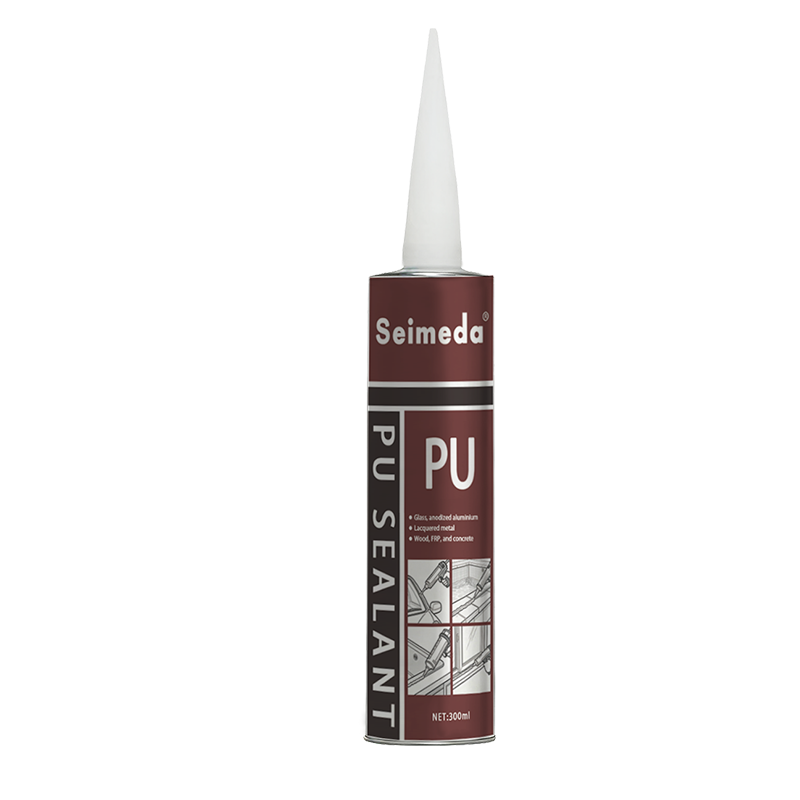
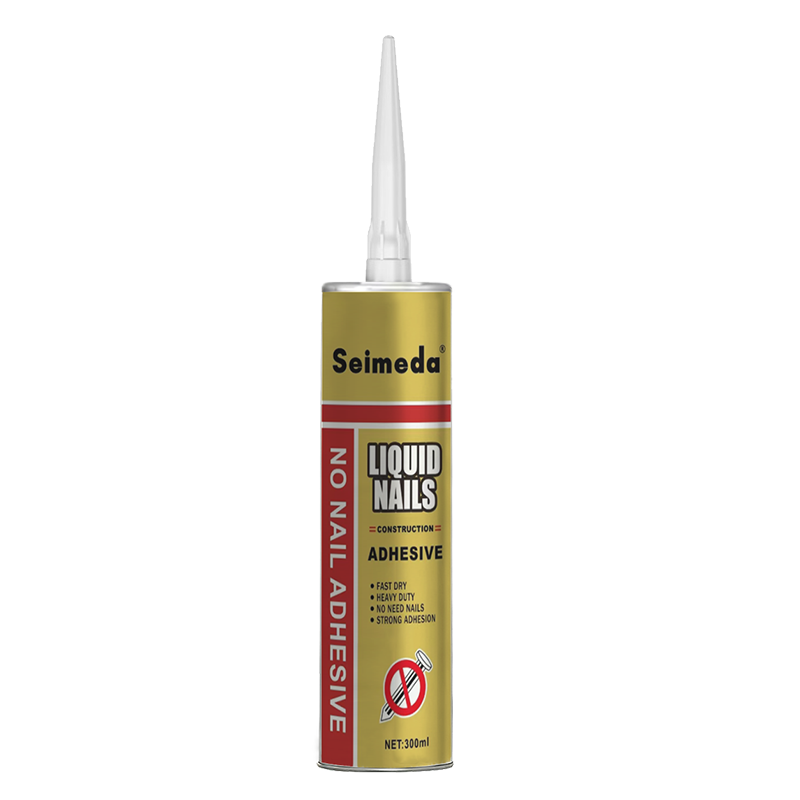
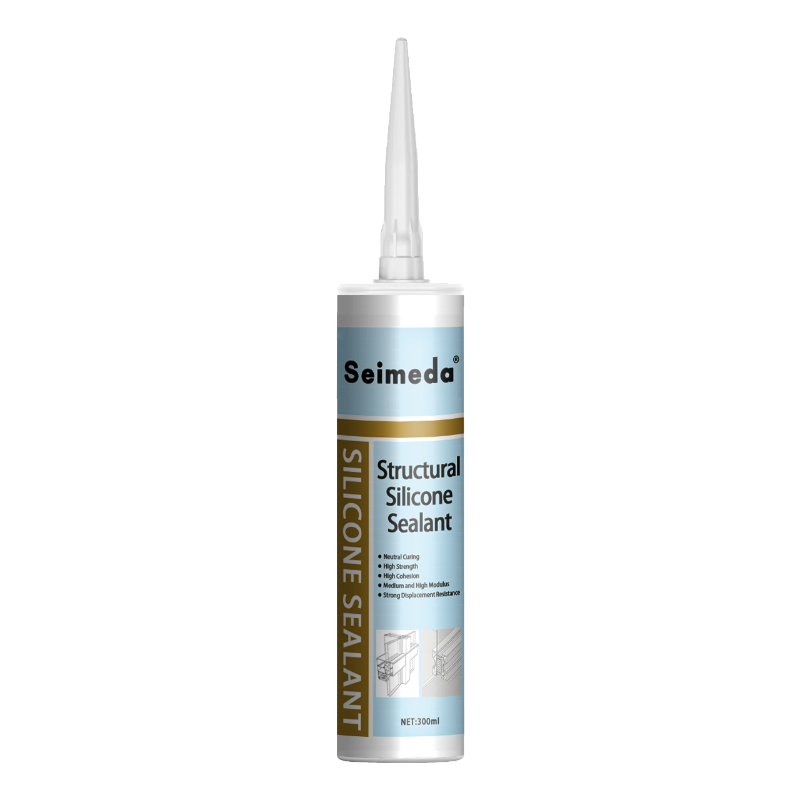
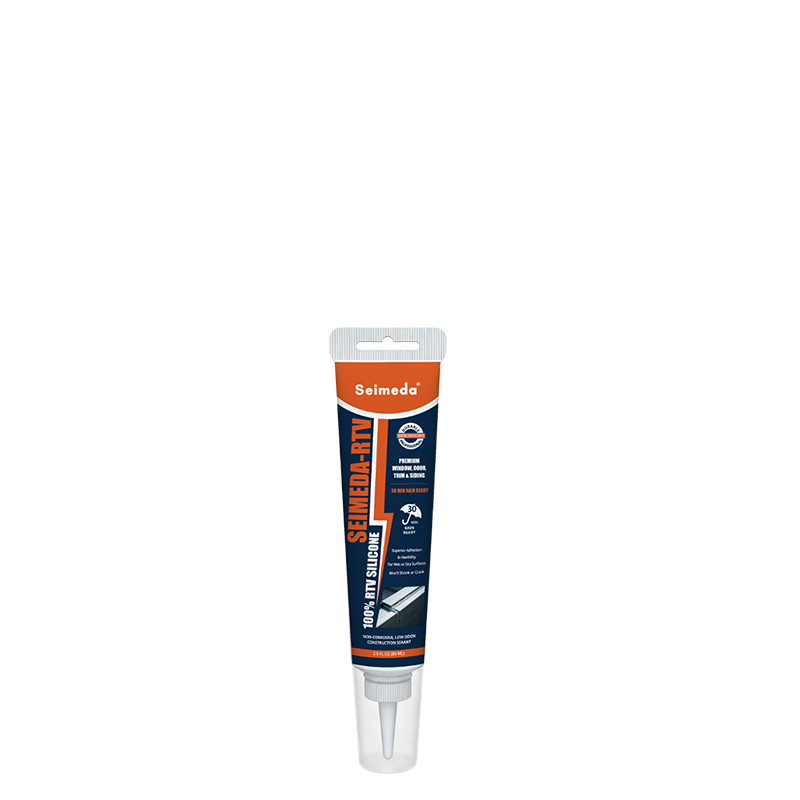
Seimeda should be evaluated through the same evidence used for any Neutral Cure Silicone Sealant manufacturer: current technical data, batch traceability, substrate-specific adhesion information, movement classification, cure conditions, packaging integrity, and independent or standard-based test results where applicable.
A product deserves a higher practical rating when it provides a clear application guide, identifies limitations, maintains consistent extrusion, tools without tearing, and offers reliable adhesion on the intended substrate. The brand name alone cannot establish suitability. Buyers should request the technical data sheet for the exact Seimeda product rather than relying on a photograph or a general catalog description.
| Evaluation category | Practical rating | Reason |
|---|---|---|
| Bathroom and kitchen perimeter joints | Recommended with conditions | Suitable when the product is sanitary-grade, the joint is clean and dry, and the full cure period is respected. |
| Aluminum window and glass perimeter sealing | Recommended with adhesion testing | Neutral cure is generally more substrate-friendly than acetoxy cure, but coatings and finishes can change the result. |
| Exterior weather joints | Potentially recommended | Confirm UV, temperature, movement, and exterior-exposure claims for the exact product. |
| Painted finishing work | Not the first choice | Cured silicone is normally difficult to paint. |
| Structural glazing, aquarium, or submerged use | Do not assume suitability | Only a specifically approved formulation and system should be used. |
Choose NP neutral silicone when flexibility, moisture resistance, and compatibility with glass or metal are more important than paintability. Avoid it when the surface is contaminated, the joint carries structural load, the substrate is an untested plastic or natural stone, or the application requires continuous immersion. Before buying, compare the cartridge’s exact technical data with the joint width, substrate, exposure, and movement expected.
Not in every situation. Neutral cure is often preferable for aluminum, coated metals, and sensitive substrates because it does not use an acetic-acid curing system. Acetoxy silicone can still be appropriate for compatible glass and ceramic joints. Substrate compatibility and test data matter more than the word “neutral.”
Follow the cartridge or technical data sheet. A thin bead may skin quickly but remain uncured inside. If no specific instruction is available, a minimum of 24 hours is commonly used for a normal thin bead, with longer time for deep joints, cool conditions, or low humidity.
It may be suitable for aluminum window perimeter joints, especially when the product is designed for glazing or exterior use. Clean the frame, test adhesion on the actual finish, and avoid blocking drainage paths. Powder-coated aluminum should always be tested because coating formulations vary.
It is not recommended. New silicone usually has poor adhesion to cured silicone. Remove the old bead, clean the joint, dry it, and inspect the substrate before applying the replacement.
Cured silicone can resist liquid water, but “waterproof” does not mean suitable for every submerged or high-pressure application. The joint must be correctly designed, fully cured, and bonded to compatible surfaces.
Common causes include soap or oil contamination, damp surfaces, old silicone residue, movement beyond the joint rating, three-sided adhesion, incorrect bead geometry, or an incompatible substrate. Cut out the failed material and identify the cause before resealing.
No. A fungicide-containing sanitary formulation may slow surface mold growth, but poor ventilation, standing water, and dirty joints can still produce mold. Keep the area dry and clean, and replace sealant when it has lost adhesion or developed persistent contamination.
In conclusion, this NP neutral silicone sealant review supports a measured buying decision rather than a blanket recommendation. For neutral cure silicone sealant for bathrooms and neutral silicone sealant for aluminum windows, success depends on substrate preparation, joint geometry, cure conditions, and verified product data. Compare the manufacturer’s adhesion, movement, and weathering evidence before purchase, and treat any claim about a weatherproof joint sealant, adhesion, tensile strength, or elongation at break as meaningful only when the test conditions are stated.