








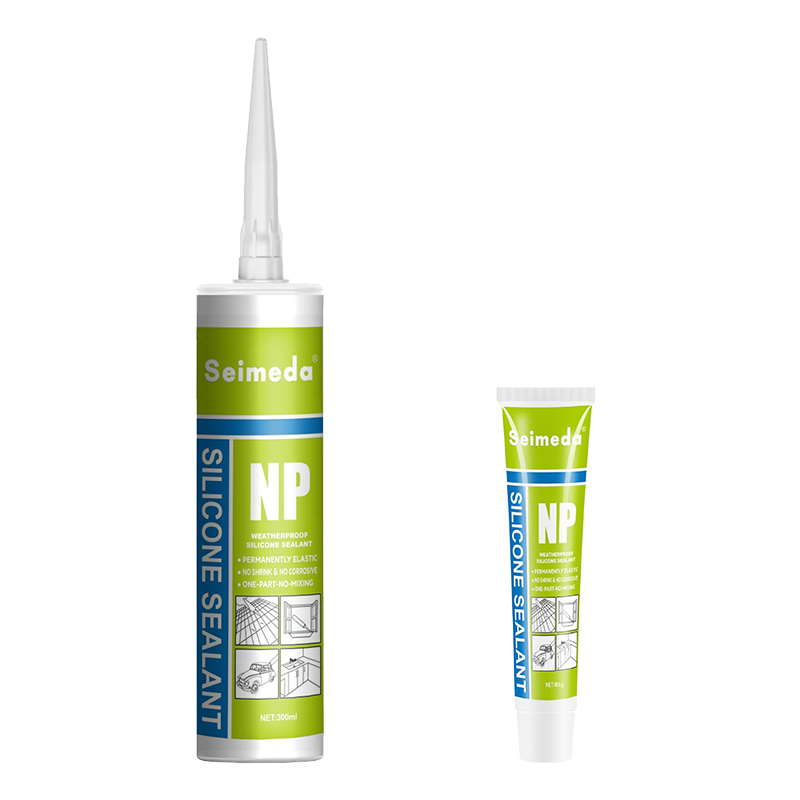
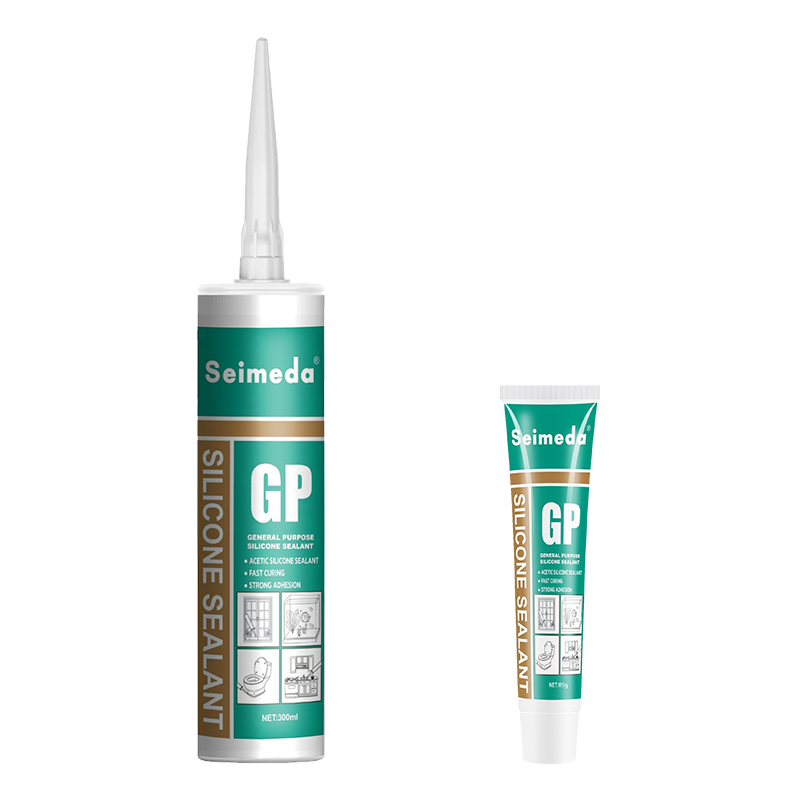
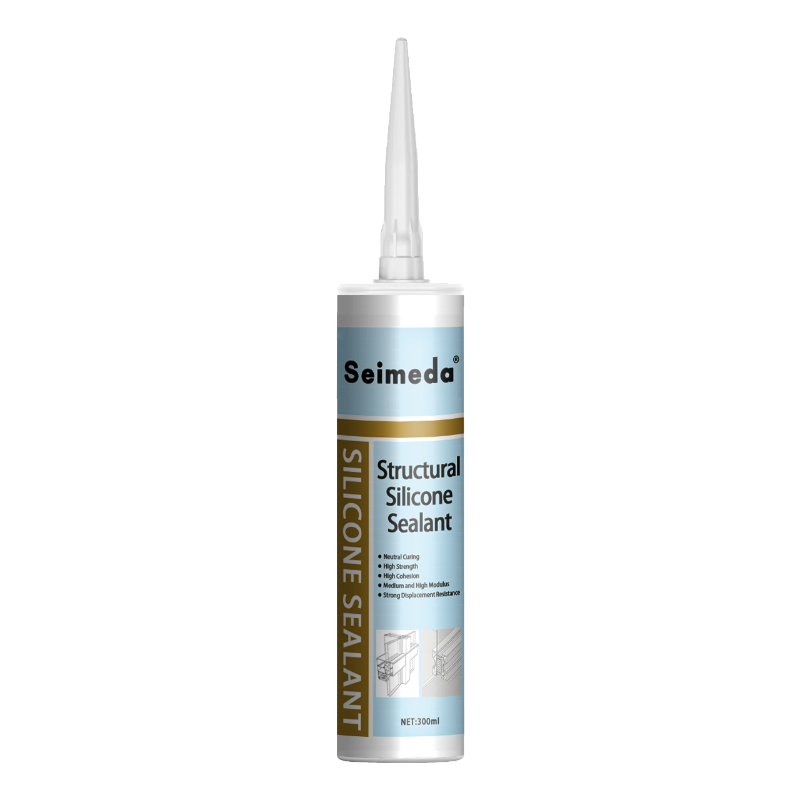
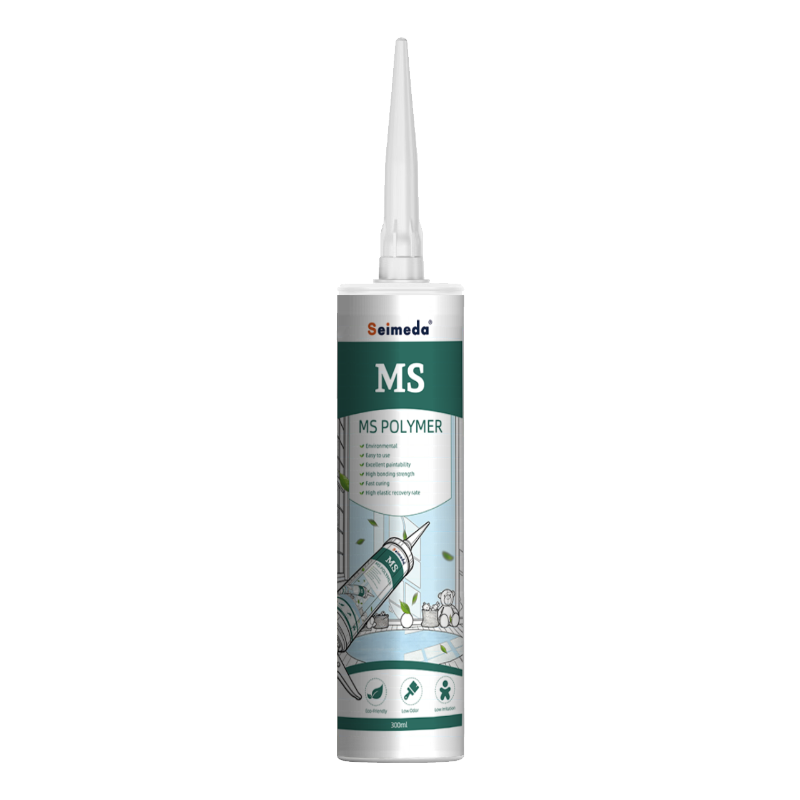
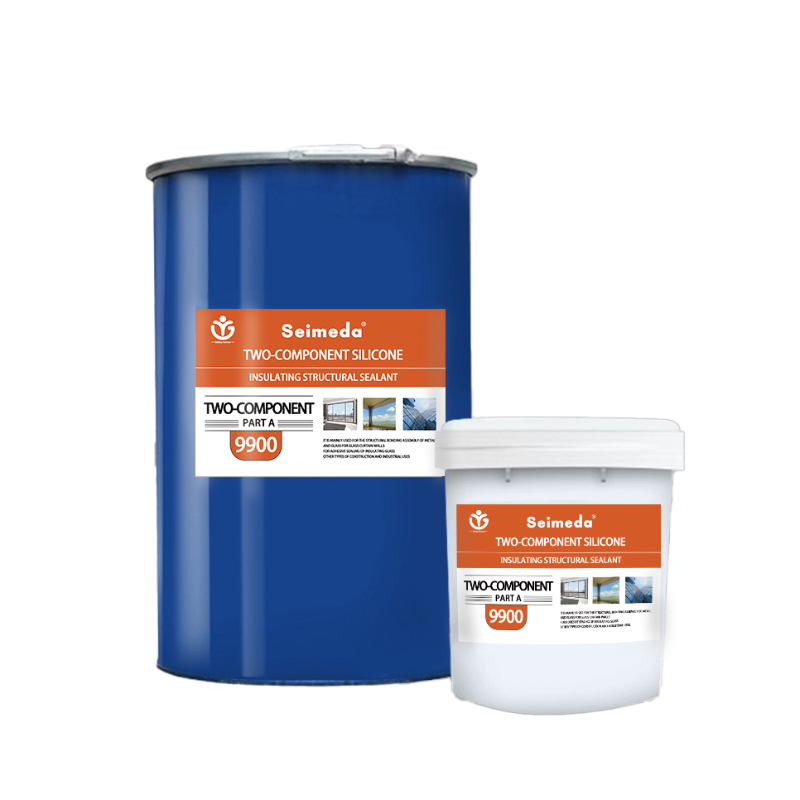
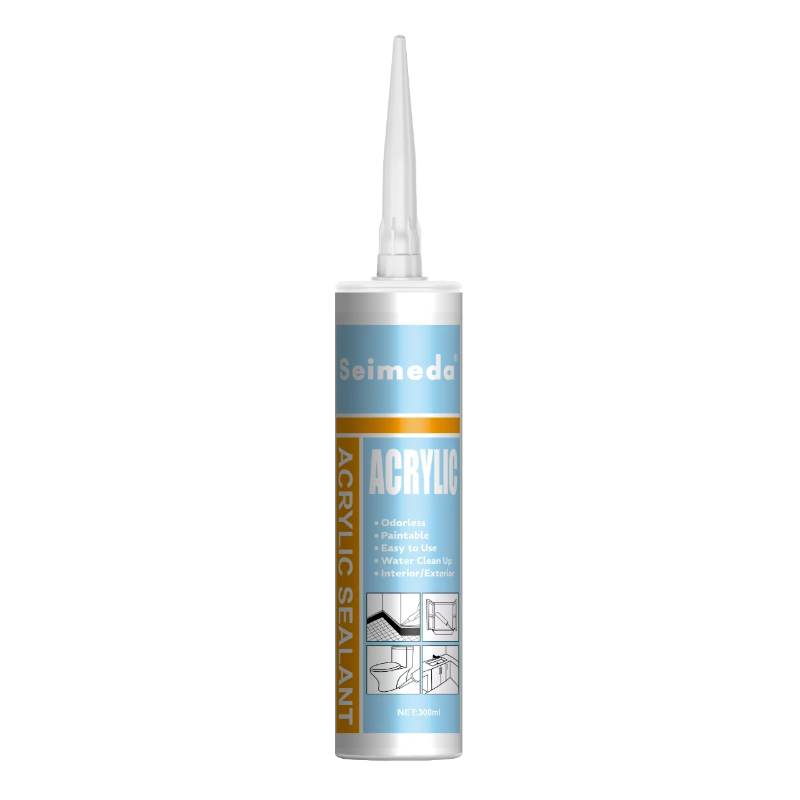
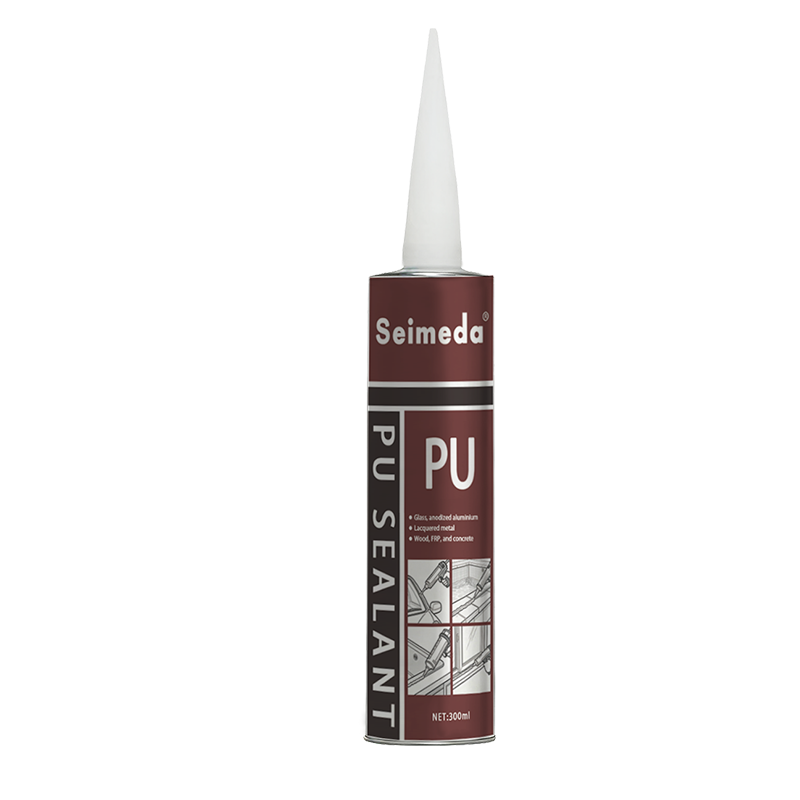
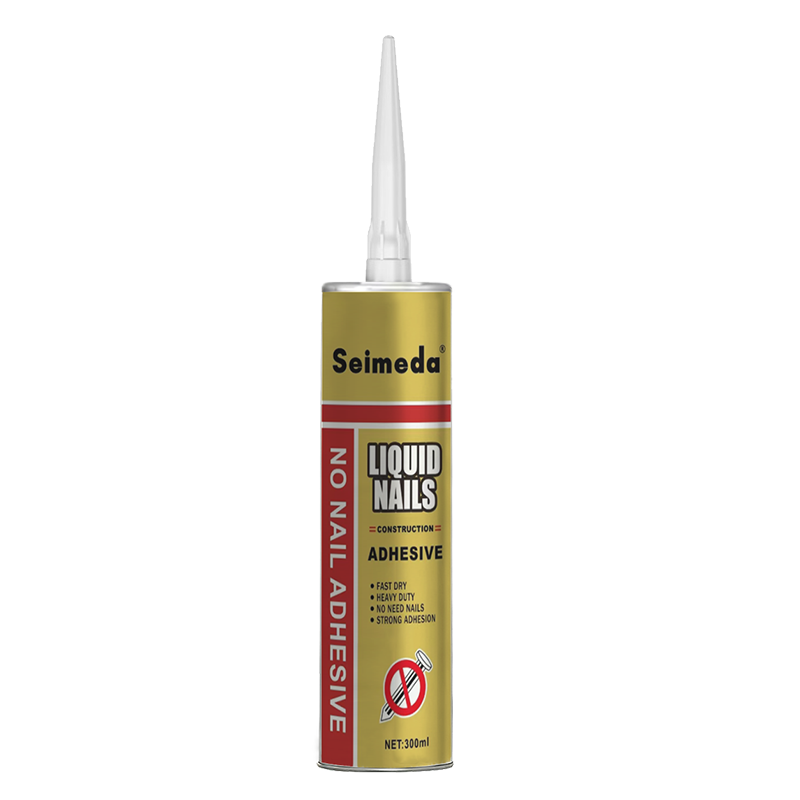
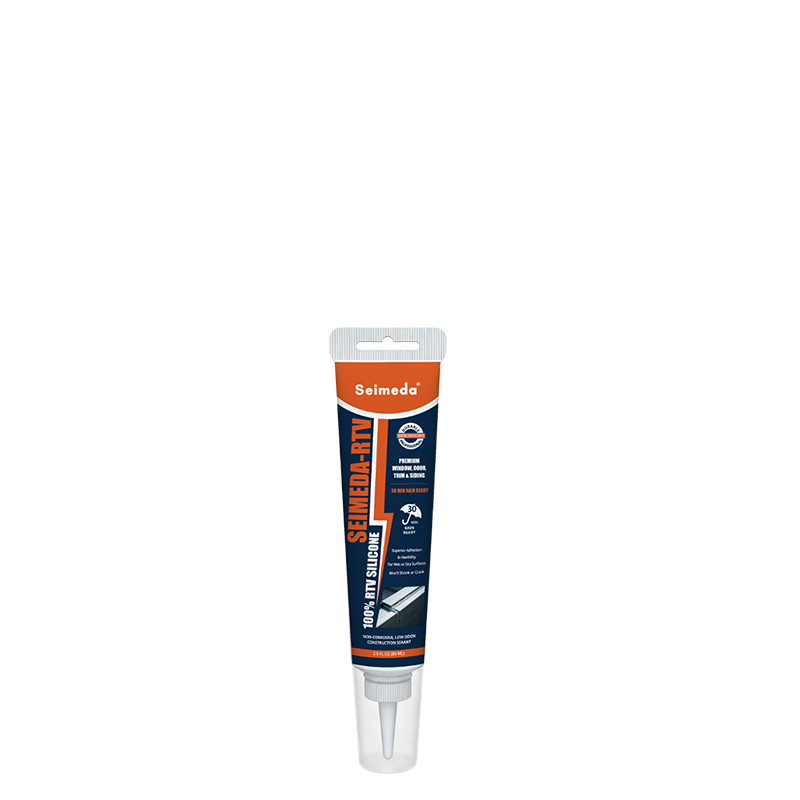
Drafty rooms, condensation around frames, sealant odor, and premature joint failure are common reasons buyers replace otherwise expensive windows. The right neutral silicone sealant for energy-efficient windows can support airtightness, reduce moisture entry, and accommodate movement around an insulating glass unit. Buyers comparing the best neutral cure silicone sealant for window installation should also check low-VOC formulation, adhesion, weather resistance, and compatibility with coatings. In performance terms, the discussion involves low-VOC window sealant for IGU frames, thermal bridging, ASTM C920 movement capability, U-factor, and SHGC—not simply whether a product feels “strong.”
Why Neutral Cure Silicone Sealant manufacturers Are Focusing on Energy-Efficient Windows
Energy-efficient windows are no longer judged only by glass thickness or frame appearance. The complete window assembly must limit unwanted air leakage, water penetration, heat transfer, and movement-related cracking. A sealant is one component of that assembly, but it is often the component that connects dissimilar materials such as glass, aluminum, coated metal, spacers, masonry, and painted substrates.
The U.S. Department of Energy states that windows can account for approximately 25% to 30% of residential heating and cooling energy use, depending on the building and climate. This does not mean sealant alone can deliver a 25% to 30% saving; window design, glass selection, installation quality, shading, orientation, and HVAC operation all affect the result. However, the figure explains why manufacturers and building owners are paying closer attention to perimeter joints and installation details.
Energy performance is normally verified through recognized rating and testing systems. The U.S. Department of Energy explains the role of window U-factor and solar heat gain coefficient, while the National Fenestration Rating Council provides a widely used framework for fenestration product ratings. Sealant selection should therefore support the tested window design rather than be treated as an isolated “energy-saving” product claim.
Key Drivers Behind Neutral Cure Silicone Sealant Trends
Neutral Cure Silicone Sealant Manufacturers Are Responding to Low-Emission Requirements
Occupied buildings increasingly require products with controlled emissions and low odor, especially in schools, hospitals, offices, and residential interiors. Neutral-cure silicones are often selected where the installer wants to avoid the sharper odor associated with some acetoxy-cure systems. Nevertheless, “neutral cure” does not automatically mean zero VOC or compliance with every indoor-air standard. Buyers should request a current safety data sheet, technical data sheet, VOC test information, and the relevant regional compliance statement.
For green-building projects, verify the exact requirement instead of relying on a marketing label. Useful references include the LEED rating system, California South Coast Air Quality Management District rules where applicable, and project-specific indoor-air specifications.
Neutral Cure Silicone Sealant Manufacturers Are Designing for Multiple Substrates
Modern window systems may combine low-emissivity glass, warm-edge spacers, powder-coated aluminum, anodized aluminum, uPVC, composite profiles, and membranes. Each surface can have a different surface energy, coating chemistry, and movement response. A sealant that adheres to bare aluminum may not adhere equally well to a fluoropolymer coating or a silicone-based weatherstrip.
That is why professional selection increasingly relies on adhesion testing. A simple trial bead on one visible surface is not enough. Test every relevant substrate combination, including aged or contaminated surfaces, and inspect adhesion after the manufacturer’s stated cure period. Where a structural glazing application is involved, use a product and system specifically evaluated for that purpose; a general construction sealant should not be substituted without engineering approval.
Neutral Cure Silicone Sealant Manufacturers Are Improving Movement and Weather Resistance
Window joints expand, contract, and move under temperature changes, wind loading, building settlement, and differential movement between materials. ASTM C920 is a commonly referenced specification for elastomeric joint sealants. Its movement classifications include 25 and 50, indicating different tested movement capabilities under the standard’s conditions. The classification is not a guarantee that a sealant will work in every joint; joint width, geometry, adhesion, temperature, substrate condition, and installation quality remain critical.
For exposed window perimeters, buyers should examine the technical data for tensile strength, elongation, modulus, tack-free time, full cure time, service temperature, UV resistance, and expected durability. These values are more useful than descriptions such as “super flexible” or “extra durable.”
Five Emerging Neutral Silicone Sealant Trends in Window Installation
1. Low-VOC Neutral Silicone Sealant for Energy-Efficient Windows
Low-odor, low-emission formulations are becoming more important in occupied buildings and tightly sealed homes. The practical benefit is improved installation comfort and easier compliance with indoor-air requirements. The measurable evidence should come from the product’s declared VOC content or emissions testing—not from the word “eco-friendly” on a label.
Before purchase, request:
- VOC content or emissions documentation for the target market;
- Safety Data Sheet and Technical Data Sheet;
- cure chemistry and ventilation recommendations;
- compatibility information for glass coatings, spacers, gaskets, and backer rods;
- confirmation of compliance with the project specification.
2. Better Compatibility With Low-E Glass and Coated Frames
Low-emissivity glass uses a thin coating to reduce radiant heat transfer. The coating may be located on different glass surfaces depending on the insulating glass unit design. Sealant contact with the coating, edge seal, spacer, or protective film must be approved through compatibility testing.
The installation team should not scrape, abrade, or chemically clean a coated surface unless the glass and sealant manufacturers specifically allow it. A compatibility test should check adhesion, staining, migration, and appearance after curing. This is particularly important for silicone sealants used near laminated glass interlayers, insulating glass secondary seals, and warm-edge spacer systems.
3. Airtightness and Moisture Control Rather Than “Energy Claims” Alone
A sealant joint does not lower a window’s published U-factor by itself. Its more direct role is to help maintain continuity of the air and water control layers. Gaps at the perimeter can allow uncontrolled air movement, while poorly designed joints can trap water or expose the sealant to excessive stress.
For an energy-efficient installation, coordinate the sealant with:
- interior air-sealing details;
- exterior water-shedding and flashing;
- backer rod and two-sided adhesion geometry;
- drainage paths and weep systems;
- the manufacturer’s prescribed joint dimensions.
On commercial projects, airtightness may be assessed through whole-building or component testing. The ASHRAE standards library and local building codes provide project-specific guidance, while the DOE Building America Solution Center offers practical enclosure and air-sealing details.
4. Faster Production With Controlled Cure and Packaging
Window factories are seeking predictable throughput, but “fast curing” must be expressed with test conditions. A product may state a skin-over time of 10 to 30 minutes at a specified temperature and humidity, while complete cure can take several days depending on bead depth, ventilation, and atmospheric moisture. These are different measurements.
For production planning, record:
- skin formation time at the factory’s temperature and relative humidity;
- time before handling or transport;
- time before water exposure;
- full cure time at the actual bead dimensions;
- storage temperature and shelf life;
- cartridge, foil-pack, or bulk-dispensing requirements.
Manufacturers such as Seimeda can be asked to provide batch-specific technical documentation, recommended application conditions, and substrate compatibility guidance. Buyers should compare declared test values under the same conditions rather than comparing a single headline number.
5. More Attention to Repairability and Whole-Life Performance
Energy-efficient windows are expected to remain in service for many years. A sealant that looks acceptable at installation may later develop dirt pickup, edge separation, cracking, discoloration, or loss of adhesion. Whole-life evaluation therefore includes inspection access, ease of removal, compatibility with replacement sealant, UV exposure, temperature cycling, and maintenance records.
For high-exposure façades, specify inspection intervals and define acceptable joint conditions. If a joint is damaged, remove unsound material, clean the substrate according to the product instructions, and confirm adhesion before resealing. Applying new sealant over contaminated or poorly adhered old material usually creates a cosmetic repair rather than a durable one.
How Neutral Cure Silicone Sealant Affects Buyers
For Homeowners and Renovation Buyers
Homeowners should focus on the complete window installation rather than buying a sealant based only on color or price. Ask the installer:
- Where will the sealant be used—interior air seal, exterior weather seal, or insulating glass unit production?
- What is the product’s movement classification and cure time?
- Has it been tested on the actual frame coating and glass system?
- How will the joint be cleaned and prepared?
- What warranty covers adhesion, water penetration, and workmanship?
A perimeter sealant cannot compensate for an incorrectly sized window, inadequate flashing, poor drainage, damaged gaskets, or a thermal bridge in the frame. If condensation is present, measure indoor relative humidity and inspect the glass temperature, ventilation, and installation details before assuming that the sealant is the only cause.
For Window Manufacturers and Contractors
Contractors should select a sealant system through a documented approval process. Keep a record of product batch, substrate, surface preparation, primer use, joint dimensions, weather conditions, and cure time. This creates traceability if a joint later fails.
For structural glazing or insulating glass production, follow the glass manufacturer’s and sealant manufacturer’s system requirements. ASTM C1184 may be relevant to structural silicone sealants, while ASTM C920 is commonly used for elastomeric joint sealants. These standards serve different purposes, so a product meeting one standard should not automatically be represented as meeting the other.
Practical Installation Process for Neutral Silicone Sealant
1. Confirm the Joint Design
Determine whether the joint is intended for air sealing, weather sealing, glazing, structural bonding, or cosmetic finishing. Establish the joint width and depth, movement range, backer rod position, and adhesion surfaces before ordering material. Follow the sealant manufacturer’s joint design limits; do not create a three-sided bond when the system requires two-sided adhesion and a bond breaker.
2. Check the Substrates and Coatings
Inspect glass, metal, uPVC, masonry, paint, membranes, gaskets, and spacers for dust, oil, release agents, moisture, oxidation, and damaged coatings. A clean-looking surface can still contain residues that reduce adhesion. Use only the cleaning agent and method approved for the substrate.
3. Perform a Compatibility and Adhesion Test
Apply the sealant to representative production materials and allow it to cure under the expected conditions. Check for cohesive failure within the sealant versus adhesive failure at the substrate. Also inspect for staining, coating attack, migration, and discoloration. For critical projects, obtain written approval from the sealant and window-system manufacturers.
4. Apply Under Suitable Conditions
Follow the technical data sheet for surface temperature, ambient temperature, humidity, and moisture limits. Do not apply to frozen, visibly wet, dusty, or contaminated surfaces unless the product documentation explicitly permits it. Mask adjacent surfaces and tool the bead before skin formation.
5. Tool, Cure, and Inspect
Tool the sealant to produce continuous contact without voids, fish mouths, pinholes, or concave gaps. Protect the joint from movement, rain, dust, and cleaning chemicals during the stated cure period. Inspect the finished bead for continuity and adhesion, then document the installation conditions.
How to Choose a Neutral Cure Silicone Sealant Manufacturer
A reliable supplier should provide more than a product brochure. Compare suppliers using the following checklist:
| Evaluation item | Evidence to request | Why it matters |
|---|---|---|
| Adhesion | Substrate-specific test data and application instructions | Glass coatings and painted metals can behave differently from bare materials. |
| Movement capability | Declared ASTM C920 classification or applicable regional test result | Helps match the sealant to expected joint movement. |
| Indoor-air requirements | VOC or emissions documentation | Supports project compliance and occupant comfort. |
| Cure performance | Skin-over, handling, and full-cure data under stated conditions | Prevents premature transport or water exposure. |
| System compatibility | Written confirmation for glass, spacer, gasket, coating, and membrane | Reduces staining, migration, and adhesion risks. |
| Quality control | Batch traceability, shelf-life information, and quality certificates | Supports consistent production and later investigation. |
When evaluating Seimeda or another neutral silicone sealant supplier, provide the complete application scenario: substrate types, joint dimensions, climate, expected exposure, production speed, and required certifications. This gives the manufacturer enough information to recommend a technically suitable grade instead of a generic product.
Common Mistakes to Avoid With Neutral Silicone Sealant for Window Installation
- Using a general sealant for structural glazing: structural applications require an approved structural silicone system and engineering review.
- Applying over dust or uncured coatings: surface contamination can produce adhesive failure even when the sealant itself is sound.
- Ignoring three-sided adhesion: the joint may be unable to move as designed and can split at the interface.
- Judging cure by skin formation: a dry surface does not prove that the full bead has cured.
- Using an incompatible solvent or primer: the wrong chemical can damage coatings or interfere with adhesion.
- Making unsupported energy-saving claims: sealant supports air and water control, but the complete window assembly determines the rated U-factor and SHGC.
- Skipping a field mock-up: a small representative test can reveal adhesion, staining, tooling, and appearance problems before full installation.
Frequently Asked Questions About Neutral Silicone Sealant in Energy-Efficient Windows
Is neutral silicone sealant better than acetoxy silicone for windows?
Not automatically. Neutral-cure silicone is often preferred where odor, corrosion sensitivity, or substrate compatibility is a concern, but the correct choice depends on the glass, coating, frame, gasket, movement, and project specification. Review the technical data and conduct adhesion testing.
Can neutral silicone sealant make a window more energy efficient?
It can help maintain the designed air and water control at perimeter joints, but it does not independently change the window’s certified U-factor or SHGC. Energy performance depends on the glass, frame, spacer, installation, shading, and whole-building design.
How long does neutral silicone sealant take to cure?
The answer depends on chemistry, bead depth, temperature, humidity, and ventilation. Many products skin over within a stated period of minutes or hours, while full cure may take several days. Use the manufacturer’s data sheet for the exact product and do not confuse skin-over time with full cure.
Can neutral silicone be applied over old sealant?
Only when the product manufacturer specifically permits it and the existing material is sound, clean, and compatible. In many repairs, loose or contaminated sealant should be removed, the substrate cleaned, and adhesion verified before new material is applied.
Does low-VOC mean the sealant is safe for every indoor project?
No. Low-VOC is only one performance characteristic. Check the actual emissions or VOC documentation, curing requirements, ventilation guidance, fire requirements, and project-specific green-building criteria.
What information should I send to Seimeda before requesting a recommendation?
Include photographs, substrate names, frame coating type, glass and spacer specifications, joint width and depth, interior or exterior location, expected temperature range, exposure to UV and water, required movement, production volume, cure-time target, and requested certifications. This information supports a more accurate product evaluation.
Conclusion: Selecting the Right Neutral Silicone Sealant for Energy-Efficient Windows
The current trend is moving from generic “strong and flexible” claims toward documented compatibility, controlled emissions, measurable movement capability, predictable cure, and coordinated air- and water-sealing details. Buyers should compare a neutral silicone sealant for energy-efficient windows by its tested performance and system fit, not by price alone. A qualified Neutral Cure Silicone Sealant manufacturer, including suppliers such as Seimeda, should be able to provide technical data, batch information, adhesion guidance, and application support. In practice, low-VOC window sealant for IGU frames, airtightness, thermal-bridge control, ASTM C920 movement classification, U-factor, and SHGC must be considered together to achieve a durable energy-efficient window installation.
Sources and Technical References
- U.S. Department of Energy — Update or Replace Windows
- National Fenestration Rating Council — Window and Fenestration Ratings
- ASTM International — ASTM C920/C920M, Elastomeric Joint Sealants
- National Fenestration Rating Council0
- National Fenestration Rating Council1
- National Fenestration Rating Council2
- National Fenestration Rating Council3

