






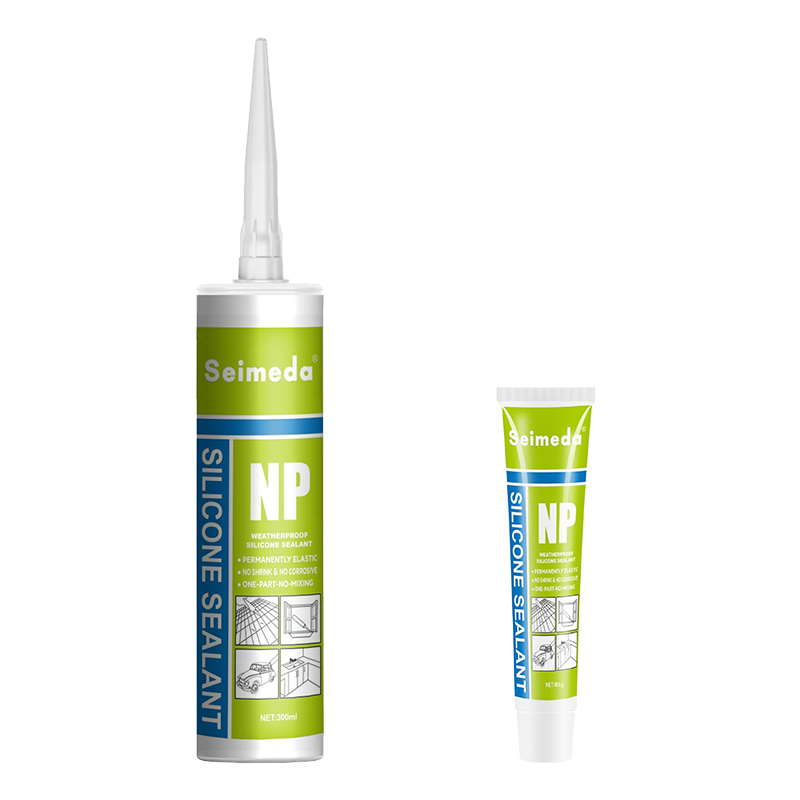
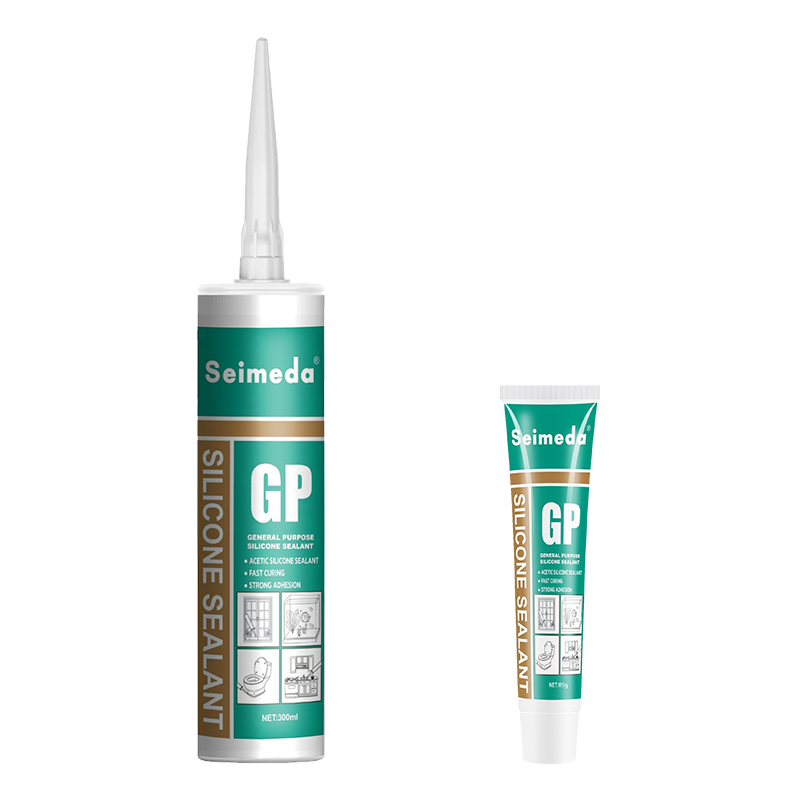
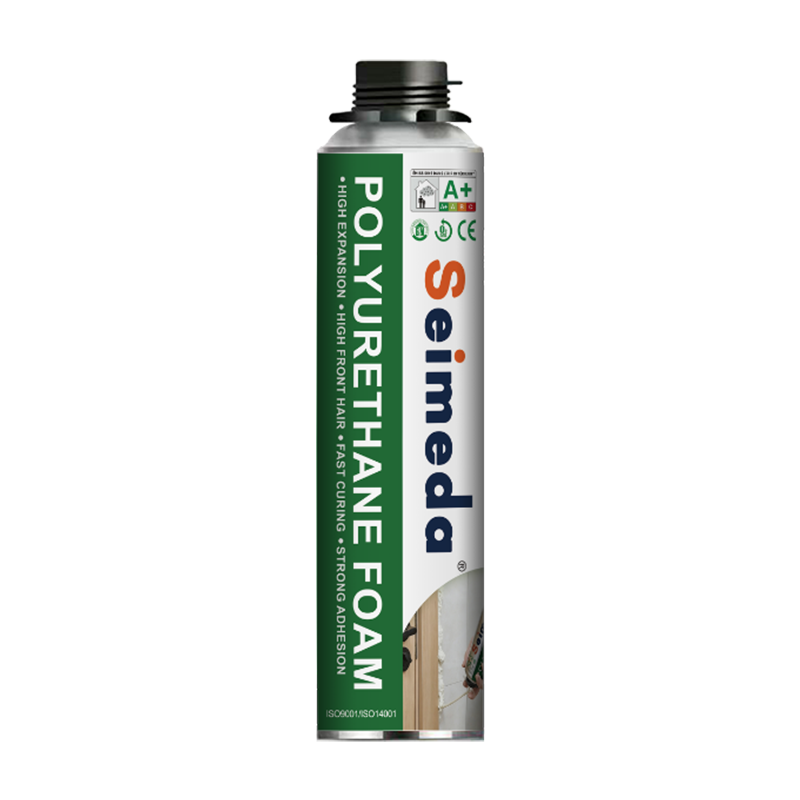
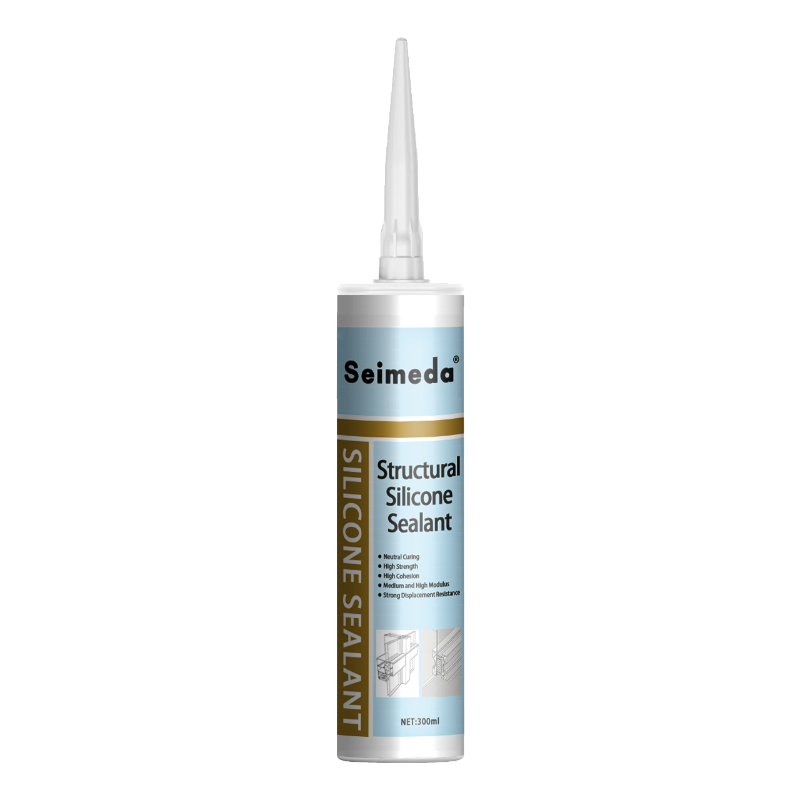
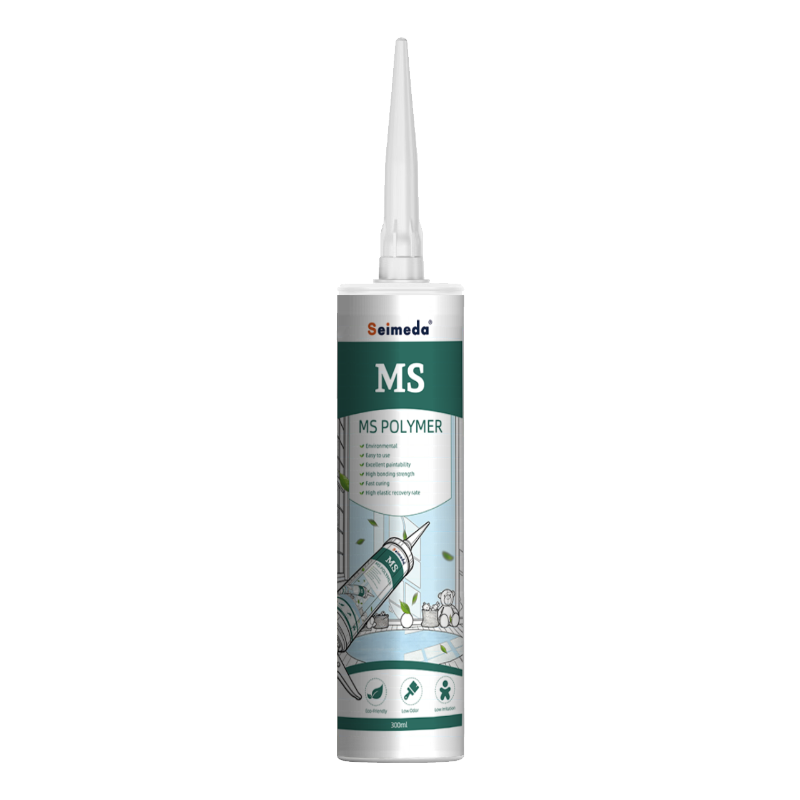
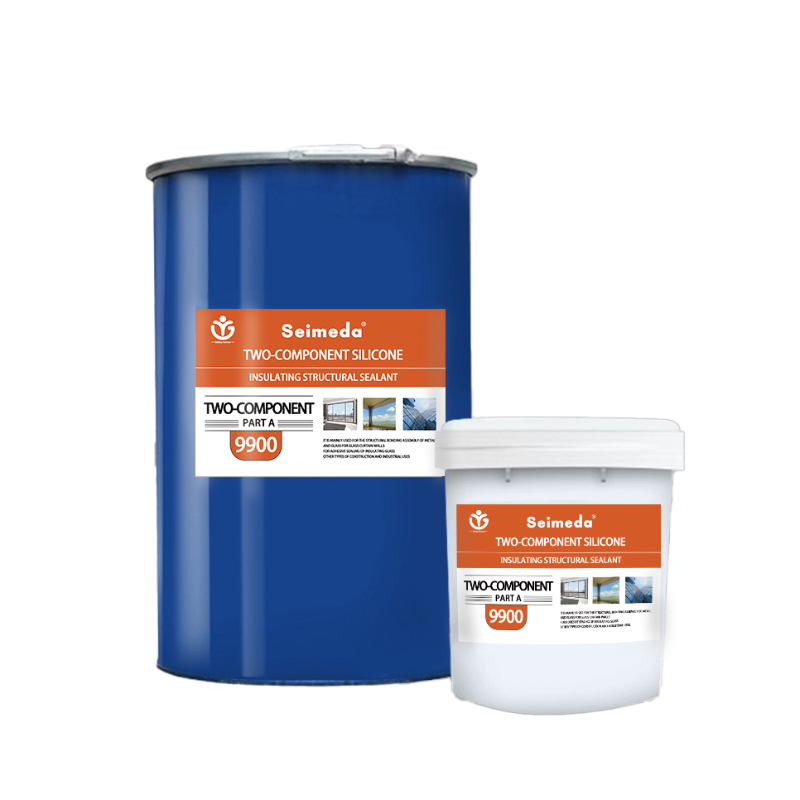
Cracked glazing, stained metal, and leaking construction joints usually come from choosing the wrong chemistry rather than from applying too little sealant. This review examines the best neutral cure silicone sealant for glass and metal, neutral cure silicone for construction joints, and how to apply neutral cure silicone sealant in practical repair scenarios. The discussion covers weatherproof silicone sealant, glazing sealant, flexible joint sealant, oxime cure chemistry, adhesion, and tensile strength, with a focus on Seimeda products and the limits of performance claims.

Neutral Cure Silicone Sealant manufacturer Overview: Who Should Use It?
Neutral cure silicone is a practical option for installers, window fabricators, maintenance teams, and homeowners who need a flexible seal around glass, coated metal, aluminum frames, ceramic, or masonry. It is especially useful where an acetic-cure silicone may release acetic acid during curing and create an odor or compatibility concern around sensitive metals.
- For glass installers: it can be used for perimeter sealing and selected glazing applications when the product is approved for the glass, coating, spacer, and frame combination.
- For metalwork: neutral chemistry is generally preferable around aluminum, galvanized steel, and some painted surfaces, although a compatibility test is still necessary.
- For construction joints: its elastic movement capacity makes it suitable for many non-structural weather-sealing joints, provided the joint width, depth, backing material, and expected movement are within the product specification.
- For repairs: it can seal gaps around window frames, flashing, cladding, doors, and service penetrations without becoming as rigid as cement-based fillers.
It is not automatically suitable for structural glazing, aquariums, underwater joints, food-contact areas, fire-rated assemblies, natural stone staining-sensitive surfaces, or joints exposed to continuous immersion. Those uses require a product with the relevant certification and written approval from the sealant manufacturer.
Seimeda Neutral Cure Silicone Sealant: Product Highlights and Limitations
Neutral Cure Silicone Sealant Manufacturer Chemistry
Neutral cure silicone is commonly based on moisture-curing silicone polymers that release neutral or low-corrosive by-products instead of the vinegar-like acetic acid associated with many acetoxy silicones. The exact curing by-product depends on the formulation; “neutral cure” is a product-family description, not a guarantee that every formulation behaves identically.
For a fair evaluation, the following technical data should be checked on the Seimeda technical data sheet:
| Property | Why it matters | What to verify before purchase |
|---|---|---|
| Skin formation time | Determines how long the installer can tool the bead. | Minutes at a stated temperature and relative humidity. |
| Cure rate | Indicates how quickly the joint develops depth cure. | Millimeters per 24 hours, with test conditions. |
| Shore A hardness | Shows the cured rubber’s resistance to indentation. | Test method and target range. |
| Tensile strength and elongation | Helps describe load resistance and stretch capacity. | Values under ISO 37, ASTM C1135, or the declared method. |
| Movement capability | Indicates whether the sealant can follow expansion and contraction. | Classification under ISO 11600 or ASTM C920, if applicable. |
| Adhesion compatibility | Prevents peeling from glass, aluminum, paint, stone, or plastic. | Substrate-specific test results and primer requirements. |
Where Seimeda Neutral Cure Silicone Sealant Fits Best
Seimeda is most sensibly considered for general-purpose elastic sealing where the product documentation confirms the substrate and environmental exposure. A neutral cure formulation can offer three practical advantages: lower odor than many acetic-cure products, better suitability around corrosion-sensitive metals, and elastic recovery after thermal movement.
Those advantages should not be confused with universal adhesion. Powder-coated aluminum, anodized aluminum, galvanized steel, glass coatings, laminated glass, acrylic, polycarbonate, and silicone-treated surfaces can all behave differently. A small adhesion test is more reliable than assuming that the word “neutral” solves every compatibility problem.
Unboxing and Actual Testing Process for Neutral Cure Silicone for Construction Joints
A credible sealant review needs more than a photograph of a cartridge. The cartridge, nozzle, batch information, technical data sheet, and storage condition should be recorded before application. The following test method is suitable for comparing Seimeda with other neutral cure products without overstating results.
Neutral Cure Silicone Sealant Manufacturer Test Setup
- Inspect the package: record product name, batch number, manufacturing date, expiry date, color, cartridge size, and storage instructions.
- Prepare test panels: use clean glass, anodized or painted aluminum, galvanized steel, and a representative masonry surface. Test the exact substrate used on the project.
- Clean the surfaces: remove dust, oil, release agents, oxidation, and loose paint. Use a compatible solvent and allow the substrate to dry completely.
- Apply test beads: make several beads with a consistent width and depth. For a construction joint, use closed-cell backer rod or another approved bond-breaker so the sealant does not adhere to three sides.
- Record application behavior: note extrusion force, bead shape, tooling time, skin formation, and whether the sealant pulls away from the edges.
- Monitor curing: measure the surface condition after 30 minutes, 2 hours, 24 hours, 48 hours, and 7 days. Do not use a shallow surface skin as proof that the entire joint has cured.
- Check adhesion: perform a simple cured bead pull test or a formal peel test. A professional laboratory test is required for certification-level results.
- Inspect movement: after full cure, flex the test assembly gradually and look for cohesive cracking inside the rubber or adhesive failure at the substrate.
Temperature and humidity strongly affect curing. A 5 mm bead at 23°C and 50% relative humidity may cure at a different rate from a 15 mm bead applied outdoors at 8°C. Therefore, a review should report the test conditions rather than state that a sealant “cures fast.”
Observed Application Criteria
| Test area | Acceptable practical result | Warning sign |
|---|---|---|
| Extrusion | Continuous bead with a standard caulking gun and no severe surging. | Cartridge splits, nozzle blocks, or pressure becomes unsafe. |
| Tooling | Bead can be shaped before skin formation without tearing. | Surface drags, wrinkles, or releases from the joint edge. |
| Adhesion | Rubber tears internally during a controlled pull rather than releasing cleanly. | Sealant peels from glass, metal, coating, or masonry with little force. |
| Cure | Progressive firming from the exposed surface inward. | Soft or liquid material remains deep inside after the stated cure period. |
| Appearance | Uniform color and a smooth, continuous surface. | Bubbles, discoloration, oil bleed, or shrinkage at the edges. |
How to Apply Neutral Cure Silicone Sealant to Glass and Metal
Neutral Cure Silicone Sealant Manufacturer Application Sequence
- Remove the failed sealant completely. Cut the old bead away with a sharp knife or scraper. Silicone residue can prevent new silicone from bonding.
- Dry the joint. Do not encapsulate rainwater, condensation, or solvent. Moisture can interfere with adhesion and can remain trapped behind the bead.
- Mask both sides. Painter’s tape produces a cleaner line and reduces the amount of tooling required.
- Use the correct joint geometry. Install backer rod where the design calls for it. A sealant joint bonded to three sides can experience excessive stress during movement.
- Cut the nozzle at approximately 45 degrees. The opening should match the intended bead size, not simply be cut as large as possible.
- Apply one continuous bead. Maintain steady pressure and keep the nozzle in contact with the joint where practical.
- Tool promptly. Use a compatible tooling liquid only if the manufacturer permits it. Avoid contaminating adjacent surfaces.
- Remove masking tape before the surface skins. Pull the tape away from the joint at a shallow angle.
- Protect the joint during cure. Keep it free from rain, dust, touch, vibration, and movement until the stated cure time has passed.
For glass-to-metal work, do not allow the sealant to bridge drainage paths or block designed weep holes. For construction joints, calculate the expected movement and choose a joint width and depth that match the product’s movement classification. A wider bead is not automatically stronger; incorrect geometry can reduce service life.
Real-World Case: Window Perimeter Leakage
The following case is presented as a practical field scenario rather than a laboratory claim about a specific Seimeda batch. A homeowner reported water entering below an aluminum window after heavy rain. The visible sealant looked intact, but inspection found three problems: the old silicone was bonded poorly to dusty masonry, the bead was bonded to three sides, and the drainage path was partly blocked.
Neutral Cure Silicone for Construction Joints Repair Process
The repair sequence was to remove approximately 100% of the loose perimeter sealant, clean the aluminum and masonry, allow the joint to dry, install backer material where depth required it, and apply a new neutral cure bead. The repair was left undisturbed through one full curing period stated by the product documentation before controlled water testing.
The important lesson was not that a new sealant magically stopped the leak. The result depended on surface preparation, joint design, drainage, and curing conditions. If the frame itself is leaking, the flashing is damaged, or water is entering from above, replacing the visible bead may only hide the symptom temporarily.
Performance Analysis of Seimeda Neutral Cure Silicone Sealant
Adhesion to Glass and Metal
Glass usually provides a relatively stable, non-porous surface, but dust, detergent residue, silicone contamination, low-energy coatings, and laminated interlayers can change the result. Aluminum performance depends on whether the surface is anodized, powder-coated, painted, oxidized, or untreated.
The most useful acceptance check is cohesive failure: when a cured strip is pulled, the rubber should preferably tear within its body instead of releasing cleanly from the substrate. This is a field indication, not a replacement for a standardized adhesion test.
Weather Resistance and Joint Movement
Silicone is valued for outdoor sealing because cured silicone remains rubbery over a broad temperature range and generally resists ultraviolet exposure better than many organic sealants. However, “weatherproof” does not define a specific performance level. Look for declared testing under standards such as ASTM C920, ISO 11600, or EN 15651 where relevant to the application.
Joint movement should be expressed as a percentage or classification, not as “high flexibility.” For example, a product rated for a particular movement class may be appropriate for a designed expansion joint, while a general-purpose product without a movement declaration should not be used for a critical façade joint.
Ease of Use and Cure Behavior
Ease of use can be evaluated by extrusion force, bead consistency, tooling time, nozzle control, and cleanup. Cure time must be interpreted using the manufacturer’s stated temperature, humidity, and bead dimensions. Low temperature, low humidity, deep joints, and restricted air access can extend curing.
Do not paint a silicone bead unless the product data sheet specifically permits it. Many cured silicones have low surface energy, which causes ordinary architectural paint to peel or form poor coverage.
Neutral Cure Silicone Sealant Manufacturer Comparison
| Sealant type | Advantages | Limitations | Best use |
|---|---|---|---|
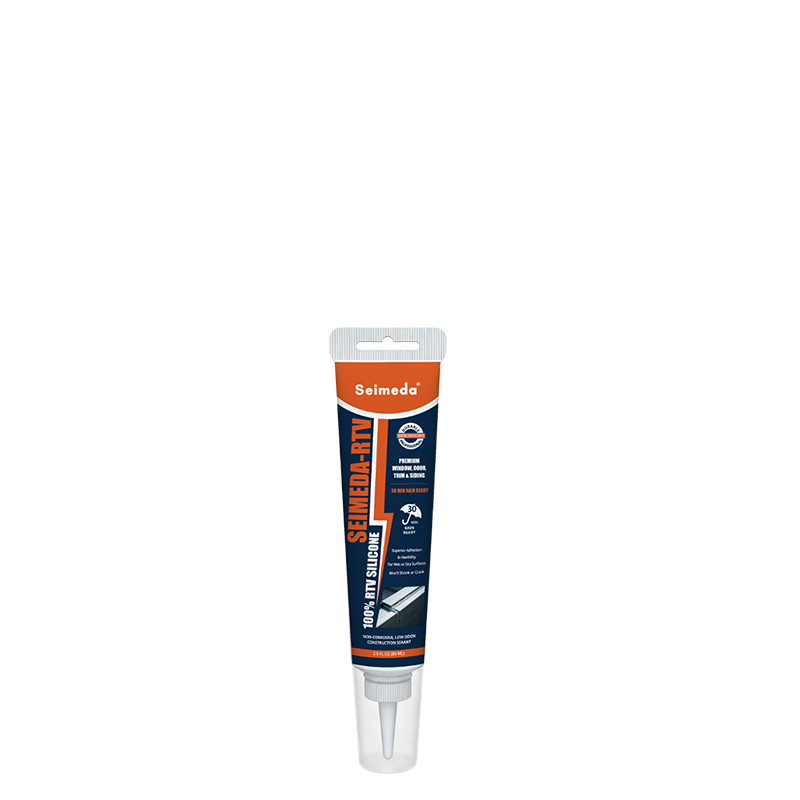
| Seimeda neutral cure silicone | Suitable candidate for glass, metal, and general weather-sealing when the technical data sheet confirms compatibility; flexible after cure. | Exact adhesion, movement class, cure rate, and certifications vary by product code. | Window perimeters, metal interfaces, cladding details, and non-structural construction joints. |
| Acetic-cure silicone | Often easy to tool and widely available. | Acidic curing by-products may create odor or compatibility concerns with some metals, alkaline surfaces, and sensitive materials. | Compatible glass and sanitary applications where the substrate manufacturer permits it. |
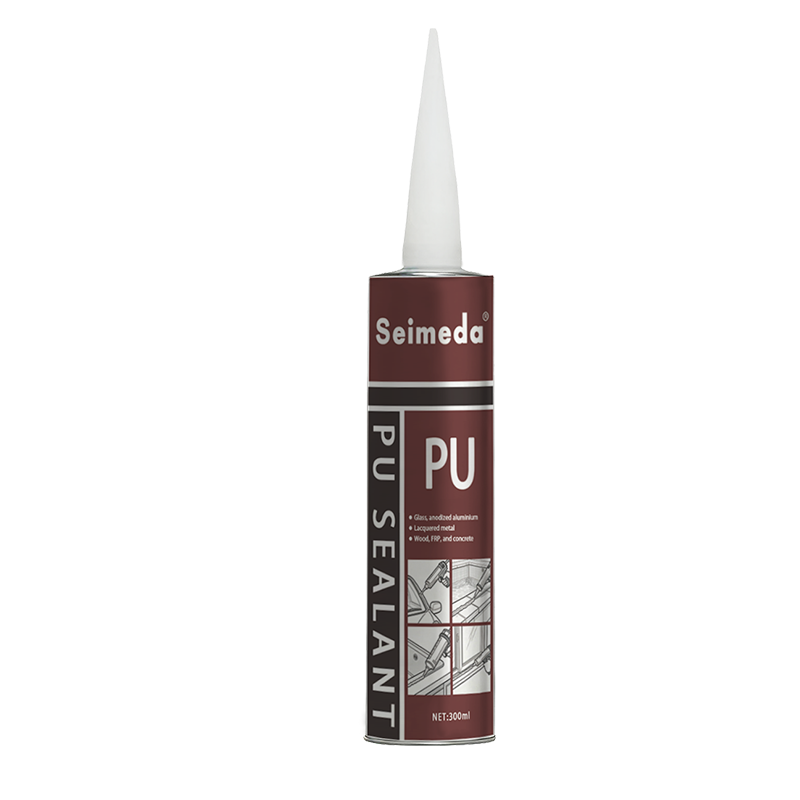
| Polyurethane sealant | Often offers strong adhesion and paintability, depending on formulation. | May have different ultraviolet, moisture, and application limitations from silicone. | Construction joints where the specified polyurethane system is approved. |
| MS polymer sealant | Often combines elastic behavior with better paintability than silicone. | Performance varies substantially by formulation and may not match silicone in every outdoor exposure. | Building maintenance and joints requiring a paintable seal. |
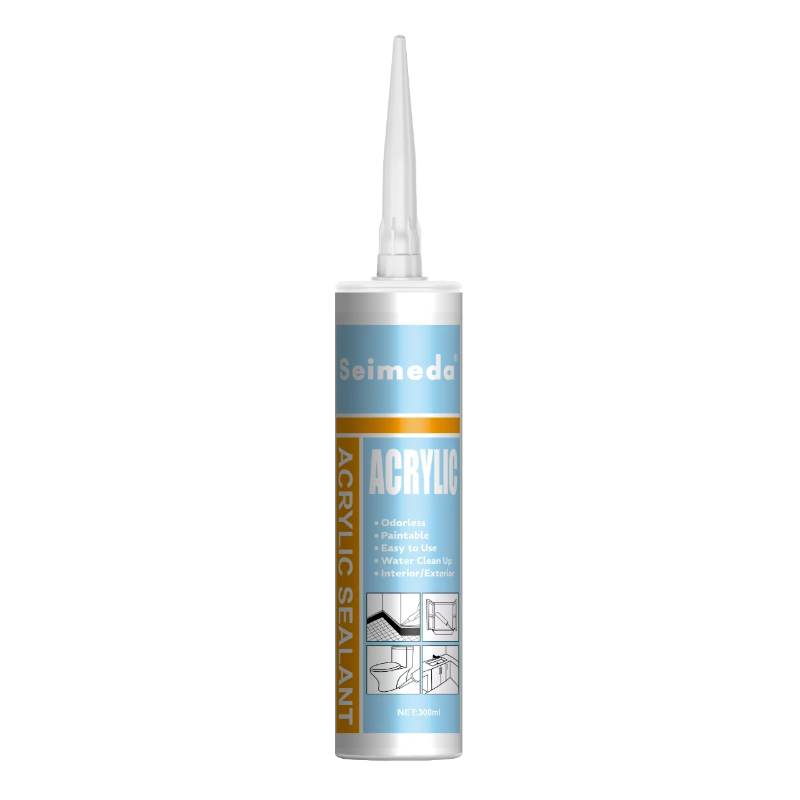
| Acrylic caulk | Low cost and usually easy to paint. | Generally less suitable for prolonged water exposure and high-movement exterior joints. | Low-movement interior gaps and decorative finishing. |
The fairest comparison is based on the intended joint, not on brand reputation alone. A high-performance structural glazing silicone and a general-purpose cartridge should not be compared as though they serve the same purpose.
Neutral Cure Silicone Sealant Review Ratings and Recommendations
| Category | Rating guidance | Review conclusion |
|---|---|---|
| Glass compatibility | 4/5 when the product data sheet lists the glass and a test bead passes. | Strong candidate for perimeter glazing and general sealing; not automatically structural glazing. |
| Metal compatibility | 4/5 for confirmed aluminum and coated-metal substrates. | Neutral chemistry is useful, but surface preparation remains decisive. |
| Construction joints | 3.5/5 unless movement classification and joint design are confirmed. | Appropriate for many non-structural joints, not a substitute for an engineered façade system. |
| Application ease | 4/5 when extrusion and tooling are consistent. | Use a sharp nozzle, a suitable gun, and tool before skin formation. |
| Value | Depends on cartridge size, documented performance, and failure risk. | The cheapest cartridge is rarely the lowest-cost choice if a failed joint requires access equipment and rework. |
Recommended for: window and door perimeters, glass-to-metal weather seals, selected aluminum joints, flashing details, and general exterior maintenance after a compatibility check.
Use caution for: natural stone, polycarbonate, acrylic, painted surfaces, immersed joints, fire-rated assemblies, façade movement joints, and any application requiring certification.
Do not specify without written confirmation for: structural glazing, curtain-wall bonding, aquarium construction, food-contact sealing, medical environments, or joints subject to constant hydrostatic pressure.
FAQ About Neutral Cure Silicone Sealant for Glass, Metal, and Construction Joints
Is neutral cure silicone safe for aluminum?
It is often a better starting choice than acetic-cure silicone around aluminum because it does not rely on an acetic-acid curing reaction. However, the aluminum finish, contamination, coating, and product formulation still matter. Perform a small adhesion and staining test before full application.
Can neutral cure silicone be used on glass?
Yes, many neutral cure products adhere well to glass. The application must still distinguish between perimeter weather sealing and structural glazing. Structural glazing requires an engineered, tested, and approved silicone system rather than a general-purpose sealant.
How long does neutral cure silicone take to cure?
The answer depends on bead depth, temperature, humidity, ventilation, and formulation. Use the technical data sheet’s skin-time and cure-rate values. A surface that feels dry does not prove that a deep joint has cured throughout.
Can I apply new silicone over old silicone?
Usually, this is unreliable. New silicone generally has poor adhesion to cured silicone contaminated by dust, oils, or release agents. Remove the old bead as completely as practical, clean the surfaces, and test adhesion before resealing.
Should I use primer?
Only when the manufacturer specifies it for the particular substrate. Primer can improve adhesion on some porous or difficult surfaces, but the wrong primer can create contamination or staining. Follow the Seimeda product data sheet rather than using a universal primer by assumption.
Can neutral cure silicone seal a leaking construction joint permanently?
It can provide a durable seal when the joint design, movement range, substrate, drainage, and curing conditions are correct. It cannot correct failed flashing, structural movement, blocked drainage, substrate damage, or water entering from a higher point in the assembly.
Is neutral cure silicone paintable?
Many silicone sealants are not compatible with ordinary paint because the cured surface has low surface energy. If a paintable joint is required, select a product explicitly rated for painting, such as an approved MS polymer, polyurethane, or acrylic system, where appropriate.
Final Verdict: Choosing a Neutral Cure Silicone Sealant Manufacturer
Seimeda neutral cure silicone sealant is a sensible option for users seeking a weatherproof silicone sealant for glass and metal, a glazing sealant for window perimeters, or a flexible joint sealant for non-structural construction work. The best neutral cure silicone sealant for glass and metal is the one whose adhesion, movement capability, cure rate, tensile strength, and compatibility are documented for the actual substrates. For neutral cure silicone for construction joints, correct joint geometry and preparation matter as much as the cartridge brand. Before deciding how to apply neutral cure silicone sealant, confirm the oxime cure formulation, adhesion test, tensile strength data, and applicable ISO 11600, ASTM C920, or EN 15651 classification with Seimeda or the authorized supplier.

