







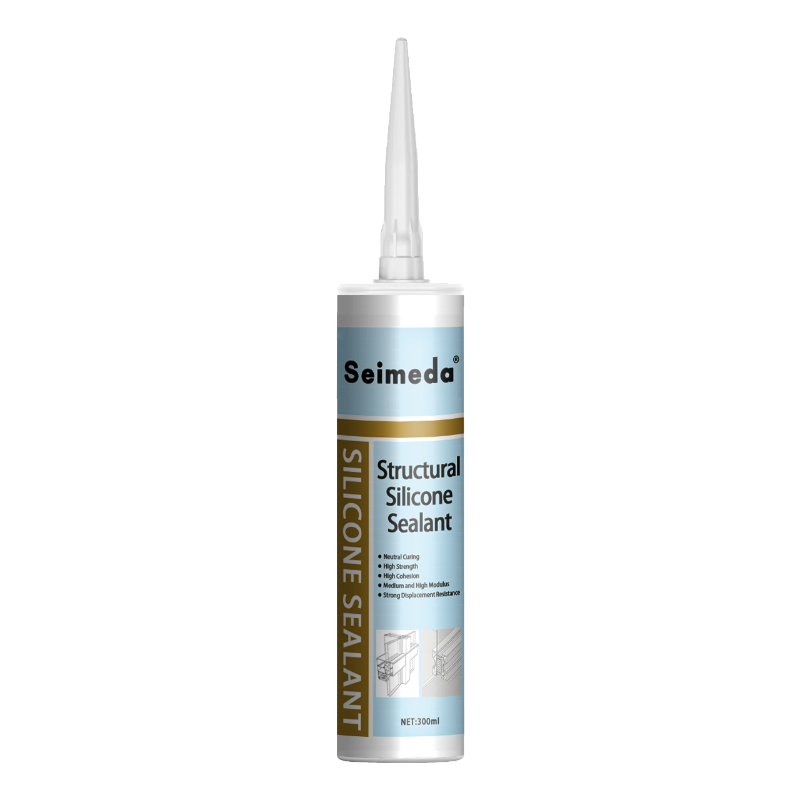
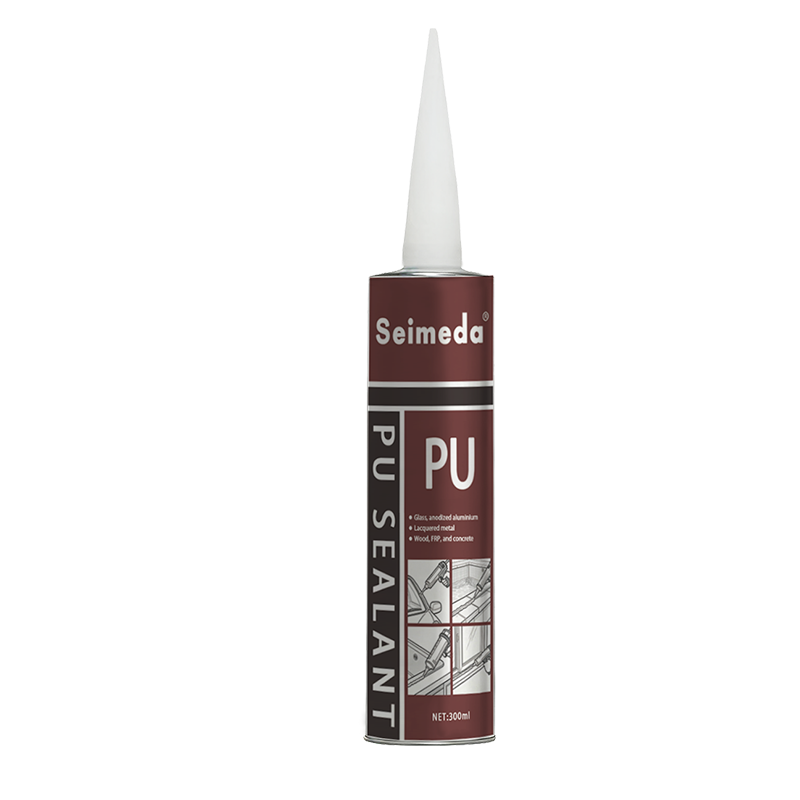
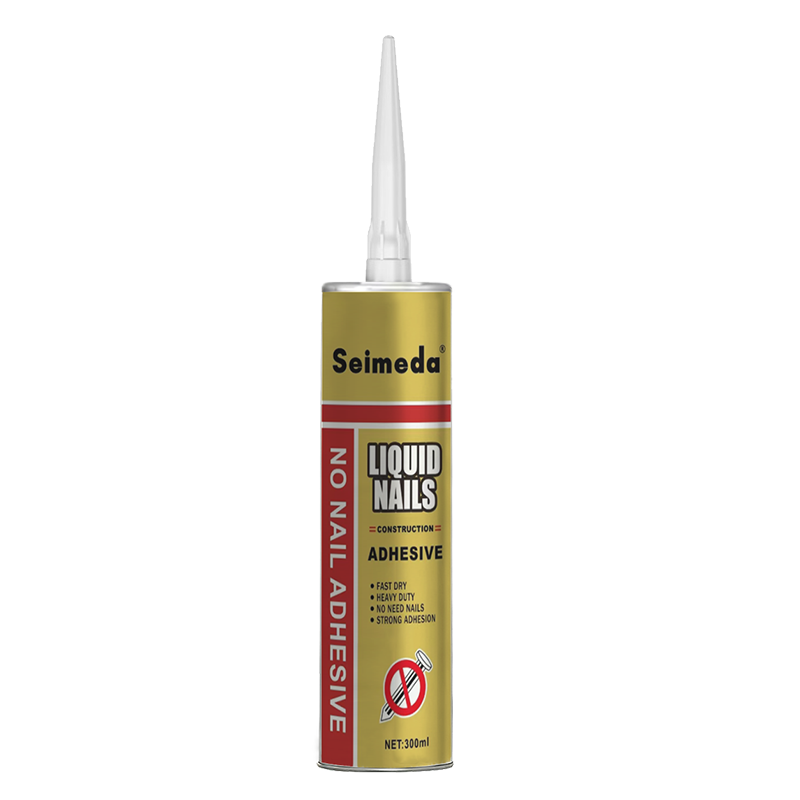
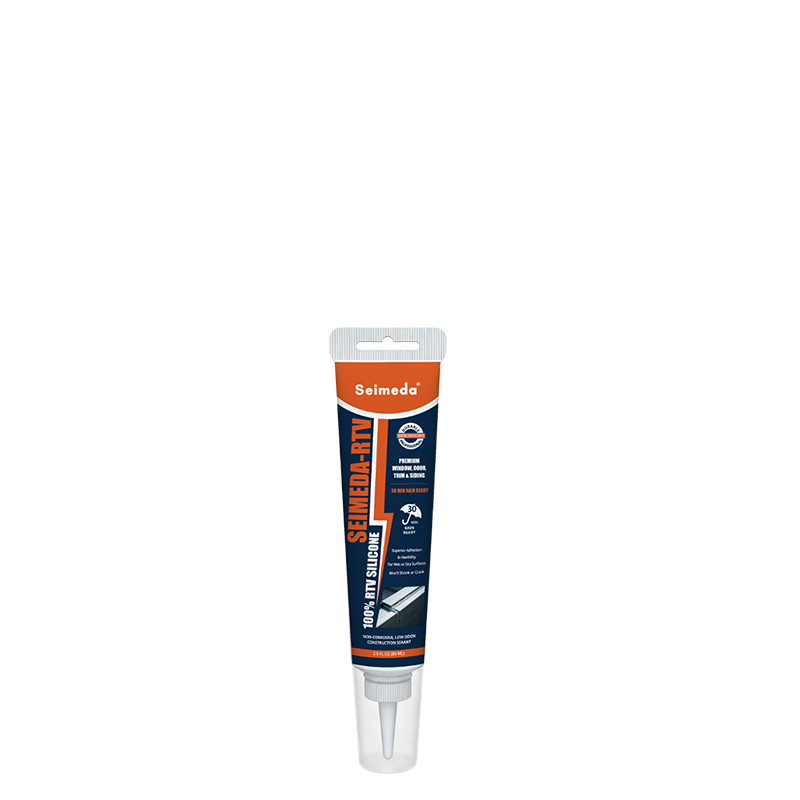
Building owners are asking façades, windows, and expansion joints to remain watertight for longer while tolerating thermal movement, wind loading, vibration, and increasingly strict environmental requirements. The practical response is not simply “use more sealant,” but select a low modulus neutral cure silicone sealant for curtain wall or a high movement silicone sealant for expansion joints with verified weatherproofing, compatible adhesion, and documented movement capability. This is why buyers are comparing neutral silicone sealant manufacturers for construction, including Seimeda, through test data rather than adjectives. Key technical terms in this decision are modulus, adhesion-in-peel, and primerless adhesion.
Current Market Situation for Neutral Cure Silicone Sealant manufacturers
Construction sealants are moving from commodity purchasing toward performance-based specification. A contractor may previously have selected a sealant by color, cartridge price, or stated “weather resistance.” Today, the same project may require documented movement capability, adhesion testing, VOC information, compatibility with insulating glass or coatings, and evidence of resistance to ultraviolet radiation and moisture.
This change is driven by the cost of failure. A leaking perimeter joint can damage insulation, interior finishes, or electrical systems; a debonded façade joint can also create a safety and maintenance concern. Replacing a sealant joint generally requires access, removal of aged material, substrate preparation, and weather-dependent installation. The product price is therefore only one part of the total cost.
Authoritative standards provide a more reliable basis for comparison. ASTM C920 classifies elastomeric joint sealants by properties including movement capability, adhesion, weathering, and application type. In the ASTM classification system, movement classes such as 12.5, 25, and 50 indicate the percentage movement capability associated with the tested sealant class; the exact interpretation depends on the applicable grade and test method. ISO 11600 also identifies sealants by application and movement classes, including categories such as F-25LM and F-25HM. Buyers should request the complete classification rather than relying on the phrase “high performance.”
Source: ASTM C920/C920M, Standard Specification for Elastomeric Joint Sealants; ISO 11600, Building construction — Jointing products — Classification and requirements for sealants.
Why Low-Modulus Neutral Cure Silicone Sealant Is Gaining Attention
A sealant joint is a flexible part of a building envelope. When aluminum, glass, concrete, stone, or coated metal expands and contracts at different rates, the joint must absorb the resulting strain without losing adhesion or tearing internally.
Low modulus reduces stress transfer to sensitive substrates
Modulus describes the stress required to produce deformation under a defined test condition. A lower-modulus sealant generally requires less force to extend than a higher-modulus product, although “low modulus” must be confirmed against the relevant standard and test temperature rather than judged by hand.
This characteristic is useful where substrates are vulnerable to stress concentration, including thin metal panels, coated façades, movement-prone glazing interfaces, and joints with significant width-to-depth requirements. It does not mean that every low-modulus product is suitable for every application. Adhesion, cohesive strength, joint geometry, backing material, and substrate movement must be assessed together.
Neutral cure helps reduce avoidable substrate and odor concerns
Neutral-cure silicones release non-acidic curing by-products compared with acetoxy systems. This can improve compatibility with metals, alkaline substrates, sensitive coatings, and some plastics, but compatibility is product-specific. Neutral cure should not be treated as automatic proof of adhesion or chemical compatibility. A project-specific adhesion and staining test remains necessary, particularly on natural stone, porous surfaces, laminated materials, and powder-coated profiles.
High movement is a system property, not a marketing adjective
“High movement” should be connected to a declared standard classification, such as an applicable ASTM C920 movement class or ISO 11600 movement class. It should also be connected to the designed joint width. For example, a joint designed to accommodate 25% movement cannot be evaluated only by the sealant label; the installer must verify that the joint width, sealant depth, backer rod, and expected temperature range keep the sealant within its design strain.
Key Drivers and Innovations in Neutral Silicone Sealant Manufacturing
1. More projects are specifying tested movement and adhesion data
Architects and façade consultants increasingly request technical data sheets, test reports, compatibility statements, and installation instructions before approval. The useful information includes movement classification, tensile properties, elongation, hardness, adhesion results, service temperature, cure rate, storage life, and substrate limitations.
Buyers should distinguish between a manufacturer’s internal test and a third-party or standard-based report. A credible document should identify the product, batch or formulation, test standard, specimen preparation, conditioning, test date, and result. A single elongation percentage is not enough to predict long-term joint performance.
2. Neutral-cure formulations are being optimized for mixed-material façades
Modern façades may combine glass, anodized or powder-coated aluminum, stainless steel, concrete, masonry, insulation interfaces, and composite panels. Formulators are therefore working on adhesion promoters, lower-staining systems, primerless adhesion on selected substrates, and better compatibility with coatings and insulating glass sealants.
“Primerless” must be read carefully. It normally means that primer may not be required on specified, tested substrates under defined preparation conditions. It does not eliminate cleaning, surface inspection, adhesion testing, or the need for primer where the product instructions require it.
3. Installation productivity is being measured by cure and tooling behavior
On a large project, labor productivity is affected by skin formation, tooling window, extrusion force, cure speed, packaging, and rework. A sealant that skins too quickly can be difficult to tool in hot or windy conditions; one that cures too slowly may remain vulnerable to dust, rain, or accidental contact.
Manufacturers should publish measurable conditions for their cure data. A statement such as “fast curing” is incomplete without temperature, relative humidity, bead dimensions, and test method. For example, a technical sheet may report skin formation or through-cure under a defined laboratory condition; that result should not be transferred directly to a cold, dry winter site.
4. Environmental documentation is becoming part of product approval
Green-building and public procurement programs increasingly ask for product health and environmental information. Depending on the market, buyers may request safety data sheets, VOC test results, ingredient disclosures, environmental product declarations, or compliance statements. These documents do not replace performance testing, but they make product comparison more transparent.
For project-specific requirements, the relevant authority may be a building code, green-building rating system, or local emissions regulation. Buyers should verify the applicable jurisdiction rather than assume that a certificate issued for one country satisfies another country’s requirements.
5. Digital quality control is reducing installation uncertainty
Large façade projects increasingly use batch tracking, QR-linked technical documents, photographic inspection records, and digital checklists. These tools can document substrate condition, primer use, joint dimensions, weather conditions, and adhesion-test results. They cannot correct poor joint design, but they can make nonconformities visible before water enters the assembly.
Four Emerging Trends Affecting High Movement Silicone Sealant for Expansion Joints
Trend 1: Movement classes are replacing vague performance claims
The clearest market trend is the shift from words such as “flexible” and “durable” toward declared classification. A specification may require ASTM C920 Class 50 or an ISO 11600 class, but the project team must still confirm whether the product is rated for glazing, façade weatherseal, pedestrian joints, or another application.
Movement classification is not a guarantee of service life. Real performance also depends on joint design, compression and extension cycles, ultraviolet exposure, water, temperature, substrate cleanliness, sealant depth, and workmanship.
Trend 2: Low-modulus products are being matched to wider and more active joints
As buildings use larger glazing units, lightweight façade panels, and longer uninterrupted elevations, differential movement can become more significant at interfaces. Low-modulus, high-movement neutral silicone is increasingly considered where the joint must move without imposing excessive stress on the bonded edges.
The design team should calculate expected movement from thermal expansion, structural drift, shrinkage, creep, settlement, and construction tolerances. A simple joint-width rule is not a substitute for that calculation. The sealant manufacturer can help check the required minimum and maximum joint width, sealant depth, backer-rod diameter, and permissible movement.
Trend 3: Compatibility testing is becoming more important than product substitution
Changing from one sealant to another can affect adhesion, staining, cure inhibition, insulating-glass edge-seal compatibility, and coating appearance. This is particularly important when a façade includes silicone weatherseals, structural glazing materials, gaskets, setting blocks, tapes, membranes, or liquid-applied coatings.
The American Architectural Manufacturers Association, now operating under Fenestration and Glazing Industry Alliance resources, publishes guidance used by the fenestration industry for sealant selection and compatibility evaluation. The exact test protocol should follow the project specification and the sealant manufacturer’s instructions.
Industry resource: Fenestration and Glazing Industry Alliance standards and technical resources.
Trend 4: Buyers are demanding lifecycle evidence
A product may pass an initial adhesion test and still require correct joint geometry and maintenance to perform over time. Lifecycle-oriented specifications now ask for accelerated weathering results, movement cycling, adhesion after water exposure, and repair guidance. These tests are useful indicators, but accelerated laboratory exposure does not provide a precise calendar-life guarantee for every climate.
How These Neutral Cure Silicone Sealant Trends Affect Buyers
For architects and façade consultants
- Write the required standard and movement class instead of “highly flexible.”
- Define the intended use: perimeter weatherseal, glazing, façade panel joint, concrete joint, or expansion joint.
- Specify acceptable substrates, color, finish, primer requirements, and compatibility testing.
- Require a joint-design review covering movement, width-to-depth ratio, backer rod, bond-breaker, and minimum sealant thickness.
- Request current technical data and project-specific samples before approving substitutions.
For contractors and installers
- Check batch number, expiry date, packaging integrity, and storage conditions before use.
- Clean and dry the joint according to the technical data sheet; remove laitance, dust, oil, release agents, and loose coatings.
- Use a compatible backer rod to control sealant depth and prevent three-sided adhesion.
- Conduct field adhesion tests on representative substrates before production installation.
- Do not tool a skinning sealant with contaminated tools or add solvents unless the manufacturer specifically permits it.
- Record temperature, humidity, substrate condition, primer use, and inspection results.
For distributors and procurement teams
- Compare products by the same standard, movement class, package size, color, and shelf life.
- Calculate installed cost, including waste, labor, access equipment, primer, backer rod, testing, and potential rework.
- Ask whether the supplier can provide technical support and compatibility testing within the project schedule.
- Confirm that the delivered product matches the approved submittal and country-specific compliance requirements.
Practical Selection Process for Seimeda Neutral Silicone Sealant
Step 1: Define the joint before selecting the cartridge
Document the substrate pair, joint location, exposure, expected movement, joint width, sealant depth, temperature range, and whether the joint is exposed to standing water, chemicals, traffic, or abrasion. A low-modulus façade sealant and a pedestrian expansion-joint sealant may both be described as flexible, but they are not automatically interchangeable.
Step 2: Match the product to a recognized classification
Ask Seimeda or another neutral cure silicone sealant manufacturer for the applicable ASTM C920 or ISO 11600 classification, test conditions, and intended application. If the manufacturer provides only a generic product brochure, request the full technical data sheet and safety data sheet.
Step 3: Confirm adhesion and compatibility
Test every unusual, coated, porous, or composite substrate. Include adjacent materials that may contact the uncured or cured sealant, such as gaskets, membranes, tapes, setting blocks, insulation facings, and glazing components. A successful adhesion test should include visual inspection and, where specified, a controlled peel or pull test.
Step 4: Review installation conditions
Confirm the allowable application temperature, surface moisture limits, cure behavior, tooling window, ventilation requirements, and protection from rain or dust. Neutral cure reduces the risk of acid-related interaction, but it does not make application over wet, dirty, or unstable surfaces acceptable.
Step 5: Approve a mock-up or sample panel
A mock-up can reveal color variation, staining, adhesion loss, tooling marks, joint geometry problems, and incompatibility before thousands of meters are installed. Record the approved cleaning method, primer, backer rod, tooling method, and inspection standard so production crews can reproduce the result.
Step 6: Track performance after installation
Inspect high-risk areas after major weather events and during planned façade maintenance. Look for cohesive splitting, adhesive debonding, bubbling, cracking, edge lifting, discoloration, and water entry. Early repair is generally less disruptive than full joint replacement, but the repair method must be compatible with the existing cured sealant.
Common Purchasing Mistakes with Low Modulus Neutral Cure Silicone Sealant
- Choosing by elongation alone: High elongation does not prove adhesion, weatherability, or movement-class compliance.
- Assuming neutral cure means universal adhesion: Porous stone, plastics, coatings, and contaminated concrete may require testing or primer.
- Ignoring joint geometry: An unsuitable depth or three-sided bond can concentrate stress and shorten service life.
- Using a glazing sealant in a traffic joint: Application-specific abrasion, hardness, and chemical requirements may be different.
- Accepting an undated test report: The report should identify the tested formulation and method; otherwise, its relevance is difficult to verify.
- Replacing a specified product without compatibility review: A chemically different sealant may interact with adjacent materials or prevent reliable repair.
FAQ About Neutral Cure Silicone Sealant for Construction
What is neutral cure silicone sealant?
It is a moisture-curing silicone sealant designed to release relatively non-acidic curing by-products compared with acetoxy-cure silicone. The term describes the cure chemistry, not a guaranteed movement class, adhesion level, or service life.
What does low modulus mean in construction sealant?
Low modulus means the sealant develops lower stress at a specified deformation than a higher-modulus material under the same test conditions. It can help reduce stress transfer in movement joints, but the product must still meet the required adhesion, cohesion, weathering, and movement classification.
Is a high-movement sealant suitable for every expansion joint?
No. The sealant must match the joint’s movement, width, depth, exposure, traffic or non-traffic condition, substrate, and chemical environment. Some expansion joints require systems with special abrasion, fire, chemical, or waterproofing properties rather than a standard façade silicone.
How much movement can a neutral silicone sealant accommodate?
The answer depends on the declared standard classification and the specific product. ASTM C920 and ISO 11600 provide recognized ways to classify movement capability, but the project designer must apply that capability to the actual joint width and expected movement. Request the manufacturer’s written design limits instead of using a general percentage.
Does neutral cure silicone require primer?
Sometimes. Primer requirements depend on the substrate, surface condition, product formulation, and project exposure. Some products offer primerless adhesion on tested materials, while others require primer on concrete, masonry, metals, or coatings. Always perform a project-specific adhesion test.
How long does neutral silicone sealant take to cure?
Cure rate varies with temperature, relative humidity, bead dimensions, ventilation, and formulation. A technical data sheet may provide skin-formation and through-cure values under defined laboratory conditions. Those values should not be treated as a universal site schedule, especially in cold or dry weather.
How should Seimeda be evaluated as a sealant supplier?
Request the exact product technical data sheet, applicable ASTM or ISO classifications, safety documentation, batch traceability, compatibility guidance, sample-test support, and installation instructions. Evaluate the documentation against the project specification and confirm performance on the actual substrates before large-scale purchase.
Conclusion: Specify Evidence, Then Select the Neutral Cure Silicone Sealant Manufacturer
The construction sealant market is moving toward lower-modulus formulations, higher declared movement capability, neutral-cure chemistry, compatibility testing, environmental documentation, and digitally recorded installation quality. The best buying decision is not based on the loudest claim. It is based on a documented chain: calculated joint movement, recognized classification, compatible substrates, tested adhesion, correct joint geometry, controlled installation, and planned inspection.
For a new curtain wall, façade renovation, window perimeter, or expansion joint, ask Seimeda for product-specific data and a compatibility review. A correctly selected low modulus neutral cure silicone sealant for curtain wall can reduce stress at sensitive interfaces, while a properly classified high movement silicone sealant for expansion joints can accommodate designed movement when installed within its limits. In every case, the reliable specification is the one supported by test methods, measurable conditions, and project evidence—not unsupported adjectives.

